REVIEW · TIGRE
Tigre: River Delta Panoramic Boat Tour
Book on GetYourGuide →Operated by Sturla Viajes · Bookable on GetYourGuide
The Delta feels like a secret city on water. This Tigre river delta boat tour is a simple way to understand the island life, with a loudspeaker audioguide that explains what you’re passing as you cruise through five named rivers. You’ll also catch glimpses of the everyday details people love to talk about here, like homes and community buildings along the waterways.
I especially like that it’s panoramic and compact: one hour on the water gives you a real sense of the Delta’s scale without a full-day commitment. The main consideration is sound and comfort—if you sit on the outside deck, the open air can make the narration harder to hear, and space up top is limited once everyone settles.
In This Review
- Quick Key Points
- Tigre River Delta Boat Tour: Why This 1-Hour Cruise Feels So Effective
- Where You Start: Finding Sturla Viajes and Estación Fluvial Tigre
- Boarding Basics: What You Actually Get for Around $18
- The 1-Hour Route: Luján to Espera and What Each Stretch Adds
- Luján River: Start with the feel of the Delta
- Carapachay: Notice how life clings to the waterways
- Angostura and Sarmiento: The scenery changes again
- Espera and the Delta Tierra reserve: End with nature and perspective
- Audioguide on a Loudspeaker: How to Hear It Without Straining
- What You See Up Close: Houses, Schools, Churches, and the Real Delta Rhythm
- Outdoor Deck Reality: Space, Weather, and Where to Stand
- Tigre Day Trip Planning: Time, Traffic, and Station Convenience
- Price and Value: Why This Cruise Makes Sense for First-Timers
- Practical Notes Before You Go (Small Things That Change Comfort)
- Who Should Book This Tigre Boat Tour?
- Should You Book This Tigre River Delta Panoramic Boat Tour?
- FAQ
- How long is the Tigre River Delta Panoramic Boat Tour?
- Where does the boat depart from?
- What is the meeting point?
- What languages are available for the audioguide?
- Is anything included besides the boat ride?
- Is the tour wheelchair accessible?
- Can I bring pets on the tour?
Quick Key Points
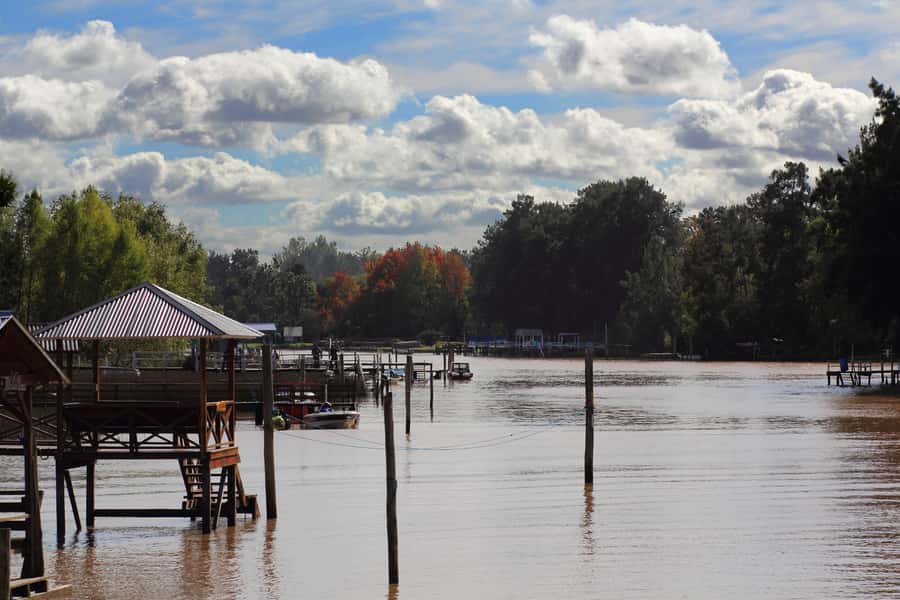
- Five rivers in one hour: Luján, Carapachay, Angostura, Sarmiento, and Espera
- A loudspeaker audioguide in 3 languages: English, Spanish, and Portuguese
- You’ll spot real community life: houses, schools, and a church along the way
- Panoramic views from the water: great for photos and just watching how the Delta works
- Plan around station time: Tigre is farther out than many people expect
- Value-friendly for a short trip: priced for a fun, low-commitment outing
Tigre River Delta Boat Tour: Why This 1-Hour Cruise Feels So Effective
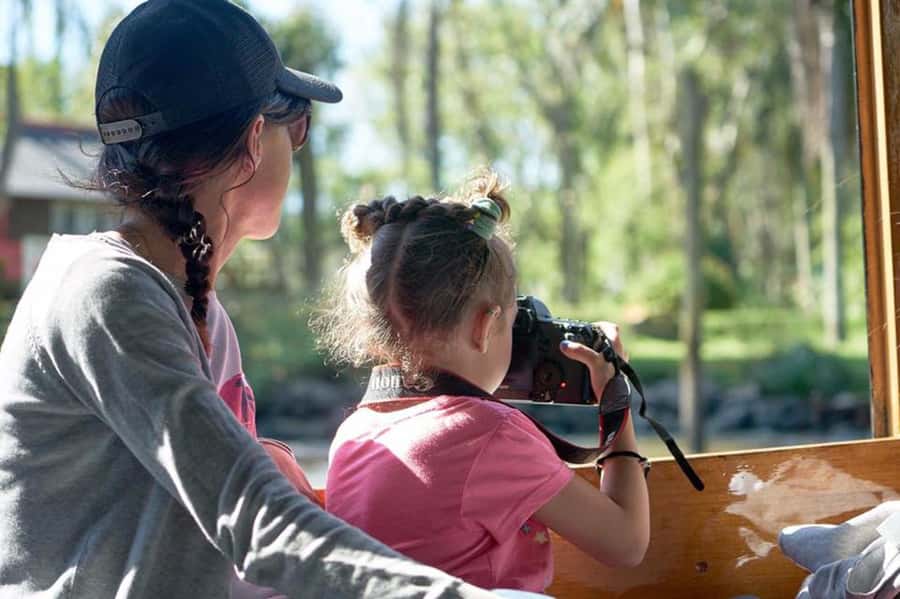
If you’re short on time but still want the feeling of the Buenos Aires Delta, this tour hits the sweet spot. You’re not just taking a boat ride—you’re moving through the Delta’s waterways while you learn what you’re seeing. The route covers multiple rivers, so the scenery keeps changing instead of repeating the same stretch.
You’ll also get a kind of “living Delta” perspective. The cruise passes areas where people have built a lifestyle around the water—homes close to the shore, and community spaces like schools and a church. That turns the trip into more than scenery. It becomes a quick introduction to how these islands function day to day.
The one trade-off: because the narration comes through a loudspeaker, the experience depends on where you choose to stand or sit. You might hear plenty clearly from one spot, but in other spots the wind and boat motion can drown it out.
You can also read our reviews of more boat tours in Tigre
Where You Start: Finding Sturla Viajes and Estación Fluvial Tigre
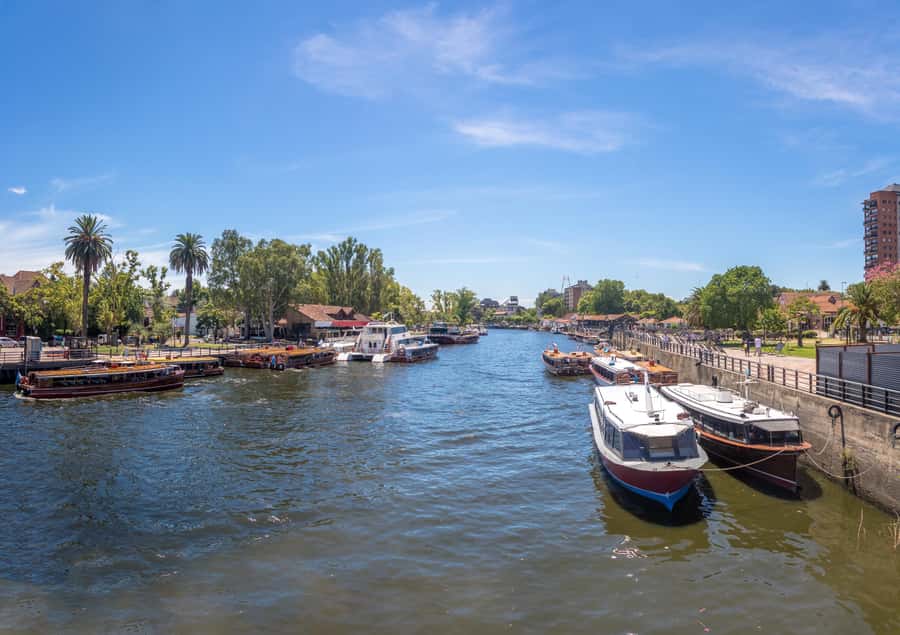
Your tour departs from the Estación Fluvial Tigre area. You board at the dock in Tigre fluvial station, and your voucher gets checked right where you line up to get on the boat. The dock is at local 10, B1648DDH, Tigre, Buenos Aires.
If anything feels confusing, look for the partner office inside the station a few meters away from the dock—this is where you can get pointed in the right direction fast. I like this setup because it’s not a scavenger hunt across the city. You’re dealing with one clear station area.
Also, plan for the fact that getting to Tigre usually takes a decent chunk of time. If you’re coming from Buenos Aires, budget extra for traffic, especially during rush hours. A simple rule: leave early enough that you arrive calmly, not at the last second with the clock yelling at you.
Boarding Basics: What You Actually Get for Around $18
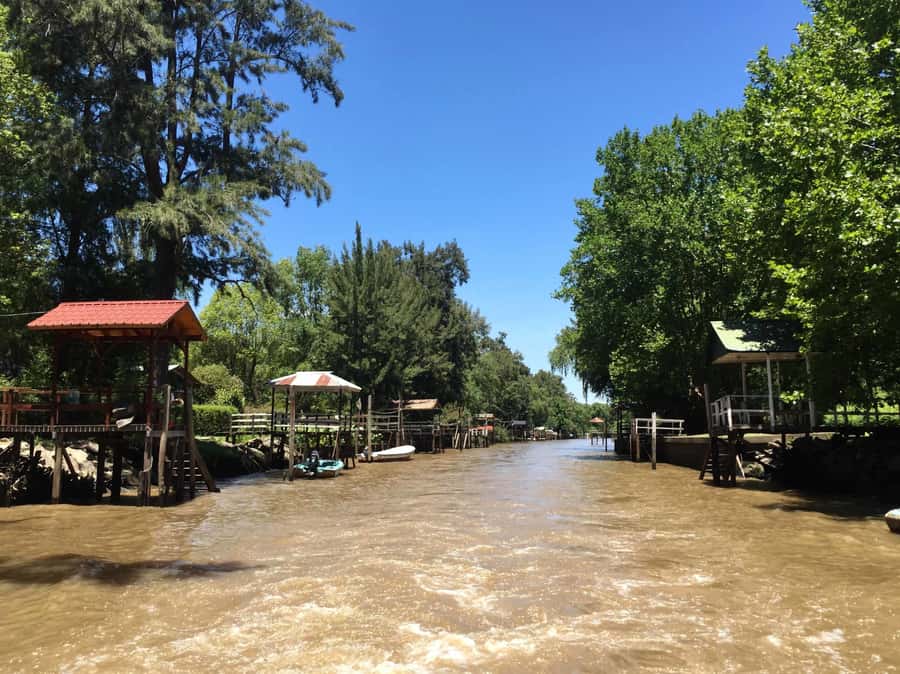
For the price point, this is one of those tours that feels built for value. You pay about $18 per person for a full hour on the water, plus an audioguide delivered through the boat system. That combination matters: you’re paying for both the ride and the context, so you’re not left guessing what you’re looking at.
Included highlights are straightforward:
- 1-hour boat tour through the Delta
- Audioguide in English, Spanish, and Portuguese
- The tour is wheelchair accessible
Not included:
- Food
- Hotel pickup and drop-off
At the station, you can also find coffee and sandwich options, so you’re not forced to bring a full picnic. If you want a snack, it’s easier to grab it before boarding rather than hoping you’ll find something once you’re out on the route.
The 1-Hour Route: Luján to Espera and What Each Stretch Adds
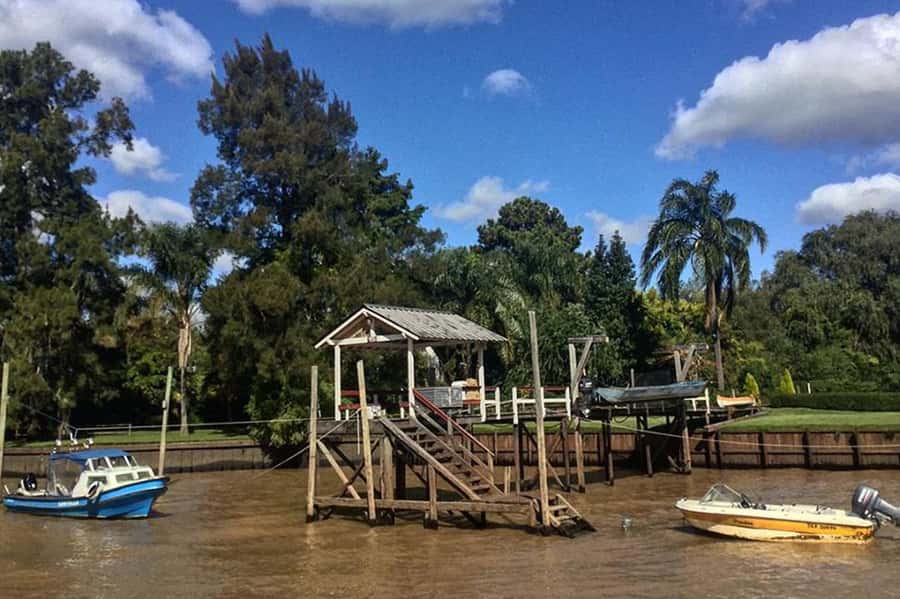
The tour is designed so that, within that single hour, you cover key waterways and get a sense of how the Delta is laid out. You’ll cruise through five rivers: Luján, Carapachay, Angostura, Sarmiento, and Espera.
Luján River: Start with the feel of the Delta
Early on, you’re getting your bearings. This is when the boat ride really sets the tone: water channels, shoreline homes, and that layered sense of routes within routes. It’s a great moment to take in the scale—how far the water seems to reach into the region.
Carapachay: Notice how life clings to the waterways
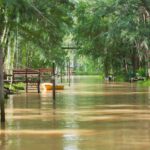
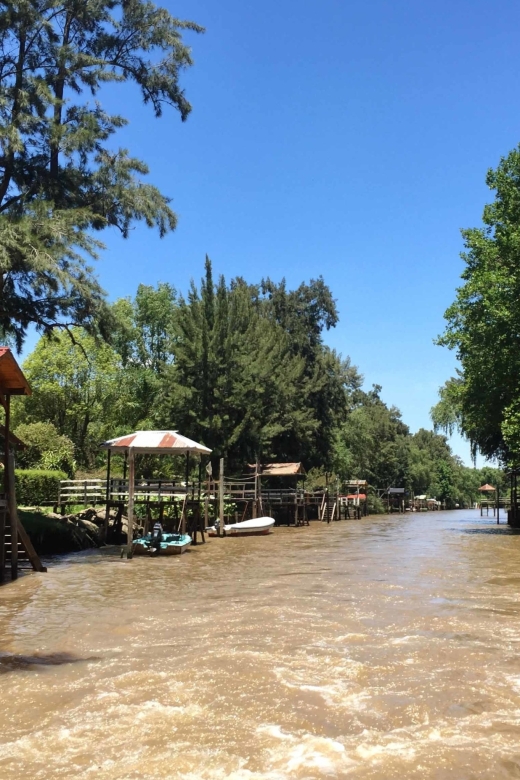
As you move through the next river, the scenery typically shifts from wider channel views to more intimate glimpses of homes and structures near the banks. This is where you start to understand why the Delta lifestyle is so tied to the water.
Angostura and Sarmiento: The scenery changes again
These sections help keep the trip from feeling repetitive. Channels feel narrower in your view, and the visual patterns along the shore can look different as you move from one river system to another. The constant element is that you’re still learning from the audioguide while the scenery keeps re-framing.
Espera and the Delta Tierra reserve: End with nature and perspective
The cruise reaches Espera, where the Delta Tierra reserve is located. Even if you don’t go on land, that final part gives you a different vibe—more focus on the natural side of the Delta and how the area is organized into waterways and protected spaces.
Audioguide on a Loudspeaker: How to Hear It Without Straining
The audioguide is part of what makes this tour more than a drive-by photo session. It’s played through a loudspeaker, covering what you’re passing and the region’s characteristics. The languages are English, Spanish, and Portuguese, so you can follow along comfortably no matter what you travel with.
Here’s the practical tip: decide your listening strategy early. If you’re on the outside deck for maximum breeze and views, you may find the narration harder to catch, especially once the boat is moving and the wind picks up. If you want the story more than the wind, sit closer to where the sound is clearer.
I’d also treat it like a show with a lot of information. You don’t need every detail, but if you catch the big ideas—how the rivers connect, why the Delta works the way it does—you’ll leave with a much better understanding of what you saw.
What You See Up Close: Houses, Schools, Churches, and the Real Delta Rhythm
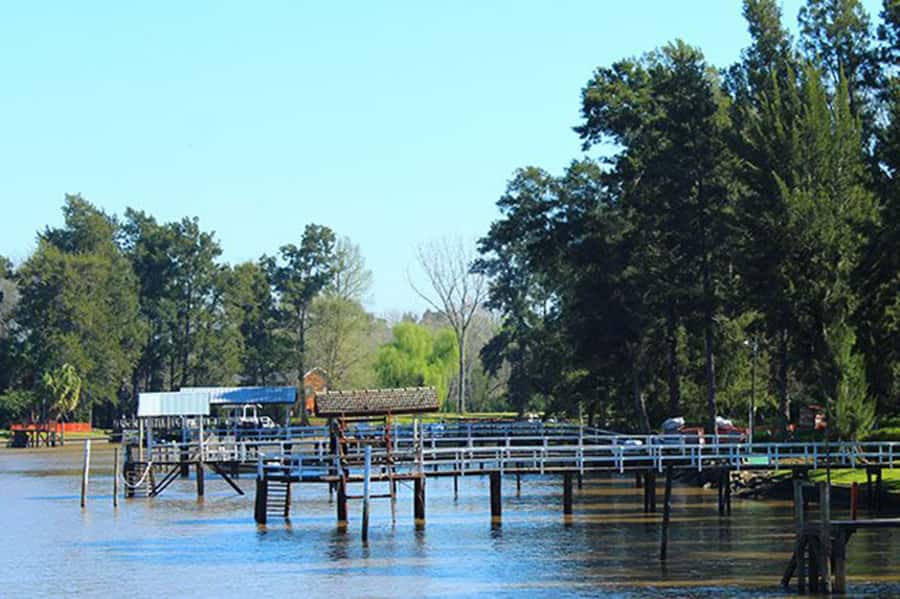
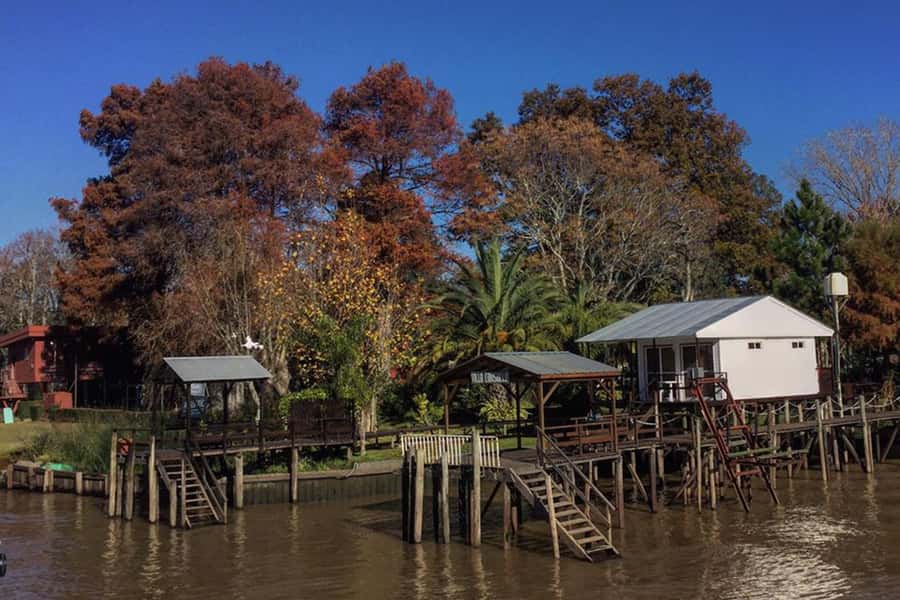
One of the strongest points of this cruise is that it’s not just greenery. You’re likely to notice community buildings along the route: houses, schools, and a church. That’s what turns the trip into an eye-opener. You’re watching how a human settlement adapts to water-based geography.
It also gives you a sharper way to compare the Delta to what you know from land cities. Here, the “streets” are waterways. Homes and daily life orbit around access by boat, which changes how you interpret distances, neighborhoods, and even the feel of everyday routine.
In terms of photos, this type of stop-and-pass viewing is great. You don’t get one dramatic landmark where you’re forced to queue. Instead, you get constant framing opportunities: water surfaces, shorelines, and the layered look of islands in motion.
Outdoor Deck Reality: Space, Weather, and Where to Stand
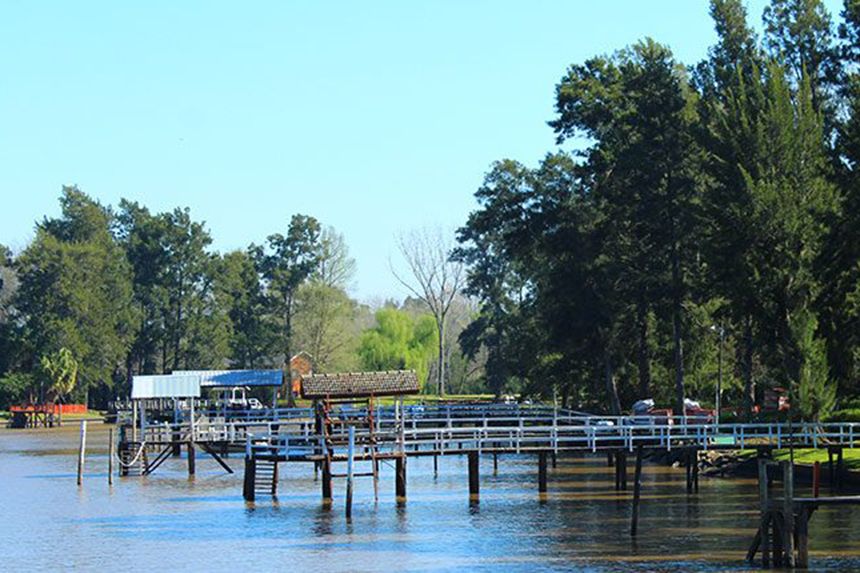
This tour is popular, and the boat setup encourages people to head to the open top areas for views. That means the deck can get busy. There often isn’t enough room for everyone to fully enjoy the best viewing spots up top, so expect some standing, some squeezing, and a few people adjusting their position mid-ride.
If you’re the type who wants fresh air and sun, you’ll probably be happiest when you plan to be flexible. Stand near an open-view angle, keep your phone or camera secure, and don’t assume you’ll have your exact preferred spot for the whole hour.
If you’re more comfortable in a calmer spot, choose seating with better sound clarity. That way you can follow the audioguide while still enjoying the views through the boat’s movement.
Tigre Day Trip Planning: Time, Traffic, and Station Convenience
Tigre is farther from Buenos Aires than many first-timers expect. People often assume it’s a quick hop, but the trip can take around an hour by taxi, and traffic can stretch that out during rush times. I strongly recommend adding a buffer to your schedule so you don’t feel rushed when you reach the station.
The good news is that the station experience is easy to manage. You don’t need hotel pickup, so you go directly to the dock area, show your voucher, and board. Once you’re at the station, there are places to buy coffee and sandwiches, which helps if you arrive hungry.
A smart approach: do a simple flow. Arrive with time to spare, grab a drink or bite, then board and relax for the hour on the river. It’s an easy day shape—no complicated transfers once you’re there.
Price and Value: Why This Cruise Makes Sense for First-Timers
At about $18, you’re paying for a time-efficient introduction to one of Argentina’s most talked-about water regions. The value comes from the combination:
- Multiple rivers on one route (so it feels like more than a loop)
- Community sights (houses, schools, church)
- A guided narrative in three languages
- Enough time to feel you did something meaningful without burning a whole day
That matters if you’re comparing it to other Buenos Aires-area day options. You’ll likely spend more time traveling than you will on the boat itself—so the tour needs to be worth that commute. With this one, you do get a lot of variety in a short window.
There’s one more practical value angle: even if you choose not to sit at the best audio spot, you still get the scenery. The experience is still enjoyable as a visual ride, and then the narration adds the explanation layer.
Practical Notes Before You Go (Small Things That Change Comfort)
Bring an ID or passport. You need it for entry.
Pets are not allowed. If you’re traveling with animals, you’ll need other arrangements.
The tour is wheelchair accessible, so it’s easier for visitors with mobility needs to plan this as a straightforward outing.
Also, food is not included. If you want something to eat, plan for station options before or after the ride.
Finally, be ready for the possibility that real timing can vary. Some people find the actual ride experience can run longer than the one-hour headline. It’s not a reason to skip the tour—it’s just a reason to keep your next plans flexible.
Who Should Book This Tigre Boat Tour?
This is a great fit if you:
- Want an easy, short outing from Buenos Aires
- Like seeing how people live, not just taking photos
- Prefer guided context without using your own phone map or audio app
- Travel with mixed interests—scenery and explanation both get covered
It might be less ideal if you:
- Need to hear narration clearly from an outside deck spot
- Have zero flexibility with time and can’t absorb minor schedule stretching
- Want food included or a longer, full-island exploration day
Should You Book This Tigre River Delta Panoramic Boat Tour?
If you’re deciding between skipping Tigre or doing something there, I’d book this. It’s one of the most time-friendly ways to understand the Delta without committing to a full day. The audioguide in English, Spanish, and Portuguese is a big part of the value, and the chance to see houses, schools, and a church gives the ride a human side, not just a view.
Book it when you want a calm, scenic hour with built-in explanations. Consider it only if sound quality matters to you—then aim for a position where you can actually hear the narration while still enjoying the breeze.
FAQ
How long is the Tigre River Delta Panoramic Boat Tour?
The tour lasts 1 hour.
Where does the boat depart from?
The boat departs from Estación Fluvial Tigre at the Tigre fluvial station.
What is the meeting point?
Present your mobile or printed voucher directly at the dock to board the boat at Estación Fluvial Tigre, local 10, B1648DDH Tigre, Buenos Aires, Argentina. If you have trouble, look for the local partner’s office inside the station a few meters away from the dock.
What languages are available for the audioguide?
The audioguide is available in English, Spanish, and Portuguese.
Is anything included besides the boat ride?
Yes. The 1-hour boat tour includes an audioguide. Skip-the-ticket-line access is also included.
Is the tour wheelchair accessible?
Yes, the tour is wheelchair accessible.
Can I bring pets on the tour?
No, pets are not allowed.