REVIEW · FOOTBALL & STADIUM TOURS
Boca tour: Tango, Soccer, Art and Immigration
Book on GetYourGuide →Operated by CULTOUR BA · Bookable on GetYourGuide
La Boca feels like a street museum. In this 150-minute tour, I like the way Juliette lays out the tango-and-immigration story in clear, interactive steps, and I like the combo of Caminito street art plus a visit to La Bombonera for the real football mood.
Do note it’s steady walking from the old port through multiple stops, so plan for aching feet and bring water; it also isn’t suitable for wheelchair users or people over 95.
Key takeaways (what’s worth your time)
- Meet Juliette in a real local hub: easy start at Viajero Hostel, then a bus ride into La Boca
- Story first, photos second: tango, soccer, and Italian immigration connect the whole route
- Caminito and street art with context: you’ll know what you’re looking at, not just what it looks like
- Conventillos stop: you get the immigration housing side of La Boca, not only the Instagram bits
- La Bombonera visit for football culture: see the stadium feel without a huge hassle
- Limited group size: the pacing stays friendly and questions are welcome
In This Review
- Meeting at Venezuela 649: How You Start This La Boca Tour
- Old Port First: Getting the Immigration Lens Right Away
- Caminito: Colorful Street Art, Murals, and Pedestrian-Only Energy
- Conventillos: The Immigration Housing Piece You’d Otherwise Miss
- Plaza República de la Boca and Football Street Art Stops
- La Bombonera Visit: Catch the Stadium Feeling (and Know What’s Extra)
- Tango and Soccer Origins: How the Guide Connects the Dots
- Price and Value for $50: What You’re Really Getting
- What to Bring, Walking Pace, and Common-Sense Safety
- Who This Tour Fits Best in La Boca
- Should You Book This La Boca Tango, Soccer, Art and Immigration Tour?
- FAQ
- Where is the meeting point for the Boca tour?
- How long is the tour?
- What is the price per person?
- What’s included in the tour?
- Is the Boca Juniors stadium entrance included?
- Do I need to buy a bus ticket?
- What languages is the live guide offered in?
- What should I bring?
- Is the tour suitable for everyone?
- Is smoking allowed during the tour?
Meeting at Venezuela 649: How You Start This La Boca Tour
This tour begins at Venezuela 649, at Viajero Hostel, and it runs on Tuesdays and Fridays at 11:00. You’re not wandering across the city hoping to find the right corner. You show up at a clear meeting spot, meet your guide, and then you take a public bus to La Boca together.
That bus ride matters more than you’d think. It helps you get your bearings fast, and it keeps the tour from turning into a chaotic day of transit. I also like that the group stays limited, so the walk doesn’t feel like herding people. If you want a guide who can actually explain things and keep the pace human, this structure helps.
One more practical note: the bus ticket is not included, so factor that into your budget. Also, entrance fees for the stadium are not included either (you’ll pay those separately). Everything else is built around a guided walk with a set route.
Old Port First: Getting the Immigration Lens Right Away
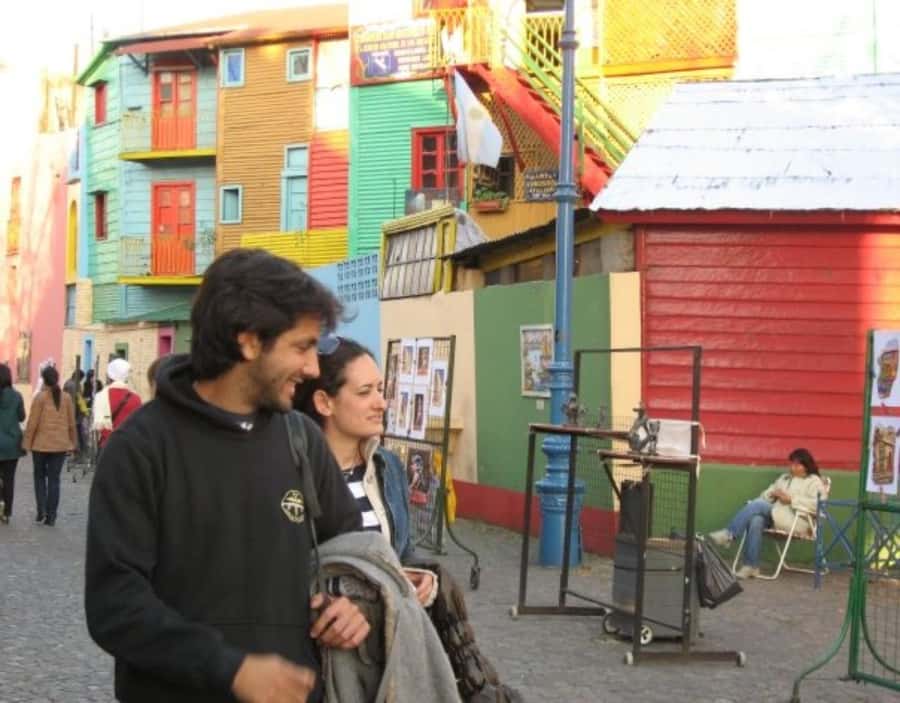
You start near the old port, and that’s a smart move. La Boca didn’t become the neighborhood it is by accident. You quickly shift from scenic street-watching to a “why this place became this place” conversation.
In this early stretch, you’ll learn about Italian immigration and how that wave mixed with local culture. The tour connects this mix to the origins of tango music and the neighborhood’s deep love for soccer. Even if you already know the basics of tango, you’ll likely appreciate the way the guide ties sound and culture to migration patterns, housing, and daily life.
There’s also a practical benefit: you’re walking at a moment when the area helps you understand what’s where. You’ll head toward the entrance area of Caminito and start seeing the neighborhood’s identity take shape around you—walls, corners, and that unmistakable La Boca style.
If you’re someone who likes to understand a place before you take photos, this order works well. If you only want scenery and don’t care about context, the early explanation time could feel like waiting. I think the stories are the point, though, and they pay off later.
You can also read our reviews of more tours and experiences in Buenos Aires.

Caminito: Colorful Street Art, Murals, and Pedestrian-Only Energy
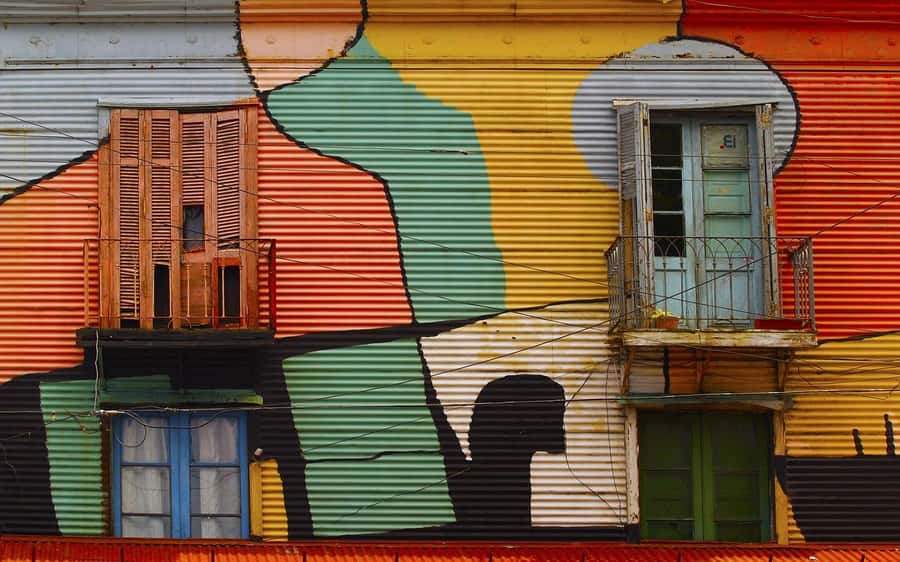
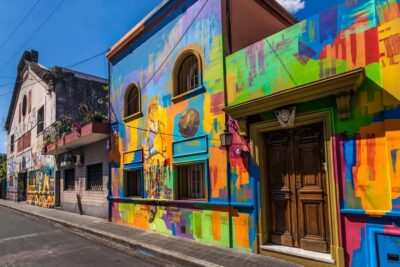
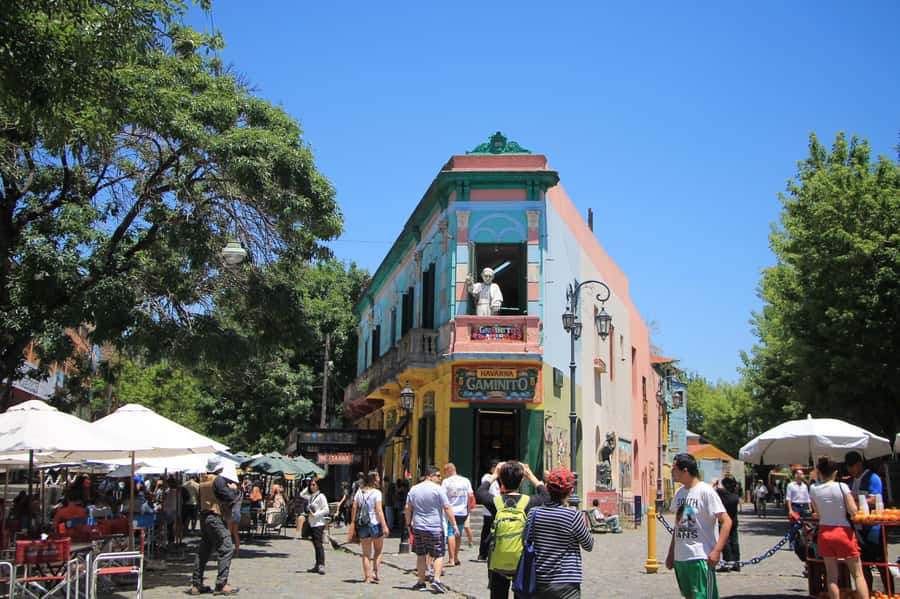
Caminito is the stop most people come for, and the tour does a good job preparing you for it. You’ll walk the pedestrian stretch and see the famous colorful facades and wall art up close. This is where the neighborhood’s visual identity becomes impossible to ignore.
What makes this part worth your time is that you’re not treating Caminito like a backdrop. You’re learning the cultural “why” behind the look. The guide connects the street’s imagery to the broader themes—immigration, everyday life, and the roots of tango that grew out of cultural mixing.
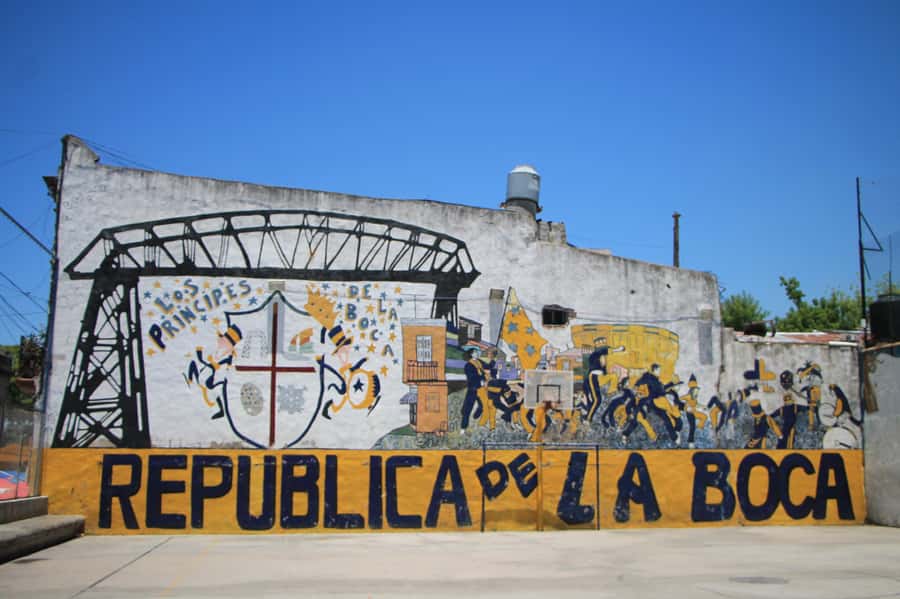
You’ll also spot more street art along the way, including football-related visuals. That link to soccer isn’t a random add-on. It’s part of the local story the guide keeps returning to: La Boca’s passion for football and how it shows up on walls.
Drawback to keep in mind: this stretch is outdoors and you’ll be walking for parts of the day. Comfortable shoes help a lot. If you have limited stamina, you may want to pace yourself and stop briefly when you need to. There’s plenty of visual detail here, so taking your time is natural.
Conventillos: The Immigration Housing Piece You’d Otherwise Miss
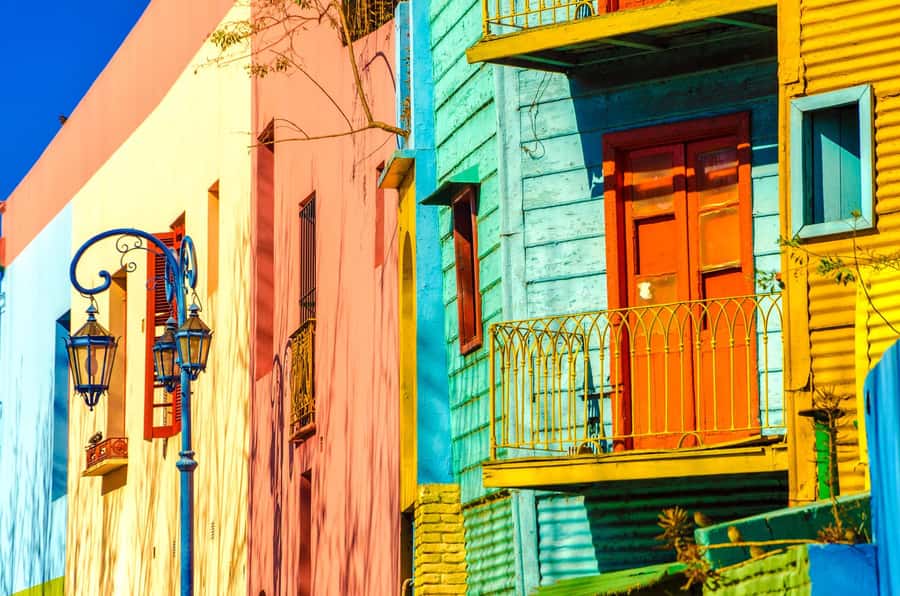
Then you get the stop that often gets skipped on quick La Boca visits: the conventillos. These were the houses where immigrants stayed, and seeing this angle changes how you view the neighborhood.
Instead of only focusing on the colorful streets, you learn how people lived when they arrived and how that shaped the community. This is the housing side of immigration—more practical than symbolic. It helps you understand why La Boca feels the way it does: dense, cultural, shared, and shaped by arrivals that kept coming.
I like that the guide brings this into the walking rhythm, right after the port-area context. It prevents the story from floating around in theory. You go from migration and mixing, to how people actually found shelter, to the street-level expression you see at Caminito.
Even if you don’t speak much Spanish, the guide’s explanations are the backbone here. Reviews highlight that the tour feels both clear and interactive, which usually means you can ask questions and get answers on the spot.
Plaza República de la Boca and Football Street Art Stops
Between the bigger “headline” moments, you pass through areas like Plaza República de la Boca and you’ll notice the neighborhood’s football signatures—graffiti and street art with strong football themes.
This part is a nice breather in the best way: it keeps the tour connected to soccer culture without turning it into a museum lecture. You’re still walking and still learning, but the visuals do some of the work for you.
I also see this as a timing win. By the time you reach the stadium, you’ve already built a mental picture of how football lives here—on the walls, in the colors, and in the way people talk about their teams. It makes the Bombonera stop hit harder.
If you’re not into football at all, you may feel like this is the section you could skim. But even then, it’s useful. It explains why soccer isn’t just a sport in La Boca. It’s identity.
La Bombonera Visit: Catch the Stadium Feeling (and Know What’s Extra)
The tour includes a visit to Boca Juniors stadium, known as La Bombonera. This is the moment where the neighborhood’s cultural energy shifts from streets to sport.
You’ll experience the heart of Argentine football culture at this legendary venue. The tour also notes skip-the-line through a separate entrance, which can save you time and keep the day from turning into a waiting game. That’s especially helpful in a popular place where lines can form.
One important budgeting detail: entrance fees to the stadium are not included. The visit still happens as part of the tour, but you should expect to pay that extra. Since those fees can change, it’s smart to check on the day with your guide so there are no surprises.
Also, this isn’t described as a long stadium tour with lots of extra stops. It’s a visit designed to deliver atmosphere and context within the 150-minute plan. If you want a deeper stadium experience, pair this with additional time on your own, especially if you’re a matchday fan.



Tango and Soccer Origins: How the Guide Connects the Dots
A lot of tours in big cities show you famous places. This one tries to explain why famous places matter. The guide covers the origins of tango and the link between cultural mixing and the neighborhood’s roots. At the same time, you learn how soccer became a major part of La Boca identity.
This is where Juliette’s approach really shows. In the small-group setup, the explanations come across as practical and grounded, and you can ask follow-up questions without the tour railroading you. One review specifically calls out how safe people felt with her, and that’s part of what makes the walking pace feel comfortable.
Here’s the value for you: when you understand the story behind the scenes, La Boca stops being just a list of photo spots. You can look at the murals and street art and say, I get what this represents. You can look at Caminito and understand how immigration history turned into neighborhood expression. And when you reach the stadium, you understand the emotional weight.
If you love tango music or you’re a football fan, this tour hits on both. If you’re just curious about how cultures blend in real life, it still works, because the focus isn’t trivia—it’s connections.
Price and Value for $50: What You’re Really Getting
The price is $50 per person for about 150 minutes. For Buenos Aires, that’s not a throwaway cost, but it also doesn’t feel overpriced given what’s included.
Here’s what you’re paying for:
- Two hours of guided walking through the La Boca core
- Visits to key stops like Caminito and the neighborhood areas tied to immigration and culture
- A local guide for a limited group
- A bus ride to get you from the meeting point to La Boca
What you’re not paying for:
- Meals and drinks
- Stadium entrance fees
- The public bus ticket
So your real “all-in” day cost depends on the stadium fee and your bus ticket. Still, the guide time is the biggest value piece. Two hours with a good local guide is where you get the context that turns streets and murals into a story.
In my view, this is a good value if you want more than surface sightseeing. If you already know the immigration history and just want photos, you could DIY it cheaper. But if you want the cultural threads tied together—tango, soccer, and migration—this price starts to make sense fast.
What to Bring, Walking Pace, and Common-Sense Safety
Bring comfortable shoes. You’ll be walking between the old port, Caminito, conventillos, and the stadium area. Bring a camera if you care about capturing murals and colorful streets. And bring water—you’ll thank yourself when you’re out in the neighborhood longer than expected.
Smoking isn’t allowed during the tour, so plan accordingly. You’ll also be outside for most of it, so dress for typical city walking comfort.
Safety-wise, I feel better when the guide sets the pace and keeps the group organized, and this tour’s reviews specifically mention feeling safe with the guide. That matters in a busy area.
One more filter: it’s not suitable for wheelchair users and it’s not suitable for people over 95. If you’re near that edge or have mobility concerns, ask directly before booking.
Who This Tour Fits Best in La Boca
This tour fits you if:
- you want guided context for La Boca, not just photos
- you care about the link between tango, soccer, and immigration
- you like smaller group pacing where you can ask questions
- you’re interested in both street culture (Caminito, murals, football graffiti) and one major landmark (La Bombonera)
It’s less ideal if:
- you want a fully sedentary experience
- you don’t want to pay extra stadium entrance fees
- you have limited stamina for steady walking
The language options are practical too: English, Spanish, Portuguese. That’s useful if your group includes different comfort levels.
Should You Book This La Boca Tango, Soccer, Art and Immigration Tour?
Book it if you want a guided walk that explains what you’re seeing, connects culture to place, and still gives you the headline moments—Caminito and La Bombonera—in one tight schedule. The limited group feel and Juliette’s clear, interactive style make it easier to enjoy without feeling rushed.
Skip or reconsider if you only want a quick photo circuit and you’d rather spend your time alone at Caminito without a set narrative. Also think twice if walking distance is a problem for you.
If you’re visiting La Boca for the first time and you’d like your day to make sense when it’s over, this is a solid choice.
FAQ
Where is the meeting point for the Boca tour?
You meet every Tuesday and Friday at 11:00 am at Venezuela 649, Viajero Hostel.
How long is the tour?
The duration is 150 minutes.
What is the price per person?
It costs $50 per person.
What’s included in the tour?
You get a 2-hour walking tour with a local guide, plus visits around La Boca including Caminito and the neighborhood areas covered on the walk.
Is the Boca Juniors stadium entrance included?
No. Entrance fees to Boca Juniors stadium are not included.
Do I need to buy a bus ticket?
Yes. The public bus ticket is not included.
What languages is the live guide offered in?
The guide is available in English, Spanish, and Portuguese.
What should I bring?
Bring comfortable shoes, a camera, and water.
Is the tour suitable for everyone?
It is not suitable for wheelchair users, and it is not suitable for people over 95.
Is smoking allowed during the tour?
No, smoking is not allowed.