REVIEW · BUENOS AIRES BIKE TOURS
Bike Tour: Buenos Aires to the North
Book on GetYourGuide →Operated by La Bicicleta Naranja · Bookable on GetYourGuide
A bike tour through Buenos Aires is a cheat code. You glide from old-school San Telmo into Puerto Madero’s modern edge, then keep rolling north to the institutions, cemeteries, and parks that make this city feel like two different places at once.
In This Review
- What I liked most: the guide and the “see it in one loop” value
- One thing to consider before you book
- Key highlights worth circling
- Buenos Aires by bike: the North route’s street-to-park rhythm
- Where the tour starts: San Telmo, or pickup nearby
- Puerto Madero first: modern port views before the city settles in
- Plaza Francia and Floralis Genérica: a photo-worthy pause with meaning
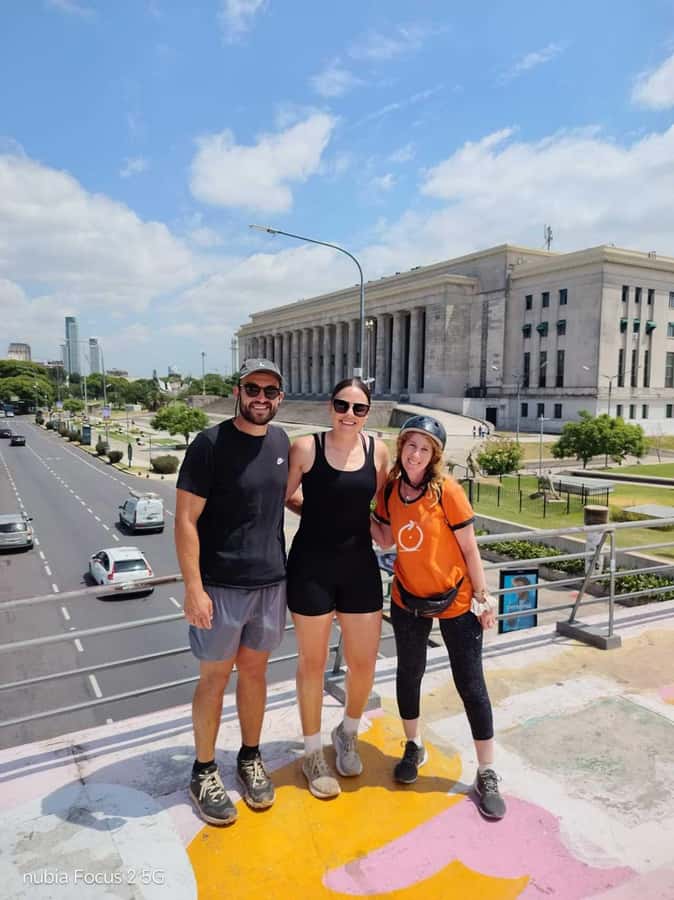
- Big institutions on two wheels: Law School, art museum, and libraries
- French touches and national art: Embassy and museum time
- The Recoleta experience: sophistication, Eva Perón, and quiet gravity
- Palermo greens and the Rosedal garden: where the ride slows down
- Ending near your comfort zone: eight drop-off areas
- Price and what you get for about $44
- Bike comfort, car traffic, and the reality of non-electric riding
- Who should book this tour (and who might want to adjust)
- Should you book Buenos Aires to the North?
- FAQ
- How long is the Buenos Aires to the North bike tour?
- What does the tour cost?
- What’s included in the price?
- Are pickup locations available?
- Is snacks included?
- Are electric bikes available?
What I liked most: the guide and the “see it in one loop” value
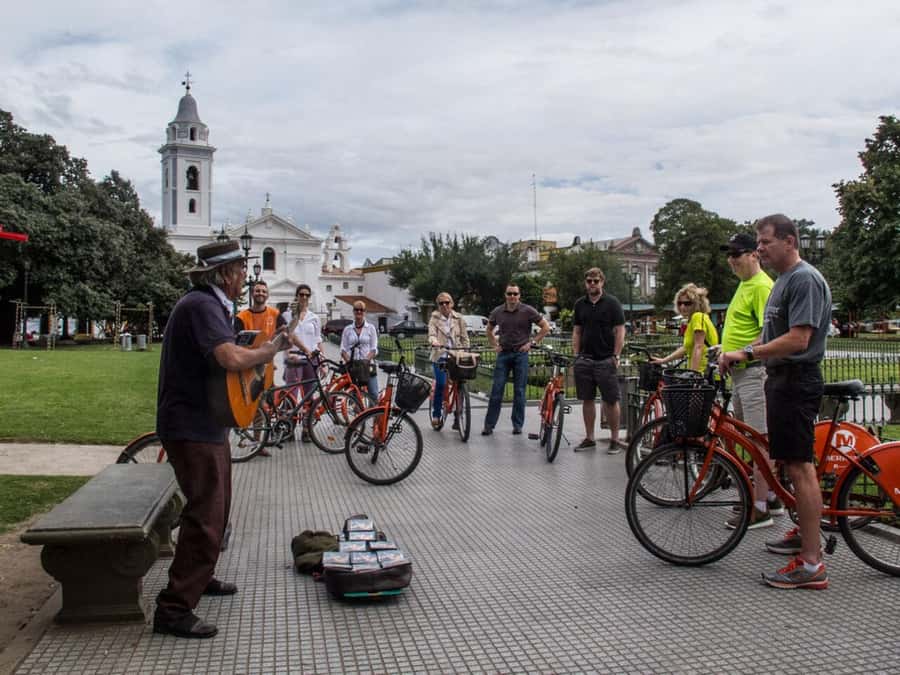
I really like the bilingual guide approach, because you’re not just moving past landmarks—you’re getting the story behind them in Spanish and English. The other big win for me is the route’s balance: you get major sights like Floralis Genérica plus quieter breaks in green space like the Rosedal area, all in about 3.5 hours.
One thing to consider before you book
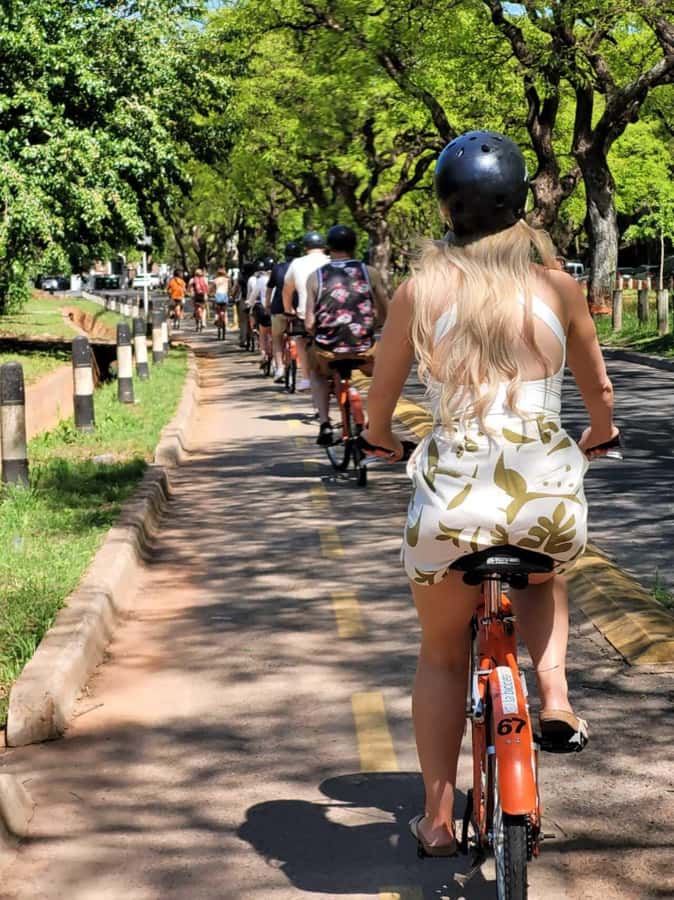
One possible snag is bike power and comfort: there are no electric bikes offered, and at least one rider flagged getting a very old bike. If you prefer an easier ride or dread car-heavy streets, plan to stay patient and focused on the stops, not just speed.
You can also read our reviews of more cycling tours in Buenos Aires
Key highlights worth circling
- San Telmo to Puerto Madero in one ride: old city texture plus a modern port feel without switching tours.
- Floralis Genérica and the grand institutions: you pass major landmarks tied to art, learning, and design.
- Recoleta + Eva Perón’s resting place: the emotional, history-heavy stop that many visitors come for.
- Rosedal’s garden time: a real pause in the ride, not just a quick photo stop.
- Palermo’s green stretches: Bosques de Palermo and Palermo Chico’s upscale residential vibe.
- Eight possible drop-off zones: you can end near several neighborhoods instead of backtracking.
Buenos Aires by bike: the North route’s street-to-park rhythm
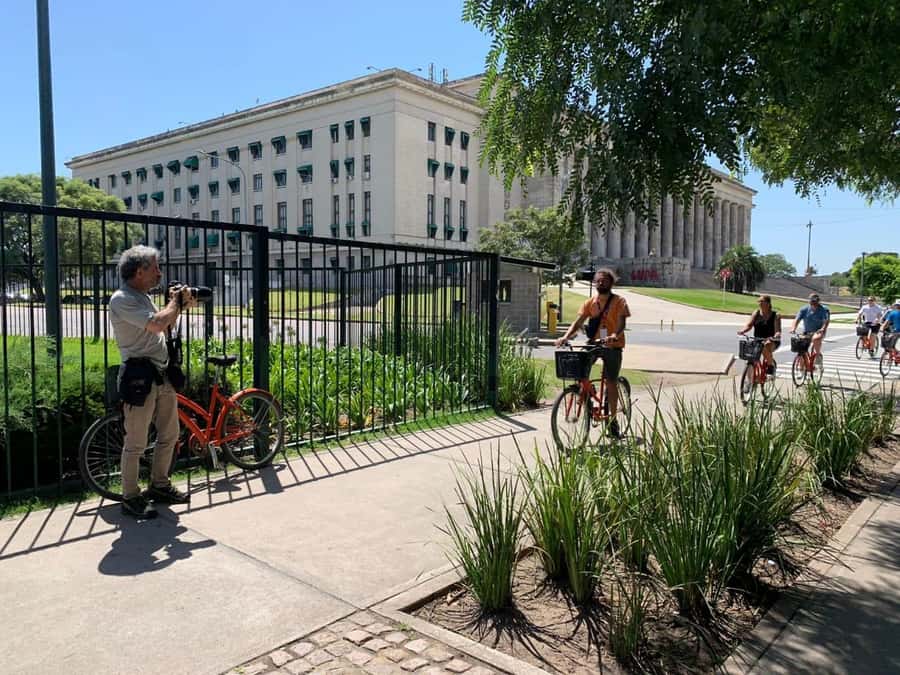
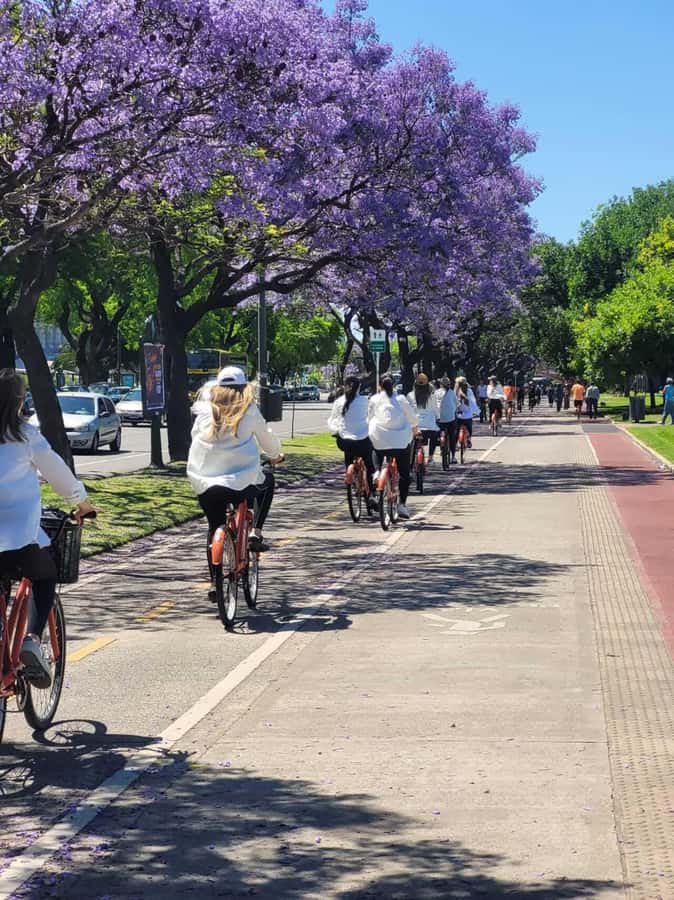
This tour works because the city changes as you move north. You start with old neighborhoods, then gradually trade tight, historic blocks for wider avenues and big civic buildings. After that, the mood softens again when you hit Palermo’s park areas—especially around Rosedal—where your ride turns from “look at buildings” to “breathe for a minute.”
The other thing you’ll feel quickly is that a guided bike tour is built for momentum. You get to cover a lot of ground without the constant stop-start of buses or taxis. And since the guide offers historical anecdotes and insider knowledge, you’re not just collecting photos—you’re building a mental map of Buenos Aires.
Where the tour starts: San Telmo, or pickup nearby
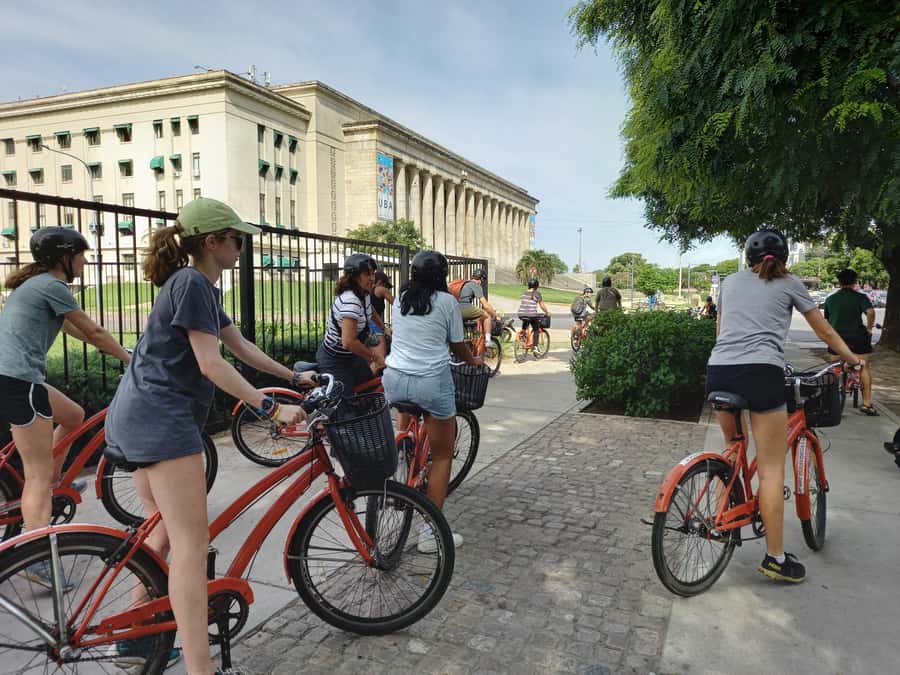
Your start depends on your option. If your hotel is in the designated pickup areas, the tour begins there. Otherwise, you’ll meet in San Telmo.
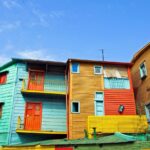
That matters because San Telmo is more than a convenient meeting point—it sets the tone. Expect a neighborhood known for its historic streets and “Buenos Aires feels old here” atmosphere. Even if you’ve only been in the city a short time, starting here helps you understand what you’re riding away from as you head north.
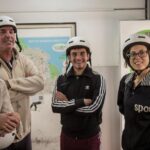
You’ll also ride with a helmet, a bike provided by the operator, and a water bottle. So you’re not hunting for basic gear before you begin.
Puerto Madero first: modern port views before the city settles in
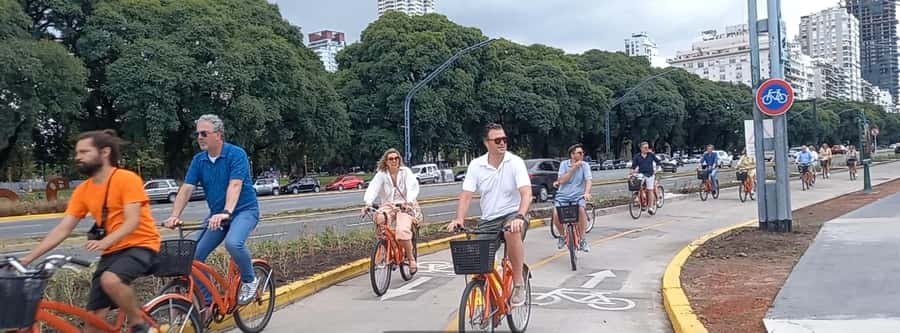
Early on, you reach Puerto Madero, the port area that people often call the city’s modern face. You spend a short stretch there—about 10 minutes—just enough time to get oriented and catch the feel of the waterfront.
Why it’s a good early stop: it gives you contrast. San Telmo shows you the older Buenos Aires identity. Puerto Madero shows the newer, sleek Buenos Aires identity. And once those two impressions are in your head, the rest of the route makes more sense.
After that, you begin working through central plazas and landmark clusters—places where a bike tour helps you move between sights without spending your day stuck in traffic.

Plaza Francia and Floralis Genérica: a photo-worthy pause with meaning
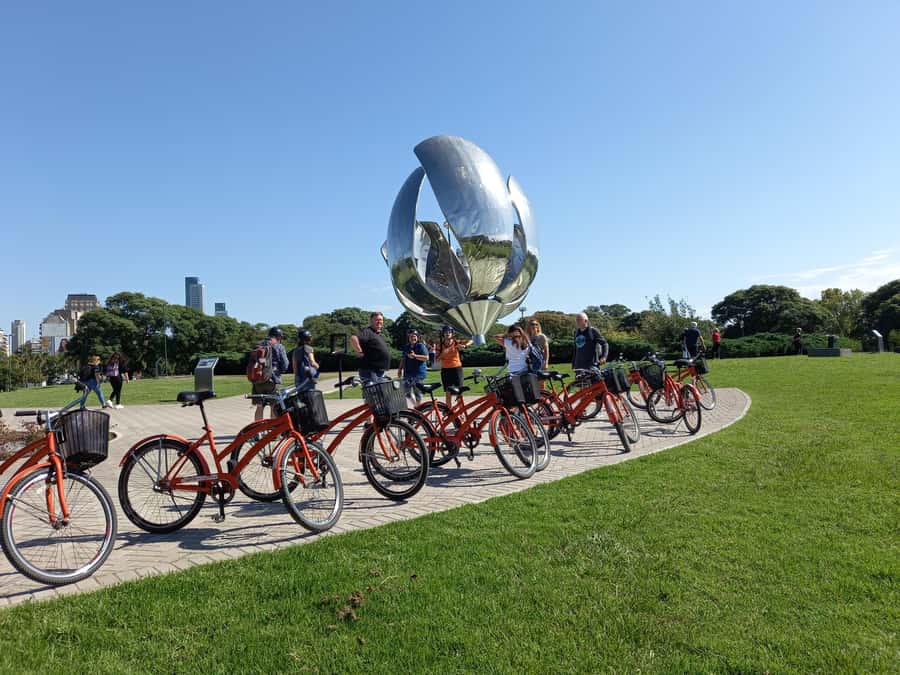
Next you roll to Plaza Francia, then toward Floralis Genérica—the tall, striking sculpture that’s impossible to miss once you’re near it. You’ll have around 10 minutes for this stop, which is just right for photos and a quick explanation from your guide.
Floralis Genérica tends to be a “wow moment,” but the guide’s job is to keep it from becoming just a pretty picture. If you pay attention to the context you get here, the sculpture turns into a pointer to how the city thinks about design, public space, and modern identity.
From there, you continue through Plaza areas and on toward bigger civic landmarks, which is where the North route starts to feel like a guided walk through Buenos Aires’ major institutions—only you’re doing it faster.
Big institutions on two wheels: Law School, art museum, and libraries
A major stretch of the tour focuses on learning, art, and national institutions—things that make Buenos Aires feel “grown up” in a different way than the neighborhoods alone.
You’ll pass by or stop to see places tied to:
- the Law School (Facultad de Derecho, UBA)
- the Embassy of France
- the Museo Nacional de Bellas Artes (National Museum of Fine Arts)
- Biblioteca Nacional (National Library)
- the Instituto Nacional Sanmartiniano
You also spend brief time near Plaza General San Martín (about 10 minutes) and have short stops at certain sites, including around 10 minutes at both the Biblioteca Nacional and Instituto Nacional Sanmartiniano.
Here’s what I like about this approach: Buenos Aires’ center can feel overwhelming if you’re trying to plan everything yourself. But on this tour, the guide connects dots—why these buildings matter, how they reflect Argentina’s priorities, and what you’re seeing when you look at the architecture.
Practical tip: since these are quick stops, you’ll get the most out of them if you do two things. First, ask a question when something grabs you. Second, use the stop time for one good walk-around, not just a single front-facing photo.
French touches and national art: Embassy and museum time
You’ll also pass the Embassy of France, Buenos Aires, and spend time at the Museo Nacional de Bellas Artes. The museum stop is part of the “institution” thread of the tour, so it’s less about an hour inside and more about seeing the setting and understanding the cultural weight.
If you’re the kind of person who likes to understand what you’re seeing before you go inside, this structure is helpful. You’ll know what to pay attention to later if you choose to return for more.
Even without a long museum visit on the ride, you still get something valuable: you see how big, formal Buenos Aires looks in person, and how the city’s culture shows up in real buildings.
The Recoleta experience: sophistication, Eva Perón, and quiet gravity
As the tour moves into Recoleta, the atmosphere shifts. Recoleta has a polished, formal feel, and it’s often where visitors go when they want history with a little elegance.
This tour highlights Recoleta Cemetery, including the final resting place of Eva Perón. That’s one of the most emotionally loaded sights on the route, so don’t rush it. Even if you’re not a deep biography person, you’ll feel the weight of why this spot draws people.
The tour also includes a pause at Pilar Church, which connects the ride to Buenos Aires’ religious history. And you’ll see the Cenotaph commemorating those who fell in the Malvinas conflict. That stop adds a different kind of understanding—history isn’t only monuments and famous figures here; it’s also remembrance.
What makes Recoleta work on a bike tour: you can approach it from multiple angles without spending hours walking between scattered points. The ride keeps you moving, but the stops keep you from losing the emotional texture of the area.
Palermo greens and the Rosedal garden: where the ride slows down
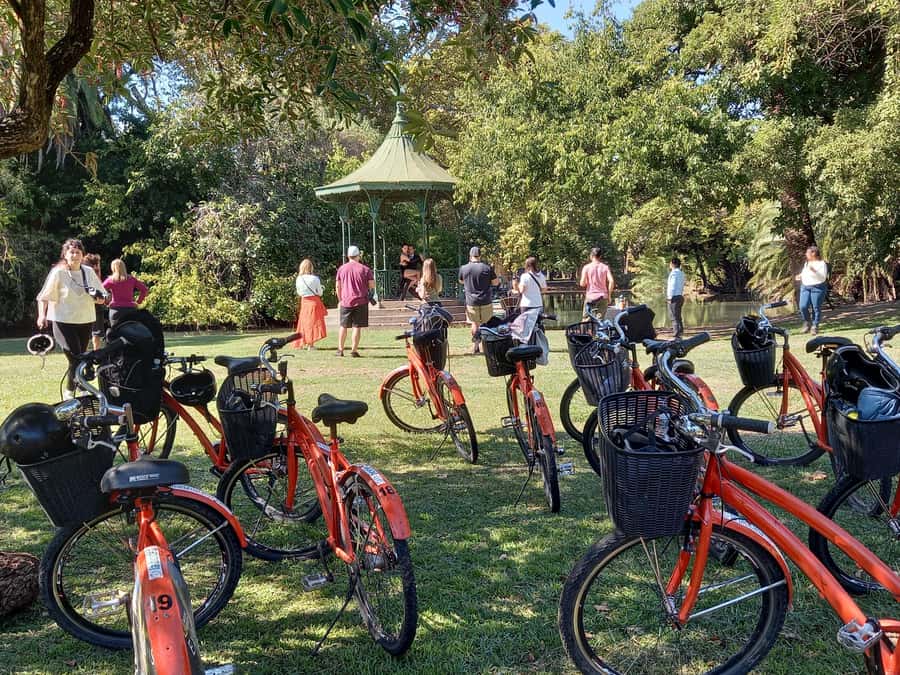
After the more formal center, the route gives you green space. You’ll head into Palermo, including Bosques de Palermo and time in the area around Paseo El Rosedal Garden.
This is where the tour feels like a reset button. You’ll have about 20 minutes for the Rosedal garden area—enough time to step away from street-level noise and just enjoy the change in pace.
Also keep an eye out for Palermo Chico, where the tour points to the architectural splendor and the feel of residential elegance. This part of Buenos Aires can surprise first-time visitors: it’s not only “big city monuments.” It’s also streets where the homes and layout show a different side of wealth and planning.
If you’re doing this tour early in your trip, Palermo can help you decide what kind of Buenos Aires you want to explore later. Want parks? Want architecture? Want neighborhoods that feel calmer than the center? Palermo gives you answers quickly.
Ending near your comfort zone: eight drop-off areas
Your return isn’t one-size-fits-all. You have eight possible drop-off locations, including San Telmo, Palermo, Dr. José Modesto Giuffra 308, Puerto Madero, Retiro, Recoleta, San Nicolás, and Monserrat.
That flexibility is practical. If you’re staying somewhere near one of those neighborhoods, you can finish the ride and keep your afternoon plans simple instead of spending time backtracking.
Price and what you get for about $44
The tour costs $44 per person, and the value comes from what’s included rather than what’s missing. You get:
- a bike
- a bilingual guide (Spanish and English)
- a helmet
- a water bottle
And the timing matters: in about 3.5 hours, you can see a lot of major “North side” targets without spending your whole day in transit.
What’s not included is snacks. That doesn’t sound dramatic, but it matters if you’re the type who needs steady energy. Build in a snack plan before or after, especially if you tend to get hungry during city walking.
For me, the big value indicator is the guide. This tour’s highest praise centers on the guide quality, and that’s exactly where bike tours either become great or just a moving slideshow. With strong guiding, the route feels like a story. Without it, it’s just a sequence of landmarks.
Bike comfort, car traffic, and the reality of non-electric riding
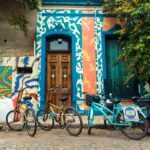
Now for the honest part: this is not an electric bike tour. One past rider specifically noted there are no electric bikes offered, and also flagged getting a bike described as very old. That combination can affect the feel of the ride, especially if you’re less confident on two wheels or if the route uses large streets with frequent cars.
What can you do with that information?
- If you care about comfort, ask about bike condition when you meet the group.
- Plan for the ride to be active enough that you’ll want your breaks to feel meaningful.
- Pay attention to the guide’s pacing. The best tours don’t force you to sprint between stops.
Also, shorter stop times (like the 10-minute windows at several sites) help keep the tour moving. If you find your legs are tiring, focus on asking the guide questions during stops instead of trying to maximize sightseeing by yourself.
Who should book this tour (and who might want to adjust)
This is a strong pick if:
- you want a guided overview of Buenos Aires north of the historic core
- you like seeing major landmarks but also appreciate when the guide explains why they matter
- you want parks in the same outing as institutions and cemeteries
- you prefer covering distance on two wheels rather than doing it all by foot
You might think twice if:
- you strongly prefer electric bikes or you want an easier ride with less effort
- you’re sensitive to cycling alongside car traffic on busy avenues
- you’re hoping for long, slow museum time rather than a “see it, learn it, move on” format
This tour feels built for travelers who want their first Buenos Aires framework quickly, and who enjoy having a guide turn architecture and history into understandable street-level context.
Should you book Buenos Aires to the North?
I’d book it if you want an organized way to connect the dots between San Telmo’s beginnings, Puerto Madero’s modern edge, the institution cluster of central landmarks, and the emotional weight of Recoleta and Eva Perón’s resting place, then finish in the calmer green atmosphere of Palermo and Rosedal.
Just go in with the right expectations about the bikes: there are no electric options, and bike condition can matter to comfort. If that’s a concern, I’d check the bike when you arrive and plan to lean into the guiding and the stops rather than treating it like a casual cruise.
If you want a city overview that’s active, story-driven, and efficient, this one is an easy yes.
FAQ
How long is the Buenos Aires to the North bike tour?
The tour lasts about 3.5 hours.
What does the tour cost?
The price is $44 per person.
What’s included in the price?
Your bike, bilingual guides (Spanish-English), a helmet, and a water bottle are included.
Are pickup locations available?
Pickup is optional if your hotel is located within the designated areas. Otherwise, the meeting point is in San Telmo.
Is snacks included?
No, snacks are not included.
Are electric bikes available?
Electric bikes are not offered.