REVIEW · BUENOS AIRES
Buenos Aires: Intimate Tango Experience
Book on GetYourGuide →Operated by Baires Experience · Bookable on GetYourGuide
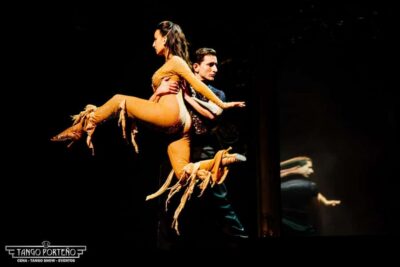
Tango can be taught like a conversation. In Buenos Aires Province, this 90-minute private experience mixes classical and modern tango fundamentals with time in intimate milongas and tango parlors, led by an exclusive tango professor in an excellent dance hall.
What I like most is how it treats tango as a real relationship between partners, not just a list of steps. You get focused coaching, plus the atmosphere of Buenos Aires tango culture without feeling lost in a crowd.
I love the way the class looks at both masculine and feminine roles, and how it frames them as equal and complementary. I also like that you control the learning pace: you can start from the basics or push further if you already know a bit.
That flexibility is a big deal when you’re paying for 90 minutes and don’t want the session to waste your time.
One consideration: the session has a 20-min wait for late arrivals, and if you miss that window you won’t be eligible for a refund or reschedule.
So, build in buffer time and treat arrival as part of the experience.
In This Review
- Key highlights worth noting
- Tango lesson plus milonga time: what the 90 minutes really cover
- Masculine and feminine roles in tango, explained in plain terms
- Learning at your pace: from true beginner to quick improvement
- Where you practice matters: milongas and tango parlors in Buenos Aires
- Instructors and language: what a good teacher changes
- Price and value: is $62 per person worth it
- Logistics that affect your night: meeting point and timing
- Who should book this intimate tango experience
- Tips to get the most out of your tango night
- Should you book it
- FAQ
- How long is the experience?
- How much does it cost?
- Is this good if I have never danced tango before?
- Can I choose to learn from the basics or work on my skills?
- What languages are used during the class?
- What happens if I arrive late?
- Is food or drinks included?
Key highlights worth noting
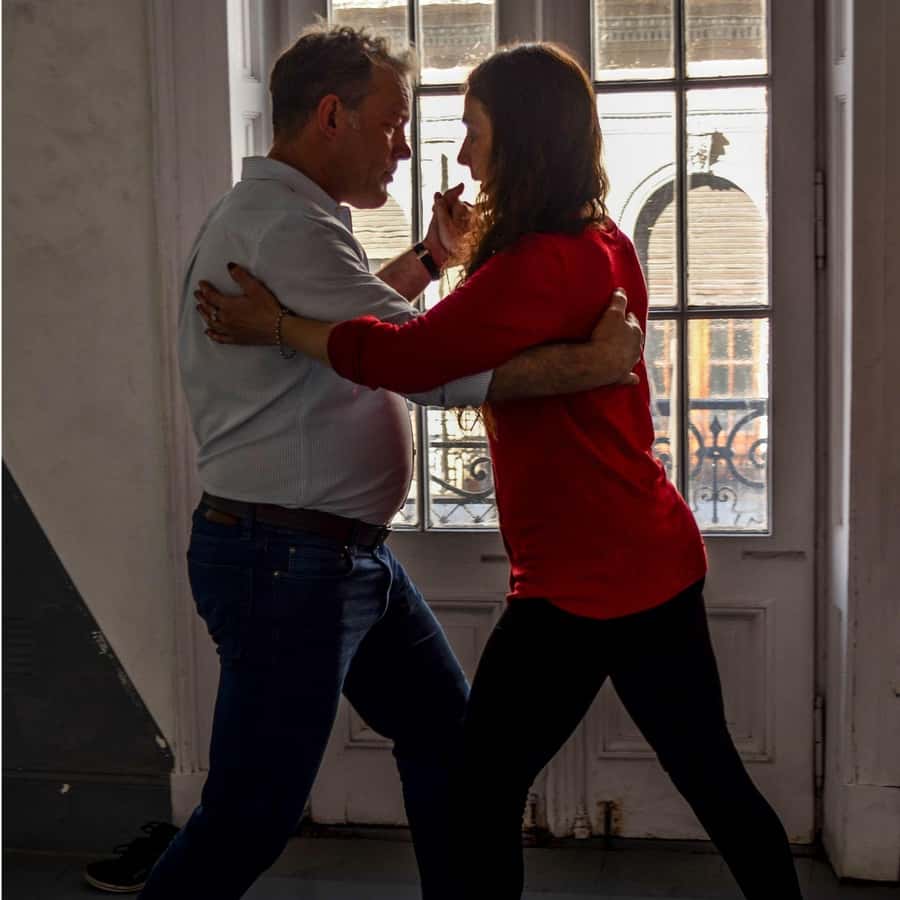
- Explore both roles: masculine and feminine technique, presented as equal and complementary
- Pick your pace: start with main steps or work on improving your dancing
- Learn the philosophy: tango as technique plus mindset, not just movement
- Practice where tango happens: guided time in local milongas and tango parlors
- Small, private format: an exclusive professor makes it easier to ask questions
- Languages covered: Spanish, Portuguese, and English instruction
Tango lesson plus milonga time: what the 90 minutes really cover
This is not the type of tango class where you spend the whole evening in a studio repeating the same two moves. The structure is built around fundamentals first, then applying them in the social world of Argentine tango. That combination is exactly what makes tango click for many people.
You’ll start with tango basics and core techniques, shaped by both classical and modern styles. The teaching is designed to help you understand what to do, but also why it’s done that way. That philosophy part matters because tango isn’t just about rhythm. It’s about leading and following with intention, and keeping your partner comfortable in the embrace.
Then comes the practical shift: local, intimate milongas and tango parlors. Even if you’re brand-new, this lets you experience tango as a living culture rather than a performance you watch from the side. And if you already dance, you get a chance to adjust your technique based on what you feel in a real social setting.
You can also read our reviews of more tours and experiences in Buenos Aires.



Masculine and feminine roles in tango, explained in plain terms
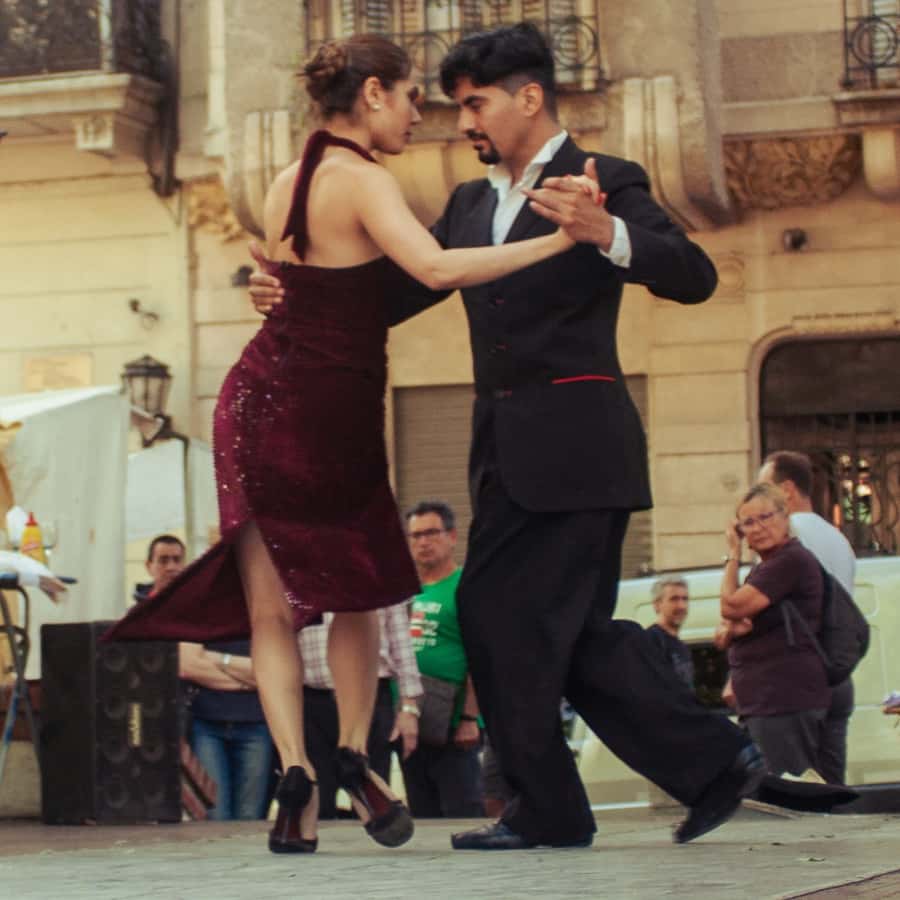
A lot of tango instruction focuses heavily on a single “lead” viewpoint. Here, you’ll get instruction that specifically addresses both masculine and feminine roles. The big value is not just learning different steps, but learning different responsibilities—how each role travels through the music, how each role holds the partner, and how each role contributes to the shared flow.
The experience also frames these roles as equal and complementary in more recent tango teaching. That’s important for you if you’ve felt stuck in rigid gender rules while learning other partner dances. In this session, you’re not being forced into one identity to get started. You’re learning tango’s logic: connection, balance, and mutual communication.
In practical terms, this approach helps you avoid a common beginner mistake. People often memorize lead cues (or follow habits) without understanding partner dynamics. By covering both roles, you’ll build a wider toolkit. Even if you mostly dance one role, you’ll understand what your partner is trying to do.
Learning at your pace: from true beginner to quick improvement
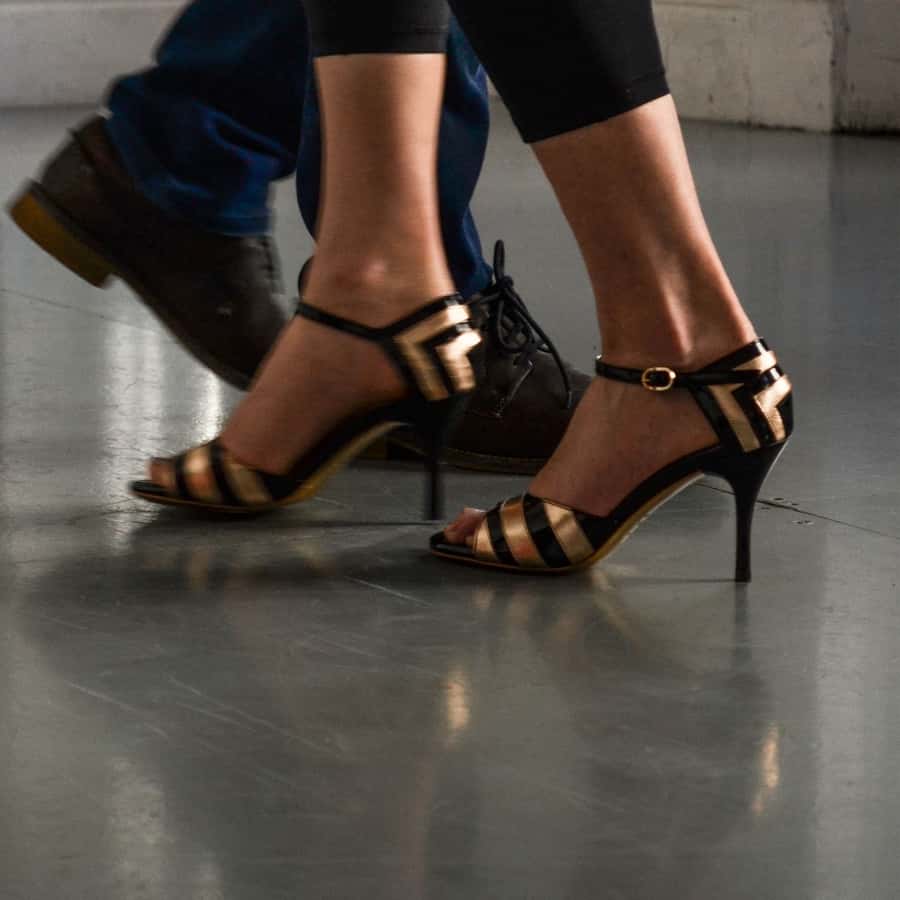
The experience is intentionally flexible. You decide how you start, and the instructor can adapt the session accordingly. That means you can show up as a beginner and still leave with real confidence about the fundamentals. It also means you won’t get stuck in a slow, repetitive warm-up if you already know some basics.
If you’re starting from scratch, you should expect attention to the fundamentals and main steps. The goal is to help you understand tango technique in a way you can actually use while dancing with someone else. Since the session is private, you can ask questions without feeling like you’re slowing down a big class.
If you’re not a full beginner, you’ll likely benefit from focused feedback on your movement quality and partner connection. The course is built to go beyond just memorizing steps. You’re there to improve technique, and the milonga practice helps you see how those adjustments feel in the real tango environment.
A small note that’s worth your attention: because the group is private, the instructor can respond to you faster. That often leads to better learning per minute. In a 90-minute tango lesson, that’s the difference between leaving inspired and leaving frustrated.
Where you practice matters: milongas and tango parlors in Buenos Aires
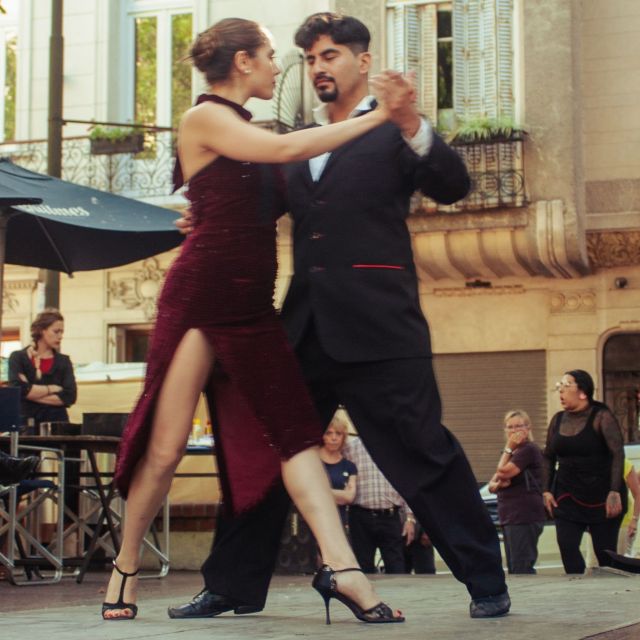
The highlight here is the chance to join local milongas and tango parlors. These are places where tango becomes social communication. You’re not just practicing movement; you’re practicing coexistence with the room—watching patterns, adjusting spacing, and learning how people behave when they dance.
This matters because tango technique looks different when you’re surrounded by other dancers. Even if you think you understand the steps, your timing, posture, and connection can change once you’re in the actual flow of a social dance space. That’s where guided practice helps: you’re not thrown in alone, and you’re not learning by trial and error for hours.
For you, this is the value of a class that moves into tango culture. A textbook lesson teaches theory. A social practice teaches reality. Tango in Buenos Aires is all about that in-between moment where you stop thinking and start listening. This experience is designed to get you there.
The team also emphasizes “local, intimate” spaces. That’s a practical plus. Smaller rooms can make it easier to feel comfortable, especially if you’re new. You’re more likely to get the chance to interact, rather than feeling like you’re one of many people watching from the edges.
Instructors and language: what a good teacher changes
Instruction languages include Spanish, Portuguese, and English. That’s a real benefit if you don’t speak Spanish fluently. Tango has lots of body-language nuance, and being able to understand cues in your own language improves learning fast.
You may also work with instructors who have been singled out for the kind of teaching that keeps people at ease. Christian has been described as a true master and a very good teacher, with plenty of fun built in. Belen has also been highlighted for being an amazing teacher—making students laugh and feel comfortable. Cristian was noted as attentive and patient, especially for a first tango experience.
Even without repeating any one teaching style, those notes point to the same core strength: instructors who adapt. In a private format, adaptation is huge. You want a teacher who can explain the same idea in different ways until your body understands it.
If you’re the kind of person who gets nervous trying to dance with strangers, this matters. A calm, patient instructor can turn tango from intimidating to doable.




Price and value: is $62 per person worth it
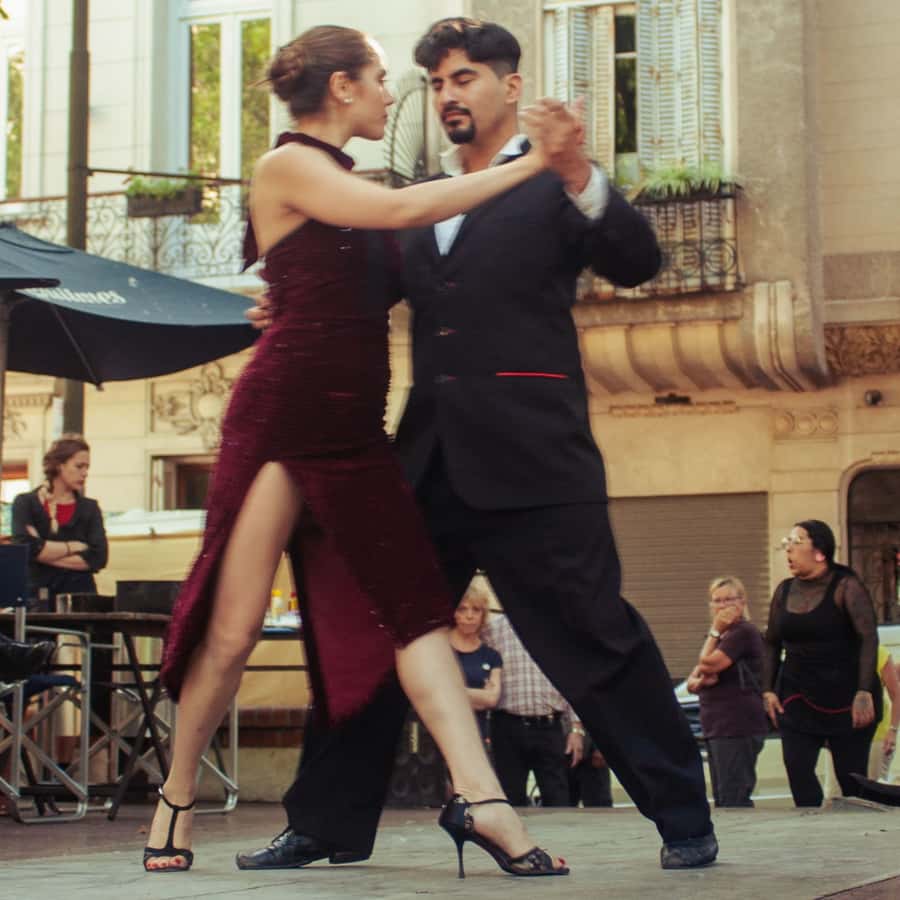
At $62 per person for 90 minutes, this sits in the “reasonable and focused” category for Buenos Aires tango experiences. What makes it feel worth the price is that you’re not paying only for a basic lesson. You’re paying for a private session plus time in local milongas and tango parlors, with an excellent dance hall included and an exclusive professor.
If you tried to recreate this on your own, you’d usually lose time coordinating: where to go, what to do when you arrive, how to get comfortable quickly, and how to get feedback while you’re learning. Here, those pieces are handled for you.
Also, the session is private, which means you can ask specific questions. In partner dancing, that can be more valuable than attending a larger group class where you rarely get direct corrections.
So the real value question isn’t just the price. It’s what you gain per minute: understanding, technique feedback, and a chance to dance in the atmosphere tango is built for.
Logistics that affect your night: meeting point and timing
The meeting point may change because of the availability of the dance room. That’s not unusual in a tango setting, but it means you should confirm the exact address with Experience Baires before you go. Plan to message them ahead of time, especially if you’re arriving from elsewhere in Buenos Aires.
Pick-up and drop-off are not included, so you’ll want to handle getting there yourself. Build in extra time. Tango sessions move at their own rhythm, and being rushed makes it harder to absorb instruction and warm up your body properly.
Late arrival is the one time-related constraint you should treat seriously. There’s a 20-minute wait for guests after the start time. After that, late arrival means no refund and no reschedule. It’s a short session, so the schedule matters.
Who should book this intimate tango experience
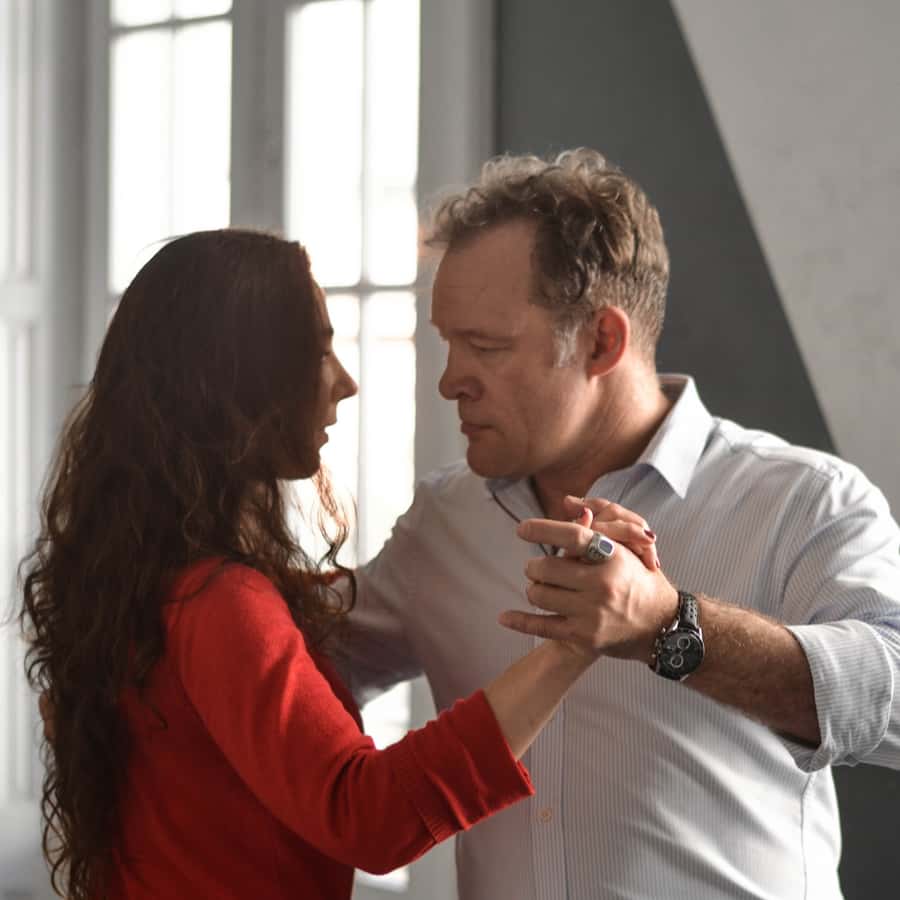
This is a great match if you want tango that feels personal and practical. You’ll like it if you care about learning technique with real guidance, and you want to practice in the places where tango culture actually lives.
It’s also a strong choice for:
- First-timers who want a supportive introduction and don’t want to feel overwhelmed
- People who already know some tango and want better fundamentals or partner dynamics
- Solo dancers who want to learn roles and feel more comfortable walking into milonga life
- Anyone who enjoys the idea of tango as both sensual dance and clear communication between partners
It may be less ideal if you’re looking for a long, sightseeing-heavy evening or a purely performance-based show. This experience is about learning and dancing in an intimate setting, not sightseeing.
Tips to get the most out of your tango night
You’ll get more out of the class if you come with a short game plan. Think about where you are in your tango learning:
- If you’re brand-new, tell the instructor you want the basics and main steps first
- If you’ve danced before, ask for targeted improvement based on what you already struggle with
- If you want to learn both roles, say so upfront so the lesson can match your goals
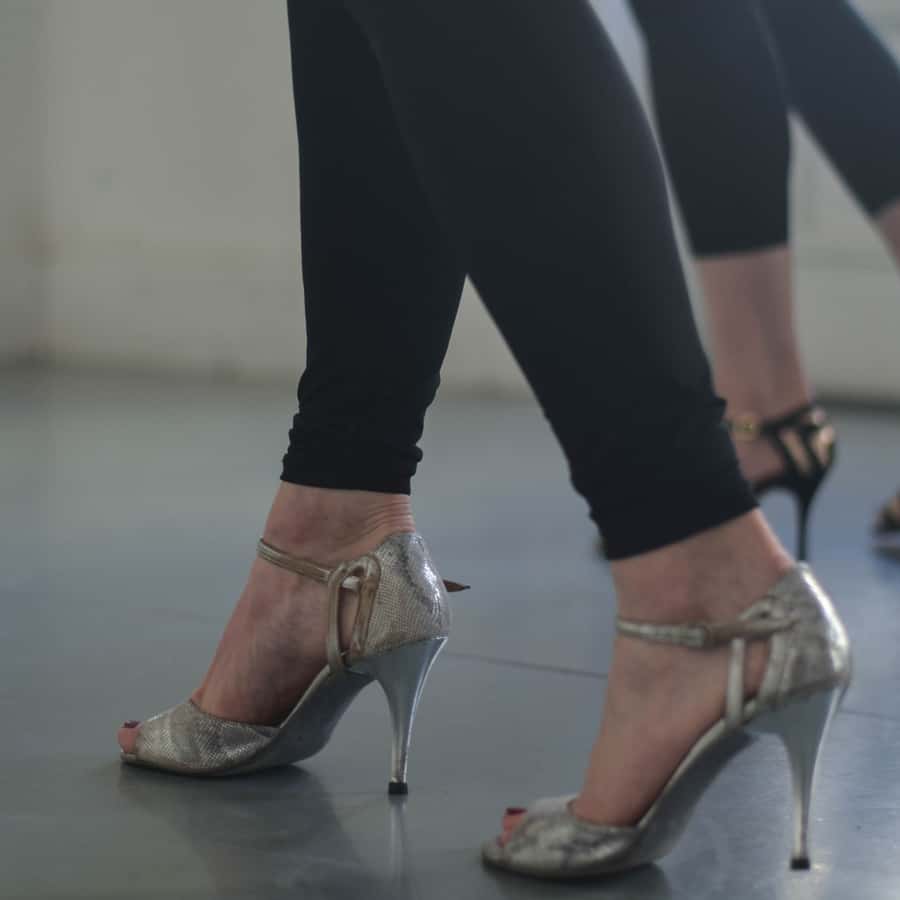
Wear comfortable dance-friendly shoes. Tango is about footwork and balance, so you want something that feels stable for turns and stops. Also, keep your clothing flexible enough for movement and the embrace.
Finally, treat the milonga/parlor portion like part of class, not an afterthought. Your body will learn faster once you pay attention to how the social room changes your rhythm and connection.
Should you book it
Yes, you should book this if you want tango learning that’s guided, adaptable, and grounded in real milonga culture. The standout strengths are the private format, the focus on both masculine and feminine roles, and the way the experience connects fundamentals to practice in local spaces.
At $62 for 90 minutes, it’s also a sensible value because you’re not only getting instruction—you’re getting the atmosphere and application that makes tango stick. Just be ready to confirm the meeting point and arrive on time so you don’t run into the strict late-arrival window.
FAQ
How long is the experience?
The experience lasts 90 minutes.
How much does it cost?
The price is $62 per person.
Is this good if I have never danced tango before?
Yes. You can start from the basics, and all kinds of people are welcome with or without prior tango experience.
Can I choose to learn from the basics or work on my skills?
Yes. You decide the learning pace, and you can start with main steps or go beyond and improve your dancing skills.
What languages are used during the class?
The instructor speaks Spanish, Portuguese, and English.
What happens if I arrive late?
There is a 20-minute wait after the start time. Late arrival means no refund and no reschedule.
Is food or drinks included?
No. Food and drinks are not included.