REVIEW · BUENOS AIRES BIKE TOURS
Bike Tour: Buenos Aires to the North
Book on GetYourGuide →Operated by La Bicicleta Naranja · Bookable on GetYourGuide
A bike tour that stitches Buenos Aires together fast. I like the small group feel and the easy pace with e-bikes, plus guides such as Chan and Nan who keep things friendly and on-the-mark. You’ll ride from San Telmo toward Puerto Madero, then north through the city’s big-name sights and quieter corners.
I also love how the route pairs real landmarks with real stories. The Law School (Facultad de Derecho, UBA) and Floralis Genérica make great photo stops, but the commentary is what makes them click, especially when you reach Eva Perón’s final resting place in Recoleta Cemetery.
One consideration: there are no snacks included, so on a hot day you’ll want to plan your own quick bite or buy something nearby during breaks. Bring your hat and sunscreen, because Buenos Aires sun doesn’t take breaks just because you’re learning.
In This Review
- Key highlights worth your attention
- Meeting at La Bicicleta Naranja: San Telmo to Puerto Madero start clean and simple
- Puerto Madero and Plaza Francia: modern port energy, quick landmark hits
- Faced-paced landmark riding: Facultad de Derecho, Embassy area, and Floralis Genérica
- Recoleta’s sophisticated streets: Eva Perón, the cemetery experience, and a solemn stop for Malvinas
- Palermo and Rosedal Garden: green spaces, park pacing, and neighborhoods you can actually feel
- National landmarks on two wheels: Biblioteca Nacional and Bellas Artes
- How the ride feels: e-bikes, safety, and a guide you can actually talk to
- Bilingual guides who connect the dots (and who keep it fun)
- Price and value: $48 for a 210-minute northbound highlights route
- Who should book the Buenos Aires to the North bike tour
- Should you book? My take on Tour Norte
- FAQ
- Where is the meeting point?
- How long is the bike tour?
- Are e-bikes included?
- What’s included in the price?
- Are snacks included?
- Is the tour small group?
- What languages are the guides?
- What should I bring?
- Can I cancel for a refund?
- What’s the best way to think about the route?
Key highlights worth your attention
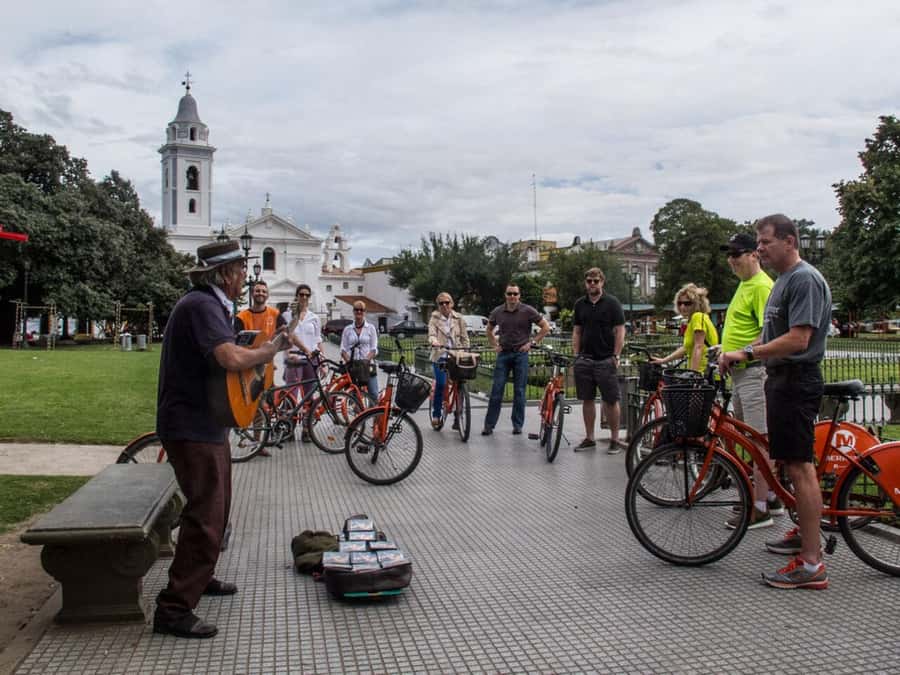
- Up to 6 people means you get personal guidance and an easier time asking questions.
- E-bikes + helmets + water bottle keep the ride comfortable for mixed fitness levels.
- Recoleta Cemetery and Eva Perón are handled with a respectful pace and clear context.
- Palermo + Bosques de Palermo + Rosedal turn the tour into a nice mix of culture and green space.
- Bilingual guides (Spanish–English), including standouts like Chan, Nan, Flore, Ikki, and Barbie, who focus on safety and clarity.
- A strong north-south storyline: waterfront modernity, formal academic landmarks, then parks and elegant neighborhoods.
Meeting at La Bicicleta Naranja: San Telmo to Puerto Madero start clean and simple
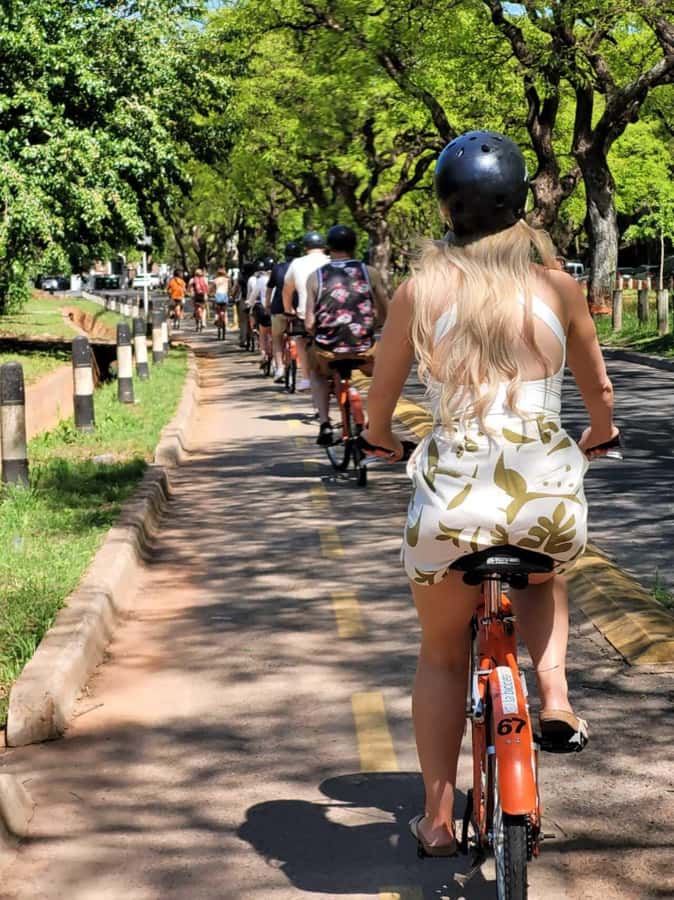
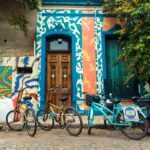
Most good city bike tours do two things well: start on time and get you oriented fast. This one begins at Dr. José Modesto Giuffra 370, in San Telmo, at La Bicicleta Naranja. You’ll have your helmet, you’ll get a water bottle, and you’ll be set up on an e-bike, which is a big deal in a city where distances can surprise you.
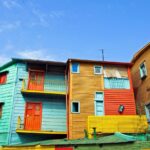
San Telmo is the kind of neighborhood where you can feel the old Buenos Aires in the streets right away, even before you hit the famous sights. From the start, the tour builds a route you can follow later on your own, because it moves you from historic texture to modern skyline.
The first headliners come quickly: Puerto Madero hits early, and it’s a good place to get your legs under you. You get that waterfront “new Buenos Aires” feeling without needing a long warm-up ride.
Why it works for you: you’re not stuck pedaling in traffic right away. The tour’s early rhythm helps you settle in, ask questions, and get comfortable with the e-bike style of riding.
You can also read our reviews of more cycling tours in Buenos Aires
Puerto Madero and Plaza Francia: modern port energy, quick landmark hits
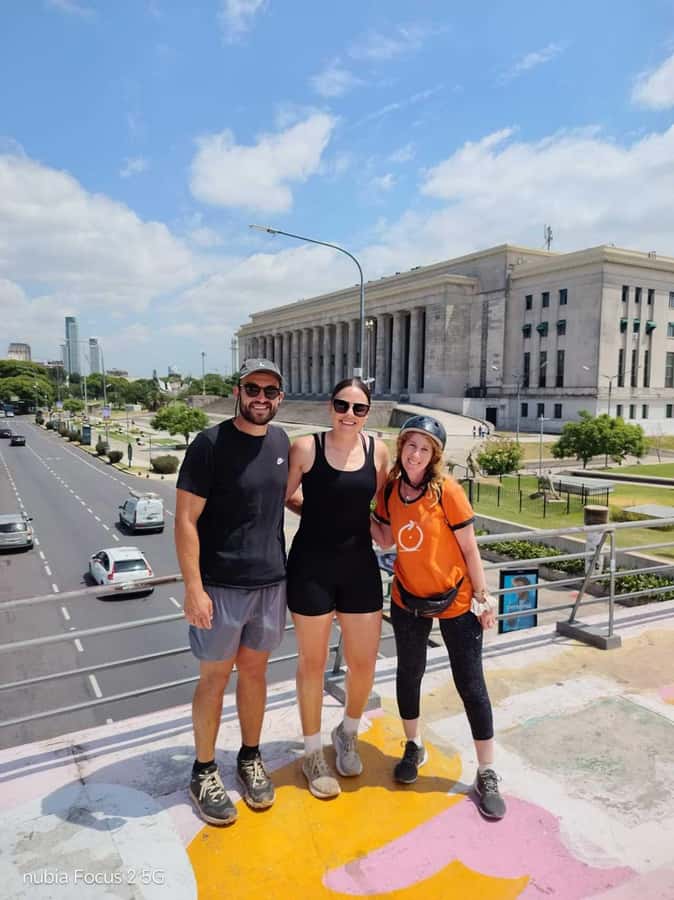
Puerto Madero is one of those places where Buenos Aires shows off. Think sleek waterfront views, clean lines, and a very modern mood compared to the older barrios you’ll pass later. The tour includes a short bike segment there (about 10 minutes), which is perfect for a quick orientation and a few photos that look good even if you’re still getting your bearings.
Then you roll to the plazas area, with Plaza Francia and Plaza General San Martín on the route. These stops help you transition from the port vibe into the more ceremonial, monument-and-institution side of the city. Plaza General San Martín also gets a short time on the bike (about 10 minutes), so it’s more of a “see it, notice details, keep moving” moment than a long pause.
Potential drawback: if you’re the type who wants to linger for a full museum visit at each stop, you might wish there were longer break times. This tour favors movement and storytelling over long stays.
My practical tip: in Puerto Madero and plazas, check the wind. When it’s breezy, you’ll feel it more along open waterfront spaces and wide squares.
Faced-paced landmark riding: Facultad de Derecho, Embassy area, and Floralis Genérica
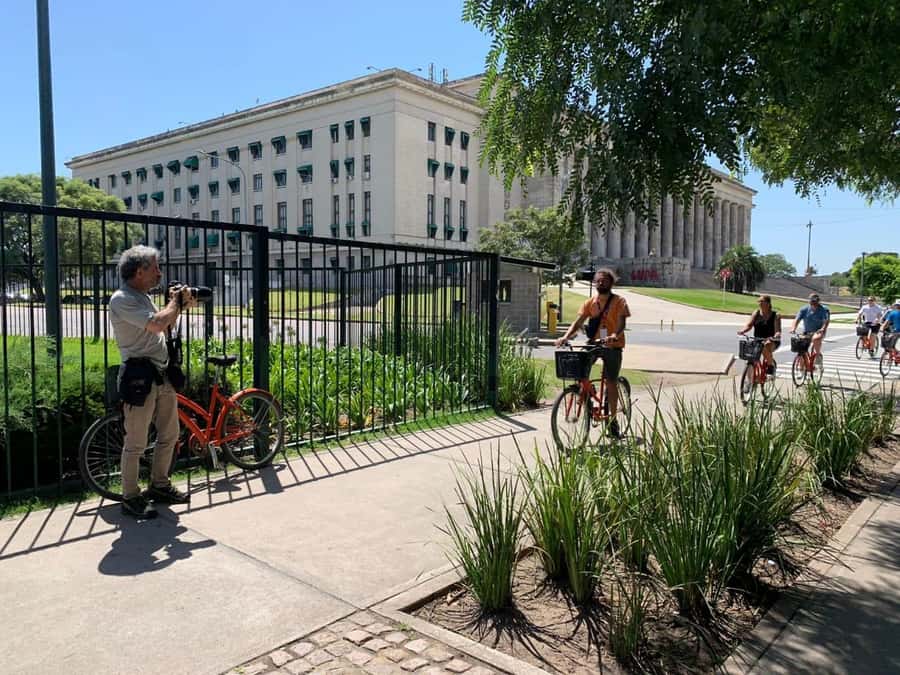
This is where the tour starts feeling like a classic Buenos Aires highlights reel—only with context. You pass the Facultad de Derecho (UBA), which matters because it signals the academic weight of the city. It’s not just a building you pass; it’s a clue to how Buenos Aires thinks, studies, and organizes itself.
The route also includes the Embassy of France area, which adds a diplomatic-European flavor to the walk-by-and-see rhythm. The bonus here is that the guide’s anecdotes help you connect architecture to the city’s relationships and eras, rather than treating each building like a postcard.
Then comes Floralis Genérica, the giant metal flower sculpture that’s hard to ignore. You’ll get about a 10-minute bike stop here, which is enough time to get photos from different angles and read the vibe: playful, futuristic, and very Buenos Aires.
Why it’s valuable: Floralis Genérica is an easy win for visitors, but the real value is that it sits in the flow of the tour. You’re not spending your afternoon only on one attraction. You’re seeing how neighborhoods and city planning shift as you move north.
Photo note: bring sunscreen for your neck and shoulders. You’ll likely be facing open skies for at least part of the stop.
Recoleta’s sophisticated streets: Eva Perón, the cemetery experience, and a solemn stop for Malvinas
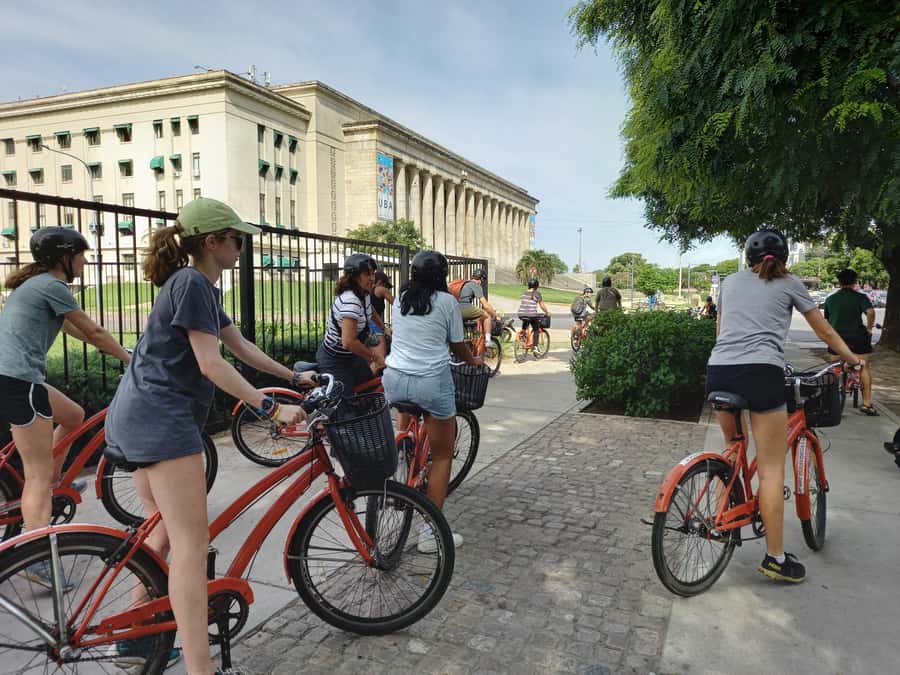
Recoleta is one of those neighborhoods that instantly looks more formal. Even on an e-bike, you feel the change: more refined streets, standout architecture, and an atmosphere that invites you to slow down mentally.
The tour includes Recoleta’s key moments, including the final resting place of Eva Perón in Recoleta Cemetery. This stop is memorable not because it’s dramatic, but because it’s emotional and historically specific. The guide’s job here is important: you’ll want clear context so you understand why this site matters beyond the headline name.
You’ll also encounter Pilar Church, which connects you to Buenos Aires’ religious history. And later on the route, you’ll see the Cenotaph commemorating those who fell in the Malvinas conflict. This is a heavier stop, and it helps to have a guide who can keep the pacing respectful and the facts straight.
Why it matters for you: Buenos Aires can feel like two cities at once—polished surfaces and intense history right underneath. Recoleta is the place where that tension becomes visible. Getting that through a guided bike route is often faster than trying to stitch it together yourself.
Consideration: if you’re sensitive to solemn sites, plan to take a quiet breath during these moments. The tour is paced for cycling, not for museum-length reflection, so you’ll want to stay mentally present during the brief stops.
Palermo and Rosedal Garden: green spaces, park pacing, and neighborhoods you can actually feel
After Recoleta, the tour heads into Palermo, and this is where the ride gets more restful. Palermo is known for lush greenery, and you’ll see it through stops that include Bosques de Palermo and the Paseo El Rosedal Garden.
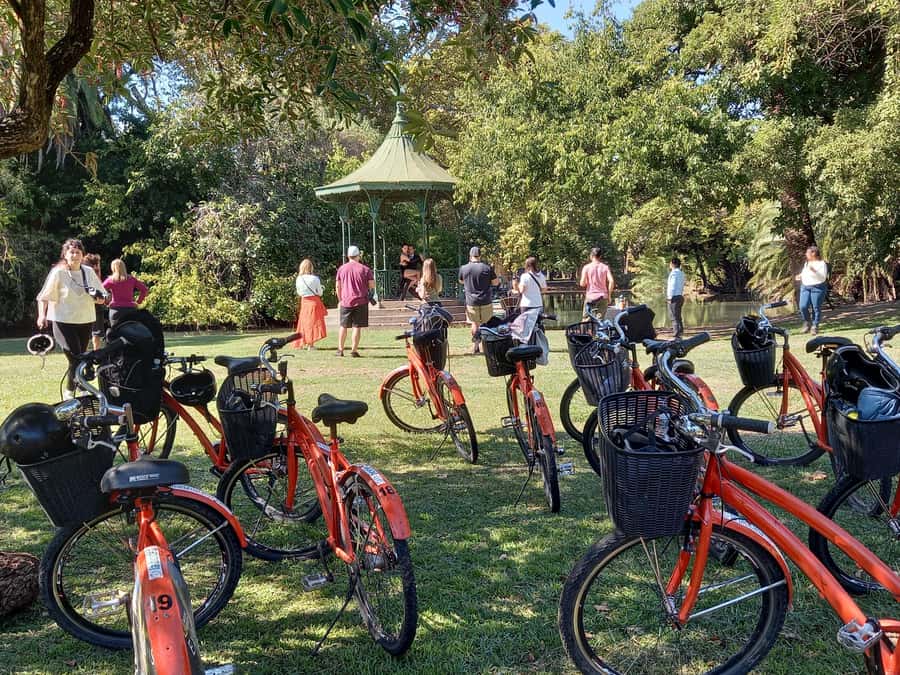
The Rosedal portion is about 20 minutes on the route. That’s a solid window to slow down, admire the garden setting, and notice the beauty without feeling rushed. If you’re the kind of traveler who likes photos but also likes the feeling of a place, Rosedal hits a good balance.
The tour also references Palermo Chico, with its architectural splendor and magnificent residences. This part of the ride helps you understand Palermo as more than parks. It’s a neighborhood with its own style of living, and the streets reflect that.
Why Palermo is smart halfway through the day: it gives you a break from the city’s hard edges. You’ll be mixing open plazas, civic buildings, and memorial spaces with a calmer, more scenic patch of Buenos Aires. It also helps you reset your energy before cultural landmarks later on.
Practical tip: even with e-bikes, spend a minute stretching at the start of each park stop. Your body will thank you before you roll into the next segment.
National landmarks on two wheels: Biblioteca Nacional and Bellas Artes
As the tour continues, you hit culture markers that make Buenos Aires feel like a serious art and ideas city. One key stop is the Biblioteca Nacional Mariano Moreno, which gets about 10 minutes. A national library can sound like a quick exterior glance, but the guide’s explanations help you understand why it’s part of Argentina’s intellectual infrastructure.
Then you’ll pass Instituto Nacional Sanmartiniano for about 10 minutes. This kind of stop is easy to skip on your own, because unless you already know what to look for, it can feel like another institutional building. On this tour, you get the why.
The route also includes the Museo Nacional de Bellas Artes, another major stop in the cultural stack. You’ll have time to see it as part of the walking-by/biking route rhythm rather than as a ticketed museum visit.
What you gain: a guided outline of where to return later if you want to spend real time inside. This is a tour style that works like a map with stories attached.
Potential drawback: if you prefer to go inside buildings, you may find yourself wanting more time at the library or museum. That’s not a flaw—it’s just the format. This bike tour is designed to show you the landmarks and give you direction, not to replace museum hours.
How the ride feels: e-bikes, safety, and a guide you can actually talk to
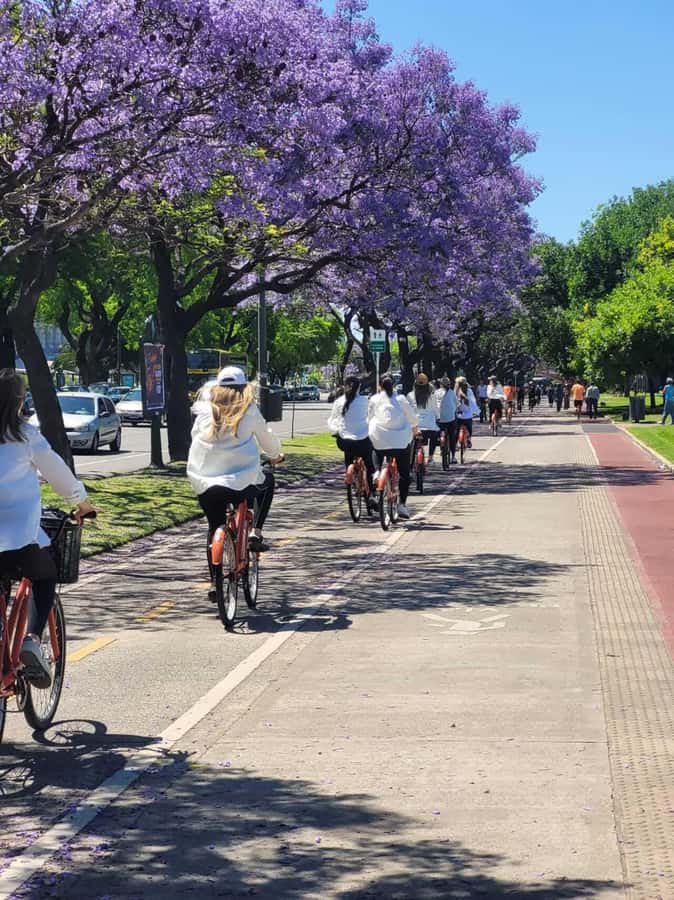
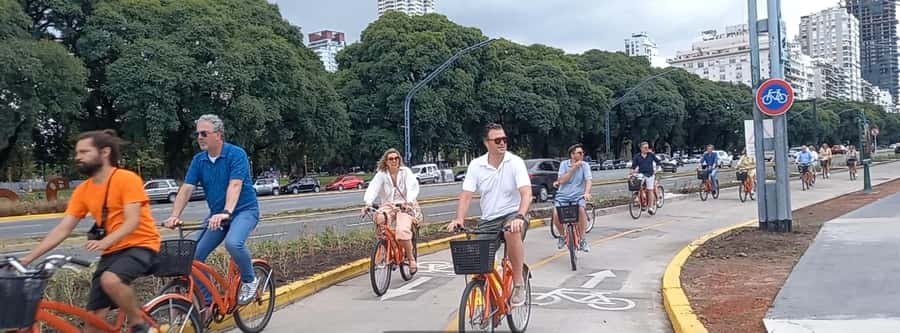
The big comfort factor here is that everything runs on e-bikes. That changes the whole experience. You get the freedom to cover a lot of Buenos Aires without arriving wrecked, and the pace stays social enough for questions.
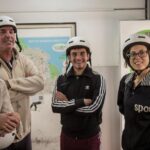
You’ll also get a small group setup, limited to 6 participants, and that’s a major value point. Smaller groups help the guide manage traffic transitions and keep everyone together. It also makes the tour feel less like a conveyor belt.
Safety is a real theme in the feedback, and it makes sense: when a guide expects to keep a group smooth and coordinated, you tend to get clearer instructions and more active attention on the ride. One review highlighted a guide handling bike troubles with problem-solving, which tells me the operator takes on-the-ground issues seriously.
My practical advice: wear closed-toe shoes and keep your phone secure. You’ll want photos, but you also want both hands ready when the guide signals a turn.
Bilingual guides who connect the dots (and who keep it fun)
The guides are a standout part of this tour’s reputation. Names that come up in the feedback include Chan, Nan, Flore, Ikki, and Barbie—and the common thread is how they mix history with what you’re seeing now.
This matters more than people think. Buenos Aires has layers, and without a guide, you can miss the meaning and just enjoy the visuals. With a good bilingual guide, the city’s transitions make sense: why an institution sits where it does, why a memorial matters, and why one neighborhood feels formal while another feels relaxed.
A smaller group also means you’re not shouting over a speaker system. You can ask a question and get a direct answer.
One improvement idea you might appreciate: one piece of feedback suggested adding a café or bar stop for refreshment. Since snacks aren’t included, you may want to plan a quick purchase nearby afterward—or even check a nearby option before you start so you’re not hunting when you’re thirsty.
Price and value: $48 for a 210-minute northbound highlights route
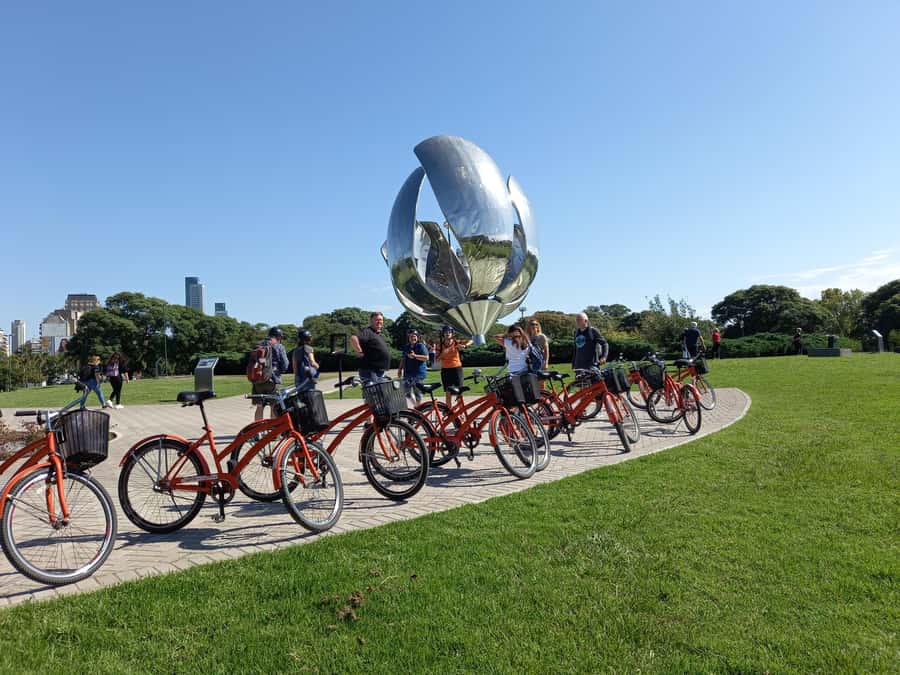
At $48 per person for 210 minutes (about 3.5 hours), this is priced like a focused city experience rather than a long multi-day excursion. The biggest value drivers are the included essentials: e-bike, helmet, water bottle, and bilingual guide time.
For many travelers, the real cost of a tour like this isn’t just the dollars—it’s the time you save. You avoid figuring out routes and sequencing stops across multiple neighborhoods. You also get a coherent northbound storyline that ties together San Telmo, Puerto Madero, Recoleta, and Palermo.
Good fit if: you want a curated ride with enough landmark time to feel you saw the essentials, but you’d still like to have energy left for dinner plans.
Less ideal if: you want a slower “wander all afternoon” style with lots of indoor time. This tour moves; it stops. It doesn’t turn into a museum day.
Who should book the Buenos Aires to the North bike tour
Book this tour if you:
- Like structured sightseeing without the stress of navigation.
- Want a practical way to cover neighborhoods like Puerto Madero, Recoleta, and Palermo in one go.
- Appreciate history with context at key stops like Eva Perón’s site and the Malvinas cenotaph.
- Prefer a small group experience where your guide can keep an eye on you and your bike.
Skip it or consider another option if you:
- Need snacks provided during the activity (you’ll want to plan your own).
- Expect long indoor visits at every major institution.
Should you book? My take on Tour Norte
I think Tour Norte is a smart booking for first-timers and returners alike, as long as you’re comfortable with a guided ride format. The mix of big-name Buenos Aires (Floralis Genérica, Recoleta and Eva Perón) plus park breathing room in Palermo makes the day feel balanced instead of heavy.
If you like clear explanations, small-group comfort, and the ability to cover a lot without feeling exhausted, this tour earns a strong yes. Just come prepared for sun and bring a plan for food, because the tour focuses on cycling and sightseeing—not snack service.
FAQ
Where is the meeting point?
You’ll meet at La Bicicleta Naranja, Pasaje Giuffra 370, San Telmo, at Dr. José Modesto Giuffra 370.
How long is the bike tour?
The duration is 210 minutes, which is about 3.5 hours.
Are e-bikes included?
Yes. The tour includes an e-bike.
What’s included in the price?
Included items are the e-bike, bilingual guides (Spanish–English), a helmet, and a water bottle.
Are snacks included?
No, snacks are not included.
Is the tour small group?
Yes. It’s limited to 6 participants.
What languages are the guides?
The tour is guided in English and Spanish.
What should I bring?
Bring a sun hat, sunscreen, and a passport or ID card (a copy is accepted).
Can I cancel for a refund?
Free cancellation is available up to 24 hours in advance for a full refund.
What’s the best way to think about the route?
Expect a northbound ride that connects historic and modern Buenos Aires, with stops covering San Telmo, Puerto Madero, Retiro landmarks, Recoleta (including Eva Perón’s final resting place), and Palermo parks like Bosques de Palermo and Rosedal.