REVIEW · BUENOS AIRES BIKE TOURS
Buenos Aires Bike Tour: San Telmo and La Boca Districts
Book on Viator →Operated by Tangol · Bookable on Viator
Buenos Aires feels huge until you see it by bike. This 3-hour ride strings together San Telmo, La Boca, and key sights like Plaza de Mayo, using comfy cruisers and a bilingual guide to turn street scenes into real context.
I like that the route mixes classic neighborhoods with newer urban life, so you’re not stuck in one postcard corner. You also get built-in breaks for photos and stretching, plus bottled water, which makes the pace feel human instead of rushed.
One thing to keep in mind: the bike ride is mostly easy, but you’re still rolling on city surfaces with occasional cobbles and a short uphill section, and the schedule is weather-dependent.
In This Review
- San Telmo-to-Plaza de Mayo on a Beach Cruiser: Key Things to Know
- Getting Oriented on Two Wheels: Why This Route Works
- San Telmo: Dorrego Square, Colonial Corners, and Tango in Motion
- Parque Lezama to La Boca: A Change in Atmosphere on Purpose
- La Boca and Caminito: Color, Artists, and a Pedestrian-Only Buzz
- Puerto Madero: Old Docks, New Restaurants, and City Views
- Buenos Aires Ecological Reserve: Swans, Egrets, and Quiet Time on Wheels
- Plaza de Mayo and Casa Rosada: Big Symbols, Photo-Friendly Stops
- How the Ride Feels: Pace, Safety, Bikes, and Route Confidence
- Price and What You Actually Get for $45
- Should You Book This Bike Tour or Choose Something Else?
- FAQ
- How long is the Buenos Aires Bike Tour?
- What’s included in the $45 price?
- Is food or drinks included?
- Is hotel pickup included?
- What happens if it rains?
- Is an electric bike available?
San Telmo-to-Plaza de Mayo on a Beach Cruiser: Key Things to Know
- Bilingual guidance keeps the story clear, with guides like Nestor, Flo, Barbie, Leo, Valentina, Romina, and Alex mentioned by name in real rides.
- San Telmo’s Dorrego Square is where tango energy shows up in the open, often with spontaneous performances.
- La Boca’s Caminito is more than scenery: you can spot local artists working and selling along the pedestrian street.
- Puerto Madero old docks have been reborn as restaurants, lofts, and offices, with slick city views that feel unlike the older barrios.
- Ecological Reserve stops give you a quieter breather along the Rio de la Plata area, with chances to look for swans and egrets (wildlife can be hit-or-miss).
Getting Oriented on Two Wheels: Why This Route Works
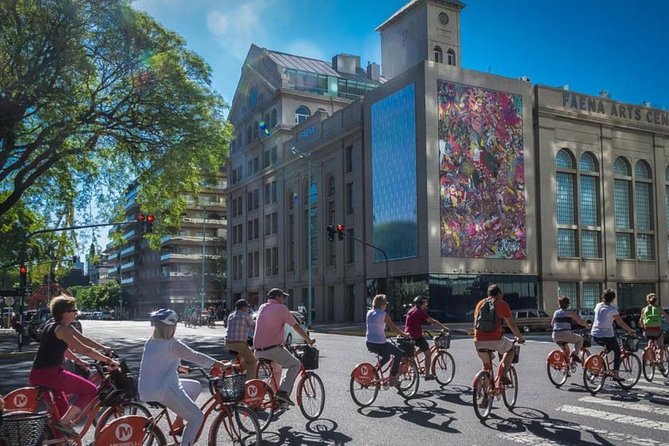
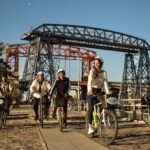
This tour is built for a fast first taste of Buenos Aires. You start in the San Telmo area, then work your way through neighborhoods that feel distinct in architecture, mood, and street life. It’s the kind of route that helps you get your bearings fast—you leave with landmarks in your head and neighborhood vibes you can actually remember later.
The big value for me is pacing plus variety. A bus or walking tour can bring you to highlights, but biking adds something special: you move like locals do, and you see the textures between the headline stops—shop fronts, side streets, small plazas, and the way people actually hang out.
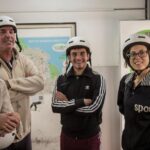
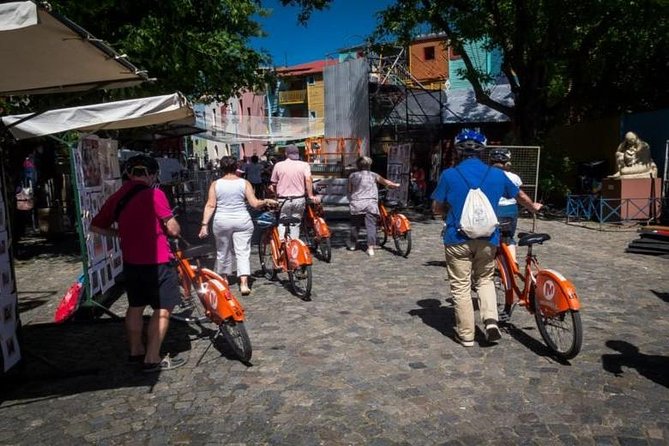
And yes, you ride with helmets and a quick safety demonstration before you set off. That matters in a city where traffic can look intimidating from the sidewalk. You’re not left to figure things out on your own; the ride is organized enough that many people in the group report feeling safe as long as they stay with the guide.
You can also read our reviews of more cycling tours in Buenos Aires
San Telmo: Dorrego Square, Colonial Corners, and Tango in Motion
San Telmo is where the city starts acting like itself—old stone, uneven streets, and a steady flow of cafes and antique storefronts. You cycle through some of the neighborhood’s best-known textures, including the area around Dorrego Square, which functions like San Telmo’s living room.
While you’re there, keep your eyes open for tango. Sometimes you’ll see spontaneous performances around the square and nearby streets, and even if it’s not a full show, the atmosphere is built for music and dancing. That’s what makes it fun: you’re not just observing a museum version of tango; you’re witnessing how it blends into everyday street life.
A few sights that often come up on the route include the San Telmo Market and notable churches in the broader area, including the Russian Orthodox Holy Trinity Church. This is also the kind of stop where you can wander for a few minutes if the guide gives you that flexibility, because Dorrego Square is designed for lingering—benches, people-watching, and constant small activity.
One practical note: San Telmo can include cobblier stretches. It’s still manageable for most people, but it’s not the same as gliding on a smooth bike path. If you’re prone to discomfort on rough surfaces, take it slow over the messier pavement.
Parque Lezama to La Boca: A Change in Atmosphere on Purpose
After San Telmo, you keep rolling toward La Boca, and the tour adds a transition stop at Parque Lezama. This matters more than it sounds. Parks in Buenos Aires aren’t just green space—they’re where you feel how the city breathes, especially when you’re moving between older neighborhoods.
At Parque Lezama, you’ll pass rustic walkways and half-under-ground installations. The vibe is a little earthy and local, and it gives you a break from the street bustle before the colorful intensity of La Boca hits.
Then comes the shift. La Boca doesn’t feel like a “side quest.” It feels like a whole new chapter. The housing colors, the European-flavored streetscape, and the strong immigrant history show up quickly once you arrive.
If you like neighborhoods that change tone every few minutes, this part of the ride delivers. It’s also helpful for photos, because the background scenes don’t look repetitive.
La Boca and Caminito: Color, Artists, and a Pedestrian-Only Buzz
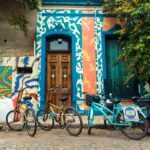
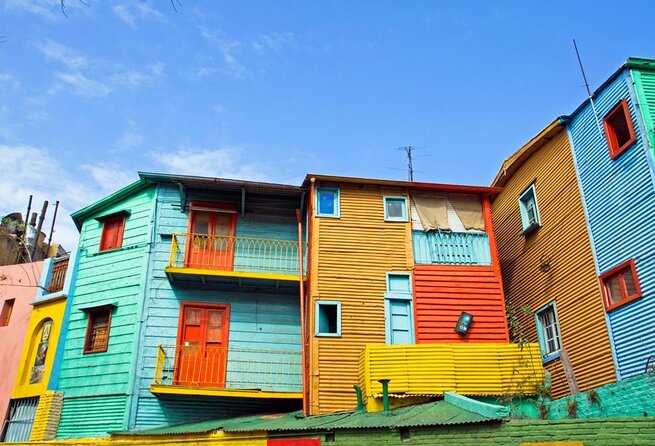
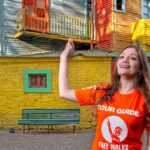
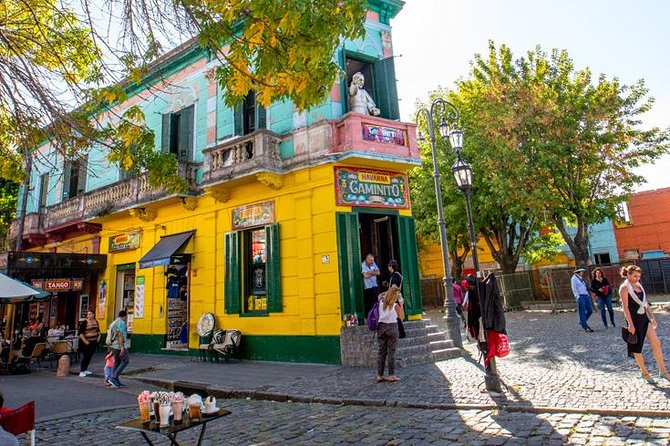
La Boca is Buenos Aires at its most theatrical. The buildings along Caminito are bright, but what makes it worth your time is that you’re not just passing murals—you’re seeing local artists selling work on a pedestrian-only street.
Caminito works like an outdoor studio strip. You’ll get time to look around and slow down while the guide keeps the context coming. That’s a big deal here, because La Boca can feel like a tourist magnet from the outside, but with the right framing it becomes more than costumes and color.
One tip that’s worth taking seriously from this tour style: plan your La Boca time for daylight hours. The ride includes guidance along the way about timing, and it’s smart advice if you want to feel relaxed rather than rushed.
How much you’ll love Caminito depends on your taste for street-level art markets. If you enjoy watching people work and chatting in whatever language you can manage, you’ll likely have a great time. If you mainly want wide views and big monuments, you might treat this as a lively stop rather than the highlight.
Puerto Madero: Old Docks, New Restaurants, and City Views
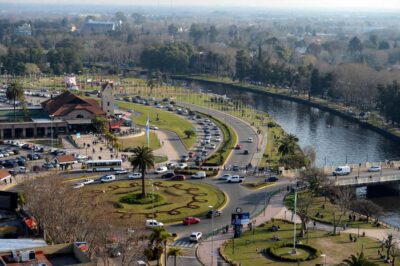
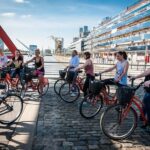
Puerto Madero is the “newer” Buenos Aires on the route, and that contrast is exactly the point. The old docks have been converted into places that now feel sleek and polished—restaurants, lofts, and office spaces—with excellent city views.
You’ll ride through the area, then keep moving onward toward the ecological reserve. Puerto Madero is a nice reset: it gives your legs a break from older cobbles and gives your eyes a break from dense neighborhood streets.
This is also where you start connecting the dots between Buenos Aires past and present. San Telmo and La Boca show you long-standing identity. Puerto Madero shows you how the city reuses infrastructure and turns it into modern life.
If you’re the kind of person who likes architecture but finds museums tiring, this neighborhood can hit your sweet spot: you get the visual payoff with less time spent inside.

Buenos Aires Ecological Reserve: Swans, Egrets, and Quiet Time on Wheels
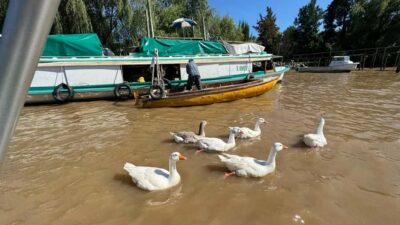
Then the tour shifts again, toward the Buenos Aires Ecological Reserve—an 865-acre (350-hectare) natural space along the Rio de la Plata corridor. After city streets, it’s a real mood change.
The stop here is designed for easy cruising through a serene area that sits surprisingly close to downtown energy. Your guide points you toward wildlife possibilities, including swans and egrets. Some days, you’ll spot them quickly. Other days, you might just enjoy the calm and the birds-in-the-distance feeling.
One honest consideration: a reserve stop can vary in how much wildlife you actually see. The scenery and breathing room still make it worthwhile, but if your personal definition of success is spotting lots of animals, you might end up slightly under-impressed on quieter days.
Still, I like this kind of stop on a short tour because it breaks up the city story. You finish with a better sense of Buenos Aires as a place that isn’t only built stone and busy plazas.
Plaza de Mayo and Casa Rosada: Big Symbols, Photo-Friendly Stops
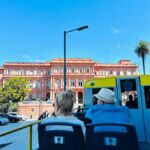
Plaza de Mayo is the political heart of Buenos Aires, and arriving there by bike feels like a shortcut to the story of modern Argentina. You roll through the square area with a chance to snap photos of Casa Rosada, the pink-walled Government House, plus other key public buildings in the plaza.
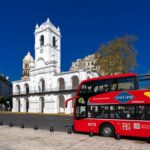
You’ll also see the Cabildo and the Metropolitan Cathedral. Even if you don’t know the dates and names perfectly, the guide’s commentary ties it together in a way that makes the area feel more real than a textbook snapshot.
This is a good stop for quick photo bursts. The square is open, so you don’t need a long ticket line or a strict schedule. If you’re coming on a day when you want to understand what governments look like in real life, this stop gives you that without pretending it’s a full political museum visit.
And it rounds out the tour nicely. You started with neighborhood life and local street energy. Now you end at the place where major national events have played out.
How the Ride Feels: Pace, Safety, Bikes, and Route Confidence
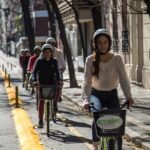
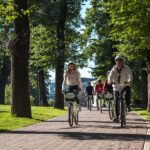
Most of the ride is described as easy-going. Roads and paths are planned to keep things comfortable, and the pace is steady enough that you can enjoy the scenery without gasping for air every few minutes. Reviews also note that the route often uses dedicated cycle lanes or trails, which can make traffic feel far less scary than it looks from the curb.
That said, don’t treat this as a rolling-on-glass vacation. Expect occasional cobblestones and at least one short uphill section, plus the reality of city streets. If you’ve ridden bikes only a few times in your life, you’ll still likely be fine, but keep your focus and stay with the group.
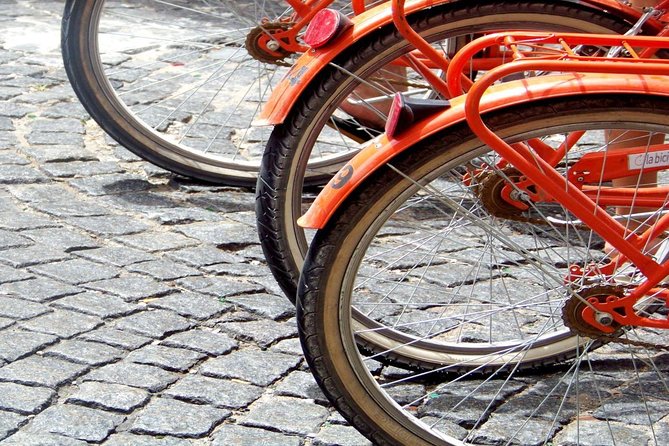
Bike quality seems consistent, with many riders calling out the bikes as good and comfortable. A smaller number of people mention heavier bikes or brakes that take a bit of getting used to. That’s not a deal-breaker, but it’s good to know so you’re not surprised by the feel when you first roll out.
Two practical advantages:
- You get a safety briefing and helmet first, so you start the ride prepared.
- The tour caps group size at 15 travelers, which helps your guide keep an eye on everyone.
If you’re not in physical condition for a steady 3-hour ride, electric bikes are available on request. That’s a thoughtful option because it lets you do the same route without forcing a workout goal.
Price and What You Actually Get for $45
At $45 per person, this tour lands in the “strong value for time” category. You’re paying for more than bike use. You’re buying context: neighborhood history explained in English and Spanish, stops that aren’t just scenic but meaningful, and a guide who keeps you moving through the city safely.
You also get bottled water and a helmet. Those small inclusions matter when you’re out for a few hours in Buenos Aires heat. Food and drinks aren’t included, so plan to grab something after, not during.
One reason the price works is efficiency. In a single session you cover San Telmo, La Boca, Puerto Madero, the ecological reserve area, and the Plaza de Mayo zone. If your days are limited, biking is one of the best ways to stitch together a “first visit” outline without losing half your afternoon to transit.
And because this tour is often booked around a month in advance on average, you’ll want to reserve early if your schedule is tight.
Should You Book This Bike Tour or Choose Something Else?
Book it if you want a smart first pass through several Buenos Aires districts with minimal effort and real local context. It’s also a great fit for people who like structure but still want outdoor freedom—bike lanes and planned routes, plus time to look around at Caminito and in key plaza areas.
Skip it (or consider an electric bike request) if you’re extremely sensitive to uneven pavement or you hate being on a bike for the full session. Also, if wildlife spotting is your top priority, know that the reserve portion can be quiet depending on the day.
If you want both history and street life in one morning or afternoon, this is a solid pick. It helps you come away with names, landmarks, and neighborhood feelings you can build on for the rest of your trip.
FAQ
How long is the Buenos Aires Bike Tour?
The tour runs about 3 hours (approx.), with breaks built in for stretching and photos.
What’s included in the $45 price?
You get a professional English- and Spanish-speaking guide, bike and helmet use, and bottled water.
Is food or drinks included?
Food and drinks are not included unless specified by the operator.
Is hotel pickup included?
No. Hotel pickup and drop-off are not included.
What happens if it rains?
Rain gear is provided, but tours are usually canceled if it’s pouring. If it’s raining on your tour day, call the operator to confirm using the contact info on your voucher.
Is an electric bike available?
Yes. Electric bicycles are available on request for people who aren’t physically able to ride for 3 hours at the same rhythm.