REVIEW · GAUCHO RANCH DAY TRIPS
Tailor-made Day Tour to San Antonio de Areco & Estancia El Ombu
Book on Viator →Operated by Areco Tradicion · Bookable on Viator
Pampas culture meets colonial town in one day. I love the small-group feel and the bilingual guide, because you move through San Antonio de Areco without feeling herded. You also get the day’s main payoff at Estancia El Ombu, where gaucho life isn’t just staged for photos.
What I really like is that the important parts are built into the price: museum entries, the ranch program, and a proper asado lunch. The one thing to plan around is that the estancia portion is outdoors, so rain can change how much you get to do, and the ranch program may shift if El Ombu is at capacity.
In This Review
- Key things to know before you go
- Why San Antonio de Areco and Estancia El Ombu fit together so well
- Price and what you actually get for it
- Morning logistics: pickup, Ruta 8, and the clock you can trust
- San Antonio de Areco: parish square, old town hall, and how the town tells its own story
- Parroquia San Antonio de Padua and Ruiz de Arellano’s main square
- Municipality of San Antonio de Areco: colonial mansion details you can spot
- Museo Draghi and the silver-crafts perspective (without making it boring)
- La Olla de Cobre: chocolate and alfajores as part of the culture
- Museo Gauchesco and Parque Criollo Ricardo Güiraldes: the gaucho life guide you’ll actually use
- Estancia El Ombu de Areco: horse or carriage, asado under the trees, and gaucho performance
- A note on pools and seasonal comfort
- Weather, pacing, and how to avoid a letdown
- Guides: how to pick the right mindset for this day
- Who this tour suits best (and who should think twice)
- Should you book this San Antonio de Areco and Estancia El Ombu tour?
- FAQ
- How long is the day tour and what time does it start?
- Is hotel pickup and drop-off included?
- What do I get at Estancia El Ombu?
- Are museum and activity admissions included?
- Is lunch included, and can they accommodate dietary restrictions?
- How big is the group?
Key things to know before you go
- Small-group pacing with a max group size listed at seven (and an overall limit of twelve)
- Admissions and ranch activities included, not a pick-and-pay day
- A focused town route around the central square area, with history, silver, and chocolate stops
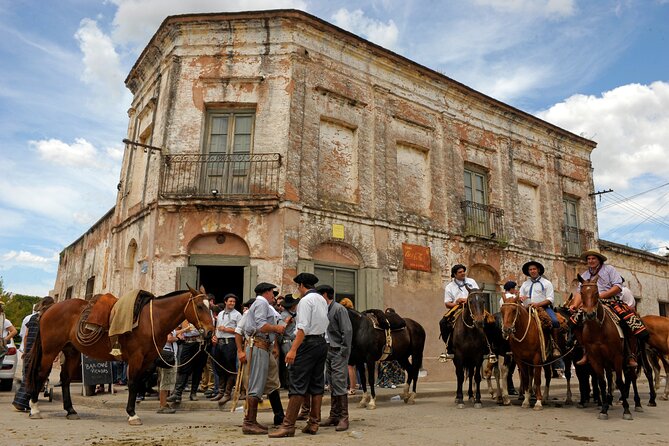
- Real gaucho moments, including horse or carriage time and an equestrian gaucho performance
- Guides matter, and names like Enzo, Jessica, Pierena, and Andres come up with strong praise
Why San Antonio de Areco and Estancia El Ombu fit together so well
This is the kind of trip that makes sense fast. You start in town, where Argentina’s colonial past and artisanal culture are easy to see on foot. Then you jump to the Pampas, where gaucho traditions turn from museum stories into something you can watch, hear, and even take part in.
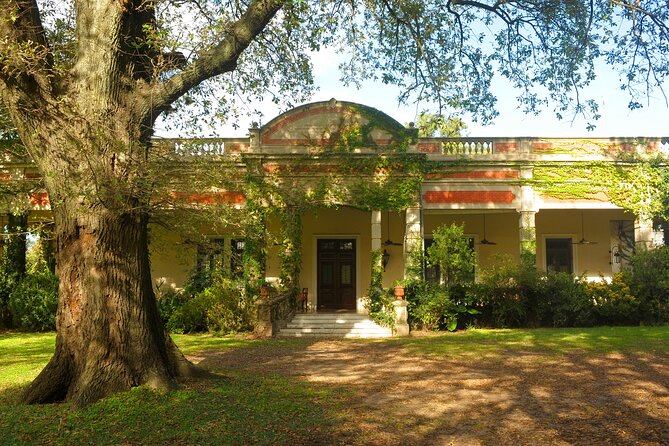
San Antonio de Areco is built for wandering. The stops are clustered around historic parts of the center—parish, town hall, museums—so the day feels structured, not long and random. Then Estancia El Ombu takes you out into a 400-hectare working property, about 15 minutes from town, where the setting does a lot of the work for you.
If you like your travel days with a clear rhythm—walk, learn, snack, then settle into a full ranch block—this layout is a strong match.
You can also read our reviews of more tours and experiences in Buenos Aires.

Price and what you actually get for it
At $270 per person for about 9 hours, this isn’t a budget snack. But it’s also not one of those tours where you pay for “transport only” and then buy everything else.
Here’s what’s included in the heart of the day:
- A guided, tailor-made town visit with a bilingual guide
- Museum admission for Museo Draghi (silver-making collection) and Museo Gauchesco y Parque Criollo Ricardo Güiraldes
- A full Estancia program: ranch tour, horseback ride or carriage ride, folkloric entertainment, and a gaucho equestrian performance
- Asado lunch with grilled meats, salad, drinks, dessert, and coffee
- Comfortable air-conditioned pickup/drop-off transfer from your Buenos Aires hotel area
You’ll also benefit from practical inclusions you don’t have to think about: lunch options for vegetarian, vegan, and celiac diets are available if you request them.
So the value question comes down to this: if you were to piece together a town guide, museum visits, and a full-day ranch experience separately, it typically adds up quickly. This bundle is priced like a day with real activities, not just sightseeing.
Morning logistics: pickup, Ruta 8, and the clock you can trust
The day starts at 8:30 am. You get hassle-free pickup and drop-off from your Buenos Aires hotel, and the ride is shared but comfortable and air-conditioned.
On the drive, you’re going out along National Road 8 (Ruta 8). That matters because it frames the trip: the long stretches out into the Pampas help you feel what “pampa country” means, even before you step outside town.
The itinerary is also built to keep the timing tight. Town blocks are shorter and focused (think 10–30 minute museum and architecture stops), then you get a long Estancia block later in the day. That mix helps prevent the classic problem of ranch tours that turn into a waiting game.
San Antonio de Areco: parish square, old town hall, and how the town tells its own story
Your first town stop sets the tone. San Antonio de Areco is often described as the center of gaucho culture, and you can feel that in the way the historic core is arranged. You’ll be there long enough to settle in: about two hours.
Then the guide leads you through the key historic nodes.
Parroquia San Antonio de Padua and Ruiz de Arellano’s main square
You start at the parish area of San Antonio de Padua, anchored around the Ruiz de Arellano main square. This isn’t just a pretty church stop. You’ll learn how the town formed around the early Spanish period—around 1730—with details about European-style building materials like wood and tile.
The nice part here is that it gives you a timeline for later. When you see other historic buildings in town, you’ll understand the logic behind the architecture.

Municipality of San Antonio de Areco: colonial mansion details you can spot
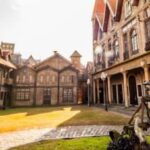
Next is the town hall building, which you can visit. It was built in 1885, later bought by the town in 1966, and it sits right in front of the parish. You’ll notice the interior patio and period features like tiles, an old well, and wrought-iron grids.
This is a good stop if you like architecture and small details. Even if you’re not a museum person, these are the kinds of features you can actually look at without needing expert training.
Potential drawback: this portion is short (around 10 minutes), so keep your expectations realistic. It’s a taste, not a deep restoration lecture.
Museo Draghi and the silver-crafts perspective (without making it boring)
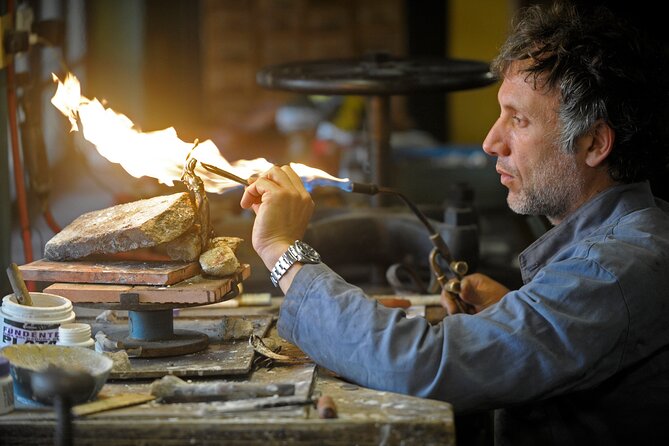
The next included stop is Museo Draghi, with a workshop-meets-collection vibe. It presents a private collection that shows how silversmith styles in Argentina evolved from the nineteenth century to today.
You don’t just see finished objects. You’re meant to understand the craft behind them. In Mariano Draghi’s workshop, the pieces are inspired by traditional techniques, which helps you connect what you’re looking at with how it was made.
This is also the sort of museum where a great guide changes the experience. In the strong reviews you’ll see plenty of praise for guides who can explain what you’re seeing in plain language. If your guide is Enzo, Jessica, or Andres (names that come up often), you’ll likely get extra context that makes the time feel worth it rather than rushed.
La Olla de Cobre: chocolate and alfajores as part of the culture
After the museum stop, you get a quick break at La Olla de Cobre, an artisanal chocolate factory in San Antonio de Areco.
This stop is short (about 10 minutes), and it’s not about a long history lecture. It’s about taste and shopping. Buenos Aires residents come specifically for the chocolates and the town’s famous alfajores, so you’re getting a local “reason to visit” moment.
Practical tip: if you want gifts, this is your easiest window. Bring a little extra money for snacks you can’t resist and boxes you can share later.
Museo Gauchesco and Parque Criollo Ricardo Güiraldes: the gaucho life guide you’ll actually use
At Museo Gauchesco y Parque Criollo Ricardo Güiraldes, the focus shifts from craftsmanship to daily life. This stop explores Argentina’s gaucho past through their customs, equipment, and how they earned a living.
You’ll also learn about Ricardo Güiraldes as a person. That’s helpful because it gives the gaucho story a cultural frame, not just a practical one.
Then—this is the important part—you’re heading from this museum into an estancia where those ideas become visible. When you watch the equestrian performance later, you’re not just looking at animals doing tricks. You’re connecting it back to the tools, the work, and the traditions you just heard about.
Time here is around 30 minutes, so you’ll get meaning without getting stuck in museum endurance mode.
Estancia El Ombu de Areco: horse or carriage, asado under the trees, and gaucho performance
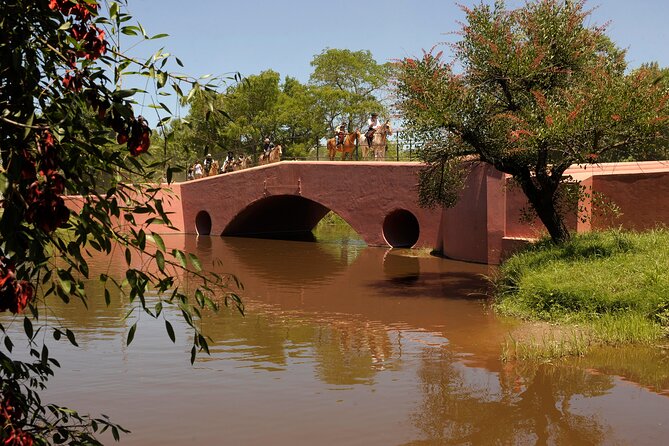
This is the big finale of the day: Estancia El Ombu de Areco. It’s about 15 minutes from town and sits on a 400-hectare property in the middle of the Pampas.
The program starts with a quick tour of the estancia. After that, you choose between a horse ride or a carriage ride to explore the property. That choice matters. If horses are a must for you, this is one of the best ways to get it without turning the day into a single long activity line.
Then comes the lunch block: a classic asado served under shade from hundred-year-old trees. Lunch is more than just meat on a plate:
- A selection of grilled meats (parrilla style)
- Salad
- Drinks
- Dessert
- Coffee
And if you have food needs, this is where the tour is especially practical. Vegetarian, vegan, and celiac options are available upon request.
After lunch, the entertainment shifts into performance. You’ll have time to watch gauchos demonstrate equestrian dexterity. Then you’ll enjoy traditional Argentine music and dance.
In the reviews, people consistently mention that the best part is how the day feels like a live version of gaucho culture, not only a one-time show. The equestrian component is often described as a must-see, and the horse-or-carriage time is a major highlight even for people who thought they wouldn’t be into ranch tourism.
A note on pools and seasonal comfort
If you’re going in warmer months, this tour includes access to a pool at the estancia. That can be a lifesaver if the heat makes you slow down after lunch.
Weather, pacing, and how to avoid a letdown
Two real-world issues show up in the information you’re given:
1) Rain can affect what happens outdoors.
2) Schedules can shift if the estancia is full, as one review mentions a change to a different estancia and a partial refund.
So what should you do? Plan like the day is mostly outdoors, because it is. Bring a light layer you can use even if the day starts bright. Wear shoes that can handle uneven ground, especially for horse or carriage boarding areas.
Also, keep your expectations flexible about timing. The itinerary is structured, but an estancia day runs on real conditions: weather, staffing, and herd logistics.
The silver lining is that even in a rain-affected day, guides and drivers got repeated praise for making the experience still feel organized. The best sign of a good tour day isn’t that everything goes perfectly. It’s whether the plan adapts without leaving you bored.
Guides: how to pick the right mindset for this day
This is one of those tours where the guide can turn “a nice day out” into “I learned a lot and I felt looked after.”
Names that repeatedly get credit in the feedback include Enzo, Jessica, Pierena, Andres, and Santiago (for driving). The common thread is attention to detail: history explanations that stay understandable, plus smooth handling of small needs during the day.
You can also get a more personal experience when group size is very small. One review mentions only two people on the tour, with a pace that felt personalized.
So go in with the right attitude:
- Ask questions in the museums and the town stops
- Spend your attention on the guide’s connections between silverwork, gaucho equipment, and what you’ll see later at the ranch
- Let the day stay relaxed; the pace is built around short stops and then a long ranch block
Who this tour suits best (and who should think twice)
This tour fits you if you want:
- A full-day gaucho experience with real activities (horse or carriage, performance, asado)
- A town visit that mixes history with craft (parish, town hall, silver museum)
- A guide-led day where most admissions are handled for you
You should think twice if:
- You hate outdoor activities and you’d be disappointed if weather changes the ranch schedule
- You’re expecting a purely “shopping day.” There is shopping time, but it’s more about craft and tastings than endless malls
- You prefer very long museum stays. Most stops are timed to keep the day moving
Price-wise, this is best seen as a day you’re buying in one piece. If you want to build your own route and already know the town well, you might do it cheaper. But if you want simplicity plus a complete ranch day, the value is strong.
Should you book this San Antonio de Areco and Estancia El Ombu tour?
I’d book this tour if you want the Pampas in one day without the stress. The combination of guided historic town stops plus an estancia day with horse or carriage time, asado lunch, and gaucho performance is exactly the kind of Argentina mix that’s hard to recreate on your own in a single day.
Do it especially if:
- You care about understanding gaucho culture, not just watching it
- You like museums when they’re connected to real places
- You want hotel pickup and a guided plan that keeps you from overthinking logistics
Before you go, pack for weather, and if you have dietary needs, request them ahead of time so lunch is stress-free. If El Ombu matters most to you, it’s reasonable to ask how often they operate at full capacity and what happens if changes are required.
If your goal is a memorable day that feels both authentic and well-run, this is a very solid bet.
FAQ
How long is the day tour and what time does it start?
The tour runs for about 9 hours and starts at 8:30 am.
Is hotel pickup and drop-off included?
Yes. The tour includes hassle-free pickup and drop-off from your Buenos Aires hotel, with a shared air-conditioned transfer.
What do I get at Estancia El Ombu?
You’ll tour the estancia, have time for a horseback ride or a carriage ride, enjoy an asado lunch, and watch traditional Argentine music and dance plus a gaucho equestrian performance.
Are museum and activity admissions included?
Yes for the included stops. Museo Draghi and Museo Gauchesco y Parque Criollo Ricardo Güiraldes have admission included, and all estancia activities are included. Other town stops listed are free.
Is lunch included, and can they accommodate dietary restrictions?
Yes. Lunch is included with grilled meats, salad, drinks, dessert, and coffee. Vegetarian, vegan, and celiac options are available upon request.
How big is the group?
It’s designed as a small group, with a maximum of seven mentioned, and an overall maximum of twelve listed as well.