REVIEW · TANGO LESSONS
Buenos Aires: Group tango class with mate and snacks
Book on GetYourGuide →Operated by Milonga City · Bookable on GetYourGuide
Tango lessons start with tea and conversation. In Almagro’s old-style mansion, international dancer Johana Copes and her team guide you through the first tango steps, then you settle in with mate and snacks alongside tango fans from around the world. It’s a very Buenos Aires mix of technique, culture, and friendly social time in the same 2-hour block.
I love how the vibe stays relaxed, which makes the first attempts feel doable instead of stressful. You also get a real second act, because after the 1-hour lesson there’s an extra hour of practice with teachers so you can repeat what you learned while it’s still fresh.
The only caution is timing: if your group has more frequent dancers, the teacher’s direct coaching can feel a little thin. Plan to lean into the practice hour to ask questions, tighten up the basics, and keep going even if you’re not already fluent in tango.
In This Review
- Key tango class takeaways (what matters most)
- Almagro’s old mansion turns your first tango steps into a real afternoon
- Getting started with Johana Copes: what the lesson is really about
- Mate and snacks: the Buenos Aires social break that makes the class stick
- The second hour: practice with teachers so you actually improve
- English, Portuguese, or Spanish: make sure you get the corrections
- Price and value: why $25 for 2 hours can make sense in Buenos Aires
- Who should book this tango class, and who should skip
- Small logistics that matter: show up ready, not rushed
- Should you book this Buenos Aires tango class?
- FAQ
- How long is the Buenos Aires group tango class with mate and snacks?
- What does the class cost?
- Where does the experience take place?
- What is included in the ticket?
- What is the meeting point procedure?
- Do you get hotel pickup and drop-off?
- What languages is the live tour guide available in?
- What should I bring?
- Is this activity suitable for children or people with health or mobility limitations?
- Can I cancel and get a refund?
- Is there an option to reserve without paying right away?
Key tango class takeaways (what matters most)
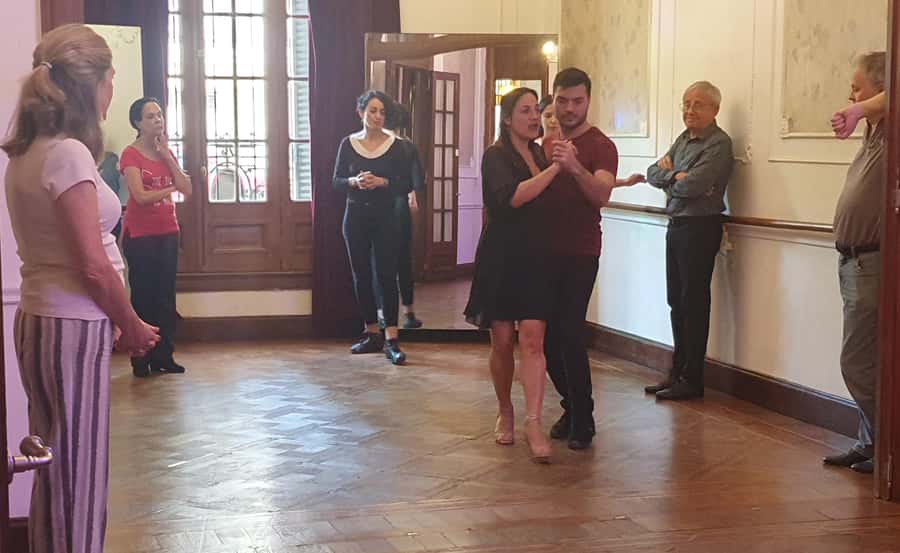
- Almagro mansion setting: old-style architecture and a Spanish-style patio that makes the session feel special without being stiff.
- Johana Copes’ team teaching the basics: you start with first steps designed for beginners, not a test.
- Authentic Argentine mate tasting: you’ll get the real drink, plus time to sip and chat.
- Sweet table break: a snack stage between dancing moments, perfect for meeting people.
- 1 hour class + 1 hour practice with teachers: more repetition than many short lessons.
Almagro’s old mansion turns your first tango steps into a real afternoon
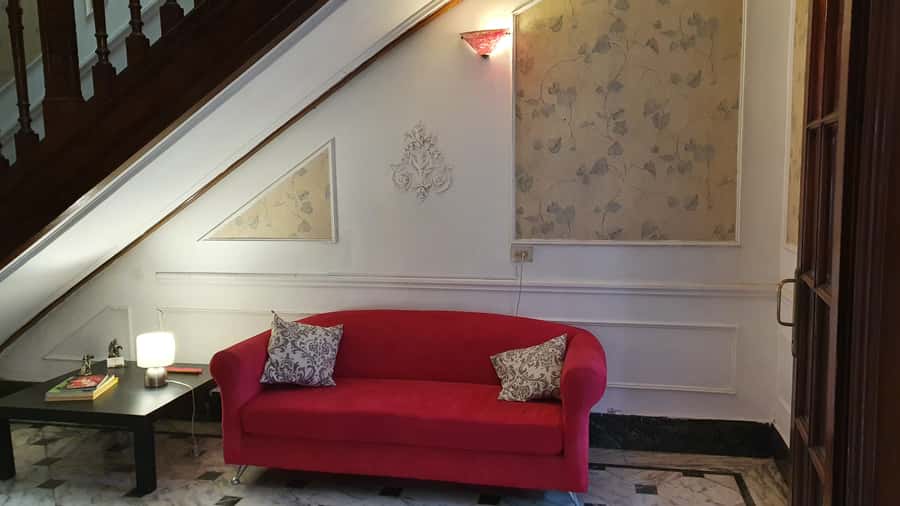
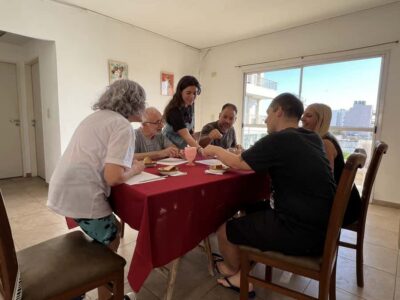
This class isn’t held in a gym with a folding chair vibe. You meet in an old-style mansion in the Almagro neighborhood, which instantly changes the mood. The setting feels like you’re entering a lived-in corner of Buenos Aires—not just showing up for a quick activity.
The atmosphere matters because tango teaching works best when you’re not bracing for awkwardness. In a more casual setting, you’re more likely to try the steps, laugh a little when you miscount, and actually listen when the teacher corrects your posture or lead-and-follow timing.
You’ll also get time in a Spanish-style patio, where the break happens. That matters too: you can come away feeling like you didn’t just learn steps, you experienced tango culture in a friendly, human way.
You can also read our reviews of more tours and experiences in Buenos Aires



Getting started with Johana Copes: what the lesson is really about
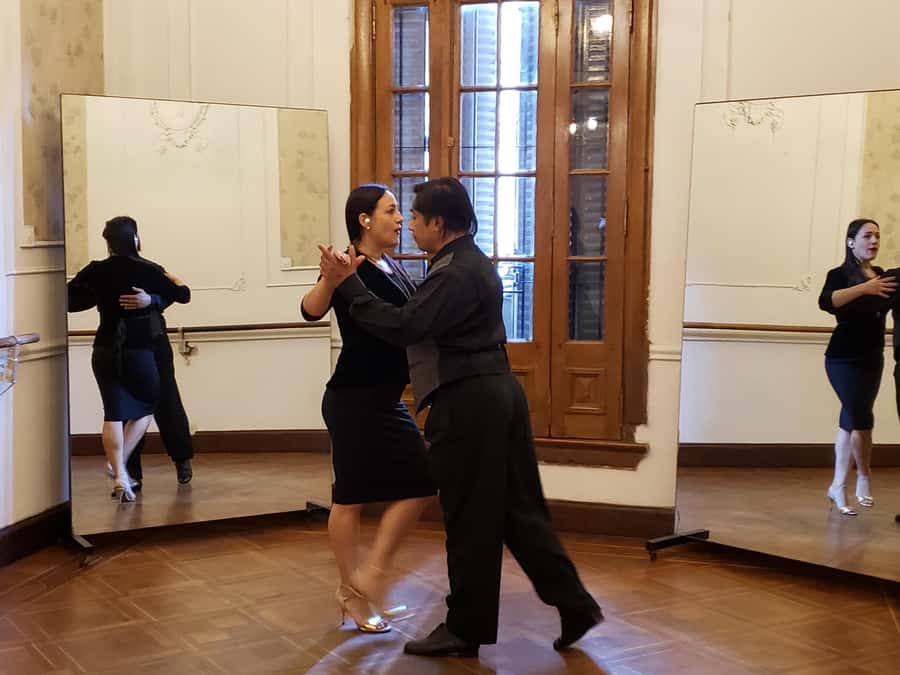
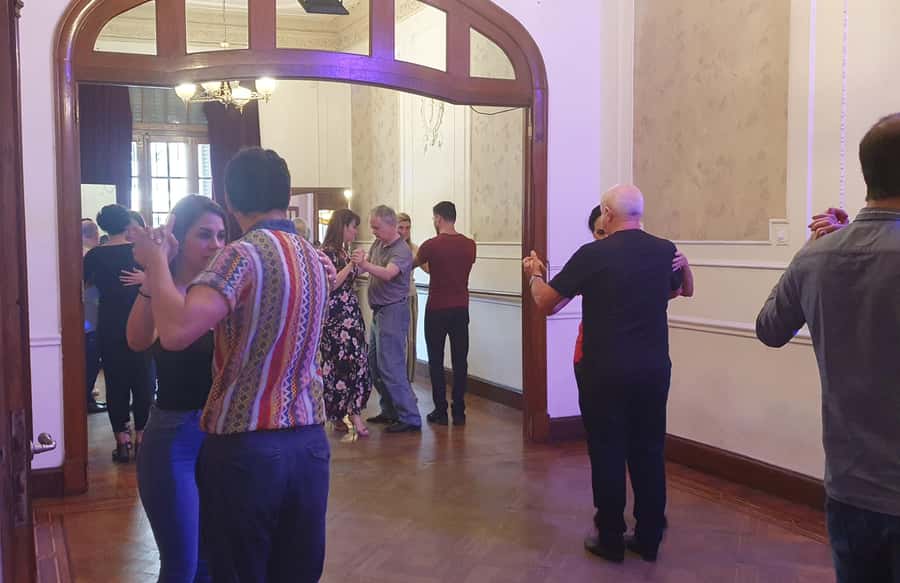
The core of the experience is a 1-hour group class led by Johana Copes and her staff. The focus is on the first steps—enough to get you moving with tango basics rather than drowning in details.
Here’s what that means for you in practical terms:
- You’ll learn the tango fundamentals in a group setting, so you can watch others while you move.
- The instruction is designed to be simple and enjoyable, so you can build confidence fast.
- You’re not just mimicking; you’re meant to practice the structure of tango so the dance starts to make sense.
Tango isn’t only footwork. It’s also balance, walking rhythm, and the way partners connect. Since this is a group class, you’ll likely get feedback on your core basics—stance and timing—so you don’t spend the second hour relearning from scratch.
It also helps that tango was recognized by UNESCO as an Intangible Cultural Heritage of Humanity. Even if you’re new, it frames the experience as something more than a tourist dance demo. You’re learning a real cultural practice, handed down and taught by working dancers.
Mate and snacks: the Buenos Aires social break that makes the class stick
After introductions, you share some traditional Argentine mate. This isn’t just a drink stop. It’s built into the flow so your brain switches from concentration to conversation, and that makes the dancing feel lighter afterward.
Mate is part of everyday Argentine culture, and in a tango setting it does two helpful things:
- It slows the pace so you can settle in before the lesson begins.
- It creates an easy conversation starter with strangers.
Then the session moves to a sweet table in the Spanish-style patio. Think of it like a mid-afternoon reset: snack, chat, and let the group energy build. This is where the international part becomes real. You end up talking with tango fans from different countries, swapping how long they’ve practiced (or how nervous they were before the first step).
I like this format because it supports memory. You’re not only learning a dance—you’re also building associations with people and moments. Later, when you practice again, it’s easier to remember what felt good and what you wanted to correct.
The second hour: practice with teachers so you actually improve
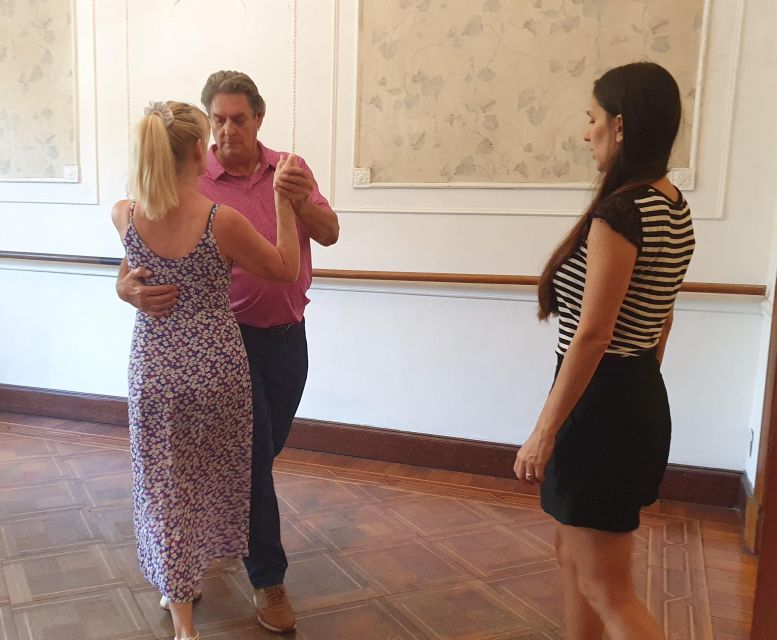
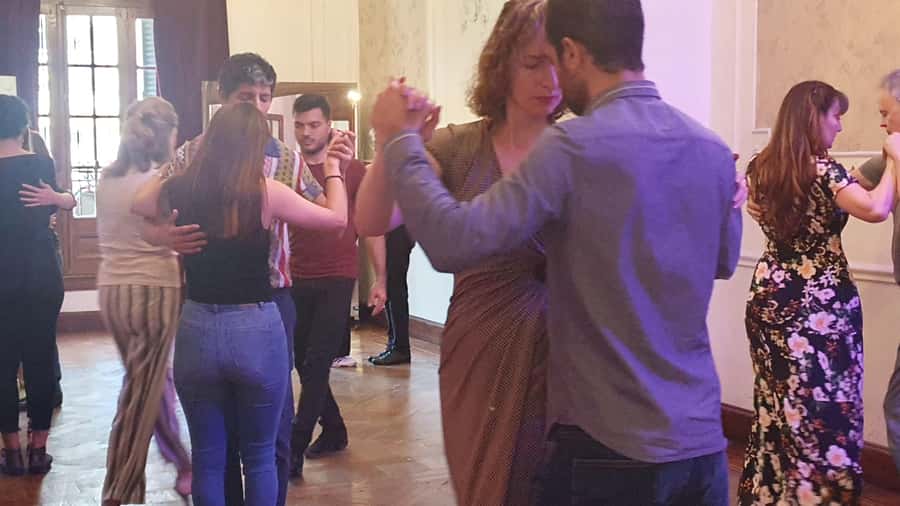
The afternoon continues with a full hour set aside to practice all the steps you learned. The key detail here is that this isn’t just free roaming around the room.
You’re given time to practice with teacher support, which is exactly what beginners need. In many short classes, you learn something new, then you’re on your own. Here, the extra hour makes the lesson stick because you get repetition right away while the guidance is still available.
Use this practice hour strategically:
- Repeat the “must-do” steps first (the ones you were taught most clearly).
- Ask for small corrections when you notice a pattern going wrong.
- Practice with a partner and switch focus between walking rhythm and foot placement.
This is also the best time to take advantage of the group. If you’re shy, you might be more willing to try again during practice because the pressure feels lower after the snack break. If you’re outgoing, you’ll probably chat while rotating partners, and that makes tango lessons feel less like homework.
One thing to keep in mind from real-world experiences: in some groups, the teacher may spend more direct time with more regular dancers. If that happens, don’t panic. You can still gain a lot by watching your partner, repeating what you remember from the coaching, and using the practice time to refine the basics you personally need.
English, Portuguese, or Spanish: make sure you get the corrections
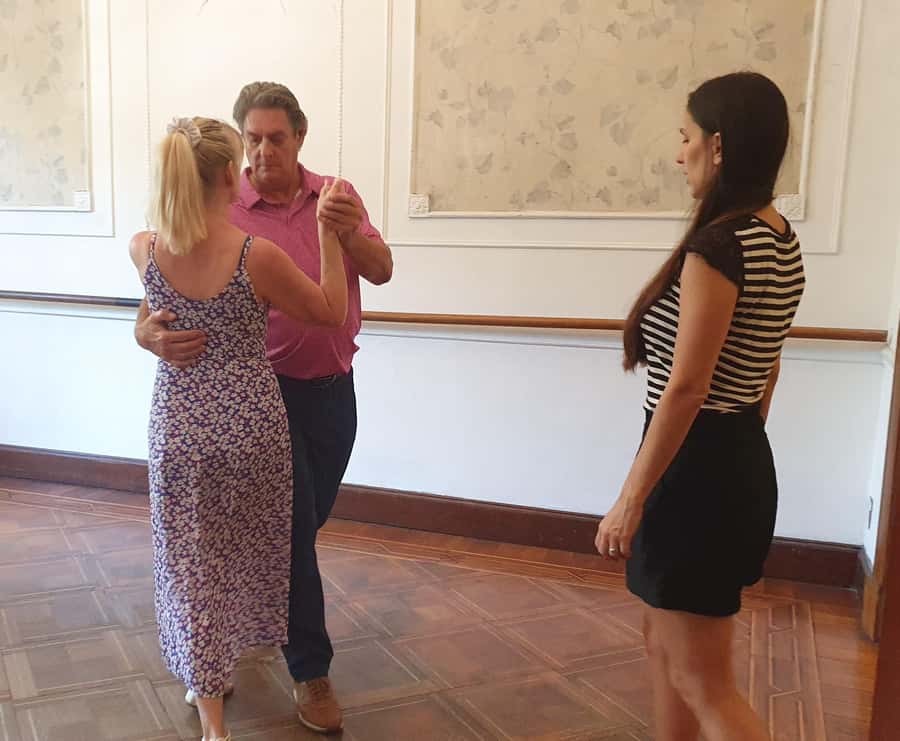
The live tour guide supports English, Portuguese, and Spanish. That’s a big deal in a dance class, because tango corrections are often about small details—direction, posture, and timing.
If you speak more than one of these languages, choose the one you’re most comfortable using when you ask questions. Even basic clarifications can help you correct quickly, especially when you’re trying to understand how the partner connection works.
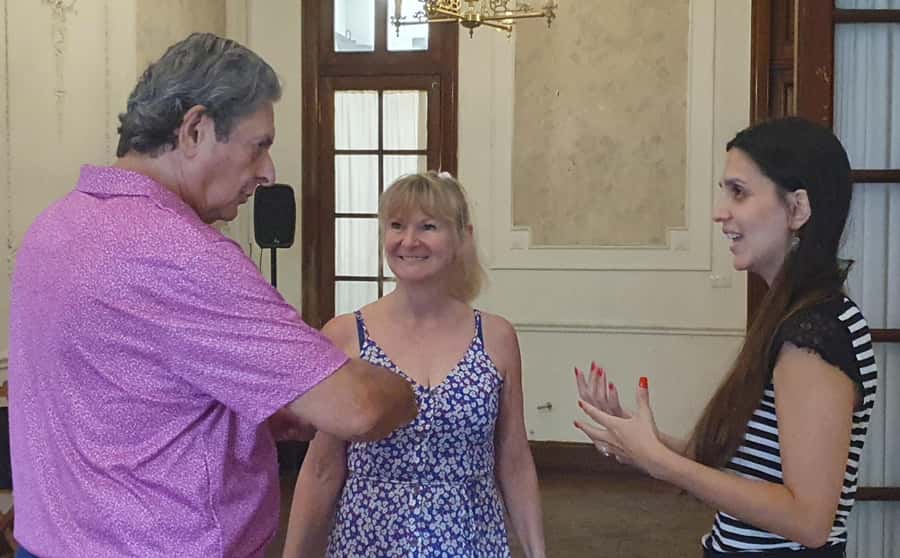
If you’re coming in solo, you may find the group dynamics help you settle in. In at least one experience, a solo participant ended up receiving extra attention during the class and left less nervous than expected. It’s not something you can count on every time, but it tells you the team is willing to support people who are new or a bit anxious.





Price and value: why $25 for 2 hours can make sense in Buenos Aires
At $25 per person for a total 2-hour experience, the value comes from what’s included, not just the headline price.
You’re getting:
- A full 1-hour group tango class
- Authentic Argentine mate tasting
- A sweet table snack break
- 1 hour of practice with teachers
That combo is what makes it feel worthwhile. You’re not paying only for instruction time; you’re paying for structured learning, plus the cultural pause that keeps the whole thing from feeling rushed.
Two practical notes that affect perceived value:
- There’s no hotel pickup or drop-off, so you’ll need your own plan to arrive and leave.
- You should wear comfortable clothes, because tango turns feel awkward when your shoes or clothing fight you.
If you want a beginner-friendly tango experience without a full evening show price, this format is a strong option—especially because you get real time to practice, not just a performance-style introduction.
Who should book this tango class, and who should skip
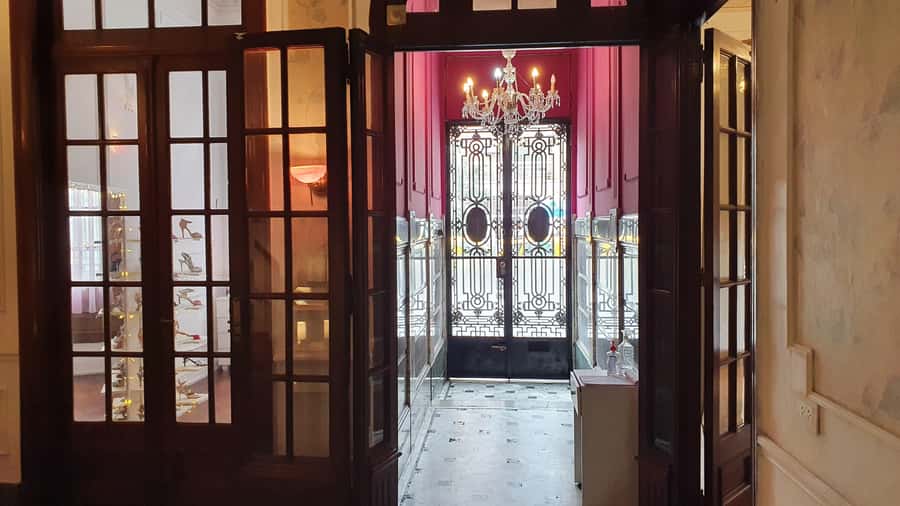
This is a great fit if you want:
- A relaxed introduction to tango basics
- A social afternoon where you meet people and still learn something concrete
- Enough time to practice immediately, so you’re not leaving with only memories
It’s also a good match if you’re traveling solo, nervous, or new to partner dance. The group setting can be less intimidating than private lessons, and the snack and mate break helps you settle in.
But it’s not for everyone. It’s not suitable for:
- Children under 13
- Pregnant women
- People with heart problems
- Wheelchair users
If any of those apply, you should look for a different tango experience that’s safer and more accessible for your situation.
Small logistics that matter: show up ready, not rushed
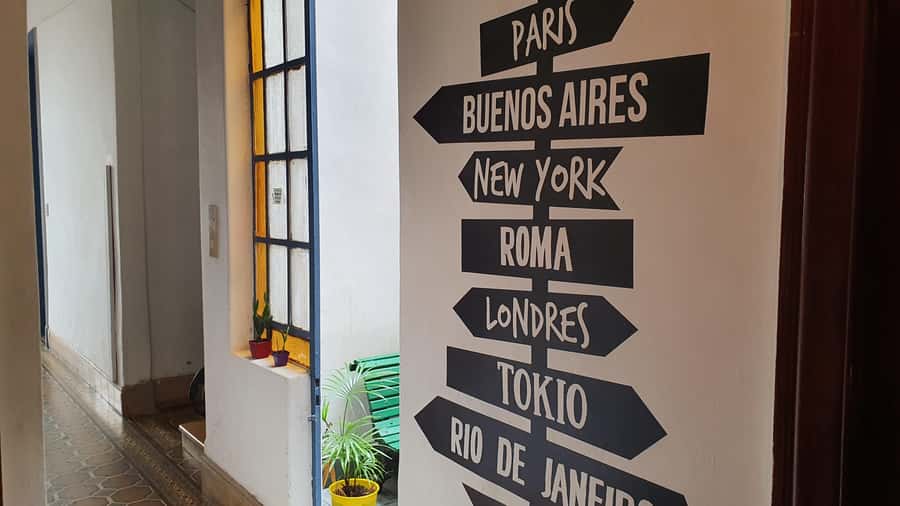
Because there’s no hotel pickup, your biggest job is simple: get to the meeting point on time. You’ll need to ring the bell at the exact address when you arrive.
Wear comfortable clothes. That’s the only clothing guidance given, and it’s the most important one—tango is all about movement, and you’ll be happier if you’re not adjusting tight things every few minutes.
Also, arrive with the mindset of learning, not performing. This class is designed to teach first steps. If you go in expecting mastery, you’ll feel behind. If you go in ready to try, you’ll leave with a clearer sense of tango rhythm and how the basics connect.
Should you book this Buenos Aires tango class?
If you want an intro to tango that feels friendly, social, and practical, I think you should book it. The strongest reasons are the combination of Johana Copes’ team teaching, the included mate and sweet table break, and—most importantly—the second hour of practice with teachers. That last piece turns the experience from entertainment into actual progress.
Skip it or reconsider if you’re looking for lots of one-on-one coaching in a class-heavy format, because the teacher time can depend on who’s in the room. Also, if you have mobility or health considerations listed in the unsuitability notes, don’t take chances—find an option that fits your needs.
FAQ
How long is the Buenos Aires group tango class with mate and snacks?
It lasts 2 hours total. The experience includes a 1-hour group tango class and 1 hour of free practice with the teachers.
What does the class cost?
The price is $25 per person.
Where does the experience take place?
It’s in the Buenos Aires Province, in the Almagro neighborhood.
What is included in the ticket?
Included are the 1-hour group tango class, tasting of authentic Argentine mate, a sweet table for the snack, and 1 hour of practice with teachers.
What is the meeting point procedure?
When you arrive, you need to ring the bell at the exact address.
Do you get hotel pickup and drop-off?
No. Hotel pickup and drop-off are not included.
What languages is the live tour guide available in?
The live tour guide offers English, Portuguese, and Spanish.
What should I bring?
You should wear comfortable clothes.
Is this activity suitable for children or people with health or mobility limitations?
It’s not suitable for children under 13, pregnant women, people with heart problems, or wheelchair users.
Can I cancel and get a refund?
Yes, free cancellation is available up to 24 hours in advance for a full refund.
Is there an option to reserve without paying right away?
Yes. Reserve now & pay later is available, allowing you to book your spot and pay nothing today.