REVIEW · ARGENTINE COOKING CLASSES
Buenos Aires: Empanada & Alfajor Cooking Lesson in Palermo
Book on GetYourGuide →Operated by Signaturetours · Bookable on GetYourGuide
Want empanada skills in 150 minutes? This Palermo cooking class turns hands-on Argentine food into an easy, fun lesson on empanadas and alfajores, with mate tea and cultural chat woven in. I love that you’re not just watching—you’re shaping, filling, and baking, and the result is what you get to eat. One thing to consider: there’s no hotel pickup, so you’ll want to plan your walk or transit to the meeting address.
The guides bring the room to life. In this class, you might be taught by instructors like Carolina, Catalina, Tomas, or Paulina, and the common thread is patience and clear step-by-step directions. If you’re traveling with kids, that teaching style matters. It keeps things organized, and folding those empanadas becomes a real activity instead of a chore.
In This Review
- Key things you’ll remember from this Palermo class
- Palermo’s empanadas and alfajores: more than a cooking demo
- Price and time: does $49 feel worth it?
- Getting to Gorriti: the meeting point detail you shouldn’t skip
- Empanadas first: dough, filling, and the folding technique
- Meat or vegan options
- You might compare store dough vs homemade dough
- The alfajores portion: baking cookies and filling them right
- Mate tea and cultural chat: the part that makes it feel local
- Hands-on means you’ll actually do the work
- How to get the most out of the class (especially with kids)
- Food you’ll come away with (and why technique matters)
- Who should book this Palermo cooking lesson?
- Should you book this empanada and alfajor class in Palermo?
- FAQ
- Where is the meeting point for the cooking class?
- How long is the experience?
- What does the price include?
- Is hotel pickup or drop-off included?
- Will the class run if it rains?
- Is the class hands-on?
- Are there meat and vegan options?
- What languages are available?
- What is the cancellation policy?
Key things you’ll remember from this Palermo class
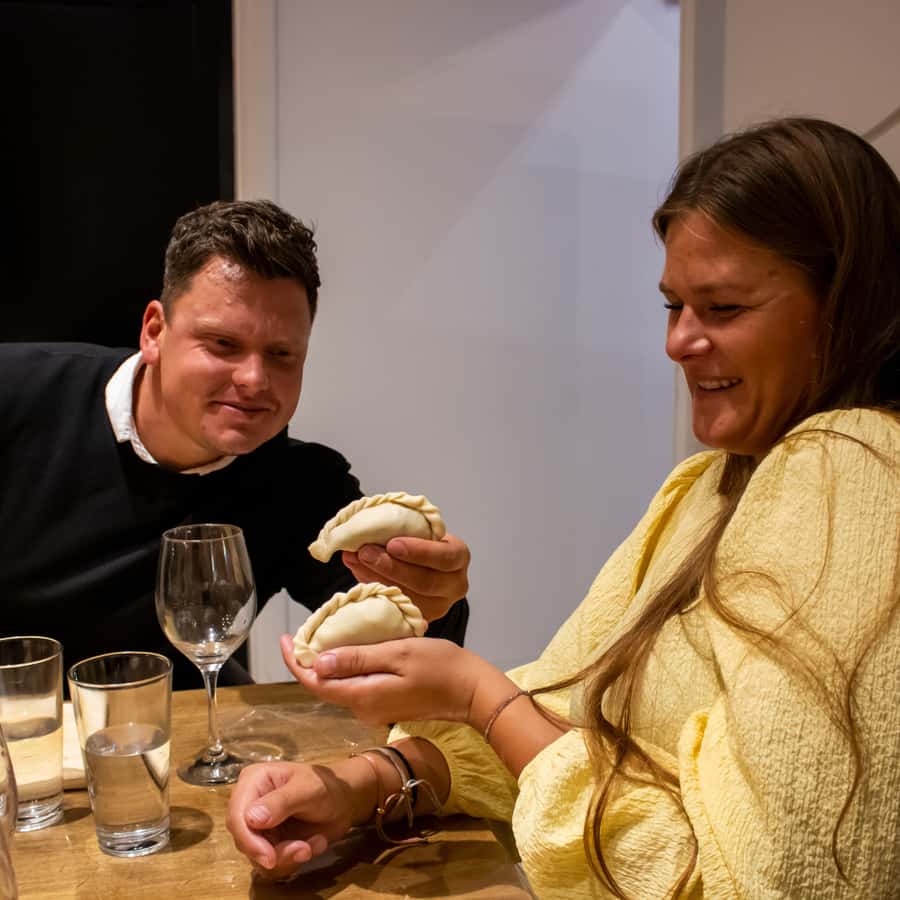
- Empanada folding practice: you’ll learn the folding technique that affects how they bake and seal
- Meat or vegan fillings: you can match the lesson to your preferences
- Dulce de leche alfajores: mix, bake, and assemble creamy sandwich cookies
- Mate tea + culture talk: not just food—there’s context while you work
- You eat what you make: the meal is tied to your own cooking, not an afterthought
Palermo’s empanadas and alfajores: more than a cooking demo
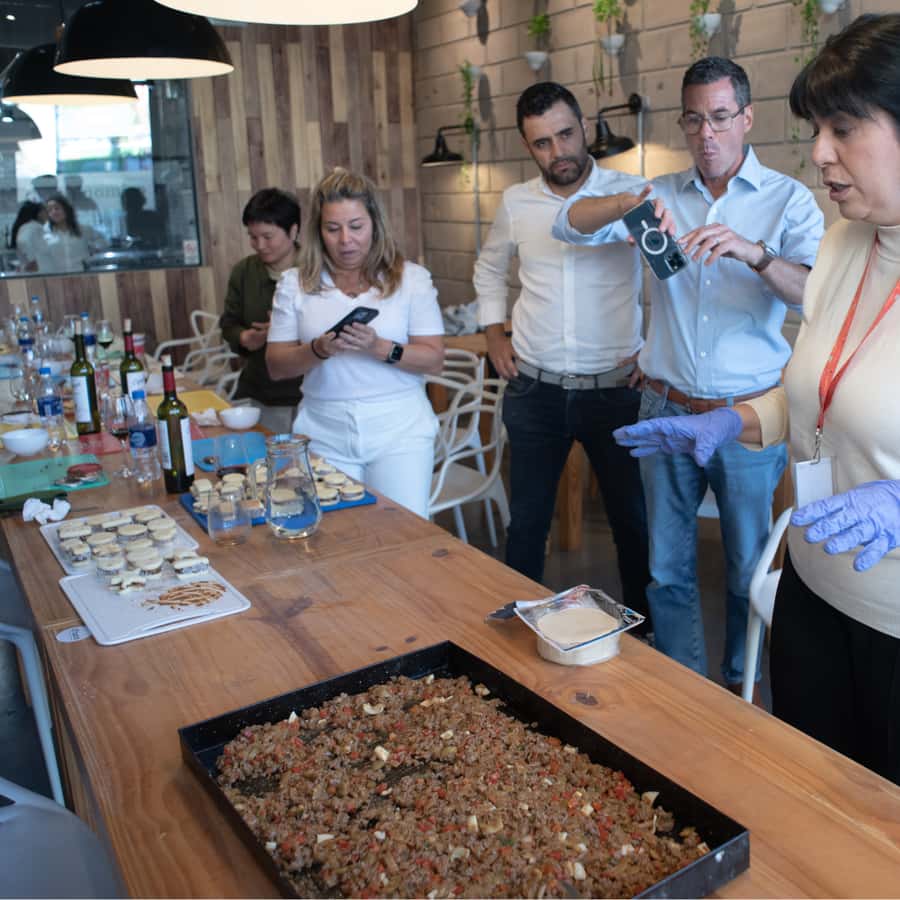
Buenos Aires can be overwhelming in the best way. Loud streets. Big neighborhoods. Lots of choices for where to eat. This class cuts through that. You get one focused mission: make two of Argentina’s most-loved foods, right there in Palermo, with an instructor guiding you from start to finish.
What I like most is the mix of cooking skill and food culture. Empanadas aren’t just tasty hand pies; they’re part of daily life in Argentina. Alfajores are similar—simple ingredients, but the technique and balance matter. When you learn why those fillings and textures work, you stop guessing at home.
And yes, it’s hands-on. The point is to give you the steps for dough, filling, shaping, and finishing. If you’re the kind of traveler who likes to take something practical home—something you can actually repeat—this fits.
You can also read our reviews of more cooking classes in Buenos Aires

Price and time: does $49 feel worth it?
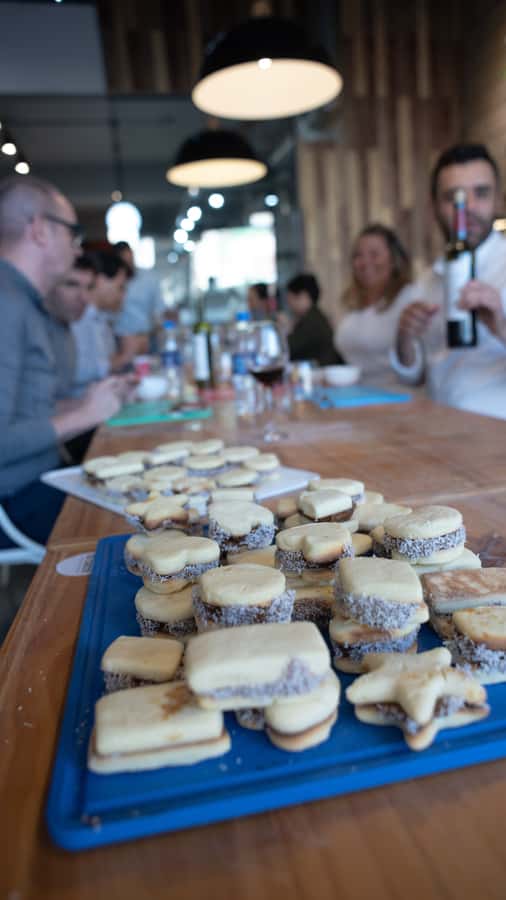
For $49 per person, you’re buying 150 minutes of guided cooking plus the ingredients for both empanadas and alfajores, along with mate tea. That’s a solid deal compared with a lot of food experiences that are mostly tasting and minimal prep.
Here’s the value math I’d use: you’re not just sampling; you’re producing. You should expect to walk away with enough food to eat during the class, and you’ll also have a clear process you can follow later. In the real world, that’s what makes cooking lessons pay off.
The main timing trade-off is your schedule. 150 minutes is long enough to learn and actually finish both recipes. So pick a time when you’re not rushing to a late show or sprinting across town afterward.
Also note the obvious: hotel pickup and drop-off aren’t included. So you’ll want to be near Palermo or comfortable heading to Gorriti on your own.
Getting to Gorriti: the meeting point detail you shouldn’t skip
Meet-up is in Palermo at Gorriti 4882, Palermo. There’s also a nearby reference of Gorriti 4886 in the important info. It’s likely the same area with slight numbering differences, but don’t gamble.
My advice: check your confirmation details the day before. Then arrive a few minutes early so you’re not standing around figuring out which building is the right one. Once you’re inside, the pace is friendly and you’ll be cooking quickly.
Empanadas first: dough, filling, and the folding technique
Empanadas are the best starting point because they teach you the core idea of the meal: handheld food, tight sealing, and flavor packed into every bite.
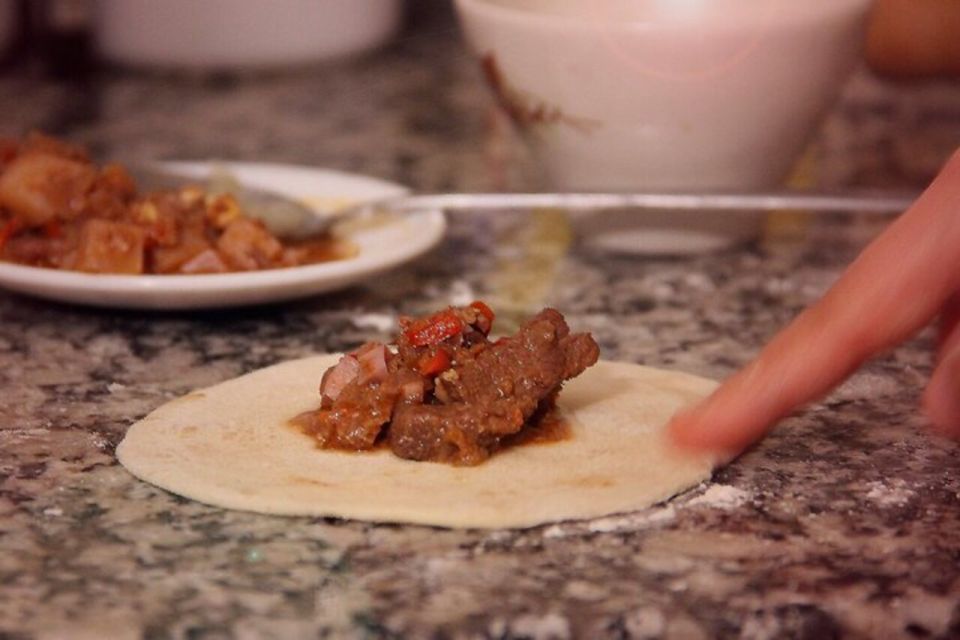
In this class, the host walks you through the preparation of Argentine empanadas, and you’ll handle the dough and filling as you go. The lesson covers the basics of getting the mixture right and then shaping the empanadas so they cook properly in the oven.
The most important skill here isn’t just the filling—it’s the folding. Empanadas can leak if they’re not sealed well, and that changes the final texture. You’ll get guided practice on the folding method, and it’s one of those skills that clicks once you try it your own way.
Meat or vegan options
You can choose between meat or vegan options for the empanadas. That matters because it keeps the lesson relevant even if you have dietary limits. You’ll still learn the same technique, but the flavor profile adapts to the filling you’re using.
If you’re cooking with kids, this flexibility is great. Everyone can participate without the food turning into a “special request” situation.
You can also read our reviews of more tours and experiences in Buenos Aires


You might compare store dough vs homemade dough
Some classes include a comparison between prepackaged dough and freshly made dough. If that happens in your session, it’s a useful moment. You’ll see how dough choices affect texture and ease. Even if it doesn’t happen every time, the overall focus stays on teaching you the method, not just letting you assemble something pre-made.
The alfajores portion: baking cookies and filling them right
After the empanadas lesson, you shift gears to dessert: alfajores. These are the iconic cookies filled with creamy dulce de leche—Argentina’s sweet obsession in cookie form.
This part of the class is structured so you can follow along even if you’re not a “serious cook.” You’ll mix, bake, and assemble the treats with hands-on guidance. The big goal is learning how to create that sandwich-cookie look and get the dulce de leche balance right—enough to taste, not so messy that it ruins the cookie.
Dulce de leche is one of those ingredients that feels mysterious until you watch how it behaves in a practical recipe. That’s where this lesson earns its keep: you learn how the dessert comes together step by step, so you can reproduce it later instead of hunting for the “right” brand forever.
Mate tea and cultural chat: the part that makes it feel local
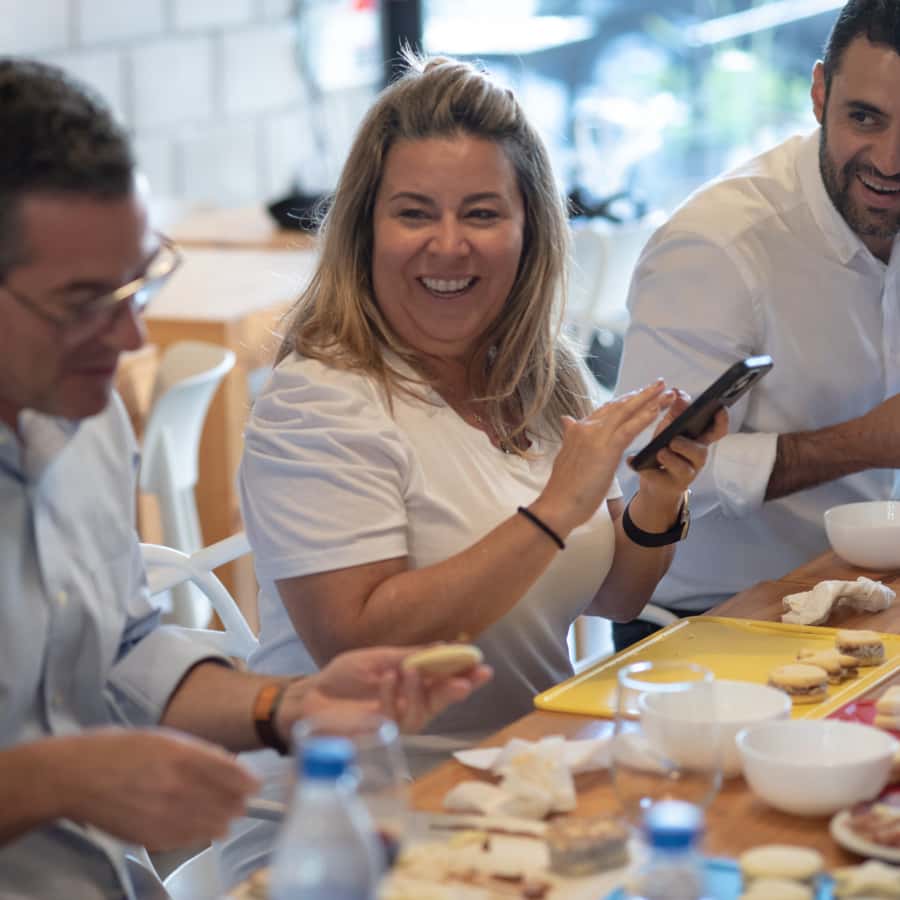
This class doesn’t treat food as isolated. You’ll have mate tea included, and the instructor shares cultural insights during the lesson.
Mate tea is a perfect pairing because it matches the social rhythm of Argentina: a warm drink you sip while chatting, not a beverage you chug and move on from. It helps the class feel like a shared meal experience rather than a school project.
A lot of the class energy comes from the instructor’s personality. Names that show up again and again in the instruction style include Carolina, Catalina, Tomas, and Paulina. The common pattern: they teach clearly, they’re patient with beginners, and they keep the conversation going so you feel welcome while you cook.
Hands-on means you’ll actually do the work
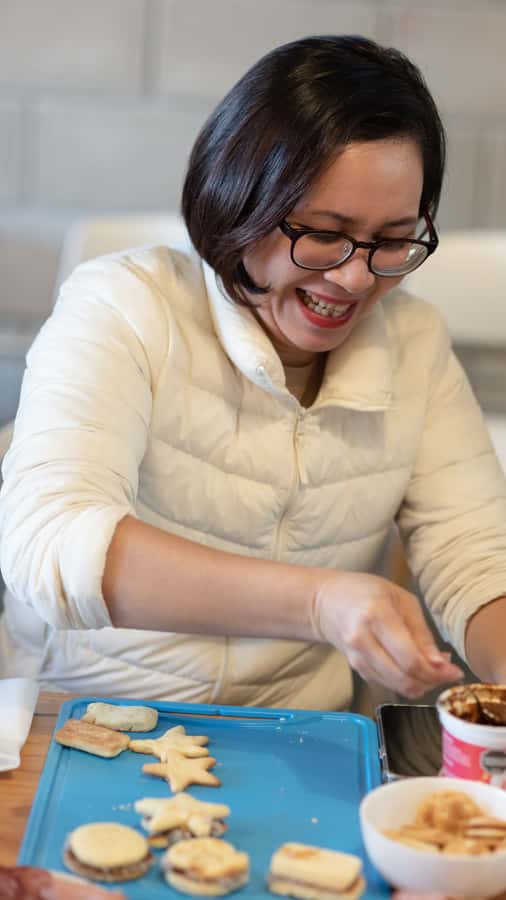
The best cooking lessons don’t let you hide behind observation. This one aims for active participation: you make your own empanadas and assemble your own alfajores.
That said, real life is real life. Some parts may move faster or involve more instructor demonstration, especially when safety or oven timing is involved. Still, you should expect that you’ll do the key cooking tasks yourself, not just watch someone else do everything.
One more practical note from experience patterns: if you’re picky about tools, you might notice utensils aren’t always top-tier. It’s not a deal-breaker, but if you care deeply about kitchen gadgets, just know this is a working lesson in a shared space, not a cookware showroom.
How to get the most out of the class (especially with kids)
If you’re traveling as a family, this is one of those experiences that fits well because the work is tangible. Dough. Filling. Shaping. Baking. Everyone can take part.
To keep it smooth:
- Wear comfortable clothes you don’t mind getting a tiny bit messy.
- Bring water and plan for an appetite payoff.
- Keep an eye on the timing so the alfajores session doesn’t catch you hungry and unfocused.
Also, go in with the right mindset. Folding empanadas looks simple until you try it. The point isn’t perfection—it’s learning the method. If your first fold isn’t pretty, that’s normal. By the time you’re on the next one, it gets easier.
Food you’ll come away with (and why technique matters)
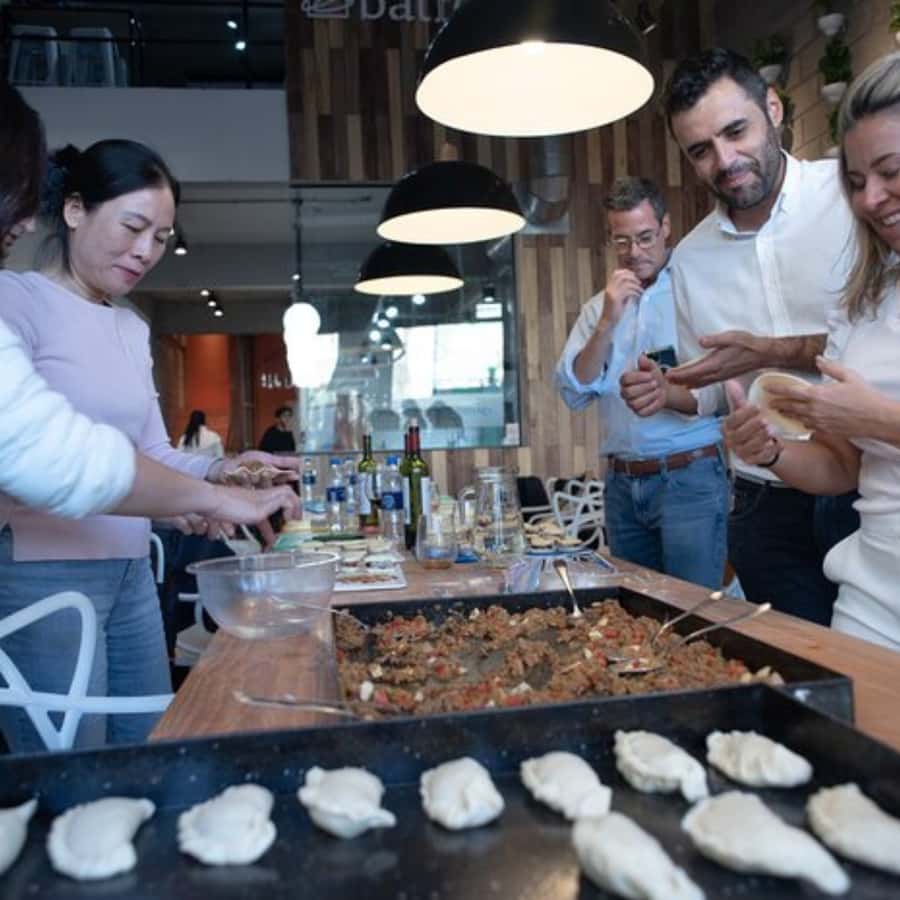
This class is built around two “learnable” recipes. Empanadas teach you savory handheld flavor and sealing technique. Alfajores teach you how dulce de leche desserts work with cookie texture and assembly.
The real win is that you’re not just leaving with a meal. You’re leaving with a process. That’s how you recreate the taste at home without turning it into a guessing game.
And because both recipes are Argentina’s signature foods, the skills transfer. Once you understand empanada shaping and filling balance, you can adapt to different flavors. Once you understand how alfajores assemble, you can explore variations while keeping the core structure intact.
Who should book this Palermo cooking lesson?
I’d book this if you:
- want a hands-on Buenos Aires food experience, not just a tasting
- like learning practical recipes you can repeat at home
- are traveling with kids and want structured fun
- want a meal built around Argentina’s most iconic comfort foods
I might skip it if you:
- hate cooking tasks and prefer a purely observational experience
- are tight on time and can’t spare 150 minutes
- don’t want to travel to the meeting address on your own (no pickup)
Should you book this empanada and alfajor class in Palermo?
Yes, I think you should book it if you want real take-home value from Buenos Aires. For $49, you’re getting a guided, 150-minute cooking lesson that centers on two iconic dishes—plus mate tea and cultural context. The instruction style you’ll encounter (often led by instructors like Carolina, Catalina, Tomas, or Paulina) tends to focus on patience and clarity, which is exactly what beginners need.
Just plan one thing: get to Gorriti on time, since pickup isn’t part of the deal. If you do that, you’ll likely leave with food you made yourself and a skill set you can use long after the trip.
FAQ
Where is the meeting point for the cooking class?
The meeting point is at Gorriti 4882, C1414 CABA, Palermo, Argentina. The important info also lists Gorriti 4886, Palermo, so it’s smart to double-check the exact number in your confirmation.
How long is the experience?
It lasts 150 minutes.
What does the price include?
It includes empanadas ingredients, alfajores ingredients, a local instructor, and mate tea.
Is hotel pickup or drop-off included?
No, hotel pickup and drop-off are not included.
Will the class run if it rains?
Yes. The experience will take place even if it rains or shines.
Is the class hands-on?
Yes. You cook your own Argentine empanadas and make your own dulce de leche alfajores with hands-on guidance.
Are there meat and vegan options?
Yes. There are meat or vegan options available for the empanadas.
What languages are available?
The live tour guide offers English, Spanish, and Portuguese.
What is the cancellation policy?
Free cancellation is available up to 24 hours in advance for a full refund.