REVIEW · PALERMO & STREET ART TOURS
Palermo: Graffiti and Street Art Guided Tour in English
Book on GetYourGuide →Operated by Buenos Aires Free Walks · Bookable on GetYourGuide
Palermo’s walls tell stories fast. This 2-hour guided street-art walk in Palermo helps you read what you’re seeing, from early political posters to later graffiti techniques, with stops that make Buenos Aires feel personal. I really like the way guides connect the art to Argentina’s politics, and I especially like the photo moments like the Trump Wall at Madison Avenue Bar.
Guides such as Elina and Vito stand out for their energy and clarity, turning odd-looking tags and murals into something you can actually interpret on the street. You’ll walk away knowing why graffiti in Argentina could be seen as public endorsement, propaganda, and election-era messaging, not just decoration.
One consideration: it’s a walking tour in real city blocks, so if you want total quiet or lots of time for slow lingering, this fast-paced format may feel a bit tight.
In This Review
- Key things to know before you go
- Palermo’s Graffiti Walk: More Than Pretty Walls
- Meeting at Plaza Serrano: The One-Stop Start That Works
- The 2-Hour Route: How It Feels in Real Time
- Stop-by-Stop: What You’ll See and Why It Matters
- Plaza Cortazar Area: Setting the Context Before You Get to the Walls
- Madison Avenue Bar and the Trump Wall: A Photo Stop With a Political Punch
- The 1920s Foundations: Street Art as Political Endorsement
- 1969 and the Aerosol Shift: Faster Messages, New Urban Energy
- The 1970s: Protest, Participation, and Social Conflict
- Guides Make the Difference: What People Keep Praising
- Practical Tips So You Get the Most Out of It
- Price and Value: Is $13 a Good Deal?
- Who This Tour Suits Best
- Should You Book This Palermo Street Art Tour?
- FAQ
- How long is the Palermo graffiti and street art guided tour?
- Where do I meet the guide?
- Will the tour run if it rains?
- Is the tour in English?
- Is the tour wheelchair accessible?
- How much does it cost?
Key things to know before you go
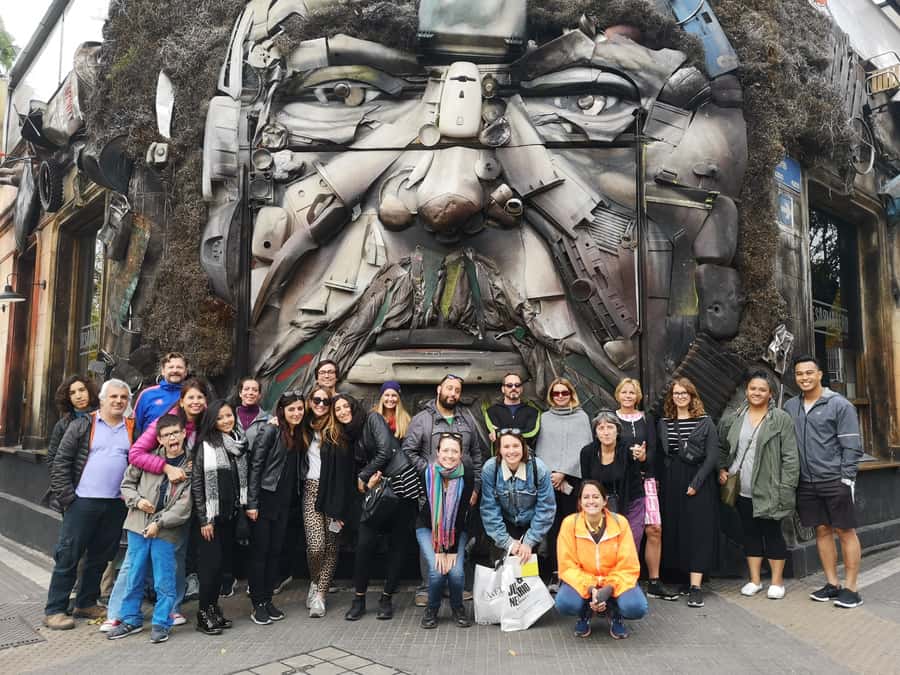
- Orange-shirt guide at Plaza Serrano: easy start once you know what to look for (big PALERMO sign).
- Trump Wall photo stop: a recognizable, conversation-starting wall for your camera roll.
- Politics first, style second: you learn how street art grew out of public conflict and protest.
- Aerosol paint era explained: you connect the shift around 1969 to faster, bolder messaging.
- English live guide: built for travelers who want context, not just locations.
- Stays on schedule in rain: the tour continues even if the weather turns.
Palermo’s Graffiti Walk: More Than Pretty Walls
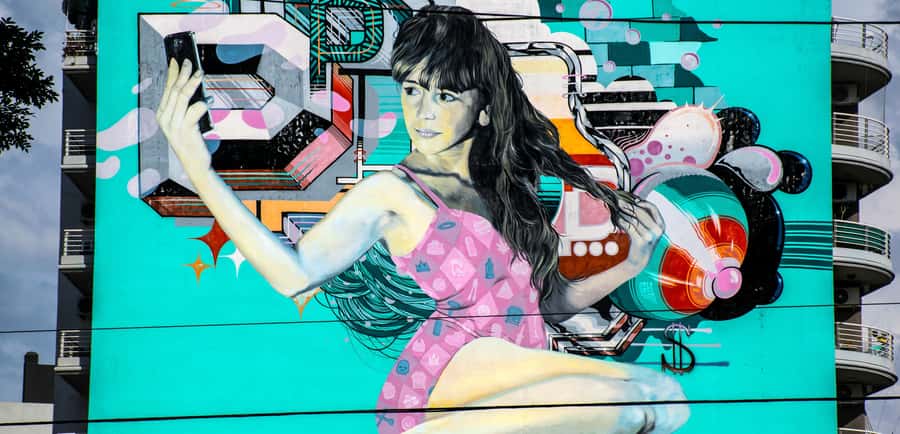
Palermo is where Buenos Aires quietly flexes its creative side. But on this tour, you’re not just drifting past murals. You’re being taught how to read them—who they targeted, what they claimed, and why they appeared when they did.
At $13 per person for a 2-hour guided walk, the value comes from the context. Street art can look random if you only study it visually. Here, you get the political backstory that explains why certain images and styles showed up when they did, and why people treated them as a form of speech.
You’ll also get a real sense of the neighborhood you’re in. Palermo can feel trendy and polished, but the street art reminds you that the city’s voice isn’t limited to galleries or official landmarks.
You can also read our reviews of more guided tours in Buenos Aires
Meeting at Plaza Serrano: The One-Stop Start That Works
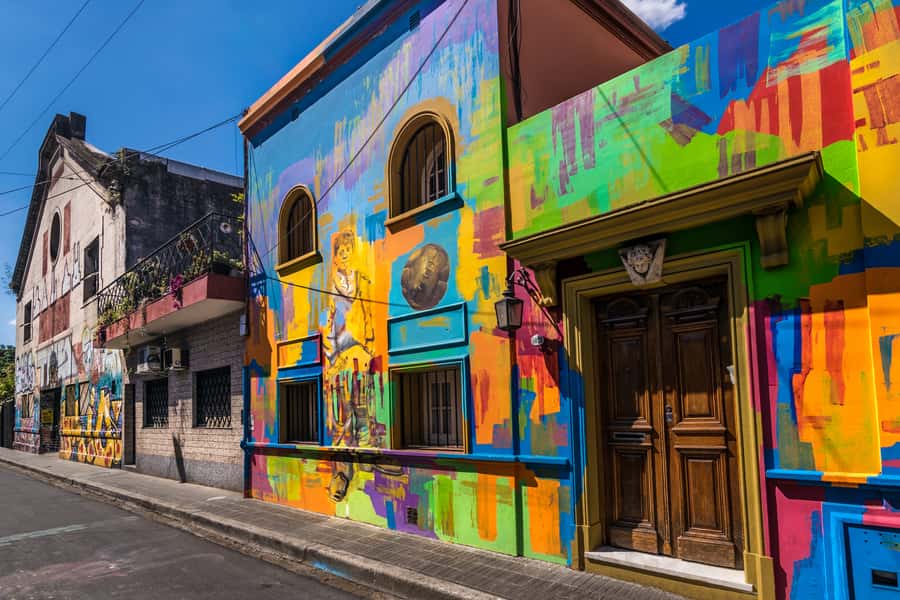
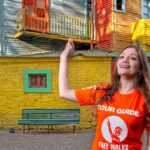
You start around Plaza Serrano (Plaza Cortazar), specifically at the corner of Jorge Luis Borges and Honduras. The meeting point is simple once you know the visual cue: look for the guide in an orange t-shirt with a big PALERMO sign.
That matters more than it sounds. In a place like Palermo, a few blocks can mean a totally different feel—so starting in the right pocket of the neighborhood helps you settle fast and spend the tour time on art, not searching.
You’re also walking to the end point at Plaza Inmigrantes de Armenia, so it’s built like a route, not a loop where you keep retracing your steps.
The 2-Hour Route: How It Feels in Real Time
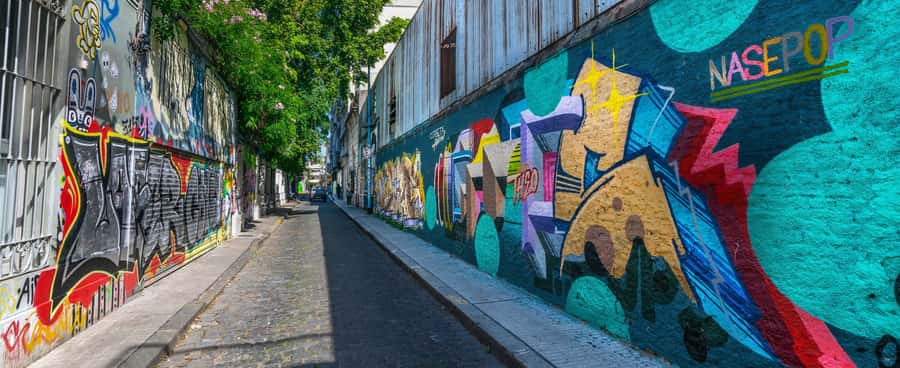
This tour is short enough to keep your attention, long enough to change your brain’s “street art filter.” You’re moving at a pace that’s active but designed around stops where the guide can explain the meaning behind what you see.
If you’re the type who likes to hear stories while you walk, you’ll probably enjoy the flow. The guided format is what turns street art from background texture into something that clicks. The guide also makes it easier to notice details you’d otherwise overlook—like recurring themes, lettering styles, or the difference between older and newer street-art techniques.
And yes, you may be with a larger group at times. The good news: guides tend to keep people together and make sure you can still hear the explanation while the pace stays manageable.
Stop-by-Stop: What You’ll See and Why It Matters
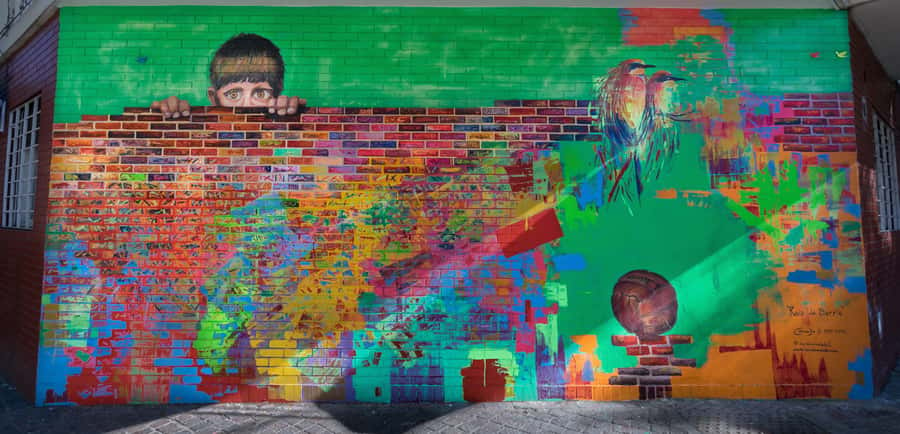
Plaza Cortazar Area: Setting the Context Before You Get to the Walls
Before you hit the more iconic pieces, you’re getting oriented. Palermo’s street art isn’t just “aesthetic.” The tour frames it as part of Argentina’s public life—especially politics and protest.
This early framing is useful because it shapes how you view everything that comes next. Instead of asking, What is this?, you start asking, What is it responding to?
You can also read our reviews of more tours and experiences in Buenos Aires
Madison Avenue Bar and the Trump Wall: A Photo Stop With a Political Punch
One of the tour highlights is the chance to take pictures of the Trump Wall at Madison Avenue Bar. Even if you don’t know the full story behind every layer of paint, this is the kind of stop that makes the tour feel real and current.
More importantly, it’s where the political conversation becomes obvious. Street art here isn’t pretending to be neutral. It’s commentary—sometimes sharp, sometimes ironic, always tied to real public debates.
If you care about photography, this is one of your best “arrive ready” spots. Plan to pause, take a few angles, and then listen—because the guide’s explanation helps you understand what you’re photographing beyond the obvious face or slogan.
The 1920s Foundations: Street Art as Political Endorsement
A big part of the tour is historical, and it’s not dry. You travel back to the 1920s to understand the political movements gaining traction in Argentina at the time.
You learn how graffiti and street messaging were sometimes treated like public endorsement—used as propaganda and as part of election campaigns. That changes the way you look at the street. You start seeing walls as communication boards, not just surfaces.
This section is valuable for anyone who’s visited Buenos Aires and felt like the city has “layers.” The art here helps explain those layers—why certain kinds of messages felt necessary to place where everyone could see them.
1969 and the Aerosol Shift: Faster Messages, New Urban Energy
Then the tour zooms forward to 1969, when aerosol paints arrive and change the game. The key idea: with aerosol, people can write messages much faster than before.
That doesn’t just change technique. It changes speed, and speed changes behavior. When messages can spread quickly, street art becomes more reactive—less controlled by slow process, more capable of responding to what’s happening now.
You also learn that this period connects to a different military government, and that the political climate influenced what people did with public space. Understanding that link helps you grasp why street art can feel urgent, even when it looks like it’s just another mural.
The 1970s: Protest, Participation, and Social Conflict
From there, the story moves into the 1970s, when urban movements grew more intense. You hear about how Argentinians became progressively more involved in protesting, and how that shaped the social conflict of the time.
This is where the tour becomes more than a history lecture. It gives you a framework for understanding why street art can ramp up during periods of tension: people aren’t just making art; they’re taking part in a public argument.
Even if you don’t follow Argentine politics closely, you’ll leave with a better sense of how collective frustration and collective identity can show up on walls.
Guides Make the Difference: What People Keep Praising
The most consistent theme from guide feedback is that the tour doesn’t feel like a script. It feels like a guide who cares.
You’ll hear stories and explanations delivered with real personality. Guides like Elina and Vito are often singled out for being entertaining and for weaving art history with Buenos Aires culture and street-level detail. Many guides also bring humor and a casual confidence that makes the facts easier to hold onto.
If you’re worried about tours that feel rushed or too academic, this one tends to avoid that trap. The best guides translate history into street observations—so the city itself becomes the classroom.
Practical Tips So You Get the Most Out of It
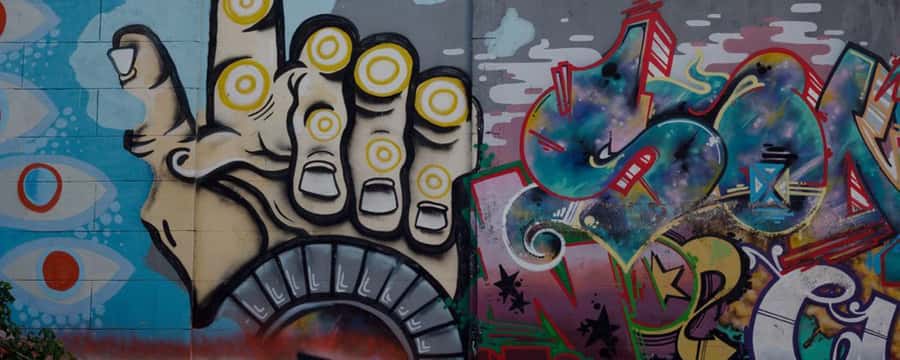
- Bring your phone camera, but also keep it down long enough to listen. The meaning sticks better when you hear it before the big photo moment.
- Wear comfortable shoes. You’re walking around Palermo for a full two hours.
- If you’re doing this on an afternoon with other plans, give yourself a small buffer. Street art tours can pull you into extra photo stops on the way.
And because the tour runs even in rain, you might want a light layer or compact umbrella so you don’t get grumpy halfway through.
Price and Value: Is $13 a Good Deal?
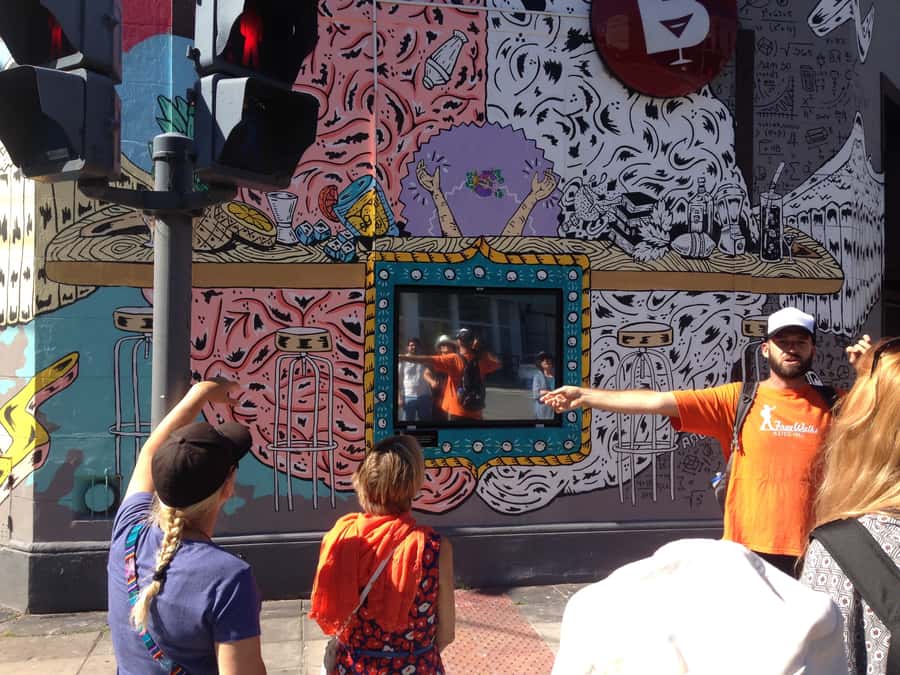
At $13, this tour is priced like a no-stress add-on, not a big splurge. The real value is that you’re paying for context that you can’t easily collect on your own in the same time.
Two hours is also smart. For street art, too-short tours often skim the meaning. Too-long ones can start repeating visual impressions without adding much new interpretation. Here, the structure is short enough to keep your attention, and the topics are specific enough—1920s political use, the 1969 aerosol shift, and the 1970s protest atmosphere—that you get a coherent story.
If you’re in Buenos Aires for a few days and want one focused, memorable walk that changes how you see the city, this fits well.
Who This Tour Suits Best
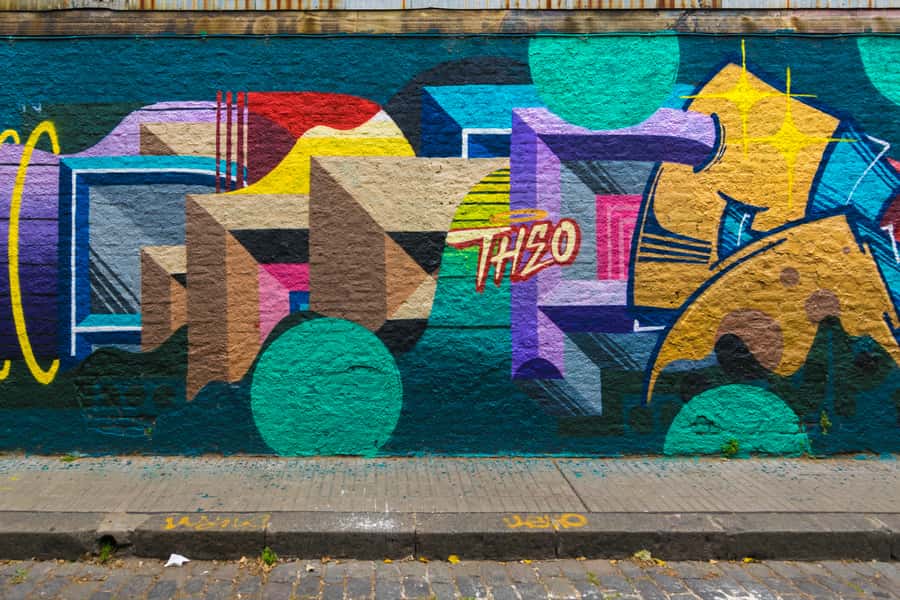
This is a great match if you:
- like understanding the why behind street art, not just the where
- want an easy way to explore Palermo without building your own route
- enjoy guided storytelling that mixes politics, social change, and visual culture
It may be less ideal if you:
- hate walking for two hours on city streets
- prefer strict museum-style explanations with zero humor and zero audience interaction
Should You Book This Palermo Street Art Tour?
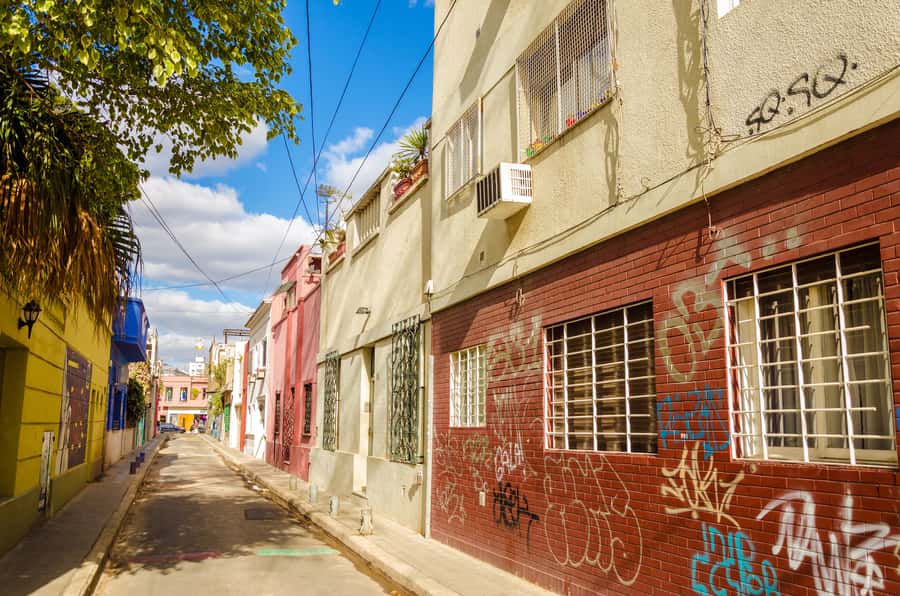
I’d book it if you want a compact tour that teaches you how to look at Buenos Aires walls with better instincts. The strongest part is the political timeline—1920s propaganda messaging, the 1969 aerosol paint turning point, and the 1970s protest-driven conflict—because it turns randomness into pattern.
You’ll likely feel most satisfied if you plan to slow down at the key photo stops and listen for the context the guide gives. If that sounds like your kind of outing, this is one of the best ways to spend a couple of hours in Palermo.
FAQ
How long is the Palermo graffiti and street art guided tour?
The tour lasts about 2 hours.
Where do I meet the guide?
You meet at Plaza Serrano (a.k.a. Plaza Cortazar), at the corner of Jorge Luis Borges and Honduras St. Look for the guide in an orange t-shirt (big PALERMO sign).
Will the tour run if it rains?
Yes, the tour still takes place even if it rains.
Is the tour in English?
Yes, the live tour guide provides the tour in English.
Is the tour wheelchair accessible?
Yes, it is wheelchair accessible.
How much does it cost?
It costs $13 per person.