REVIEW · FOOTBALL & STADIUM TOURS
La Boca, a collective creation: Port, immigrants, arts and football
Book on Viator →Operated by La Otra Buenos Aires Tours · Bookable on Viator
La Boca leaves you curious fast, not after the photos. This tour tells the neighborhood story through immigrants from the port, the arts that grew there, and why football matters so much. You start at Caminito, then move into the less-touristy streets where you can connect what you’re seeing to the people who built it.
Two things I really like: you get a guided take that goes beyond surface sights, and you also get a chance to try local pastries at a famous bakery. One drawback to plan for: the walk ends by La Bombonera, but stadium entry isn’t included, so you may need to budget extra if you want to go inside.
In This Review
- Key highlights for your La Boca walk
- Why this La Boca tour feels like the neighborhood, not a checklist
- Meeting at La Vuelta de Rocha and ending by La Bombonera
- Caminito first: the famous street, with a purpose
- Leaving the postcard: how the immigrant story changes what you see
- Plazoleta Bomberos Voluntarios de La Boca and the street art logic
- La Bombonera: football culture and what the stadium represents
- The bakery stop: a small food break that actually fits the story
- Time, group size, and pacing: what 2 hours really means
- Price and value: $65 for a story-led neighborhood route
- Who should book this La Boca tour (and who might skip it)
- Should you book La Boca, a collective creation: Port, immigrants, arts and football?
- FAQ
- How long is the tour?
- What does the tour cost?
- How big is the group?
- Are admissions included for Caminito and La Bombonera?
- Where do I meet and where does the tour end?
- What happens if the weather is bad or I cancel?
Key highlights for your La Boca walk
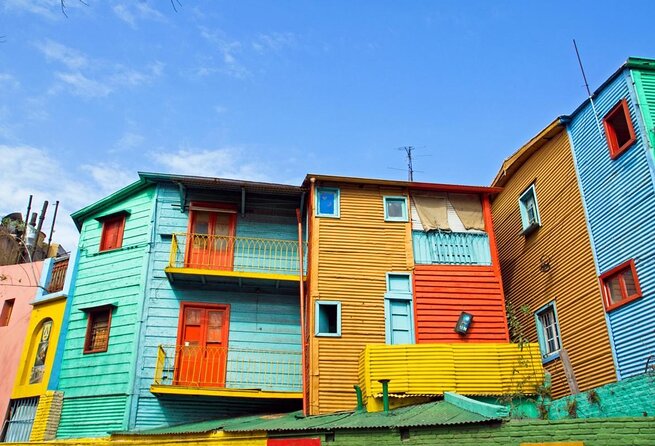
- Caminito starts the story with Argentina’s most famous street, then you go further.
- Non-tourist streets help you understand daily neighborhood life, not just the photo spot.
- Immigrant origins from the port connect the area’s look and feel to real migration.
- Street art at Plazoleta Bomberos Voluntarios de La Boca ties style to community identity.
- Football as a shared language leads you to La Bombonera, one of the world’s best-known stadiums.
- A bakery stop gives you a simple way to taste the neighborhood, not just look at it.
Why this La Boca tour feels like the neighborhood, not a checklist
La Boca is easy to reduce to “colorful street + stadium.” This tour resists that. It treats the quarter like a collective creation—port work, immigrant communities, street art, and football culture all braided together over time.
That approach matters because La Boca isn’t just decorative. The walls, the shapes, the music-from-the-streets energy (you’ll feel it even on a walk) are part of how the community explains itself. When the guide talks about the past and the present—including the neighborhood problems—you’ll get more than a pretty walk. You’ll get context for why people care so much about their identity.
The group stays small—up to 12 people—which makes it easier to ask questions and hear answers without shouting over a crowd. And since it runs about two hours, it’s a good fit if you want something meaningful without eating your whole morning.
You can also read our reviews of more tours and experiences in Buenos Aires.

Meeting at La Vuelta de Rocha and ending by La Bombonera
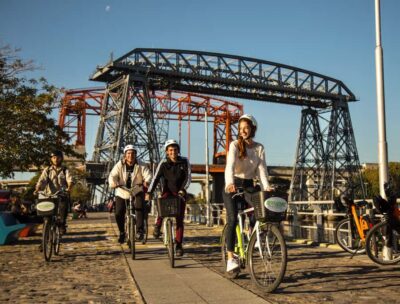
Your start point is La Vuelta de Rocha, at Av. Don Pedro de Mendoza 1859 (C1169AAC). The tour ends at Dr. del Valle Iberlucea 437 (C1160ABE), right near La Bombonera.
That end point is practical. You get stadium views as a final “wow” without needing extra transportation to reach the area later. It also means you can pair this with other nearby stops if you want to keep wandering after the walk.
One logistics detail I’d keep in mind: the tour uses a mobile ticket, so have it ready on your phone. Confirmation happens within 48 hours of booking (subject to availability), which is helpful if you’re locking in a tight Buenos Aires schedule.
Caminito first: the famous street, with a purpose
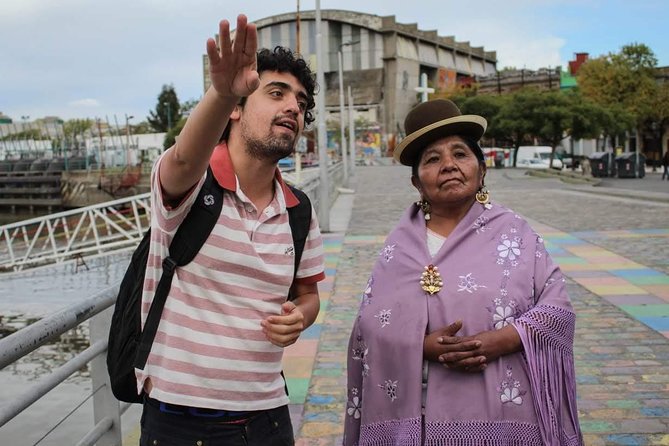
You begin at Caminito, described as the most famous street in Argentina. That part is worth doing because it gives you an instant visual anchor. Even if you’ve seen Caminito in photos, seeing it in person helps you understand why La Boca became known for this look.
But the real value is that you don’t just linger for selfies. The tour uses Caminito as the opening chapter—then you shift into the neighborhood side of La Boca, away from the busiest tourist flow. So when you later see street art and everyday corners, you’ll recognize the bigger idea: style here didn’t appear by accident.
At this stop, the admission ticket is free, so you’re not paying just to get oriented. And since Caminito is short on time (about 15 minutes), it won’t turn into an overly long “stop and shuffle.”
Leaving the postcard: how the immigrant story changes what you see
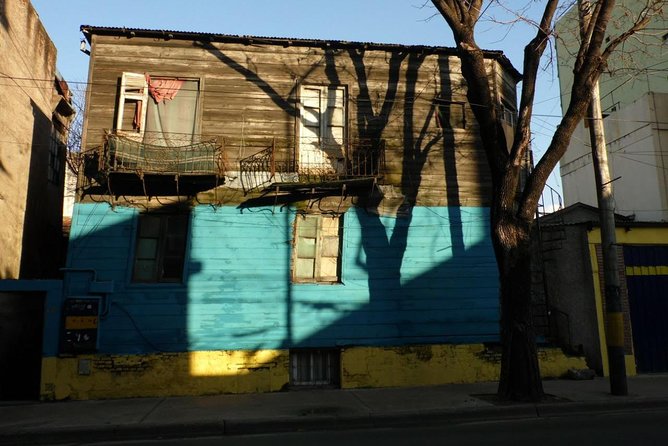
After Caminito, the route goes through non-tourist streets in the neighborhood. That change is the whole point. It’s where you start connecting the “collective creation” theme to lived space.
Here’s what you’ll take away if you pay attention: the tour focuses on immigrant origins and specifically how the port helped shape the community. La Boca’s identity wasn’t built by one group. It formed through arrivals, work, and community life—then people expressed that identity through art.
You’ll also hear about the importance of football in the neighborhood. That doesn’t mean everyone talks about the sport all day (though, sure, you’ll get the vibe). It means football became a way to belong, to compete, and to show up as a community. When the guide connects that to the immigrant story, the neighborhood feels less like a theme park and more like a place with a social rhythm.
A name you may hear in the conversation is Nico. One strong takeaway from his style (as described in feedback) is that he explains La Boca’s people in a way that feels practical—not just poetic. You come away with stories you can repeat, not just pictures you took.
Plazoleta Bomberos Voluntarios de La Boca and the street art logic
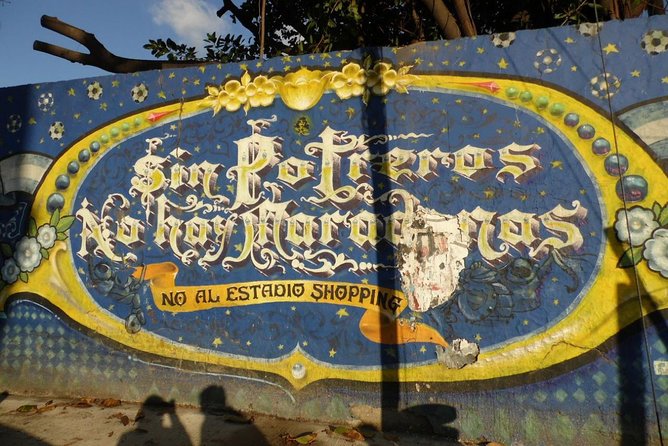
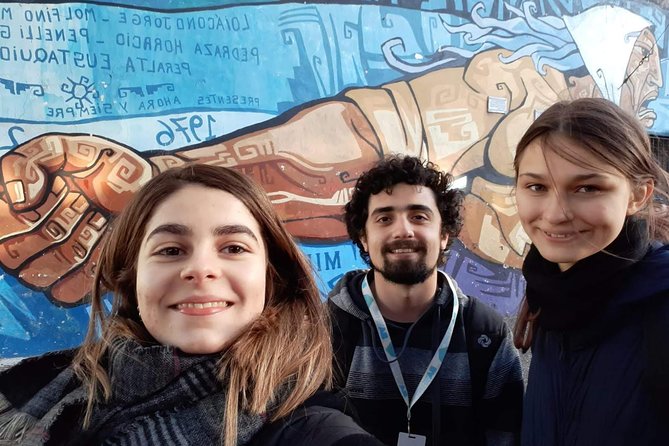
Next you’ll visit Plazoleta Bomberos Voluntarios de La Boca. This is one of those places where the art isn’t separate from the community—it’s part of how the community speaks.
The tour spends about 15 minutes here, which is enough time to slow down and look without turning into an art lecture that loses your feet. The guide’s framing (immigration, daily life, identity, and football) helps you read the murals as communication, not decoration.
One underrated benefit: at this stage you’ll likely feel the difference between “tourist La Boca” and “local La Boca.” Even if you don’t know the meaning of every detail on a wall, you’ll understand the intent. The style you see—colors, forms, and the visual language—makes sense once the guide connects it back to people making a home and leaving marks.
Admission here is free, so it’s one more stop where you’re paying for the explanation, not just entry.



La Bombonera: football culture and what the stadium represents
You then head to Estadio Alberto J. Armando (La Bombonera) for about 10 minutes. This is the area’s big international name, one of the most famous stadiums in Latin America.
Even with a short time window, you’ll get the emotional pull of the place. For many visitors, the stadium is the first thing they came to see. For this tour, it’s also the conclusion of the story: football isn’t tacked on—it’s part of how La Boca organizes pride and community.
Important planning note: stadium admission isn’t included. That means you may only get the exterior feel during the tour time, unless you’ve arranged the stadium entry separately (or the tour offers it in your specific booking). If going inside matters to you, plan for the extra cost ahead of time.
Also, remember this tour is weather-dependent. If Buenos Aires gives you heavy rain or wind, the operator may cancel and offer a different date or a refund. A short walk plus a stadium-area finish makes good weather much more important than on a purely indoor tour.
The bakery stop: a small food break that actually fits the story
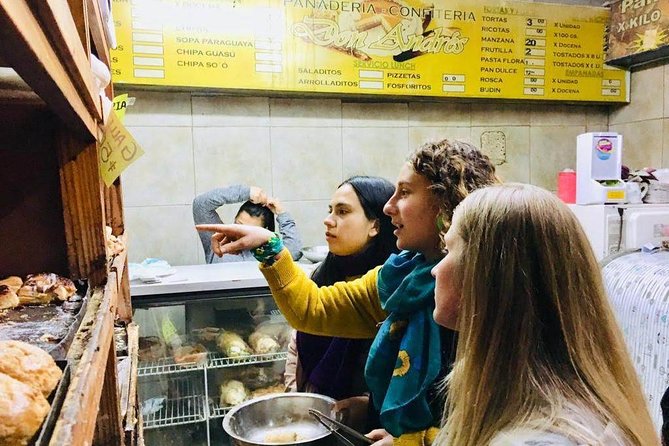
Mid-route, you’ll visit one of La Boca’s famous bakeries, where you can try local pastries. The tour doesn’t promise you a full meal, but that’s fine. This is a quick bite that fits the neighborhood theme.
Food matters on a tour like this because it turns “history on the sidewalk” into something you can taste. Even if you don’t know what to order, the simple idea is to pick pastries that feel local to the neighborhood’s daily routine, not the kind of snack you can buy anywhere.
I’d think of the bakery stop as your reset button. After walking and listening, you’ll get a chance to slow down, sit for a moment, and let the stories land. If you like food stops that don’t add hours, this is a good style.
Time, group size, and pacing: what 2 hours really means
This is a 2-hour tour (approx.). That’s a sweet spot for La Boca. You’re getting key points—Caminito, the street art plaza, and the Bombonera finish—without spending half a day commuting or waiting in long lines.
Because the group caps at 12, the pacing tends to feel human. You’re not getting one photo op after another with no explanation. Instead, you can hear what the guide is saying and keep moving without falling behind.
If you’re someone who likes walking but doesn’t want to be out all day, this fits. If you’re visiting with limited mobility or you get tired easily, the short duration helps—but you’ll still be on your feet during the walk.
Price and value: $65 for a story-led neighborhood route
At $65 for about two hours, you’re paying for more than access to sights. You’re paying for the narrative: immigrant origins from the port, the arts style of the neighborhood, and the role of football, plus the discussion of problems in the past and present.
That value gets better because several elements are free on-site (Caminito and Plazoleta Bomberos Voluntarios de La Boca) and the main paid part you might add later is the stadium entry. So your cash goes mainly toward guiding, timing, and keeping the walk coherent.
If you hate tours that repeat generic facts, this is the kind that aims to give you something you can’t get from a quick read. The feedback attached to this tour emphasizes the guide-led learning and the practical, human tone of the explanations. In other words: you’re paying for conversation, not a script.
Who should book this La Boca tour (and who might skip it)
This tour suits you if:
- You want La Boca explained as a social story, not just a visual postcard.
- You like photography, but you’d rather understand what you’re photographing.
- You enjoy a guided food moment like pastries, where it’s part of the culture—not random.
You might skip it if:
- Stadium access inside La Bombonera is your main goal. Since entry isn’t included, you may need a separate plan.
- You prefer fully unstructured wandering. This is a focused route with a clear arc.
Should you book La Boca, a collective creation: Port, immigrants, arts and football?
Yes, I’d book it if you want La Boca in context. The route hits the big landmarks, but it treats them like chapters in one neighborhood story: port-driven immigration, arts on the street, and football as community identity.
Just go in with two expectations: the stops are short, and Bombonera entry isn’t included. If you plan around that—especially if you care about going inside the stadium—you’ll get a tight, meaningful afternoon without turning it into a long tourist marathon.
FAQ
How long is the tour?
It lasts about 2 hours.
What does the tour cost?
The price is $65.
How big is the group?
The tour has a maximum of 12 travelers.
Are admissions included for Caminito and La Bombonera?
Caminito and Plazoleta Bomberos Voluntarios de La Boca are free. Admission for Estadio Alberto J. Armando (La Bombonera) is not included.
Where do I meet and where does the tour end?
You meet at La Vuelta de Rocha, Av. Don Pedro de Mendoza 1859, C1169AAC. The tour ends at Dr. del Valle Iberlucea 437, C1160ABE, next to La Bombonera Stadium.
What happens if the weather is bad or I cancel?
The experience requires good weather; if it’s canceled due to poor weather, you’ll be offered a different date or a full refund. You can cancel up to 24 hours in advance for a full refund, and cancellations within 24 hours are not refunded.