REVIEW · ARGENTINE COOKING CLASSES
Argentinian Empanadas Cooking Experience in Palermo, Bs As
Book on GetYourGuide →Operated by Signaturetours · Bookable on GetYourGuide
Empanadas in Palermo feel like instant friendship. In this 90-minute class, I like the hands-on cooking (you’ll make empanadas the Argentinian way) and the mate tea pause that turns the session into something more personal than a typical food stop. You also get cultural context from your chef, with relaxed talk about how food passion shows up from soccer stadiums to everyday life.
There is one catch to keep in mind: transportation is not included, so you’ll want a plan to reach Gorriti in Palermo on your own. If you’re expecting a full meal plus a long hangout, the 90 minutes are exactly what they say they are—short, focused, and then you sit down to share.
In This Review
- Key Highlights I’d Prioritize
- Palermo Kitchen Time: The 90 Minutes That Actually Work
- Where You’ll Start on Gorriti and How to Arrive Calmly
- Your Chef, Your Maté Moment: Why the Instructor Part Matters
- Making Argentinian Empanadas the Hands-On Way
- Cultural Stories While You Cook: Soccer, Economy, and Food Passion
- Sharing What You Make: The Table Moment That Closes the Loop
- Price and Value: Is $46 Worth It for 90 Minutes?
- Who This Class Fits Best (And Who Might Skip It)
- Practical Tips Before You Go
- Should You Book This Empanada Class in Palermo?
- FAQ
- How long is the empanada cooking experience in Palermo?
- What is the price per person?
- What’s included in the class?
- Is transportation included?
- Where is the meeting point?
- Does the class run if it rains?
- What languages is the live guide available in?
Key Highlights I’d Prioritize
- Mate tea included so you’re tasting the culture, not just eating the food
- Real empanada technique with step-by-step guidance from a local professional instructor
- A warm, friendly class vibe that people consistently describe as like cooking with friends
- Cultural conversation during cooking, including stories tied to soccer and the economy
- You eat what you make, then share around the table afterward
Palermo Kitchen Time: The 90 Minutes That Actually Work
This is one of those Buenos Aires activities that fits cleanly into a day. Ninety minutes is long enough to learn real steps and finish with food you’re proud of, but short enough that you don’t lose half your itinerary to “just one more stop.”
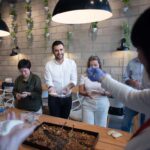
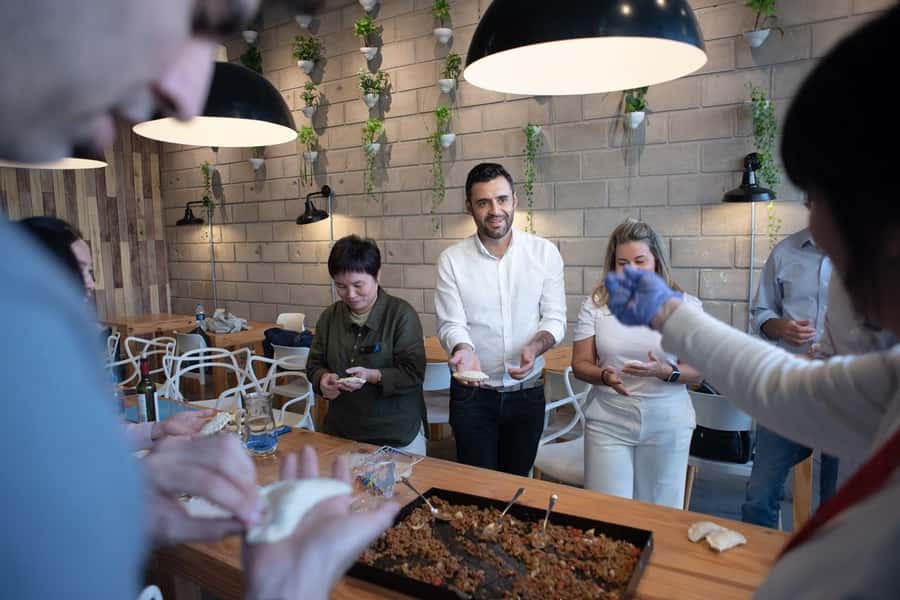
Expect a cooking setup where you follow your instructor’s flow, then take over to shape your own empanadas. The pace matters here: too slow and you’d spend the whole class watching; too fast and you’d feel lost. The format is built to keep you moving, especially since ingredients and kitchen items are included.
Also, this runs rain or shine. Buenos Aires weather can be unpredictable, but your plans don’t have to be. If you’re weighing options for a rainy afternoon, a cooking class like this tends to keep the day on track.
You can also read our reviews of more cooking classes in Buenos Aires

Where You’ll Start on Gorriti and How to Arrive Calmly
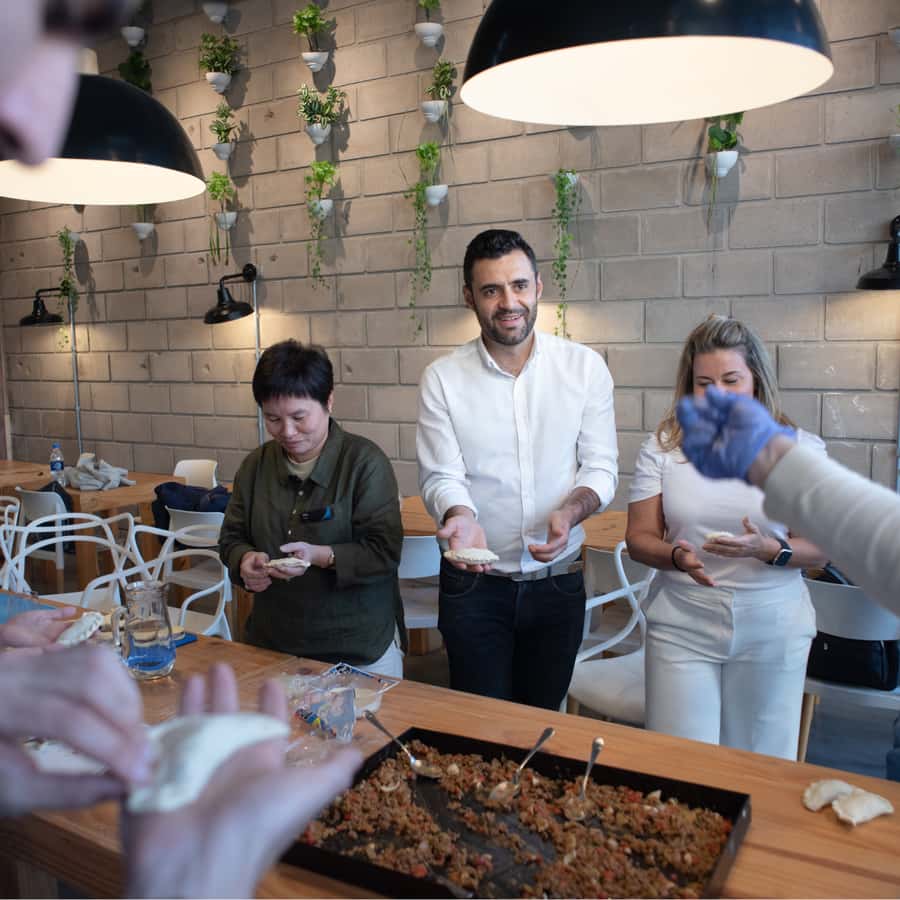
You’ll meet on Gorriti in Palermo, with the address listed as Gorriti 4882 (and the day-of meeting point given as Gorriti 4886). Either way, it’s the same Palermo neighborhood cluster—just double-check the exact number in your confirmation so you’re not hunting in the wrong doorway.
Since transportation isn’t included, think of this as an activity you plug into your own route. If you’re walking through Palermo that day, it’s a convenient fit. If you’re using taxis or ride-shares, build in a little buffer time, because a kitchen meetup needs you there when the class starts, not right at the end.
One more practical point: the instructor speaks multiple languages (Spanish, English, Portuguese). So even if your Spanish isn’t great, you should still be able to follow what’s happening and ask questions during the cooking.
Your Chef, Your Maté Moment: Why the Instructor Part Matters
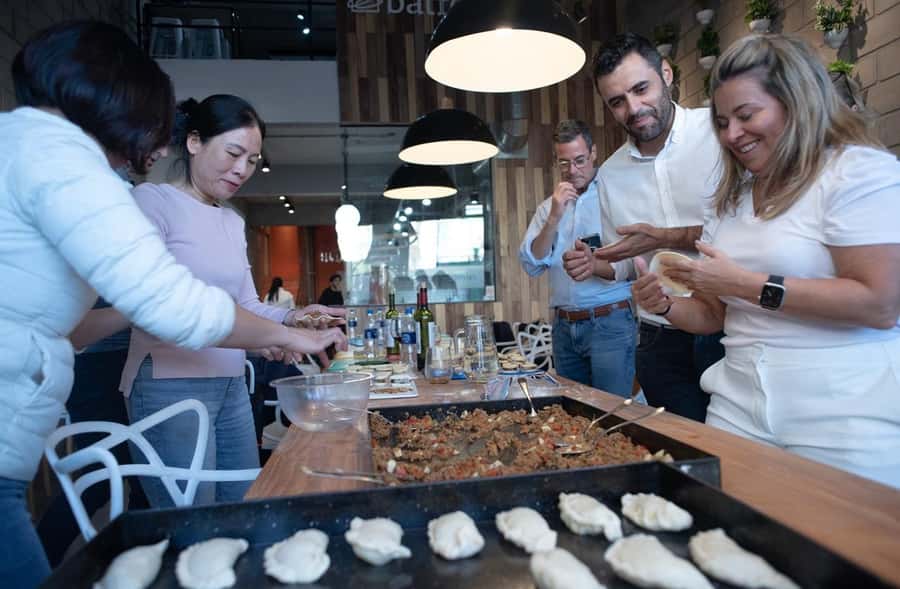
The best part of this experience isn’t just the recipe. It’s the way the class is guided by a professional local instructor who also brings cultural context along the way.
In the feedback, names like Carolina, Valentino, Debora, Tomás, and Juan come up again and again. People describe them as friendly and effective at teaching. That matters because empanadas can look simple, but small technique points can make a big difference: dough texture, sealing, and getting the filling proportions right.
You’ll also be served mate during the class. Mate isn’t just a drink here; it’s part of how Argentines slow down and share. In a cooking setting, that break gives you time to ask questions, hear the cultural stories your chef is sharing, and reset between steps.
The class also supports different language needs, which helps a lot if you’re traveling with a friend who doesn’t speak Spanish. You’re not stuck waiting for a summary—you can follow the process as it happens.
Making Argentinian Empanadas the Hands-On Way
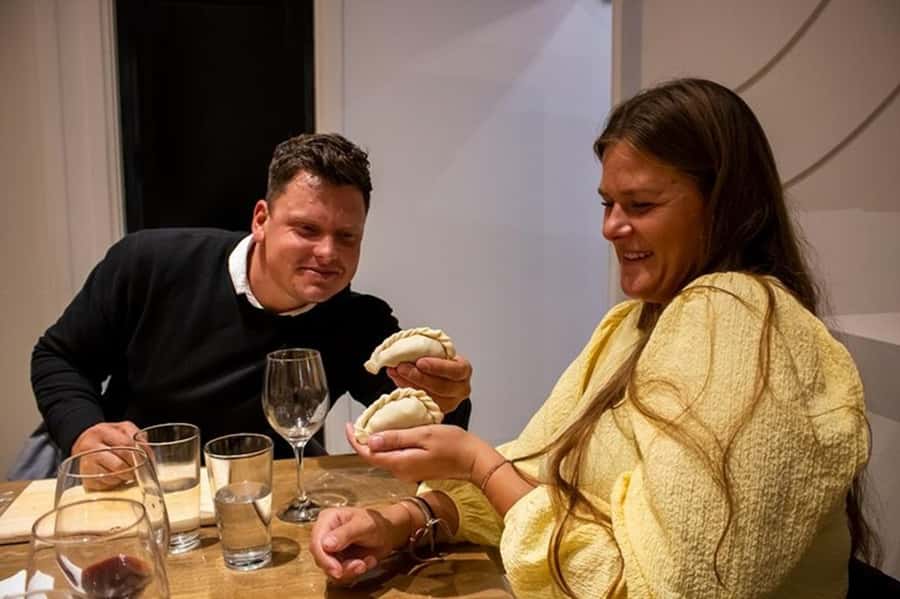
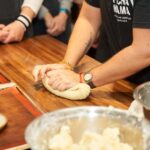
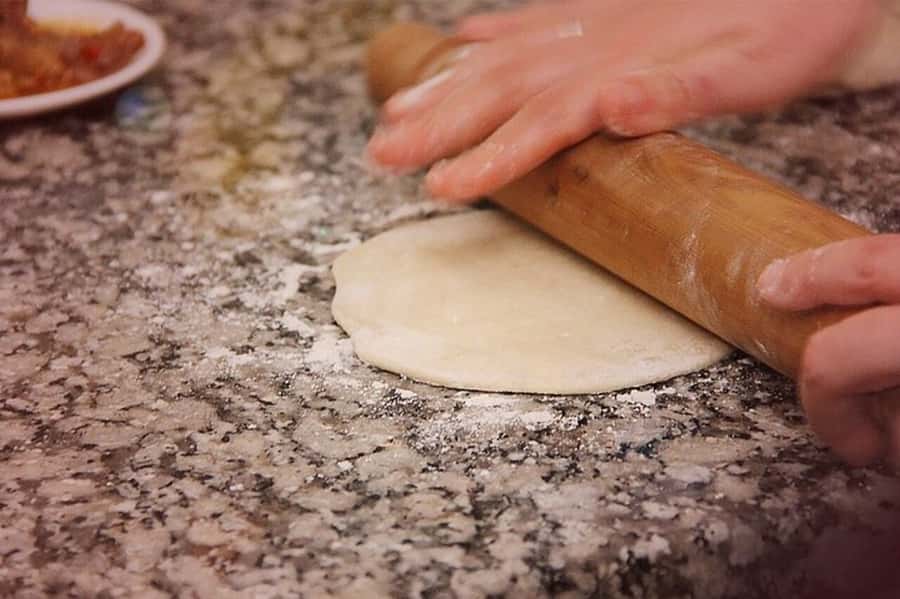
This is the core activity: you’ll prepare popular Argentinian empanadas following the steps your chef explains. You’ll be working through the process, picking up tricks and secrets as you go, and you’ll leave with a better sense of how Argentinian home cooks think about their staple dishes.
Even though the exact fillings and method can vary by style, the class is designed around a classic, widely loved approach—one of the oldest recipes in the empanada tradition. The point for you is learning the underlying method, not memorizing a single “one-time” result.
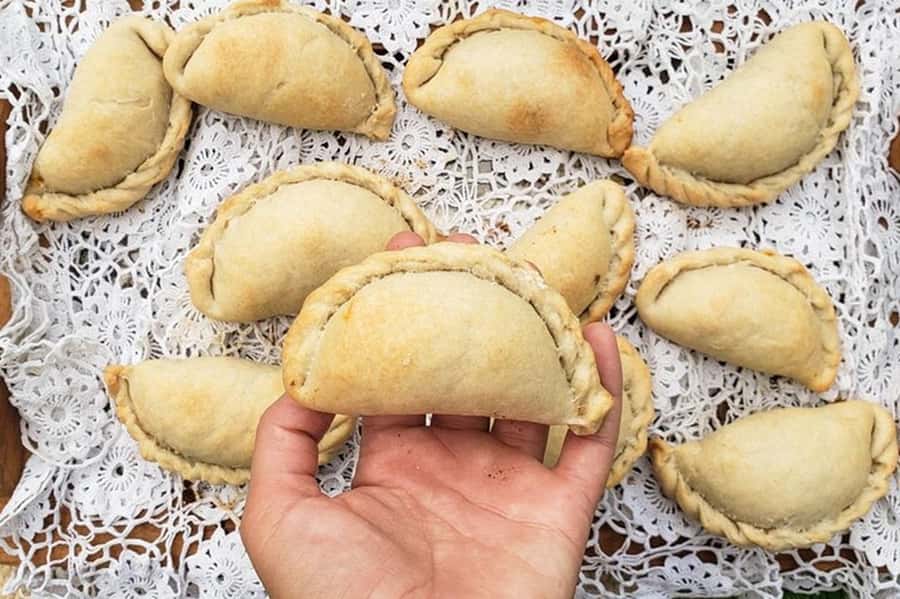
One detail that stands out from recent experiences: in at least one session, people made the dough themselves. That’s huge for value. If you’ve only ever bought empanadas and baked or fried them later, learning dough technique changes what you can do at home, and you’ll better understand why certain textures feel right.
You’ll also have kitchen items and ingredients provided, so you’re not paying extra for supplies or scrambling for tools. That makes the class feel like a complete experience, not a tutorial with hidden add-ons.
Cultural Stories While You Cook: Soccer, Economy, and Food Passion
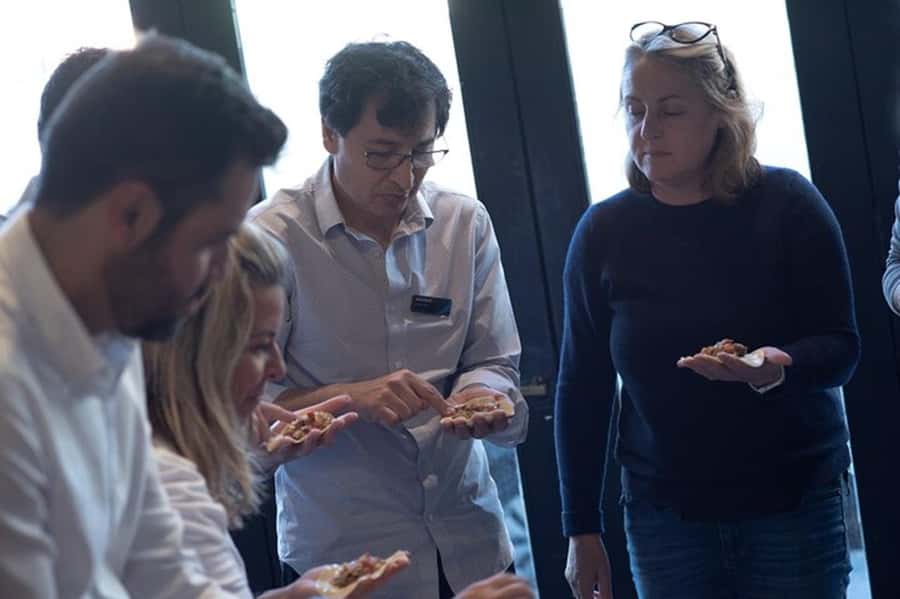
This class doesn’t treat empanadas like a museum piece. Your chef shares cultural insights in a relaxed talk, including the idea that Argentines are intensely passionate—and that shows up in food competitions as well as in soccer stadium energy and even in the broader economy.
For you, this is more than trivia. Food is one of the easiest ways to understand how people think. When you learn that empanada-making is part of social pride—who makes the best ones, how families share them—it gives the dish context. Suddenly you’re not just eating dinner; you’re stepping into a local way of bonding.
The cultural conversation also fits the cooking rhythm. You’re busy shaping and filling, then you pause for mate and stories, then you get back to finishing. That flow keeps the class from feeling like a lecture disguised as cooking.
And if you’re the type who wants to remember a city by more than photos, this kind of talk is what you’ll carry home. The smell of dough and the taste of the final empanada are memories you can recreate.


Sharing What You Make: The Table Moment That Closes the Loop
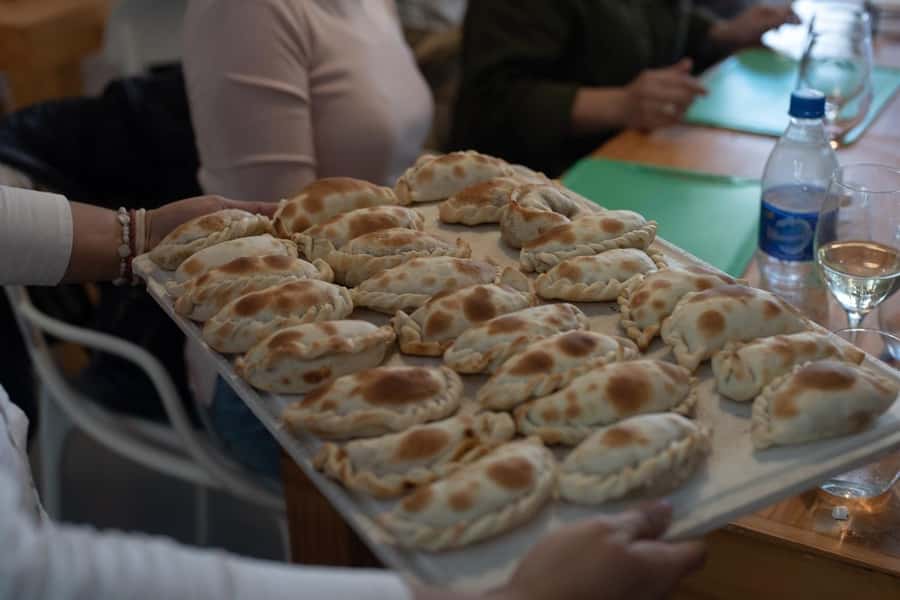
After cooking, you share your creations around the table. This is where the experience becomes truly satisfying, because you get the payoff of making something and then eating it while talking with others.
It’s also a good reality check. If the technique worked, you taste it. If your sealing wasn’t perfect, you notice what changed. If your balance of filling felt off, you learn what you’d adjust next time. That feedback loop is the best part of a hands-on class.
Recent experiences highlight that the vibe is welcoming and friendly, with people describing it as cooking with friends. The table sharing portion turns it into a meal rather than a quick snack, and that makes the class easier to justify when you’re deciding between multiple Buenos Aires activities.
Price and Value: Is $46 Worth It for 90 Minutes?
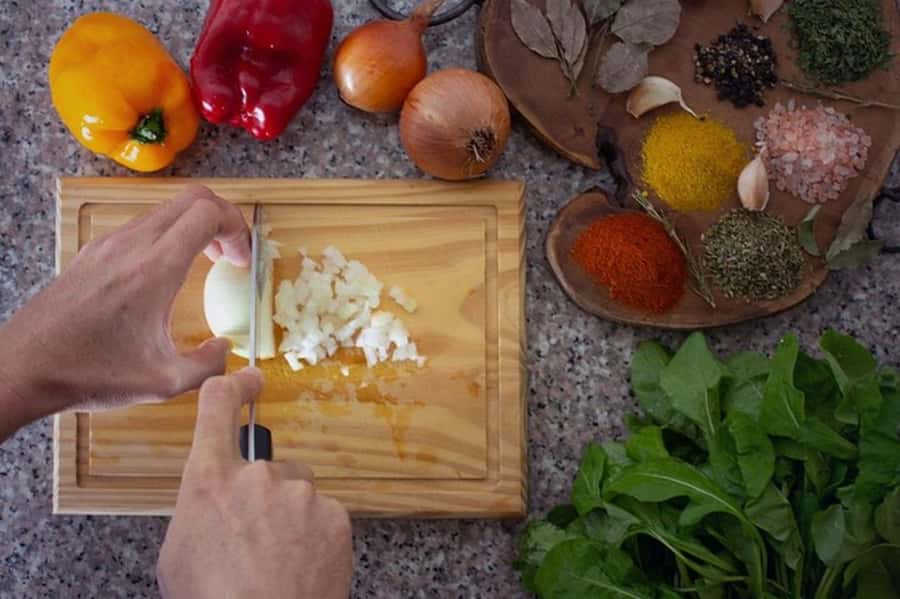
At $46 per person for a 90-minute experience, the value is mostly about completeness. You’re not only paying for a recipe. You’re paying for a local professional instructor, ingredients, and kitchen items, plus mate during the class, and then you eat what you make.
That’s a different model than some “watch and taste” food tours. Here, you actively participate in the cooking. Even better, you get technique you can reuse later, especially if you learn dough work and folding/sealing skills.
The biggest value driver for most people is this: you’re leaving with both knowledge and dinner. If your Buenos Aires itinerary is packed, this is one of the few food experiences that can do two jobs at once—culture plus a real meal.
The one cost-related factor to plan for is transportation to Palermo, since it’s not included. If you’re already in that part of town, the class can be a very efficient use of time.
Who This Class Fits Best (And Who Might Skip It)
This is a great fit if:
- You like cooking and want a guided method you can repeat later.
- You want a food experience with cultural context, not just a taste.
- You’re visiting Buenos Aires with limited time and want a concentrated activity.
- You’d enjoy a social, friendly atmosphere around food and stories.
It might be less ideal if:
- You want a very long, sit-down dining experience.
- You prefer strictly silent, no-conversation activities.
- You don’t want to deal with finding the meeting point on your own.
One more reason it can work well for special moments: people have reported that the organizers were helpful with a birthday surprise when someone asked in advance. That suggests there’s flexibility if you want to mark an occasion beyond just eating.
Practical Tips Before You Go
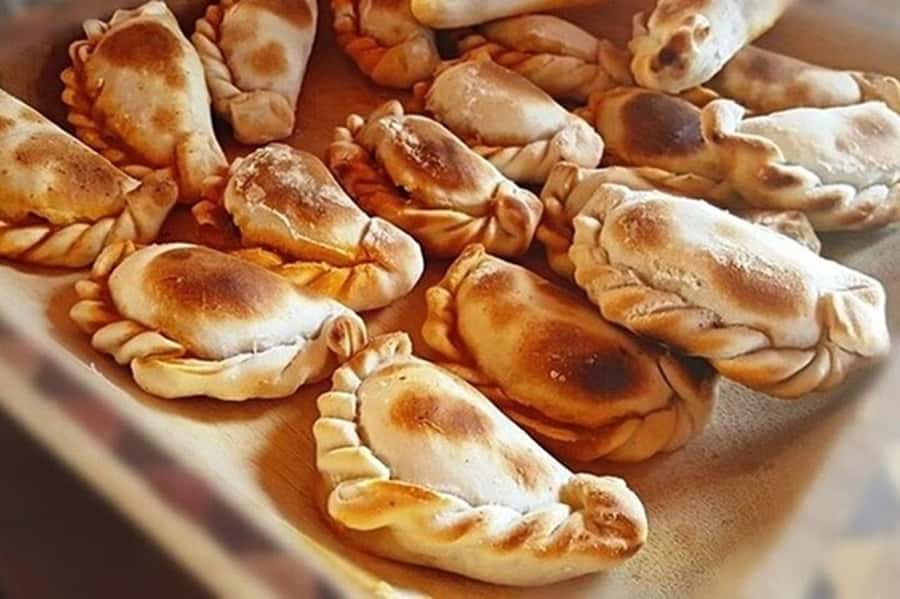
A few things that can help you get the most out of the session:
- Arrive a few minutes early so you’re not rushing into a kitchen setup.
- Come hungry, since the class ends with you eating what you make.
- If you’re comfortable asking questions, do it—this kind of class is built around step-by-step guidance and small technique tweaks.
- If you have dietary or language needs, use the class languages listed (Spanish, English, Portuguese) when you communicate your questions.
Also remember: the class runs in rain or shine. So pack your day plan around it like a fixed point.
Should You Book This Empanada Class in Palermo?
I’d book it if you want an authentic Buenos Aires experience that feels personal and hands-on. The strongest reasons are the mate + chef-guided cultural talk and the fact that you actually make empanadas, then share them at the table. At $46 for 90 minutes with ingredients, kitchen items, and instructor time included, it’s a practical value play—especially if your goal is to learn something you’ll use again.
I’d think twice only if transportation on your own is a deal-breaker or if you don’t like cooking-style activities. Otherwise, this is the kind of class that turns a city meal into a real memory.
FAQ
How long is the empanada cooking experience in Palermo?
The experience lasts 90 minutes.
What is the price per person?
The price is $46 per person.
What’s included in the class?
It includes ingredients, kitchen items, a professional local instructor, and mate.
Is transportation included?
No, transportation is not included.
Where is the meeting point?
The meeting point is on Gorriti in Palermo (listed as Gorriti 4882, and the day-of meeting point given as Gorriti 4886).
Does the class run if it rains?
Yes, it will take place even if it rains or shines.
What languages is the live guide available in?
The live tour guide speaks Spanish, English, and Portuguese.