REVIEW · ARGENTINE COOKING CLASSES
BA: Empanadas and Alfajores Cooking Experience in Palermo
Book on Viator →Operated by Signature Tours · Bookable on Viator
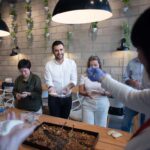
Empanadas, folded right, tell Buenos Aires secrets. This hands-on Palermo class is a 2.5-hour, small-group cooking session (up to 10 people) where you learn the techniques behind Argentina’s most loved comfort foods, with meat or vegan options.
You’ll get an expert native host and a guided, step-by-step workflow that turns cooking into culture: savory empanada folding and sweet dulce de leche alfajores with plenty of time to eat your results.
One thing to consider: the level of hands-on cooking can vary by group and instructor, and a few participants felt like they watched more than they cooked. So go in expecting guidance first, and ask your host how much you can do if you want maximum participation.
In This Review
- Key Highlights I’d Prioritize
- Palermo Empanada Lessons That Feel Like a Family Kitchen
- What You Cook in 2.5 Hours: Empanadas plus Dulce de Leche Alfajores
- Getting There in Palermo: Gorriti 4882 and the Small-Group Start
- Empanada Folding: The Technique You Can Actually Use Again
- Alfajores After the Baking Rush: Cookies, Filling, and the Wait
- Mate Tea (and Sometimes Wine): The Social Side of Cooking
- Price and Value: Is $49 Fair for a Palermo Cooking Class?
- Who This Works Best For (and Who Might Want a Different Style)
- What to Expect From the Host: Names You Might See
- Should You Book This Palermo Empanadas and Alfajores Class?
- FAQ
- Where does the cooking class start and end?
- How long is the class?
- What is the group size?
- Can I choose between meat and vegan options?
- What do we make during the class?
- What’s included in the price?
- What is not included?
- Is there public transportation nearby?
- When do I get confirmation after booking?
- Is there free cancellation?
Key Highlights I’d Prioritize
- Up to 10 people: small group energy, easier questions, and more time at the counter
- Meat or vegan empanadas: including lentil options, plus different shapes depending on filling
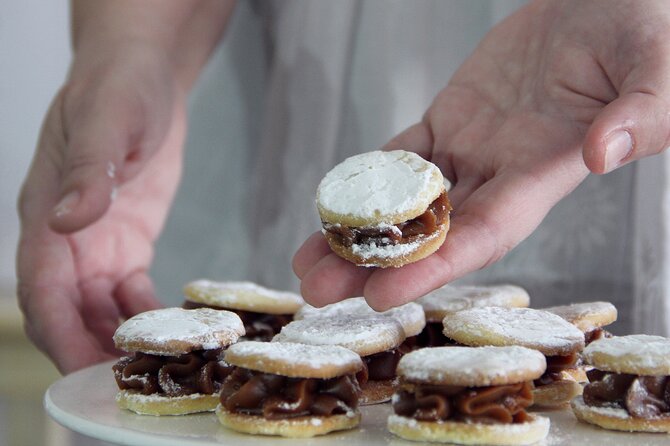
- Dulce de leche alfajores: you bake, assemble, and then eat what you made
- Real local storytelling: how families teach folding tricks (including funny, practical methods)
- Mate tea included: and in some sessions, you might also get a glass of wine with the class rhythm
Palermo Empanada Lessons That Feel Like a Family Kitchen
Buenos Aires has a food culture built on repetition: make it right, make it often, and pass the method down. That’s the feel here. You’re not just learning recipes from a screen. You’re learning the why behind the shapes, the folding, and the tiny choices that make an empanada taste like it belongs in Argentina.
I like that the class keeps the focus on craft. The host shows how to fold and shape empanadas based on what’s inside. You’ll hear practical traditions too, like how grandmothers use simple cues so kids understand what part is filling and what part is for learning.
It’s also a good low-stress cultural break. You get something to do, something to eat, and a conversation going with people from different places. If you like taking home a skill (not just a photo), this fits.
You can also read our reviews of more cooking classes in Buenos Aires

What You Cook in 2.5 Hours: Empanadas plus Dulce de Leche Alfajores
This is a structured class with two main wins: savory empanadas and sweet alfajores. Most of the session is spent working with your hands, alternating between prep and cooking so you don’t feel stuck waiting.
Empanadas first (meat or vegan). You’ll prepare Argentina-style fillings and assemble empanadas with help from your host. Meat options can include classic beef empanadas. For vegan eaters, you’ll have a plant-based filling option, and lentils show up in at least some classes. This matters because empanada dough and folding isn’t one-size-fits-all.
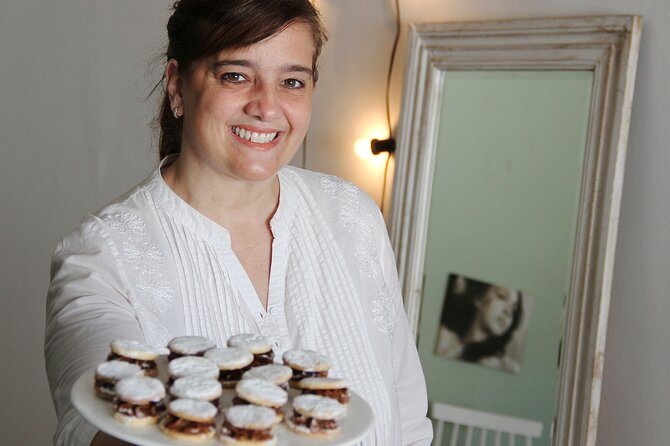
Then alfajores. While empanadas cook, you shift to Argentina’s famous cookies filled with dulce de leche. You mix and form the cookies, bake them, and then assemble once the filling and components are ready. Some groups also play with finishing touches like coconut coating, so the texture changes from creamy to chewy to toasted outside.
Also note the pace: there are moments when you do more chopping and mixing, and moments when the kitchen work moves faster than one person could. That’s normal in a class. Your job is to learn the sequence and leave with enough confidence to repeat it at home.
Getting There in Palermo: Gorriti 4882 and the Small-Group Start
The class starts at Gorriti 4882 in Palermo, and it ends back at the same meeting point. It’s near public transportation, which helps a lot because Palermo traffic can make timing feel unpredictable.
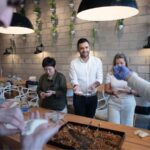
Once you arrive, expect a quick setup: you meet your professional native host, get instructions, and then move into food prep. With a maximum group size of 10, you don’t get lost in the shuffle. You can actually ask questions without feeling like you’re interrupting a show.
If you’re coming as a family, this is generally a friendly format. Still, pay attention to the practical side: at least one review notes that kids may do cutting/chopping with sharp knives as part of the process. That doesn’t mean the class is unsafe. It means you should plan to stay close and help your kids at the cutting stage.
Empanada Folding: The Technique You Can Actually Use Again
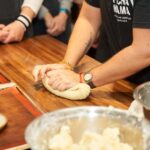
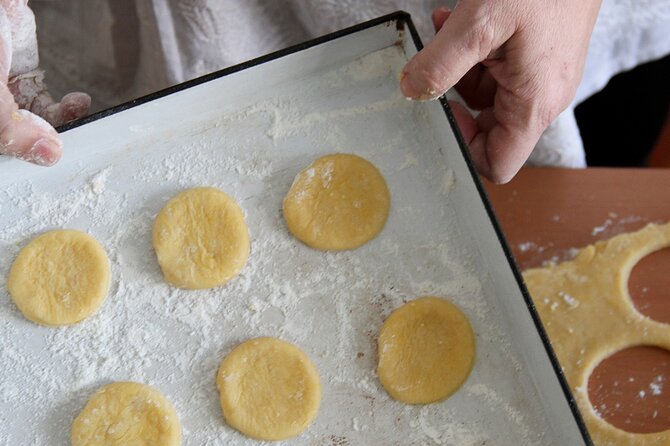
Empanadas are simple on the surface—dough, filling, fold, bake. The difference between good and great is technique: how tightly you seal, how you crimp, and how the shape matches the filling.
I love the way this class treats folding as a craft. You’ll learn that an empanada filled one way can be shaped differently than another filling. That sounds fussy until you see it. Then it clicks: the shape isn’t just for looks. It’s part of how empanadas are identified and made consistently.
You’ll also hear stories about how people learned these tricks at home—especially from older generations. One memorable detail shared in the class style is a playful “rule” grandmothers used so kids wouldn’t sneak bites of filling while learning the technique. That kind of detail makes the cooking feel grounded, not staged.
If you’re a beginner, this is still doable. If you’re nervous about folding, don’t be. The host shows what “standard” looks like, and you practice until it feels repeatable.
Alfajores After the Baking Rush: Cookies, Filling, and the Wait
When the class shifts to alfajores, it becomes more about patience and assembly. Cookies can be fragile, and you’ll learn how to handle them without crushing them.
The main idea is simple: you make the cookies, bake them, and then assemble them with dulce de leche. You don’t just eat a sweet dessert. You build the dessert step by step. That turns alfajores from a shop-bought item into something you understand.
Timing matters here. You’ll often use the lull while other components cool or bake to learn the next step, or to eat the empanadas you made earlier. That rhythm helps the class feel relaxed rather than rushed.
If you’re the type who likes to “get it right,” you’ll appreciate the assembly part. Small changes in how you spread filling and place the top cookie can affect how clean the alfajores hold together.
Mate Tea (and Sometimes Wine): The Social Side of Cooking
This class centers on food and technique, but it also builds in a social rhythm. Mate tea is part of the included experience, and it fits Argentina perfectly—warm, shared, and a nice break between kitchen tasks.
Some sessions include a glass of wine alongside the class. Wine isn’t listed as an official inclusion, but reviews mention it, so treat it as a possible bonus rather than a guarantee.
Either way, the drink component matters because it slows you down just enough to talk. You’ll likely share conversation with your small group while you work. That’s one reason this feels more like a cultural evening than a classroom.
Price and Value: Is $49 Fair for a Palermo Cooking Class?
At $49 per person for about 2 hours 30 minutes, you’re paying for more than ingredients. You’re paying for:
- a professional native host to guide technique (especially the folding and assembly craft)
- a controlled group size (max 10), which usually means more attention
- cooking tools and ingredient prep
- and a meal outcome: you eat what you make
For Buenos Aires, the biggest value piece is the skill transfer. If you’ve ever tried to make empanadas at home, you know how quickly it becomes messy without guidance. Learning the folding standard and practice steps is the part you can’t easily buy from a bakery.
You also leave with the ability to repeat. Several people mention they receive recipes at the end via WhatsApp, which is ideal if you want to cook again rather than just taste once.
Who This Works Best For (and Who Might Want a Different Style)
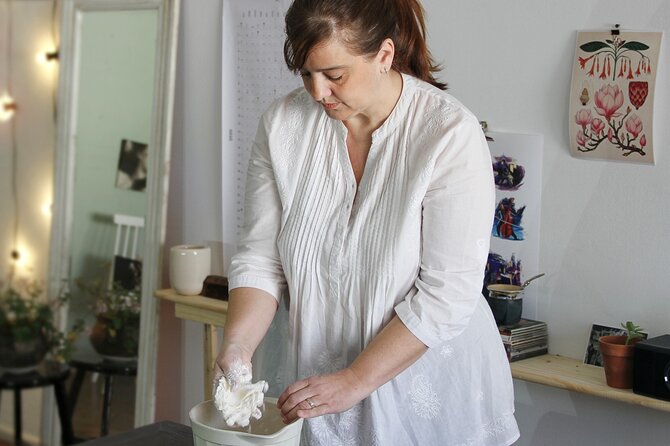
This class is great for:
- Families who want kids involved in real cooking (with adult help during cutting stages)
- Food lovers who care about technique, not just eating
- Couples and solo travelers who like small-group conversation in a real neighborhood setting
- Vegetarians and vegans because you can choose vegan empanadas (including lentil-style fillings)
It may not be the best fit if you want a totally hands-free, low-participation experience. Even though hosts guide the process, the best value comes when you jump into chopping, mixing, stuffing, and assembling.
One more practical note: one reviewer raised a concern about oil and another felt the class time was uneven in hands-on participation. That’s a reminder to go in with realistic expectations: cooking classes are a team process, and your experience can depend on your specific host and group flow.
What to Expect From the Host: Names You Might See
You could be paired with different chefs and guides depending on the day. Reviews include instructors such as Chef Valentino, Tomas, Thomas, and guides like Carolina and Catalina/Cata. What stays consistent is the format: local guidance, step-by-step instruction, and a focus on making empanadas and alfajores the Argentine way.
This is also the kind of class where your host might share extra angles of local food life. One review highlighted that Tomas also has an artisan aperitivo background (vermouths and fernets), which shows how food and drink culture often connects in the neighborhood.
Should You Book This Palermo Empanadas and Alfajores Class?
If you want an authentic Buenos Aires experience that’s active, delicious, and teaches a skill you can redo at home, I’d book it. The small group size and the focus on craft—especially empanada folding and dulce de leche alfajores assembly—make this more than a quick snack stop.
It’s also a strong choice if you’re traveling with kids, want something that fits into an afternoon, or you’re trying to see Palermo through local hands rather than just walking past restaurants.
If your top priority is maximum hands-on cooking for every minute, consider that group dynamics can affect participation. Still, the class is designed to be interactive, and asking your host how to get the most active role is a fair move.
FAQ
Where does the cooking class start and end?
It starts at Gorriti 4882, C1414BJN in Buenos Aires and ends back at the same meeting point.
How long is the class?
The experience runs for about 2 hours 30 minutes.
What is the group size?
The class has a maximum of 10 travelers.
Can I choose between meat and vegan options?
Yes. You can choose meat or vegan empanadas.
What do we make during the class?
You’ll make Argentinian empanadas and dulce de leche alfajores.
What’s included in the price?
Included items are empanadas ingredients, alfajores ingredients, a professional native host, coffee and/or tea (including mate), and cooking tools.
What is not included?
Transportation and tips are not included.
Is there public transportation nearby?
Yes, the meeting point is near public transportation.
When do I get confirmation after booking?
You receive confirmation at the time of booking.
Is there free cancellation?
Yes. You can cancel for a full refund up to 24 hours in advance of the experience start time.