REVIEW · GAUCHO RANCH DAY TRIPS
Estancia Gaucho Day at Buenos Aires
Book on Viator →Operated by Tours Buenos Aires · Bookable on Viator
The Pampas feel close-up, not staged. This day trip blends Argentine gaucho culture with a hands-on ranch visit, plus a real horse-riding experience and a folklore show. I especially like the way the day is paced: town stops to set the scene, then a ranch long enough to actually feel the place. It’s also capped at a small group size, so you get more of the human side of the experience.
My one watch-out is time: it’s roughly a 9-hour day, and the ranch ride and activities can feel short if you were hoping for a longer on-horse adventure. Also, make sure you’re clear on the day’s timing with pickup, because some people have reported confusion about where to wait.
In This Review
- Key points worth knowing before you go
- From Buenos Aires to the Pampas: the pace and pickup plan
- San Antonio de Areco stops: crafts, a parish from 1869, and gaucho context
- El Ombú-style estancia time: horses, ranch food, and the gaucho show
- Barbecue lunch and included drinks: where the value shows up
- Folklore dancing and gaucho demonstration: entertainment with purpose
- Guides and the small-group feel: why names keep coming up
- Price and value from Buenos Aires: is $168 a fair deal?
- Who this Pampas day fits best (and who should think twice)
- Quick packing list and day-of tips
- Should you book Estancia Gaucho Day at Buenos Aires?
- FAQ
- How long is the Estancia Gaucho Day experience?
- What time does the tour start?
- How much does the tour cost?
- Does the tour include hotel pickup and drop-off?
- What is included for food and drinks?
- What happens at the estancia besides the meal?
- Is the group small?
- Do I need a passport for this day trip?
- Can kids participate?
- Can I cancel for a refund?
Key points worth knowing before you go
- Small group size (max 30) means easier questions and a less crowded vibe on the bus.
- San Antonio de Areco culture stops add context, including a church dating to 1869 and local crafts.
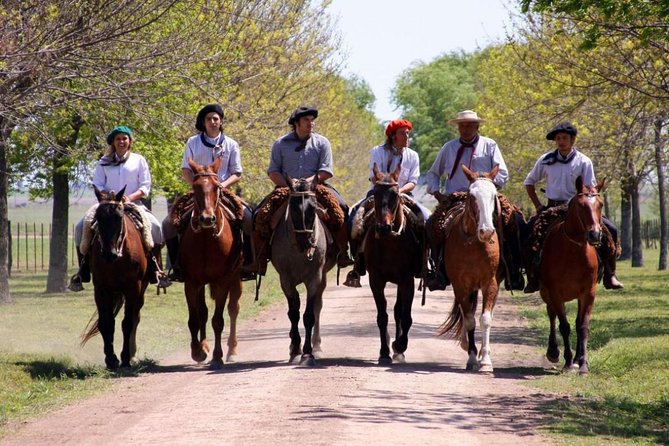
- Estancia time is the main event: reception, barbecue lunch, horse riding, and gaucho/foklore entertainment.
- Beverages and live entertainment are included, so the ranch portion isn’t just sightseeing.
- Horse riding may be more gentle than you expect, with most rides kept fairly tame.
- Bring your passport as requested at booking and on travel day.
From Buenos Aires to the Pampas: the pace and pickup plan
This is a classic full-day country excursion. You start at 8:30 am and begin with a drive out of Buenos Aires toward San Antonio de Areco, where your guide gives you the storyline for what you’ll see later at the estancia. The ride matters because it frames the day: the pampas aren’t just scenery here, they’re the backdrop for how gaucho life developed.
You get hotel pickup and drop-off, and the tour runs with live commentary on board. In practice, this can mean the day feels organized when you’re not trying to figure out trains, taxis, and timing. The group stays small—up to 30 people—which helps keep the questions coming and the logistics from feeling chaotic.
One practical consideration: a few reviews note that pickup communication wasn’t crystal clear for everyone. If you can, confirm the meeting details the day before and keep your phone handy. It’s a long day; you want the first 15 minutes to be smooth.
You can also read our reviews of more tours and experiences in Buenos Aires.

San Antonio de Areco stops: crafts, a parish from 1869, and gaucho context
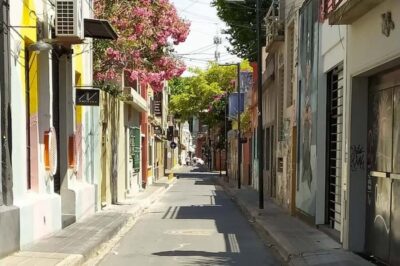
The town portion is short but purposeful. You’ll get a quick look at local heritage through traditional craft work and a few cultural landmarks.
One stop is tied to traditional artistry: a silversmith’s workshop where you can see the kind of craftsmanship Argentina is known for. There’s also a brief visit to a chocolate shop, which is a small but very reasonable way to break up the travel rhythm without turning the day into a shopping spree.
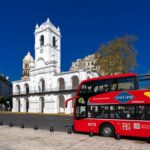
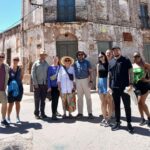
Then you head to Parroquia San Antonio de Padua on Segundo Sombra Street. The current church dates to 1869, and the cornerstone is said to contain historical records and relics. It’s the kind of stop that works best if you like context—how towns organize around faith, community, and local identity.
A note on flexibility: some people have experienced slight changes depending on the day of the week (like whether certain stops operate). If you want every single stop to happen exactly as described, treat that as a nice bonus rather than a guarantee.
El Ombú-style estancia time: horses, ranch food, and the gaucho show
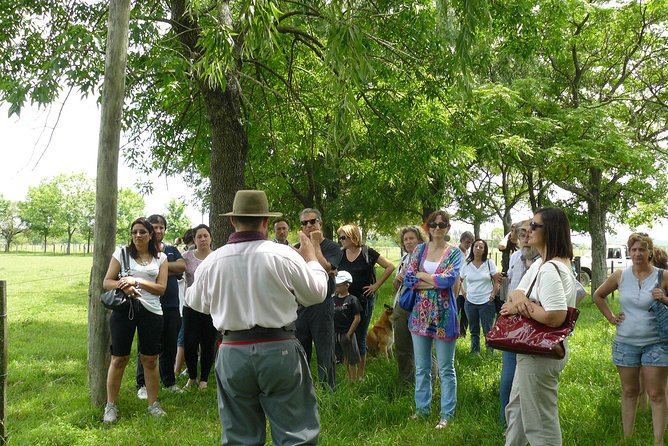
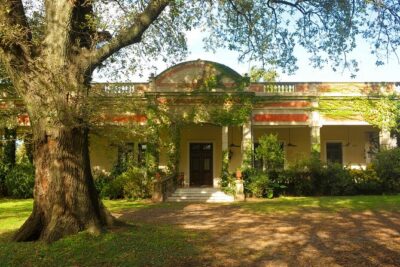
Once you reach the ranch, the mood shifts from town sightseeing to full estancia living. You’ll have about 5 hours on the property, which is enough time to eat, ride, and watch entertainment without feeling rushed every minute.
Expect a welcome reception with drinks, and you’ll likely get a snack like empanadas before lunch. The ranch setting is part of the point: wide open grounds, real working-family atmosphere, and live demonstrations that aren’t trying to compress everything into a 15-minute photo op.
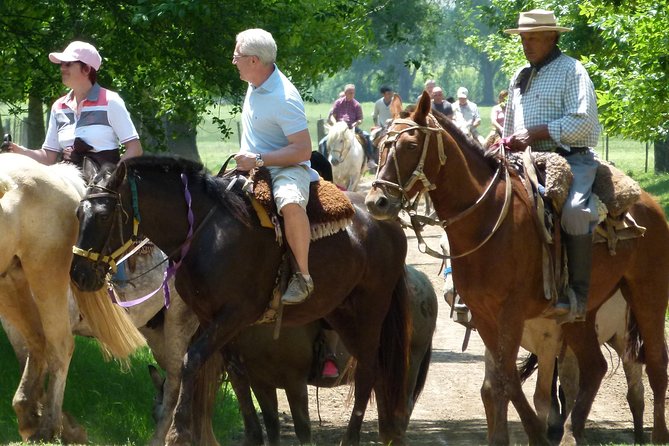
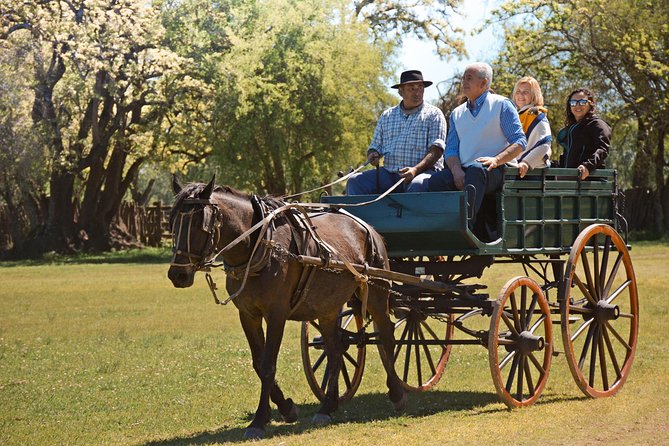
Horse riding is included, but here’s the honest expectation-setting. Several accounts describe riding as tame and shorter—often more like a guided loop through the paddock than a big gallop across endless pampas. Some riders even mention no formal instruction beyond getting on and going. If you’re a confident rider who wants a long, fast trek, you might feel a bit under-served. If you’re a beginner, or you just want that gaucho moment, it’s usually fun and not intimidating.
The show portion typically includes folklore dancing and a gaucho demonstration, with some days featuring horsemanship/horse whisperer-style work. It’s the entertaining part of the education: you learn the cultural role of gauchos, then you watch the skills performed.
Barbecue lunch and included drinks: where the value shows up
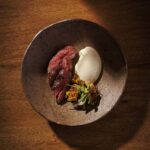
This is not a light lunch. You’ll enjoy a traditional Argentine meal that usually starts with cheeses and cold cuts, then moves into the main event: Argentine barbecue. Dessert comes after, alongside the entertainment program.
What makes this portion feel like real value is that it’s included and it’s staged as a ranch meal, not a restaurant break between attractions. Many people also highlight the quality and abundance of the meat and the wine offered with lunch. The listing says beverages are included, and in practice that can mean lunch feels like an extended table moment rather than a quick, grab-and-go bite.
Dietary needs are your responsibility to flag in advance. The tour notes that you should advise specific dietary requirements at booking, and one review even mentions a vegetarian snack not arriving as expected. That doesn’t mean it will go wrong for you, but it does mean: email or note your requirement clearly when you book, and ask for confirmation.
If you’re vegetarian, go into the day with a little extra patience and plan to follow up. The ranch food experience should still be enjoyable—but you may need to advocate a bit so you get the right option.
Folklore dancing and gaucho demonstration: entertainment with purpose
The folklore show isn’t just background music. It’s usually tied to what you’ve been learning on the way out to the pampas. You’ll see dancing and often a gaucho demonstration, and in many setups there’s an invitation for people to join in.
One of the most praised parts is horsemanship on display. People tend to remember this because it’s skill-based and very visual—watching how training is explained and performed creates a stronger connection than just hearing about gauchos.
Timing matters too. The entertainment commonly happens during the latter part of the estancia block, after lunch and dessert. That can be ideal if you like structured days: eat first, then slow down for showtime without worrying about squeezing in another activity.
If you’re sensitive to cold early in the day, bring a layer. Some reviews specifically mention it being chilly, and ranch experiences start before you’re warmed up by lunch.

Guides and the small-group feel: why names keep coming up
The guide is a major factor in how rewarding this day feels. Many accounts describe guides as attentive, friendly, and strong at explaining gaucho culture and Argentine history in plain language.
You may encounter guides such as Carolina, Enrique, Miriam, Max, Jael, Lorena, Marcelo, Patric, Eugenia, or Mariela—and the standout theme is that the best guides don’t just read facts. They help you connect the dots between town landmarks, ranch traditions, and what you’re seeing with your eyes.
The tour operator also notes that it may run with a multi-lingual guide. In a small group, that helps because you can ask questions and get answers in a way that actually lands.
One practical tip: come ready with a few questions. Even simple ones—like what makes gauchos different from other rural workers, or why certain traditions persist—make the commentary feel less like “information” and more like a personal conversation.
Price and value from Buenos Aires: is $168 a fair deal?
At $168 per person, this is aimed at people who want a true countryside day, not just a quick taste. Here’s why it can be good value:
- Hotel pickup and drop-off saves time and reduces stress.
- Lunch and beverages are included.
- You get a professional guide and live entertainment.
- You spend real time on a working ranch, not just passing through.
Where value can feel uneven is in activity length—especially horse riding. If your mental picture is a long, energetic trek, you might judge the day more harshly. If your goal is to see gaucho life at an estancia, eat well, and watch horsemanship and folklore, then the mix tends to feel worth it.
Also keep in mind the day is long. You’re giving up much of your daylight for transport and scheduled stops. If you’d rather spend your day exploring Buenos Aires neighborhoods, you might prefer a shorter excursion. If you want pampas countryside in one shot, this does the job.
Who this Pampas day fits best (and who should think twice)
This tour is a strong match if you want:
- A kid-friendly day with supervised ranch activities
- A first-time view of gaucho culture
- A full-day format where food and entertainment are part of the package
- A guided experience that handles transport so you can focus on the sights
It may be less ideal if you:
- Want lots of time right at the estancia
- Expect a long, fast ride on horseback
- Dislike structured timing and short stops during the drive
The good news: even when the horse ride is shorter, many people still find the ranch atmosphere and show worth the trip. The key is matching your expectations to what’s realistically delivered in a 9-hour day.
Quick packing list and day-of tips
The tour says to wear comfortable clothes, which is exactly right. Add a few practical extras based on what people experience at this time of day and on ranch grounds.
- Dress in layers, especially if you’re going in cooler early morning weather.
- Wear comfortable shoes you don’t mind getting a little dusty.
- Bring your passport (the tour requires it on the day of travel, and asks for passport details at booking).
- If you have dietary needs, state them clearly when you book and confirm you’ll receive an appropriate option.
And keep your camera ready, but don’t spend the whole day looking through it. The best moments here happen when you’re watching the demonstration and absorbing how the ranch runs.
Should you book Estancia Gaucho Day at Buenos Aires?
I’d book this if you want a straightforward pampas culture day with transport handled, included lunch, and a real ranch experience that goes beyond a quick photo stop. The mix—town context in San Antonio de Areco, then a full ranch block with barbecue and performance—works well for first-timers who like learning while they do.
I wouldn’t book it if your top priority is a long, adventurous horseback trek or you strongly dislike long coach days. It’s a structured itinerary, and the ranch is the highlight—so decide based on whether that’s what you want most.
If you want gaucho culture in one memorable day, this is an easy yes.
FAQ
How long is the Estancia Gaucho Day experience?
It’s about 9 hours total, with an approximate flow that includes travel time plus around 5 hours at the estancia.
What time does the tour start?
The start time is 8:30 am.
How much does the tour cost?
The price is $168.00 per person.
Does the tour include hotel pickup and drop-off?
Yes. You get hotel pick-up and drop-off as part of the experience.
What is included for food and drinks?
The tour includes lunch and beverages.
What happens at the estancia besides the meal?
At the estancia, you can expect horseback riding, plus a folklore show and a gaucho demonstration. You also get live entertainment as part of the day.
Is the group small?
Yes. The tour has a maximum group size of 30 travelers.
Do I need a passport for this day trip?
Yes. A current valid passport is required on the day of travel, and passport details are required at booking for all participants.
Can kids participate?
Yes. This tour is listed as kid-friendly, and most travelers can participate.
Can I cancel for a refund?
Yes. You can cancel for a full refund up to 24 hours in advance of the experience start time.