REVIEW · BUENOS AIRES WALKING TOURS
Buenos Aires in One Day Private Walking Tour
Book on Viator →Operated by Buenos Aires Walking Tours · Bookable on Viator
Buenos Aires on foot teaches you fast. This private six-hour walking tour gives you street-level context for the city’s architecture, politics, and neighborhood character—without the usual drive-by blur. I especially like the way it pairs landmark stops (like Plaza de Mayo and Casa Rosada) with deeper dives into places you’ll miss on your own. I also like that the route lands at Recoleta Cemetery, where the stories feel personal and immediate. One thing to consider: it is a lot of walking, and you may need a short taxi hop between certain stops (about USD $5–7).
You start at 10:00 am near the Buenos Aires Walking Tours meeting point by Paraguay St., and you’ll move through classic downtown areas, elegant residential streets, and older quarters like San Telmo. The tour is run by a local English-speaking guide, and the experience stays focused on what you see—buildings, monuments, churches, and the way neighborhoods changed over time. There is a coffee/lunch break that you pay for yourself, so budget a little extra for food and drinks.
This is rain or shine, so bring shoes you trust. The walking route covers a lot of ground, and the day may run closer to seven hours depending on pace and conditions. Also note that you finish away from where you started, near Plaza Dorrego, so plan an easy next step after the tour.
In This Review
- Key highlights worth caring about
- A one-day Buenos Aires route that’s actually walkable
- Retiro and downtown edges: Plaza San Martín, British hints, and big-city origins
- Avenida Alvear and Barrio Norte: French, Italian, and the mansions that explain a social map
- Palermo’s art, monuments, and the big public landmarks
- Recoleta Cemetery and Palais de Glace: where the stories feel heavy
- San Telmo and Dorrego Square: colonial leftovers and the antiques market’s shadow
- Plaza de Mayo and Casa Rosada: the political center you can’t miss
- Puerto Madero: finish by watching old docks meet new city life
- Price and logistics: is USD 199 a fair deal for what you get?
- Who this Buenos Aires walk fits best
- Should you book the Buenos Aires in One Day Private Walking Tour?
- FAQ
- How long is the Buenos Aires in One Day private walking tour?
- What time does the tour start, and where do we meet?
- Where does the tour end?
- Is this a private tour?
- What’s included in the price?
- Are meals included?
- Do I need to pay for transportation during the tour?
- Does the tour run in bad weather?
- What fitness level do you need?
- Can I cancel for a full refund?
Key highlights worth caring about
- English-speaking guides with strong storytelling, including guides such as Carlos, Soledad, Clemencia, and Eilat
- Plaza de Mayo and Casa Rosada with on-the-street explanations of Argentina’s power centers
- San Telmo and Dorrego Square antiques plus the dark history tied to the area
- Recoleta Cemetery stop with included admission, including Evita Peron’s burial stories
- A route that links BA’s eras from early colonial traces to belle-epoque mansions and newer Puerto Madero
- You might take a short taxi hop, since the day is designed to connect distant sights efficiently
A one-day Buenos Aires route that’s actually walkable
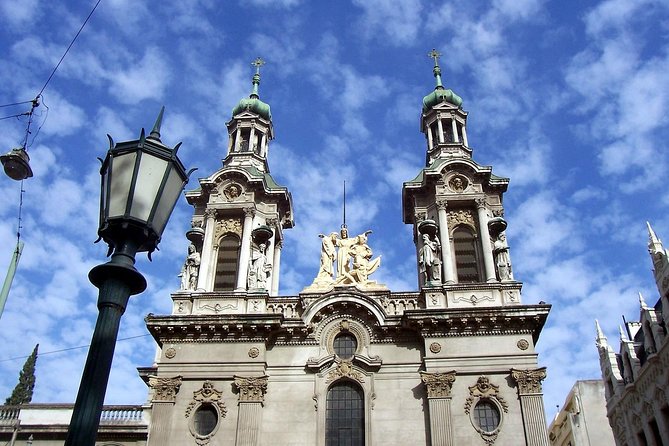
If Buenos Aires is your first stop in Argentina, you want two things fast: good orientation and real context. This tour gives you both by chaining together neighborhoods that feel worlds apart—Retiro and Barrio Norte in the north, then Recoleta and Palermo, and finally the older layers of San Telmo and downtown.
I like that the pacing is structured but not rigid. You get time at each place to understand what you’re looking at, whether it’s the reason a building matters or the political meaning behind a monument. It also helps that the meeting point is easy to find and public-transport friendly.
The tradeoff is simple: you’re walking. If you’re the kind of person who stops every few minutes to take photos, you’ll be in your element—but if you prefer long stretches of sitting, this might feel like too much motion.
You can also read our reviews of more walking tours in Buenos Aires
Retiro and downtown edges: Plaza San Martín, British hints, and big-city origins
The day kicks off with a classic Buenos Aires intro around Retiro, where you’ll get your bearings and start spotting the city’s layered influences. This is where Plaza San Martín comes in—not just as a pretty square, but as a historical reference point tied to older practices and darker episodes in the city’s past.
From there, you’ll move past striking architecture and landmark exteriors, including the Paz Palace and the Kavanagh Building. You’ll also learn what makes the Santísimo Sacramento Church unusual, and how the British presence shows up in places you might not expect, like the British Clock Tower and railroad terminal stations.
Finally, you’ll reach General San Martín’s monument and the ideas behind how Argentina took shape. This stop is especially useful because it gives names and themes that you’ll keep seeing again later—so the rest of the day starts to feel less like random sightseeing.
Avenida Alvear and Barrio Norte: French, Italian, and the mansions that explain a social map
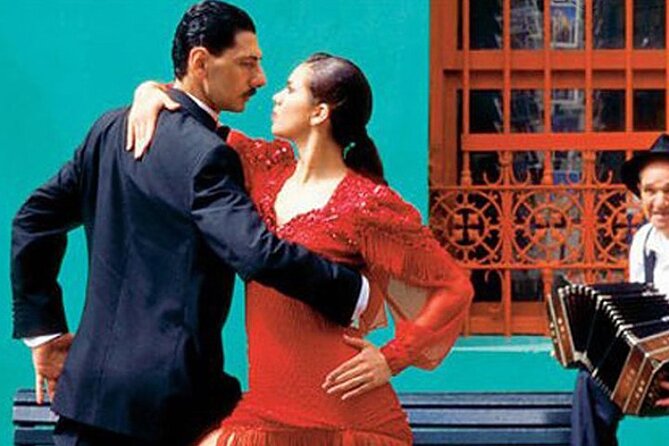
Avenida Alvear and the surrounding Barrio Norte area are built for people-watching and architecture-focusing. Here you get a clear sense of how French and Italian influence showed up in Buenos Aires, not just in culture but in the way streets and buildings feel.
You’ll pass the Mihanovich and Strugamou buildings, plus Arroyo St., where art galleries line the avenue. If you like tracing immigration and religion through physical spaces, this is where the tour starts making those connections for you—especially around Alvear St. and the palaces tied to Catholicism, Judaism, and immigrant communities.
A few highlights help you understand the city’s power structure:
- Palacio Ortiz-Basualdo, the French Embassy
- Nunciature tied to a Vatican Embassy presence
- Alzaga-Unzue Manor, connected to the Four Seasons branding
You’ll also see other embassy or elite-era buildings along the route, including the Palacio Ortiz-Basualdo complex and mansions associated with major hotels. The effect is practical: you learn to read Buenos Aires like a map of who had influence when.
Palermo’s art, monuments, and the big public landmarks
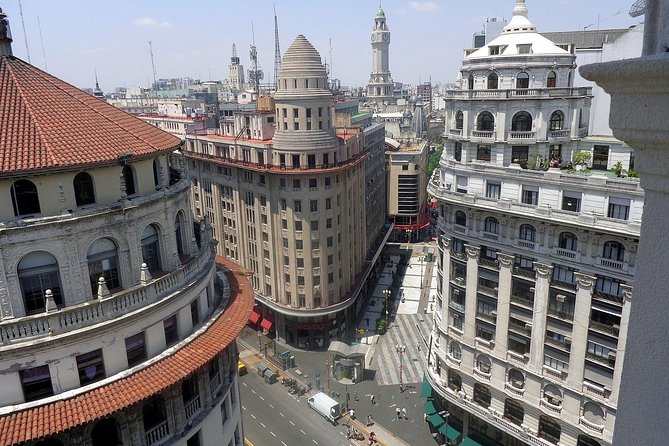
From the north-central elegance, you shift into Palermo, one of Buenos Aires’ biggest and most populous neighborhoods. This part of the walk is a mix of art spaces, iconic outdoor works, and major cultural institutions.
You’ll encounter the BA Design Center and the National Gallery of Art, plus outdoor landmarks such as Floralis (the giant flower) and Peynot’s Grand Monument, connected to France’s centennial gift idea. The National Library building rounds out the art-and-learning vibe, so you leave this section with a stronger sense of what Palermo represents in modern Buenos Aires.
There’s also an Evita Peron monument here, which helps connect the day’s earlier Recoleta Cemetery focus with the broader way her memory shows up across the city.
Recoleta Cemetery and Palais de Glace: where the stories feel heavy
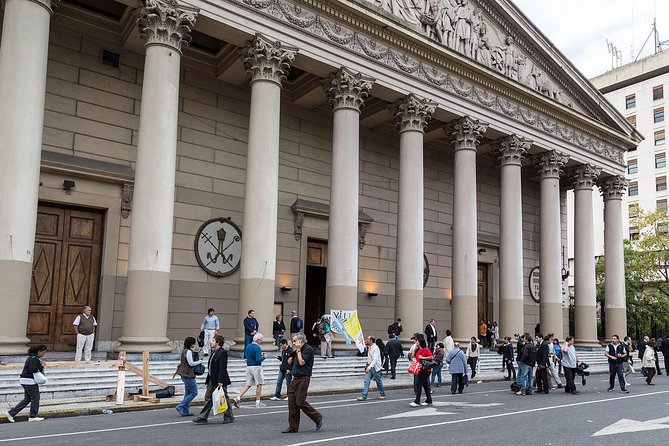
Recoleta is one of those neighborhoods where the architecture and mood do part of the explaining. You’ll see the Nuestra Señora del Pilar Church and walk through streets that feel designed for slow attention. You’ll also pass major cultural sites like the BA Exhibition Center.
Two stops are especially worth your focus. First is Palais de Glace, where the tour connects the building to tango’s coming-of-age. Second is Recoleta Cemetery itself, where the tour’s tempo changes because the subject matters.
Recoleta Cemetery is famous worldwide for its monuments, and the tour includes admission tickets. This is where you’ll hear the most vivid stories, including details tied to Evita Peron’s burial. If your guide is Carlos, Soledad, or another strong storyteller, this portion can feel like the day’s emotional anchor.
One practical note: it’s common to feel like cemetery time goes quickly and still somehow also takes longer than expected, because the space invites reading and looking. If you want everything in small bites, this is the part where you might wish you had a bathroom break or a slower pace. If you enjoy monuments and biography, you’ll likely want more time here, not less.
You can also read our reviews of more private tours in Buenos Aires




San Telmo and Dorrego Square: colonial leftovers and the antiques market’s shadow
After the elegant streets of Recoleta, San Telmo brings you back to Buenos Aires’ older bones. This is where the tour leans hard into how the city used to be organized—older churches, historic homes, and the kind of squares that become social engines.
You’ll pass the area around Plaza Dorrego, the heart of the famous San Telmo Antiques Fair. This is a great moment to slow down and let the atmosphere take over: stalls, browsing energy, and the feeling that the neighborhood is a living museum.
What makes this stop more than a shopping experience is the historical context you get alongside it. The tour explains the dark history associated with the open-air slave market linked to the area. That kind of background can make the antique browsing hit differently—less like novelty, more like a reminder that objects often carry painful origins.
San Telmo also includes several major “big story” points nearby, including the old city hall area (the Cabildo) and the Cathedral in the broader downtown cluster where you’ll hear context tied to modern religious leadership. The tour keeps connecting political events to geography, so the streets don’t feel random anymore.
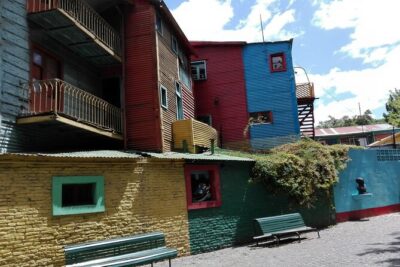
If you have the energy, the optional extension toward La Boca can be a fun add-on after San Telmo. It’s not included in the base experience, and it involves an extra taxi hop, so treat it like a choose-your-own-chapter moment.
Plaza de Mayo and Casa Rosada: the political center you can’t miss
The downtown sequence is where Buenos Aires turns from beautiful to powerful. You’ll see Calle Florida and hear why it’s a key evolution street, then continue past British-era references like Harrods and Galerías Pacífico.
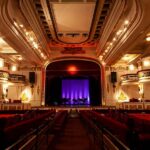
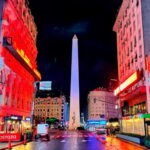
You’ll also spot Teatro Colón and the Obelisco—both of which are easy to photograph, but far more interesting once you understand what they’re tied to. The Mariquita Sánchez house stop connects to Argentina’s national anthem story, which makes a famous cultural detail feel grounded in a specific location.
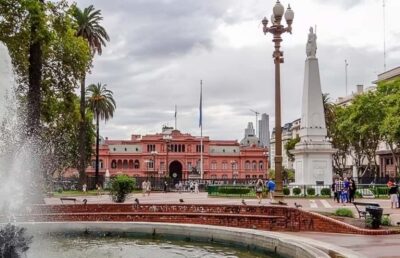
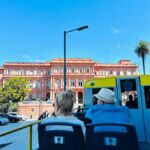
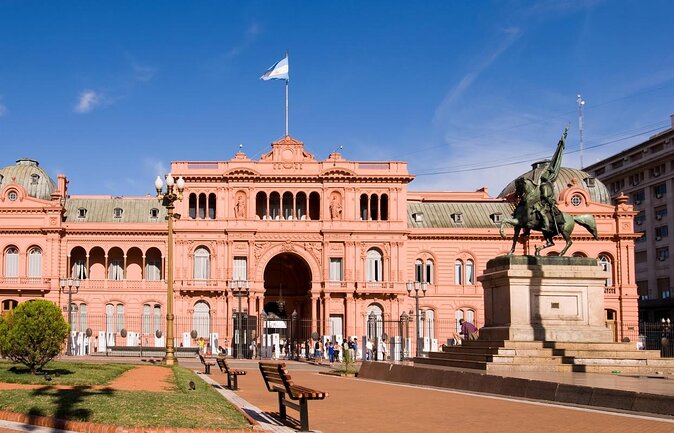
Then comes Plaza de Mayo, the gravitational center for modern political Buenos Aires. Here you’ll see the Metropolitan Cathedral, the Cabildo, and Casa Rosada (the presidential office). You’ll also hear about the Pirámide de Mayo and the Mothers of the Disappeared, which brings Argentina’s recent history into focus in a way that photographs alone usually can’t.
The Catedral Primada stop matters too because it connects the day’s themes into one place: major Catholic heritage and the story tied to General San Martín’s tomb among other highlights you’ll be pointed out.
If you want your Buenos Aires day to have meaning beyond architecture, this is the section that delivers it.
Puerto Madero: finish by watching old docks meet new city life
You close the walk by moving toward Puerto Madero, the newer neighborhood built by extending across the old British dockyards into the water area beyond the coast. Even if you’ve never been here before, the contrast is obvious: less of the old grid feeling, more of the modern waterfront vibe.
This finishing stretch is useful because it gives your body a gentle shift after intense history-heavy blocks. It’s a good way to end on visual breathing room, and it also sets you up for dinner without a complicated transfer.
The tour ends near Plaza Dorrego, which is convenient if you want to keep wandering afterward—especially if you’re still in a browsing mood for antiques or you just want something casual to eat.
Price and logistics: is USD 199 a fair deal for what you get?
At USD $199 per person, this is not a cheap add-on, so you’re really buying three things: time, structure, and context.
The guide is English-speaking, and the cemetery admission tickets are included. Most other stops are handled via walking-by exterior viewing and guided discussion, so you’re not paying for a long list of separate museum tickets. You do, however, pay for your own coffee/lunch during the break, and you may cover one short taxi hop (about USD $5–7) since the day connects distant stops.
For me, the value comes down to whether you want interpretation. If you plan to do everything alone with a map and a few signs, you may feel the price is high. If you like learning why buildings and monuments are placed where they are, and you want the route set for you, this is a strong way to get your bearings fast.
A practical tip: wear shoes that can handle a long day. Even if you’re fit, this is the kind of route where foot comfort matters more than fitness level.
Who this Buenos Aires walk fits best
This tour suits you if you want a first-time framework for the city. It also fits well if you care about architecture, monuments, church history, and the political story behind the places you see—Casa Rosada, Plaza de Mayo, and Recoleta Cemetery in particular.
It’s a good choice for couples, solo travelers who like company and guidance, and anyone who enjoys guided walking tours rather than a bus day. The private format also helps if you want your group to move at a comfortable pace and ask questions along the way.
If you’re sensitive to long cemetery time or prefer less walking, you might want to think carefully about whether Recoleta Cemetery is a must for you. The emotional weight of Evita Peron stories is part of the point here.
Should you book the Buenos Aires in One Day Private Walking Tour?
If you want the city explained through streets, buildings, and the meaning behind monuments, I’d say yes. This is a route that gives you both the headline sights and the context that makes them click, from British-era traces through to Plaza de Mayo and the darker historical threads tied to San Telmo.
Book it if you’re excited by history you can walk up to, and you’re happy to spend the day outside on your feet. Skip it if you want mostly indoor stops, short walking, or you’d rather build your own route and accept you’ll miss some of the connections.
If you do book, choose comfortable shoes and plan to pay for coffee/lunch and the occasional taxi hop. You’ll finish the day in a great spot to keep exploring at your own speed.
FAQ
How long is the Buenos Aires in One Day private walking tour?
It runs for about 6 hours, though timing can vary depending on weather, city conditions, and pacing.
What time does the tour start, and where do we meet?
You meet no later than 10:00 am at the Buenos Aires Walking Tours meeting point near Paraguay St. The start address is Florida Garden, Florida 899, C1005 AAQ, Buenos Aires.
Where does the tour end?
The tour ends at Plaza Dorrego, Humberto 1º 400, C1065, Buenos Aires.
Is this a private tour?
Yes. It is private, meaning only your group participates.
What’s included in the price?
Included are a local English-speaking guide and cemetery admission tickets.
Are meals included?
No. There is a coffee and lunch break, but meals are not included and you pay for them yourself.
Do I need to pay for transportation during the tour?
The tour notes that you may need one taxi ride to reach one attraction to another, and the taxi cost is not included (approximately USD $5–7).
Does the tour run in bad weather?
Yes, it operates rain or shine.
What fitness level do you need?
You should have a moderate physical fitness level since it’s a walking-focused day.
Can I cancel for a full refund?
You can cancel for free up to 24 hours in advance of the experience’s start time for a full refund.