REVIEW · BUENOS AIRES WALKING TOURS
Nazis in Buenos Aires: a historical walking tour
Book on GetYourGuide →Operated by Klio Tours · Bookable on GetYourGuide
Buenos Aires has a darker side. This 2.5-hour English walking tour walks you through some of the city’s most famous streets, tying World War II and the Holocaust to Argentina’s postwar choices and the long shadow of antisemitism. It’s guided by Max, a history teacher affiliated with the University of Buenos Aires, so you’re not just seeing buildings—you’re learning the arguments around them.
I love the way Max keeps the story source-focused, with a careful approach to what’s known, what’s disputed, and what still gets debated. I also like that the walk doesn’t treat the subject like a closed chapter; it connects the Nazi-and-Holocaust era to later attacks against Buenos Aires’ Jewish community and the memory sites tied to them.
One consideration: this is heavy material—Nazis, terrorism, and antisemitism—so it isn’t the best pick if you want a light, casual stroll, and it’s not suitable for children under 10.
In This Review
- Key highlights you’ll remember
- What this tour is really about (and why it’s worth your time)
- Following the route: meeting at Juana Azurduy, ending at Israel’s memorial plaza
- Max’s teaching style: a history lesson you can question
- Stop-by-stop: what you see and what each place is doing in the story
- Stop 1: Monumento a Juana Azurduy and the Palacio Libertad area
- Stop 2: Luna Park Stadium and the Nazi meeting you can still see
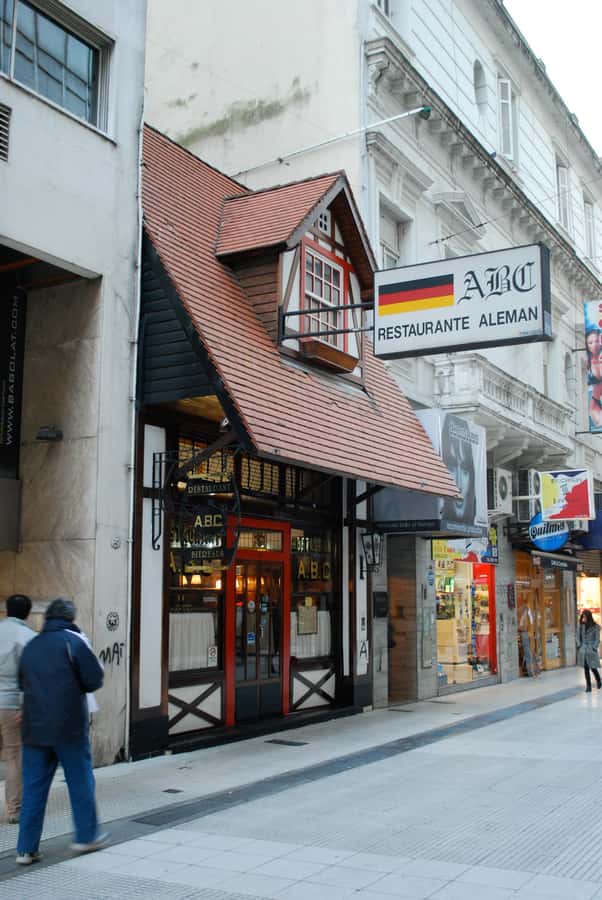
- Stop 3: ABC Restaurant and the Eichmann coffee detail
- Stop 4: Museo de Armas de La Nación Tte. Gral. Pablo Riccheri
- Stop 5: Palacio San Martín and debates over Perón’s role
- Stop 6: Italian Circle of Buenos Aires and neo-Nazi violence in the 1960s
- The ending at Plaza Embajada de Israel: terrorism, Jewish memory, and why this matters now
- Practical tips so you get the most from the walk
- Price and value: why $25 can be a smart buy for this topic
- Should you book this tour?
- FAQ
- How much does the Nazis in Buenos Aires walking tour cost?
- How long is the tour?
- What language is the tour in?
- Where does the tour start?
- Where does the tour end?
- What stops are included during the walk?
- Are museum or site entries included?
- What’s included in the tour price?
- Is there a restroom break?
- Is it suitable for kids under 10 or for wheelchair users?
- What are the cancellation and reserve options?
Key highlights you’ll remember
- Recoleta, Retiro, and Microcentro in one tight route, with Holocaust-era questions tied to real city landmarks
- Eichmann’s coffee stop at ABC Restaurant, used to explain how his identification and capture fit into the bigger story
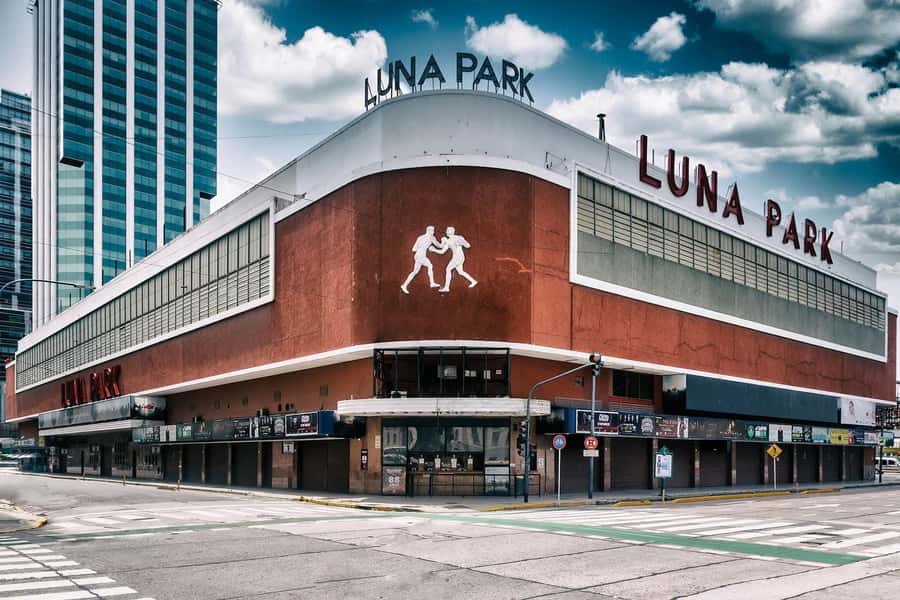
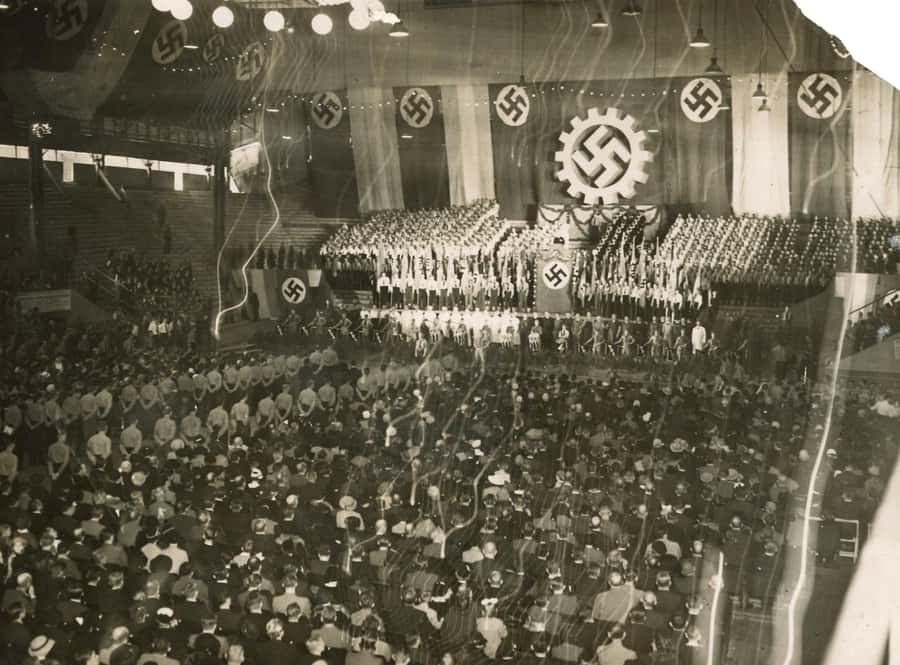
- A look at the 15,000-seat Nazi meeting tied to Luna Park Stadium, still operating today
- A neo-Nazi attack in the 1960s connected to the Italian Circle of Buenos Aires
- The walk ends at the Plaza Embajada de Israel memorial, linked to the worst terrorist attack in Latin America
- A guide who teaches like a university seminar, not a quick slideshow-and-points tour
What this tour is really about (and why it’s worth your time)
You’ll hear a question baked into the whole experience: was Argentina a refuge for Nazi war criminals after 1945? That sounds simple, but it isn’t. Max frames it as a disputed debate—one you can feel in the way he moves from place to place, using the geography of Buenos Aires to show how politics, networks, and public narratives can overlap.
The tour also pulls a second thread you might not expect: the fate of the Jewish community in Buenos Aires, described as the second largest in the continent. That matters, because the story isn’t only about what happened during the Holocaust. It’s about what came after, including how antisemitism didn’t vanish when the war ended.
Finally, you get the “spy-like” thread of Adolf Eichmann’s identification and capture. The tour uses a specific, local anchor—Eichmann sitting for a cup of coffee—to make that part of the story feel concrete rather than abstract.
You can also read our reviews of more walking tours in Buenos Aires
Following the route: meeting at Juana Azurduy, ending at Israel’s memorial plaza
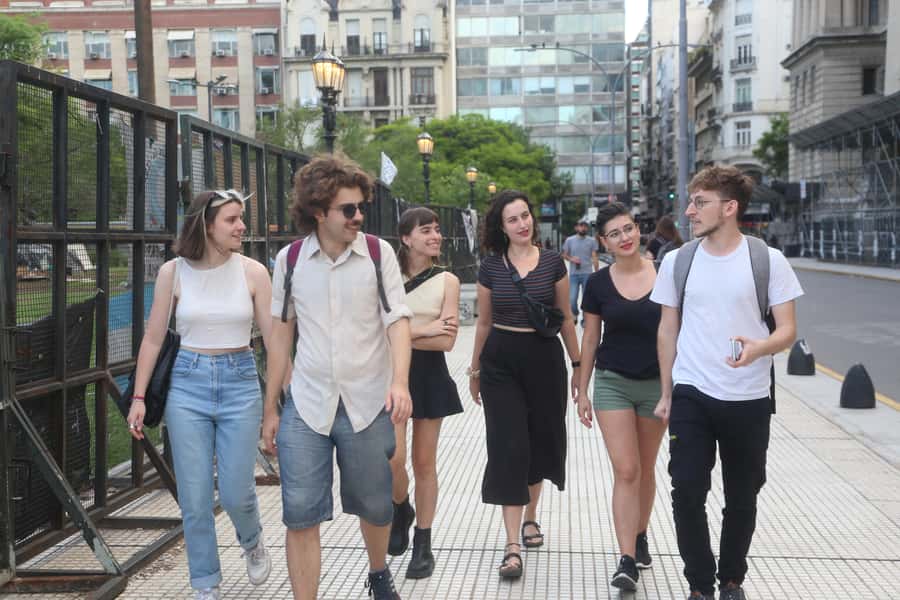
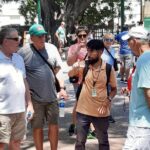
The walk begins near the Monumento a Juana Azurduy, in front of the Palacio Libertad (a building locals associate with the former CCK). Max will be wearing a black cap by the benches facing the palace, so it’s easy to spot him.
From there, you’ll cover key areas—Recoleta, Retiro, and Microcentro—without needing taxis or trains. The pacing is built for a compact historical route: about 2.5 hours total, with a short rest break of around 10 minutes for the restroom.
You’ll end at Plaza Embajada de Israel, at the memorial site connected to the former embassy of Israel. That final stretch is where the tour’s emotional weight lands. If the earlier stops felt like history lessons, the ending is more like a reminder that memory and violence can stay linked for decades.
Max’s teaching style: a history lesson you can question
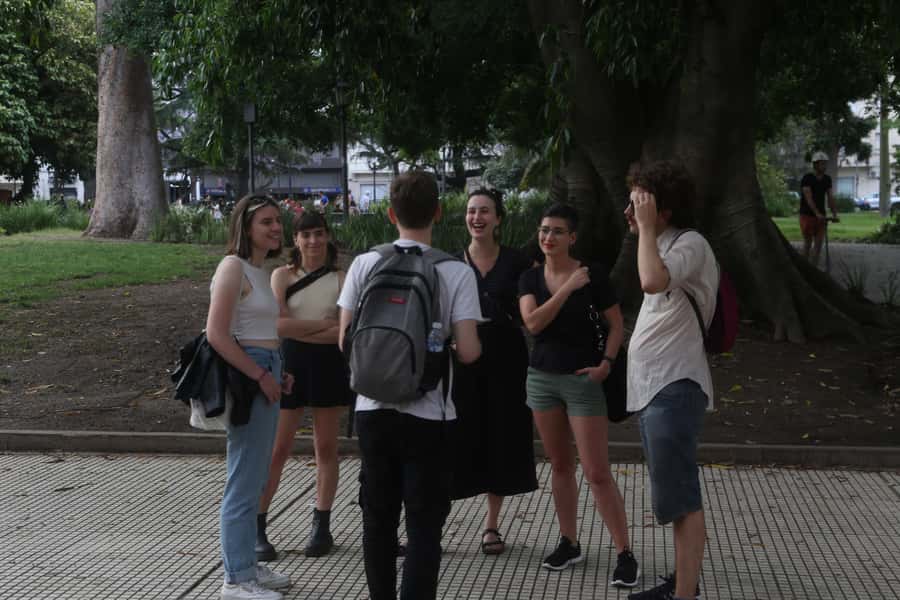
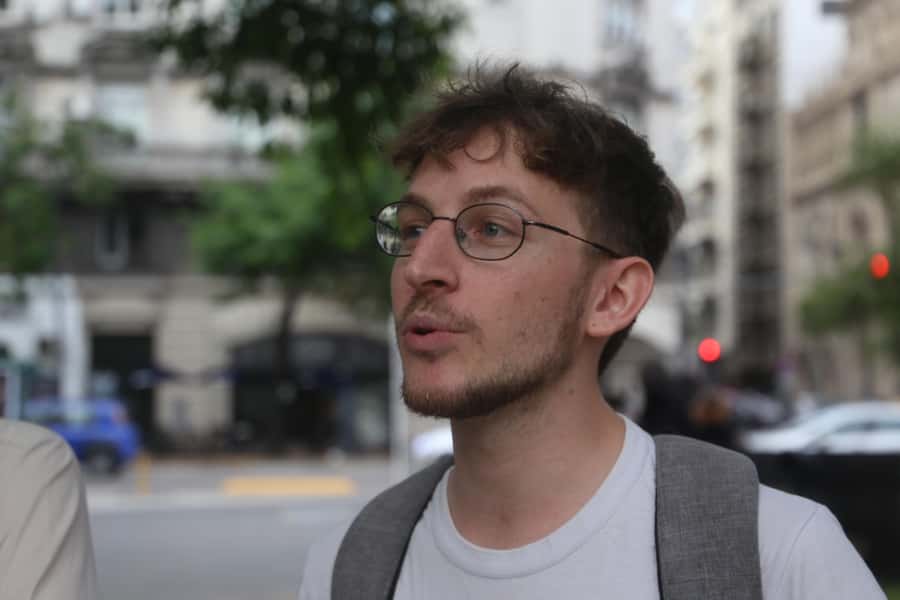
This is guided by a live English tour guide, and the tone matters. Multiple comments about Max highlight the same pattern: he’s friendly, but he’s also firm about handling sources carefully. One detail I really value is that he doesn’t act like every claim is equally settled. If something isn’t certain, you’ll often hear it explained that way.
You’ll also notice how the tour works like a classroom in motion. Max sets the scene early, then gradually builds toward the big controversies—especially around government involvement, public knowledge, and the politics of Juan Domingo Perón’s era. It’s not presented as a single neat answer. It’s presented as arguments you can understand.
Expect time for questions. Even if you show up with only basic background on World War II and the Holocaust, the guide makes room for follow-ups. The tour description does prefer a basic understanding first, but that doesn’t mean you’re left behind if you’re fuzzy on details.
Stop-by-stop: what you see and what each place is doing in the story
Here’s how the walk unfolds, and why these stops are more than just scenic backdrops.
Stop 1: Monumento a Juana Azurduy and the Palacio Libertad area
The start is deliberately symbolic. You’re in a central Buenos Aires zone linked to the Palacio Libertad, and Max uses the opening moments to set the political and historical context. It’s the kind of start that helps you know what to listen for, so later stops don’t feel like random facts.
If you’re the type who likes to know the why before the what, this is your moment. You get to build a mental map of the tour’s themes: Nazi fugitives after 1945, debates about whether their migration was known or promoted, and how Argentina’s political shifts shaped the story.
You can also read our reviews of more historical tours in Buenos Aires

Stop 2: Luna Park Stadium and the Nazi meeting you can still see
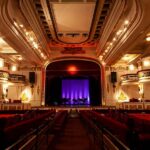
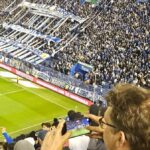
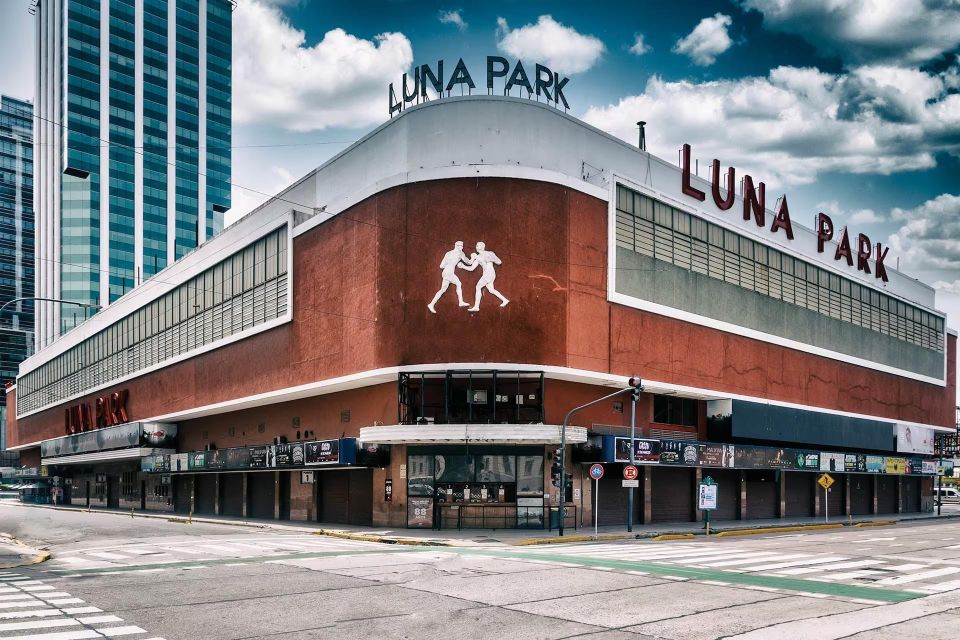
Luna Park Stadium gets about 20 minutes, and it’s a major anchor because it’s tied to a 15,000-seat Nazi meeting in a still-operational theater. Seeing that scale in a functioning venue is jarring. It forces the question: how does a city’s everyday life coexist with extremist history?
Max uses the setting to connect the Nazi presence to public visibility. Even when the tour doesn’t read like sensationalism, it still makes the point that ideology can recruit, organize, and stage major events.
Practical note: you’ll want comfortable shoes here. This stop is a reminder that the tour isn’t about sitting and watching. It’s about walking, looking up, and absorbing the contradictions.
Stop 3: ABC Restaurant and the Eichmann coffee detail
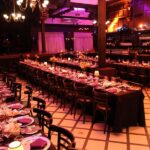
Next is ABC Restaurant (also around 20 minutes). This is the stop built around a specific claim: the place Adolf Eichmann reportedly sat for a cup of coffee.
This detail does a great job of translating a giant historical figure into a local, human-sized moment—then Max connects it back to the broader question: how Eichmann’s trail was identified, and how his capture fits into the postwar pursuit of Nazi criminals.
The value here isn’t just the name. It’s the way the tour ties a single place to the mechanics of identification and enforcement. You leave this stop with a clearer sense of how international efforts and local evidence can intersect.
Stop 4: Museo de Armas de La Nación Tte. Gral. Pablo Riccheri
At the Museo de Armas de La Nación Tte. Gral. Pablo Riccheri, you get another 20-minute stop. A weapons museum can easily become a dry stop on a walking tour. Here, it’s used for context: it’s part of the wider environment in which postwar politics and security concerns mattered.
Even without going inside anything, this stop helps explain how official institutions and national narratives can shape what gets documented—and what gets remembered differently over time.
If you’re hoping for lots of inside exhibits, keep expectations realistic. The tour information you’re given doesn’t include entry tickets for various sites, so the value is in the guided interpretation rather than museum wandering.
Stop 5: Palacio San Martín and debates over Perón’s role
Palacio San Martín takes another 20 minutes. This is one of the key stops for the political thread: the tour description flags debates around Juan Domingo Perón, described as arguably the most important political figure of Argentina’s 20th century.
Max’s approach here is the key. He doesn’t treat Perón as a single fixed villain-or-hero. Instead, the tour encourages you to understand the arguments: what was known, what was claimed, and how political power influences public behavior and government decisions.
If you like history that doesn’t flatten people into simple categories, you’ll probably enjoy this stop the most.
Stop 6: Italian Circle of Buenos Aires and neo-Nazi violence in the 1960s
The Italian Circle of Buenos Aires is the stop tied to a neo-nazi attack in the 1960s. This is where the tour turns from World War II into the continuation of extremist ideas after the war ended.
It’s also where you see how “postwar” doesn’t automatically mean “post-extremism.” For me, that’s one of the tour’s strongest lessons: ideology doesn’t disappear because a war ends. It mutates, finds new local supporters, and sometimes continues through violence.
You’ll have a short window to take it in, and Max frames it in relation to the earlier themes—so it doesn’t feel like a random tangent.
The ending at Plaza Embajada de Israel: terrorism, Jewish memory, and why this matters now
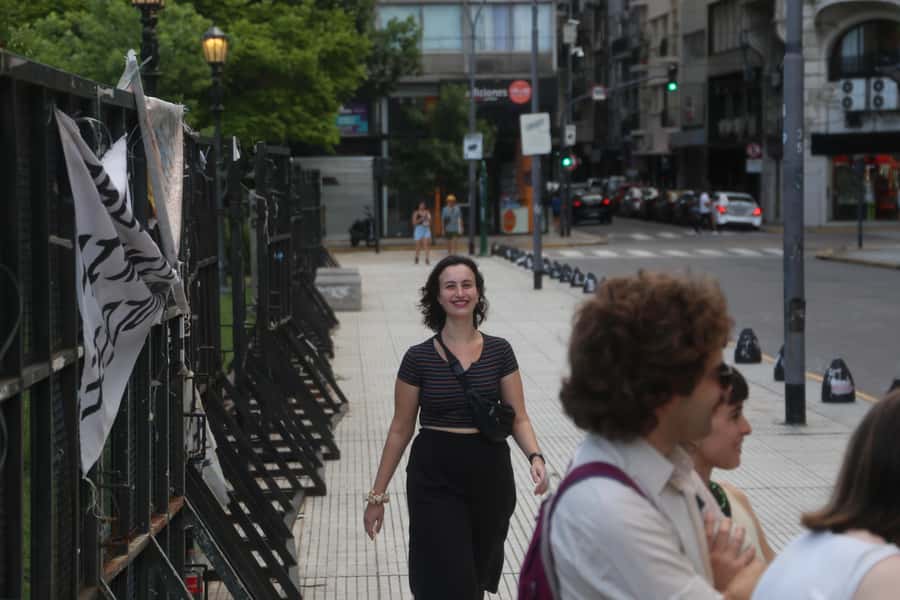
The tour finishes at Plaza Embajada de Israel at the memorial site of the former embassy of Israel. This is the stop tied to the worst terrorist attack in the history of Latin America, as described in the tour highlights.
This ending does something the earlier stops can’t: it connects the long arc of history to a clear, painful local consequence. You’re seeing memory space in the real city, not just reading about it.
And because the tour has spent the earlier time on Holocaust-related themes, the ending lands with extra weight. You’re not only learning about Nazi war criminals. You’re learning how antisemitism remained present—and how societies carry responsibility for remembering.
Practical tips so you get the most from the walk
A few things will make the experience smoother.
Wear comfortable shoes. The walk is long enough that you’ll feel it if you’re in stiff footwear.
Bring water. Buenos Aires can feel hot and bright in the afternoon, and you’re outdoors for most of the tour.
Plan your mindset. This isn’t a funny side-quest. It’s a serious historical walk through controversial topics, including terrorism and extremist networks.
If you prefer learning in an interactive style, you’re in the right place. Max’s teaching is structured, but it’s also open to questions and clarification, and that helps if you’re the type who likes to challenge details.
Also, the tour isn’t suitable for children under 10 and it isn’t designed for wheelchair users. If you’re traveling with mobility needs, you may want to look for an alternative format.
Price and value: why $25 can be a smart buy for this topic
At $25 per person, this feels like strong value for a couple of reasons.
First, you’re paying for guided interpretation of several major landmarks spread across the city, not for a single-spot attraction. Second, Max brings an academic-style method: explaining complexity, pointing out disputes, and handling the topic with careful framing rather than simple slogans.
Is it expensive compared to a free self-guided walk? Sure. But it’s not competing with that. It’s competing with the usual walking tour approach where you get a list of facts. Here, the guide’s role is the product.
Should you book this tour?
I’d book it if you want a history walk that takes controversy seriously and doesn’t treat the Holocaust and Nazi postwar stories like trivia. You’ll probably be especially happy if you enjoy explanations with nuance, and if you like learning in a guided, question-friendly format led by someone like Max, who teaches from the university angle.
I’d skip it if you’re looking for light entertainment, because the subject matter is intense. And I’d also think twice if you want an easy route with minimal walking or if you need wheelchair accessibility.
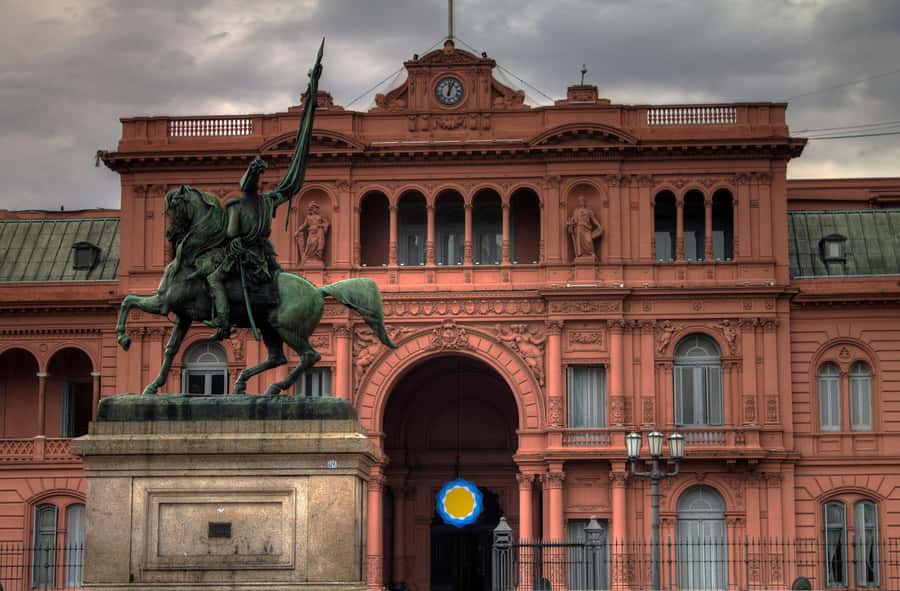
If your goal is to understand a difficult slice of Buenos Aires—how global war crimes, local politics, and public memory intersect—this is a solid, focused choice.
FAQ
How much does the Nazis in Buenos Aires walking tour cost?
The price is $25 per person.
How long is the tour?
It runs for about 2.5 hours total.
What language is the tour in?
The tour is offered in English.
Where does the tour start?
You meet a few meters away from the Monumento a Juana Azurduy.
Where does the tour end?
The tour ends at Plaza Embajada de Israel.
What stops are included during the walk?
You’ll visit Luna Park Stadium, ABC Restaurant, Museo de Armas de La Nación Tte. Gral. Pablo Riccheri, Palacio San Martin, and the Italian Circle of Buenos Aires.
Are museum or site entries included?
Entry is not included for Casa Rosada, the Libertad Synagogue, or Luna Park Stadium.
What’s included in the tour price?
A two-hour walking tour and a guide.
Is there a restroom break?
Yes, there is a 10-minute pause for the restroom.
Is it suitable for kids under 10 or for wheelchair users?
It is not suitable for children under 10 and it is not suitable for wheelchair users.
What are the cancellation and reserve options?
You get free cancellation up to 24 hours in advance for a full refund, and you can reserve now and pay later.