REVIEW · PALACIO BAROLO TOURS
Buenos Aires: Palacio Barolo Entry Ticket and Guided Tour
Book on GetYourGuide →Operated by Travel Argentina · Bookable on GetYourGuide
Dante’s dream comes with tight stairs. I love the Art Nouveau and Art Deco interiors—each corridor feels like it has a plot—and I also love the payoff: lighthouse summit views over Buenos Aires. The main drawback is the upper climb: after the elevator gets you partway up, the final floors involve narrow stairs, so it’s not ideal if you hate heights or tight spaces.
This tour hits the sweet spot between architecture and story. You’ll show your ticket at the palace entrance and then follow a bilingual guide (Spanish and English) for about 90 minutes, with a smooth flow that skips the ticket line. In the spirit of what you may experience, I’ve seen praise for guides like Roxy, Cicillia, Ana, Martina, Silvina, and Veronica—people who actually explain what you’re seeing instead of reading off a script.
One more practical heads-up: the 14th floor is reachable by elevator, but the final 8 floors require stairs through narrow spaces. Bring a passport or ID and wear comfortable shoes—your legs will do some of the sightseeing.
In This Review
- Key things to know before you go
- Entering Palacio Barolo: a building with a storyline
- Price and value: is $67 worth it?
- The 90-minute flow: what you’ll actually do
- Art Nouveau and Art Deco details you’ll want to spot
- The upper floors: elevator to 14th, then the stair reality check
- Lighthouse summit views: the big reason to go
- Who should book Palacio Barolo (and who should skip)
- So, should you book this tour?
- FAQ
- How long is the Palacio Barolo entry ticket and guided tour?
- What do I need to bring?
- What languages are the guides?
- Is there an elevator to the top floors?
- Is the tour suitable for people with mobility impairments?
- How do I enter—do I need a ticket and where do I show it?
Key things to know before you go
- Dante-inspired theme that shapes the building’s meaning as you move upward
- Art Nouveau + Art Deco details you’ll be guided to notice, not just walk past
- Elevator to the 14th floor, then stairs for the last stretch
- Palacio Barolo’s lighthouse on the summit for big panorama-style city views
- Guides in Spanish and English (names you may hear in reviews include Roxy, Ana, Silvina, Martina, and Veronica)
- A practical “skip the tight part” option on some tours, with a waiting spot on a lower floor (via a shop, per one review)
Entering Palacio Barolo: a building with a storyline
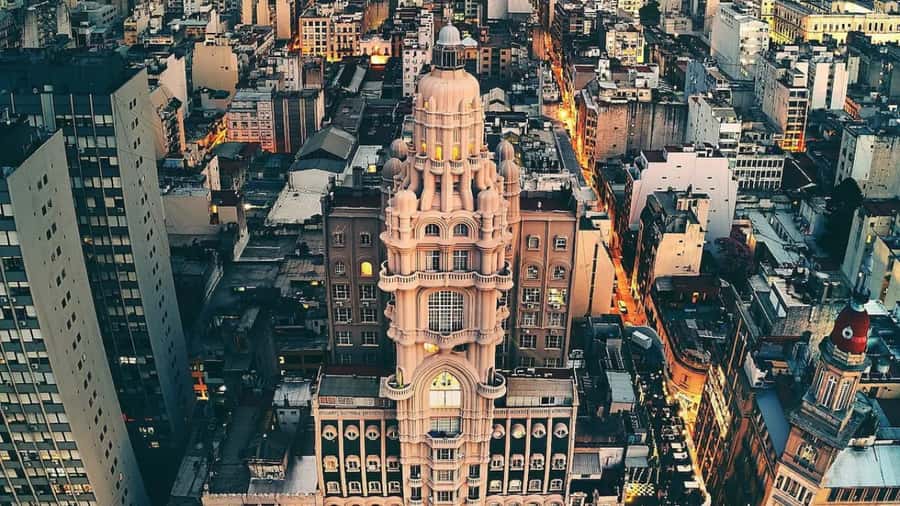
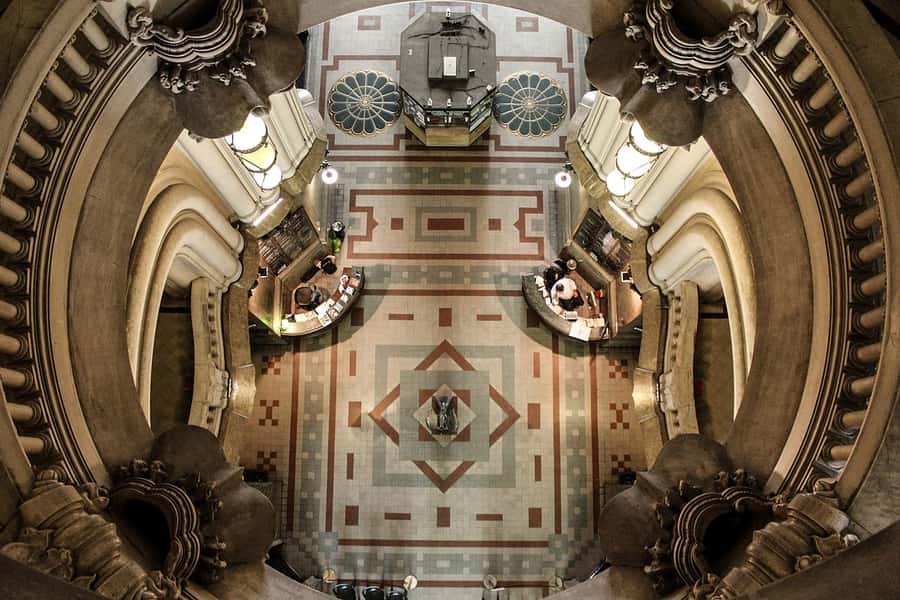
Palacio Barolo is one of those Buenos Aires landmarks where the “what” is obvious—you can see the place and you’ll want photos—but the “why” comes from the guided explanation. The whole concept is tied to Dante Alighieri’s Divine Comedy, and the building’s vertical layout supports that idea: you don’t just look at decoration, you experience it like a progression.
That’s why I like this tour format. At first, you’re oriented in the building—how to read the architecture, what details matter, and how the symbolism shows up in shapes and layout. Then you move into the decorated interiors where the guide points out the style mix: Art Nouveau and Art Deco touches that feel specific to the early 20th century, not generic “old building” stuff.
The vibe is part museum and part guided walk-through. You’re not sitting in one room for an hour. You’re moving, looking up, and learning how to connect the design choices to a bigger theme. If you’re the type who likes to understand what you’re seeing, this will click fast.
You can also read our reviews of more tours and experiences in Buenos Aires
Price and value: is $67 worth it?
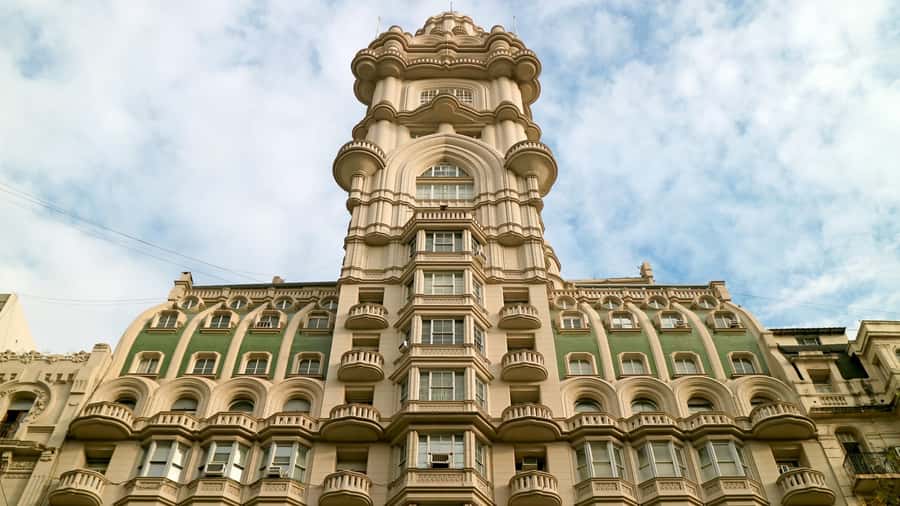
At $67 per person, this isn’t a throwaway add-on. But it can still be good value if you care about architecture and you’ll actually use the summit views.
Here’s what you get that justifies the price:
- A guided tour (bilingual) included with the ticket rather than a self-guided pass
- A structured 90-minute visit, meaning you’re not wandering and guessing what’s important
- Access up to the lighthouse area, including panoramic viewing from the top
- Skip-the-line entry, which matters in a busy city when you’d rather spend time inside than waiting outside
One review did raise a fair point: the ticket price felt high to someone based on how many floors were visited. That’s a reasonable concern, especially because the upper portion involves stairs and some parts may be optional depending on how your group handles the tightest climb.
My take: if your goal is the lighthouse summit and you want an informed guide to interpret the design, $67 can feel like a proper sightseeing ticket. If you mostly want casual photos and you’re hoping for a long, wide interior walk without stair stress, then you should think twice.
The 90-minute flow: what you’ll actually do
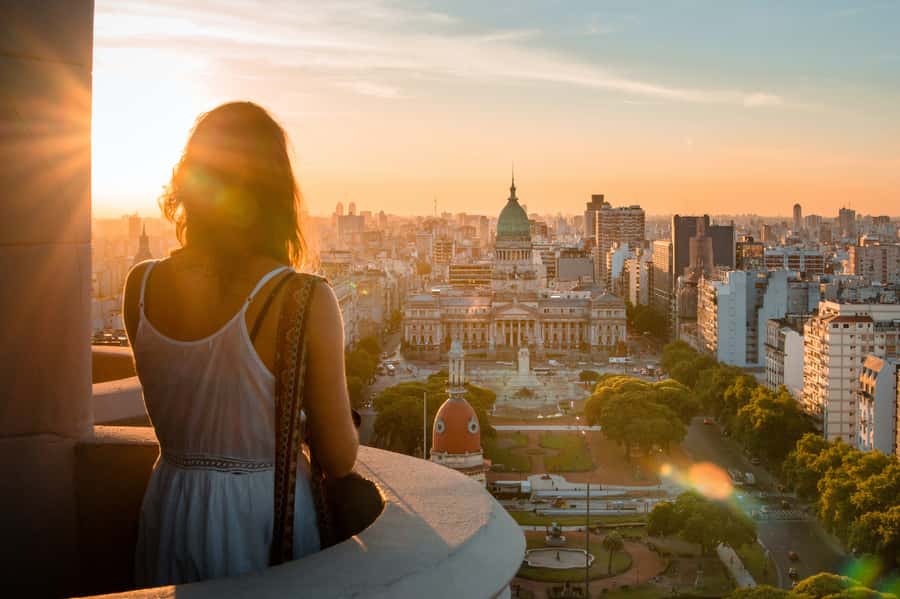
This tour is built around a fairly clear rhythm, and that helps you plan your day in Buenos Aires.
First, you head to the entrance and show your ticket. You’ll start with orientation and a guided overview of the building’s inspiration—Dante’s Divine Comedy—and how that theme plays out in the architecture. After that, you move through the interior spaces where you’ll spend the bulk of your time noticing design elements and lavish decoration.
Next comes the vertical part. You’ll reach the 14th floor by elevator, and then the final stretch involves climbing stairs. The key point isn’t just the number of steps—it’s the reality of narrow spaces. This tour isn’t “endless stairs for hours,” but it does include a constrained climb for the last part of the experience.
Finally, you reach the top area for the lighthouse and summit views. That’s where the tour pays you back visually: the views are framed as a payoff to the building’s vertical story, and you get a chance to take photos in a way that feels timed to the experience, not random.
In short, the tour is designed to be compact: enough time to understand the place, then enough time to enjoy the summit.
Art Nouveau and Art Deco details you’ll want to spot
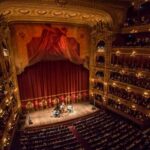
The most praised part of Palacio Barolo visits is the architecture itself—especially how the guide helps you see it. The interiors mix styles in a way that can be hard to appreciate if you’re just walking by quickly.
Here’s what I’d focus on while you’re inside:
- Look for ornament patterns and how they’re repeated across corridors and halls. The decoration isn’t just for looks; it’s part of how the building “tells” its story.
- Pay attention to the style blend. The Art Nouveau and Art Deco elements show up as different kinds of lines, curves, and detailing, and a good guide points out what to notice instead of leaving you to guess.
- Notice how the theme tied to Dante is explained. It’s not only literary trivia. It shapes how the guide describes the layout and the meaning behind the building’s features.
You’ll also learn how the place fits into Buenos Aires culture. The palace is treated as a kind of hometown landmark—big, artistic, and tied to the city’s identity—and the tour does a nice job making that feel real instead of like a list of dates.
One thing I like: multiple guides are described as being entertaining without being sloppy. Guides such as Roxy and Ana are mentioned as attentive and good at answering questions, and that makes a big difference. If you’re the curious type, you’ll likely appreciate the back-and-forth during the tour.
The upper floors: elevator to 14th, then the stair reality check
The climb is the main operational detail that can change how enjoyable the tour feels for you.
You’ll get help up to the 14th floor by elevator, which reduces the “all stairs from the start” problem. But the final 8 floors are climbed by stairs, and the guidance is clear: it passes through narrow spaces.
So what should you do with that information?
- Wear shoes with good grip and expect some tight maneuvering.
- If you’re anxious about heights or tight spaces, go in with that mindset early, not after you’re committed.
- If your tour allows it, there may be a way to skip the very tight final climb and wait on a lower floor in a shop area (one review specifically mentioned a shop run by Fernanda as a waiting option). Don’t count on every tour doing it the same way, but it’s good to know it can be an option on at least some tours.
This is also why the experience is rated so differently depending on the person. One reviewer loved it but called out the stair narrowness for the final part. Another person felt the ticket price didn’t match the number of floors reached from their perspective. Both points make sense because the climb isn’t uniform for everyone’s comfort level.
You can also read our reviews of more guided tours in Buenos Aires


Lighthouse summit views: the big reason to go
The lighthouse at the summit is the moment that turns Palacio Barolo from architecture into a real Buenos Aires viewpoint.
This beacon was once described as the tallest structure in South America, and regardless of whether you care about historical records, that fact sets expectations: this place was meant to rise and be seen. On the tour, the guide brings you up expecting a payoff, and the payoff is panoramic city visibility from the top.
A few practical notes to help you enjoy this part:
- Bring your camera-ready mindset. The best views are the ones you can pause for—don’t rush your way through the top area.
- Plan for photo angles. If your group is busy, you’ll still likely get chances to shoot because the views are wide and 360-degree-style.
- Consider going later in the day. One review specifically called out that a sunset view was worth every penny, which tells you the light can dramatically improve the payoff.
And yes, the top climb is narrow enough that you might feel your comfort limits during the final section. If you’re not into that, it doesn’t mean the whole tour is pointless—it just means you should prepare for the possibility of either slowing down or skipping the tightest part if your guide offers an alternative.
Who should book Palacio Barolo (and who should skip)
I’d recommend this tour if you:
- Love architecture and want someone to explain what you’re seeing
- Enjoy city views and don’t mind vertical movement
- Want a compact 90-minute activity that combines story + design + panorama
I’d reconsider if you:
- Have mobility issues. This tour is explicitly not suitable for people with mobility impairments.
- Hate tight spaces or are claustrophobic about stair climbs. The final 8 floors are narrow-stair climbing.
- Are paying mainly for “lots of floors.” The experience is structured, and if you expected a longer interior-only stroll, the stairs can change your impression of value.
The good news: the tour is run by people who sound like they genuinely care about guiding the group. Several reviews mention guides being attentive, funny, and willing to help with questions and photos, including situations where a guide offered to help someone take pictures during the roof climb part.
So, should you book this tour?
If you’re excited by architecture and you want one of Buenos Aires’s most distinctive viewpoints, I think you should book Palacio Barolo. The combination of guided interpretation plus the lighthouse summit is exactly the right pairing: you learn the building, then you see the city from its crown.
Just be honest with yourself about the climb. If narrow stairs make you uncomfortable, plan to go with careful expectations (and keep an eye out for any option to wait lower during the tightest part, if your guide offers it). And if you’re a “pay for lots of floor space” kind of visitor, the $67 price will likely feel more debatable.
FAQ
How long is the Palacio Barolo entry ticket and guided tour?
The tour lasts 90 minutes.
What do I need to bring?
Bring a passport or ID card and wear comfortable shoes.
What languages are the guides?
The tour guide speaks Spanish and English.
Is there an elevator to the top floors?
The 14th floor can be reached by elevator, but the final 8 floors must be climbed by stairs through narrow spaces.
Is the tour suitable for people with mobility impairments?
No, the tour is not suitable for people with mobility impairments.
How do I enter—do I need a ticket and where do I show it?
You show your ticket at the entrance to Palacio Barolo, and the tour includes skip-the-ticket-line entry.