REVIEW · ARGENTINE COOKING CLASSES
Buenos Aires: Empanadas and Alfajores Guided Cooking Class
Book on GetYourGuide →Operated by BsAs Mio Turismo · Bookable on GetYourGuide
The best bites start in a real home kitchen. In San Telmo, you learn the craft behind empanadas and the mate ritual inside a Buenos Aires household with a chef. I love how the pace feels hands-on and personal, like you’re cooking with real people.
You’ll also make alfajores with corn-starch cookies and dulce de leche, then sit down and eat what you made. I like that the 3 hours end with a proper meal, not just snacks. One possible drawback: you might end up making the empanadas with the same filling more than once, so bring your focus to technique and flavor balance.
In This Review
- Key things that make this class worth your evening
- San Telmo meet-up: stepping into a Buenos Aires home
- Empanadas: dough, fillings, and nailing the repulgue
- What you’ll likely make (and what to expect from the fillings)
- A practical seating note
- Mate in Buenos Aires: learning the ritual, not just tasting it
- Alfajores: corn-starch cookies and dulce de leche payoff
- The vibe: why this feels more like a shared evening than a class
- Who should book it, and who might want to shop around
- Price and value: what $37 buys you in Buenos Aires
- Before you go: quick checks that prevent last-minute frustration
- Should you book this empanadas and alfajores class?
- FAQ
- How long is the cooking class?
- Where is the meeting point in Buenos Aires?
- What will I make during the workshop?
- Is the class beginner-friendly?
- Are there vegetarian options?
- What’s included in the price?
- Is wine included?
- How big is the group, and is it wheelchair accessible?
Key things that make this class worth your evening
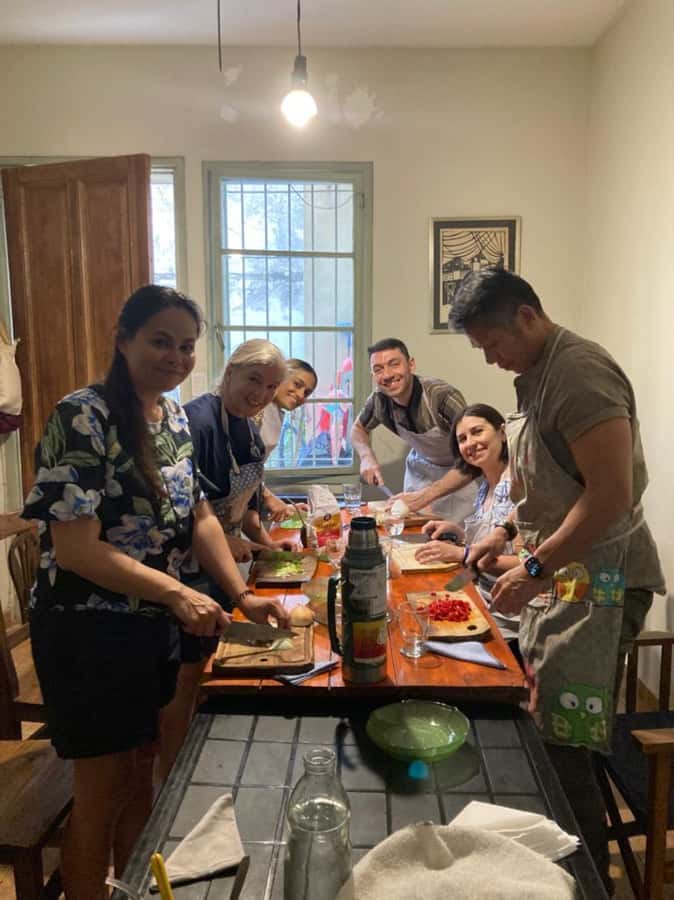
- Small group, up to 8 people: more hands-on time and less standing around.
- Empanada sealing practice (repulgue): you learn how to close the dough the Argentine way.
- Traditional mate prep: you don’t just drink it, you learn how it’s made.
- Alfajores from scratch: corn-starch cookies + dulce de leche filling.
- Meat and vegetarian fillings: options are available.
- You leave with the results (and likely recipes): you eat everything you cook.
San Telmo meet-up: stepping into a Buenos Aires home
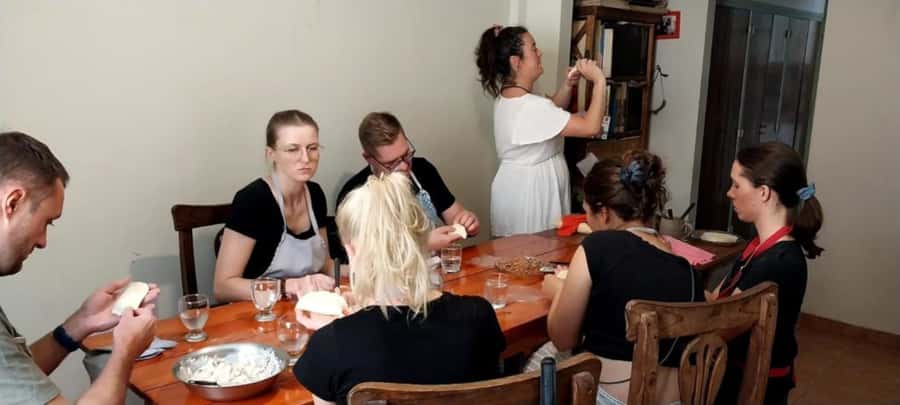
This class starts in San Telmo at Paseo Colon 1355. Show up at the class start time and ring the bell. It’s the kind of meeting point that feels more like, come on in, than check-in desk and clipboard.
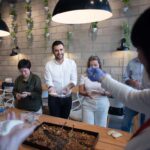
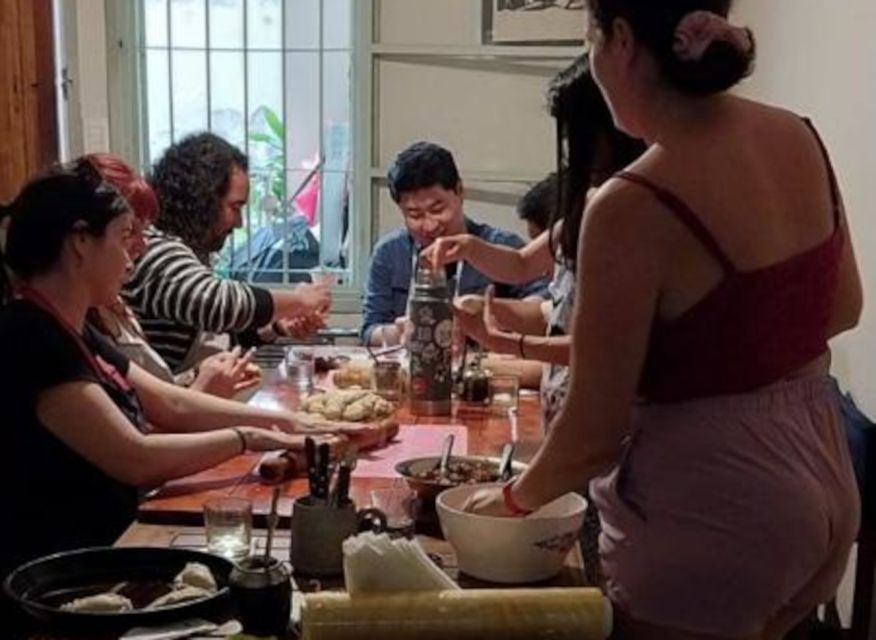
That matters more than it sounds. A cooking class in a home kitchen usually means you’ll learn faster because you’re working at the same tables and counters where Argentine families actually cook. In this case, the group is limited to 8 participants, so the chef and hosts can keep an eye on what you’re doing without rushing you.
You’ll also be able to follow along in English or Portuguese. That’s a practical plus if your Spanish is still warming up. Plan on a lively table. Mate, conversation, and a working kitchen setup turn the whole evening into a shared experience instead of a performance.
You can also read our reviews of more guided tours in Buenos Aires


Empanadas: dough, fillings, and nailing the repulgue
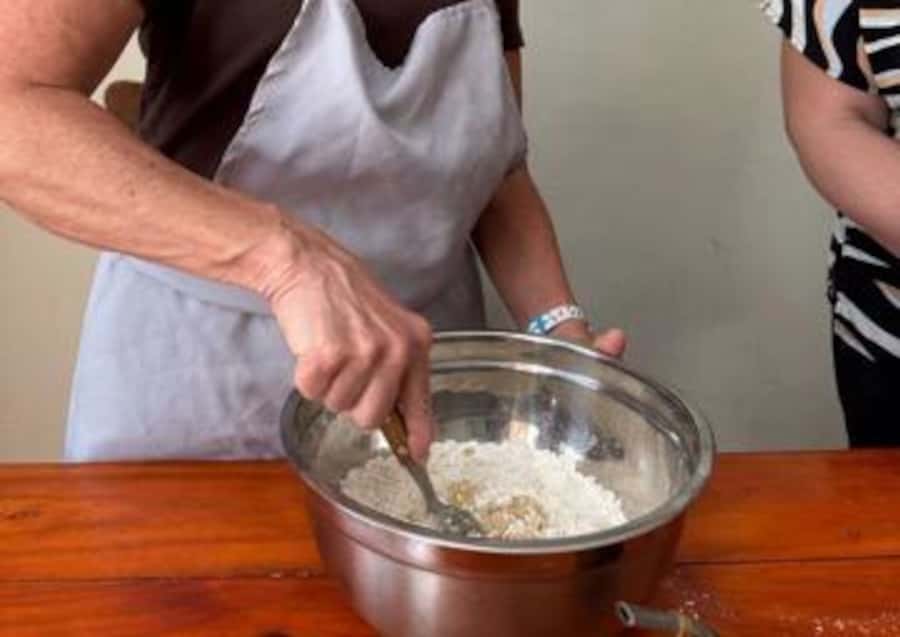
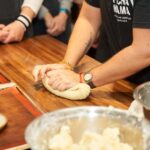
Empanadas are Argentina’s do-anytime comfort food: stuffed dough that can be baked or fried, depending on the style. In the class, you work through the core steps: making dough, prepping fillings, and then shaping and sealing the empanadas.
The big skill is the repulgue, the crimped edge that both seals the empanada and gives it that classic look. This is the kind of technique that looks simple until you’re holding dough in your hands. Here, you get step-by-step guidance so you’re not guessing where to press, fold, and pinch.
What you’ll likely make (and what to expect from the fillings)
You’ll learn with savory empanada fillings, including meat-based options, and you’ll also have vegetarian alternatives. Some classes like this rotate through different fillings, but in this one you may repeat a filling so everyone finishes the workflow at the same time. That’s not a deal-breaker if your real goal is to learn how to make the dough and perfect the closure.
If you care about variety, use this frame: focus on mastering technique first. Then, once you’ve got the repulgue down, you can tweak fillings later at home with your own combos.
A practical seating note
Because the class happens around a home table, you might sit a bit farther from certain prep steps. If you’re at the end of the table, it can be harder to see how hands move during the shaping stage. When that’s the case, I’d move closer at the moment the instructor demonstrates key steps, then return to your spot once you’re confident.
Mate in Buenos Aires: learning the ritual, not just tasting it
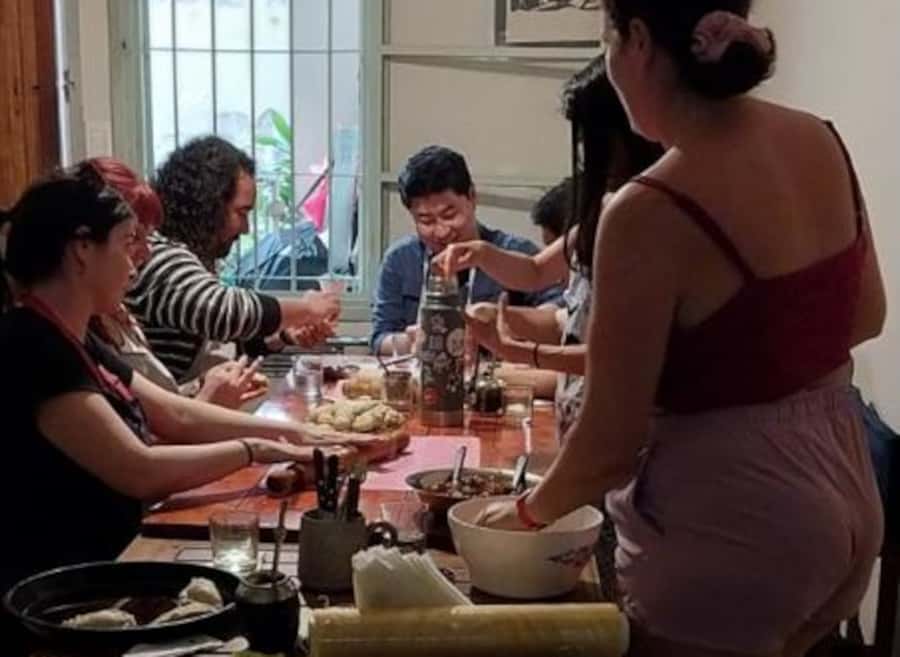
This is one of the most memorable parts of the evening because it’s not just food. You’ll also learn the traditional method of preparing mate, the herbal tea that shows up in Argentine social life again and again.
Mate preparation is almost like a mini lesson in etiquette and timing. You’ll practice the process while you’re together at the table, which turns it into more than background flavor. And because mate and water are included, you can focus on the experience without doing mental math every time you want a refill.
The hosts tend to keep the flow going so you’re not stuck waiting for attention. At this class size, that’s easier for them to manage, and it’s easier for you to stay engaged.
You can also read our reviews of more cooking classes in Buenos Aires

Alfajores: corn-starch cookies and dulce de leche payoff
After the savory work, you’ll shift to dessert with alfajores. The class focuses on the heart of the classic: corn-starch cookies paired with dulce de leche filling.
What I like about teaching alfajores in a guided workshop is that it gives you a clear win. Empanadas can require careful sealing and consistent shaping, but alfajores give you a more straightforward rhythm: make the cookie base, prepare the filling, and assemble.
Then comes the best part: eating what you made. In this class, the meal is included, and the alfajores aren’t a sad afterthought. They’re meant to land at the end of the 3 hours when you’re ready to relax and compare notes with the people you cooked beside.
The vibe: why this feels more like a shared evening than a class
A big chunk of what makes this worth it is the atmosphere. The best moments are when everyone starts talking and you stop thinking about cooking as a task. When the hosts explain the process and then keep the mood warm and humorous, you learn faster because you’re not tense.
This is also a family-style setup. People often feel welcomed into the home, and the conversation is part of the lesson. It helps that the group is small, so you’re not stuck in a line with a crowd behind you.
If you’re traveling with a teen or a kid, this format tends to work well too. You’ll be doing real hands-on work, and the result is something you eat. Just be ready for the kitchen to be lively, not silent and strict.
Who should book it, and who might want to shop around
I think this class is a strong match if you want authentic Argentine comfort food training without needing fancy equipment or prior cooking skill. It’s hands-on, and you’re learning exactly what makes empanadas and alfajores feel distinctly Argentine.
It’s also a good fit if you like cultural details that show up in everyday life. The mate component turns the lesson into something more than recipes on a page.
You might consider other options if your main goal is maximum variety of fillings for empanadas in one sitting. Since the class runs as a group experience and the focus is on technique, you may not get as many different fillings as you’d expect. If you want a rotating menu of flavors, you may feel slightly constrained.
Price and value: what $37 buys you in Buenos Aires
At $37 per person for a 3-hour session, the value is decent—mainly because several costs are bundled in. You get the cooking class itself, ingredients, mate, water, and a meal. Wine is not included (it’s available for purchase), which keeps the base price simple.
What you’re really paying for is time in a home kitchen with guided instruction and a small group size. A private kitchen lesson for two people would usually cost more, and even a larger-group class often limits hands-on shaping and sealing. Here, the ceiling is 8 participants, so you’re more likely to get the kind of feedback that turns a lumpy repulgue into an actual one.
Also, the meal and dessert are part of the package. In other words, you’re not just paying for cooking; you’re paying for dinner you help make.
Before you go: quick checks that prevent last-minute frustration
Here are a few practical moves that make the evening smoother:
- Ask about recipes before you leave. The class shares recipes afterward, but some people found it unclear how they receive them. If you care about taking them home, confirm the method and timing while you’re still there.
- Arrive right on time. The meeting point is at Paseo Colon 1355 in San Telmo, and you ring the bell at the start time.
- Come with an appetite for technique. Even if you’re focused on flavor, the class really teaches method—dough, filling prep, and sealing.
- Skip wine unless you want it. Wine can be bought, but it isn’t included in the price, and mate is part of the experience anyway.
One more thing: if you’re someone who learns best with clear visuals, sit closer during the most important shaping moments. That home-table layout can hide details from some seats, so adjust when the instructor demonstrates.
Should you book this empanadas and alfajores class?
If you want an Argentine evening that feels real—food plus mate ritual plus actual hands-on shaping—this is an easy yes. The small group size, the focus on repulgue technique, and the fact that you eat what you make are the big reasons.
I’d say book it especially if you’re the type of traveler who likes learning skills you can repeat at home. Once you understand how the dough is sealed and how alfajores are built with corn-starch cookies and dulce de leche, you’ll get more than a tasty memory.
The only reason to hesitate is if you’re chasing lots of different empanada fillings in one class. If that’s your priority, you might want to compare with other workshops that list multiple filling varieties.
FAQ
How long is the cooking class?
It lasts about 3 hours.
Where is the meeting point in Buenos Aires?
Go to Paseo Colon 1355 in San Telmo at the class starting time, and ring the bell.
What will I make during the workshop?
You’ll make Argentine empanadas and alfajores. You’ll also prepare traditional mate.
Is the class beginner-friendly?
The class is designed for a range of skill levels, and you’ll get step-by-step guidance as you work. If you’re new to cooking, it helps to pay close attention during the key dough and sealing steps.
Are there vegetarian options?
Yes, there are vegetarian alternatives for empanada fillings.
What’s included in the price?
The price includes the cooking class, ingredients, mate, water, and a meal.
Is wine included?
No. Wine is available for purchase, but it is not included.
How big is the group, and is it wheelchair accessible?
The group is small, limited to 8 participants, and the activity is wheelchair accessible.