REVIEW · BUENOS AIRES WALKING TOURS
Buenos Aires: La Boca Art and History Walking Tour
Book on GetYourGuide →Operated by Baires Experience · Bookable on GetYourGuide
La Boca turns history into something you can walk through, and this 150-minute tour is a smart way to get the neighborhood’s story in one go. I like how it connects Benito Quinquela Martín and the Riachuelo art movement to everyday working-class life, and I also like the way football takes center stage with a stop by La Bombonera. One thing to consider: it’s a walking tour through a busy area, so comfortable shoes matter more than you’d think for a 2.5-hour route.
The guiding here is often the difference-maker. Names like Facundo and Laura show up in recent experiences as warm, approachable guides with clear English, and that makes the history feel like it’s told for you, not at you. If you’re hoping for a strictly tango-focused show or a long sit-down museum day, this tour mixes topics by design, so you’ll get moments instead of a single deep specialization.
In This Review
- Key things that make this La Boca tour worth your time
- Entering La Boca Through Art, Immigration, and Football
- Where the Tour Starts (and How to Find It Fast)
- La Boca Streets: Colorful Houses With a Reason Behind Them
- La Bombonera Photo Stop: Football Culture as Local History
- Museo Conventillo El Rincón de Lucía: How People Actually Lived
- Benito Quinquela Martín Museum: Turning the Riachuelo Into Art
- Food and Drink: Two Included Extras (Wine or Dulce de Leche)
- Price and Value: What $46 Buys You Here
- Who Should Book This (and Who Might Want Something Different)
- Should You Book This La Boca Walking Tour?
- FAQ
- Where do I meet the guide for this La Boca walking tour?
- How long is the tour?
- What does the tour cost?
- What are the included activities?
- What extra options are included with the tour?
- Does the tour include hotel pickup and drop-off?
- What languages are available for the live guide?
- Is the tour wheelchair accessible?
- What should I bring with me?
- Are there any booking timing rules or restrictions?
Key things that make this La Boca tour worth your time
- Benito Quinquela Martín’s impact: you see why his art became part of the neighborhood’s identity, not just a museum topic
- Working-class roots + immigration stories: you get context for why La Boca looks the way it does
- La Bombonera photo stop: football culture is treated like a real part of local history
- Museo Conventillo El Rincón de Lucía: you learn how people lived, not just what they painted or cheered for
- Two included treats: wine tasting and/or dulce de leche tasting, plus museum entry depending on your selection
- Good guide communication: Spanish, English, Portuguese, with some guides even adding extra languages like Italian
Entering La Boca Through Art, Immigration, and Football
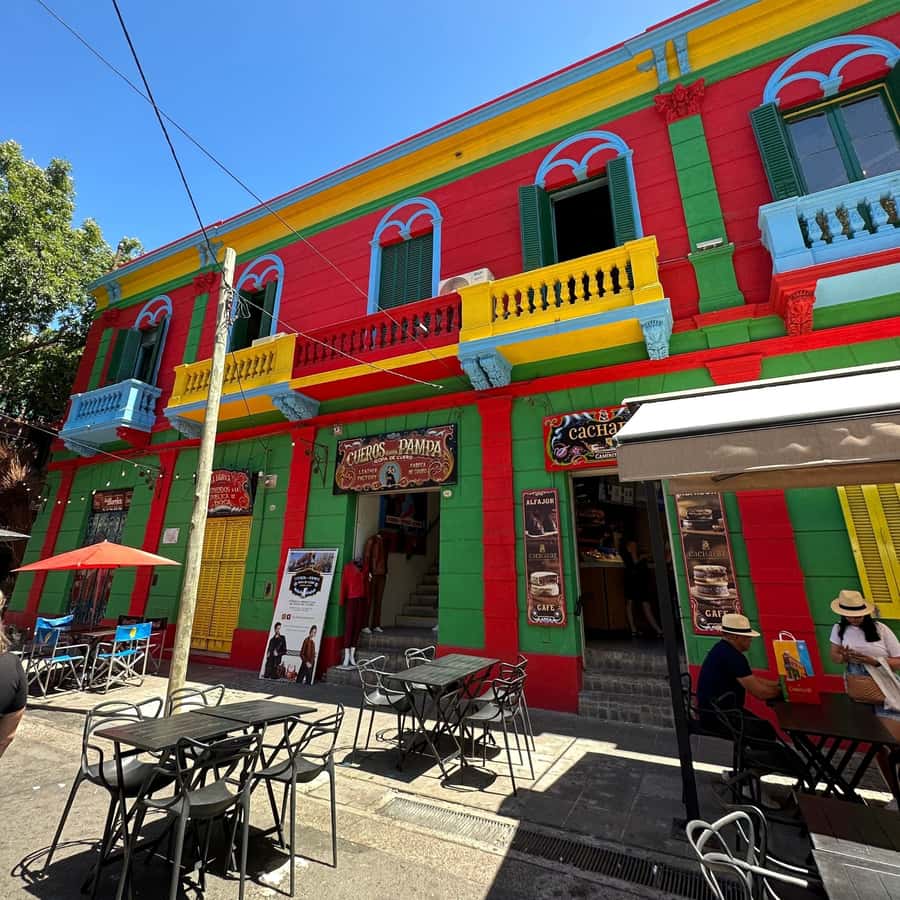
La Boca can look like pure color from the outside. But on this walking tour, that color turns into context. You’ll get stories that connect the neighborhood’s immigrant history and working-class roots to the art that came out of it, including the Riachuelo art movement linked to Benito Quinquela Martín.
What I like is that the tour doesn’t treat art, daily life, and football as separate hobbies. Instead, it frames them like threads in the same local fabric. The result feels practical: you leave understanding why people care—about walls, about neighborhoods, and about the home-team energy.
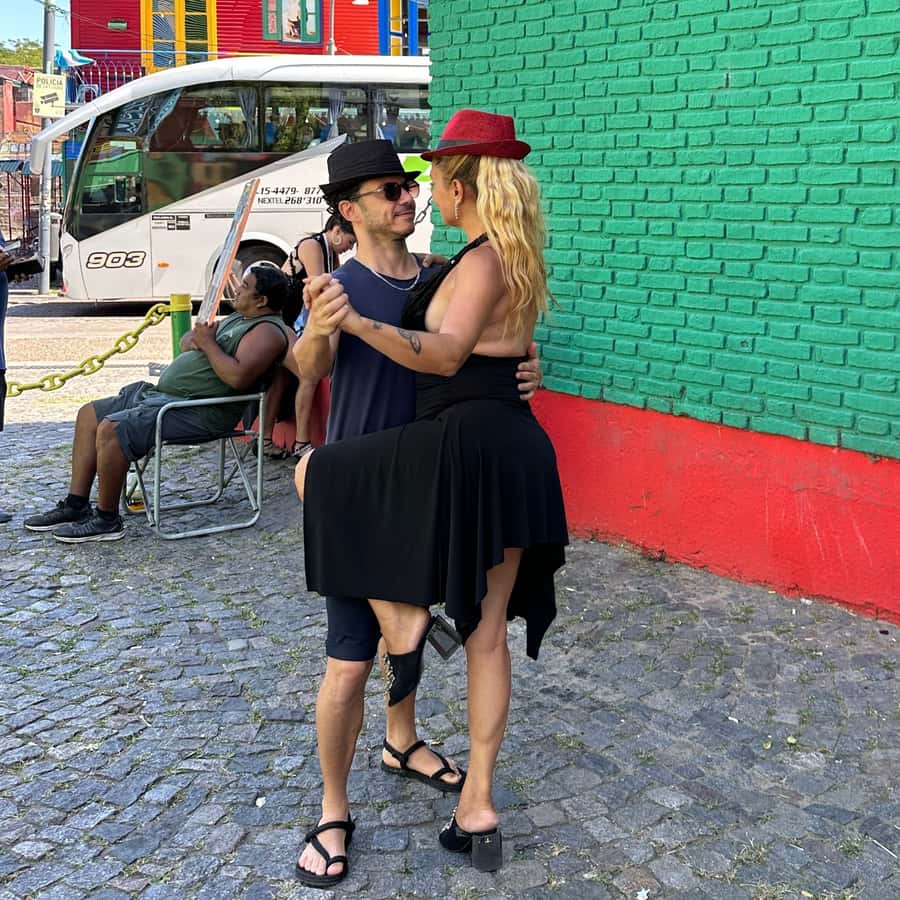
You also get a sense of tango culture in the pacing and mood of the walk. Even if it’s not a formal tango performance, the tour leans into the rhythm of the area, the way movement and music show up in everyday storytelling here.
You can also read our reviews of more walking tours in Buenos Aires


Where the Tour Starts (and How to Find It Fast)
You’ll meet your guide at the Benito Quinquela Statue. From there, the tour begins along Av. Don Pedro de Mendoza (the starting point is listed at 1921) and finishes back on the same avenue at 1835. That matters because La Boca is easiest when you can picture your route as a loop back to where you started.
There’s no hotel pickup, so plan to arrive on your own. If you want the experience to feel smooth, you’ll be happiest if you give yourself a little extra buffer to get to the meeting point before the start time.
Good to know: the tour is wheelchair accessible, and since it’s a walking format, that accessibility detail is worth taking seriously when you’re deciding whether to go. If mobility is an issue, it’s still a good idea to confirm what “accessible” means in practice for your specific group and timing—but at least the operator flags it as wheelchair accessible.
La Boca Streets: Colorful Houses With a Reason Behind Them
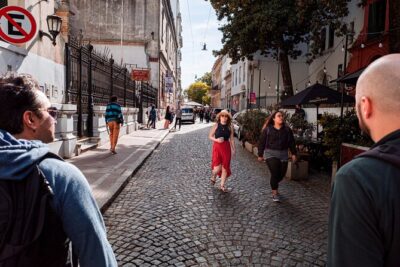
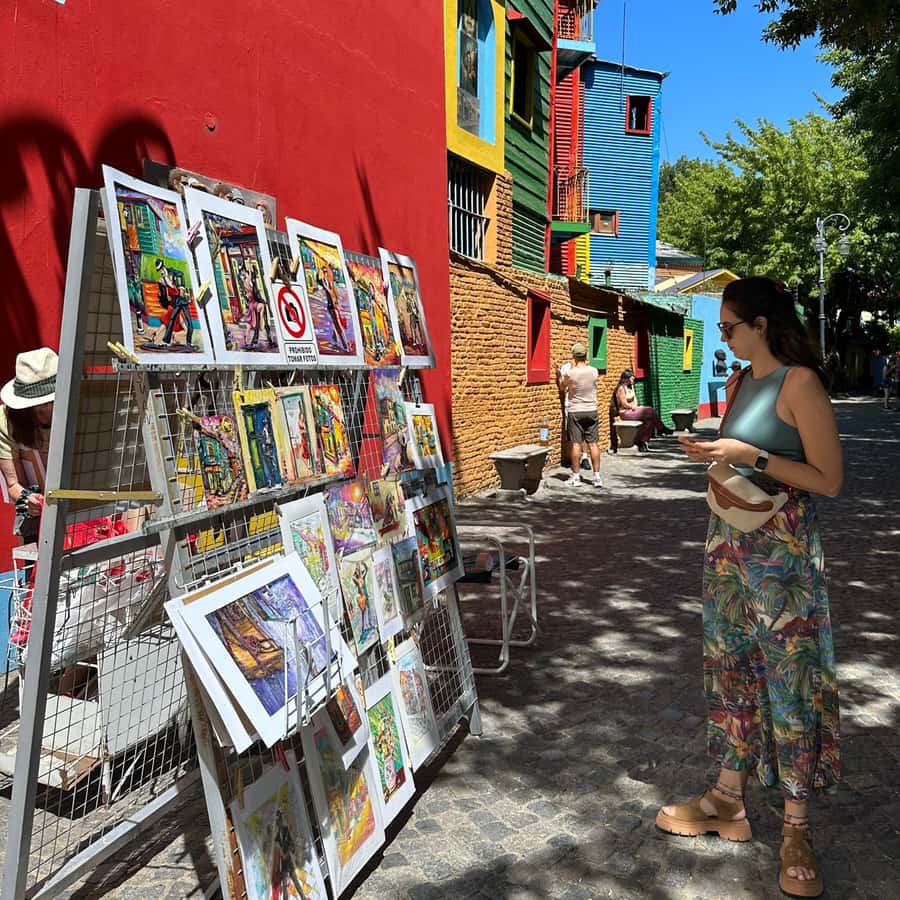
The tour’s main walk is where La Boca makes its case. You’ll spend time in the neighborhood streets and landmark areas, looking at the iconic colorful houses and local shops, but with explanations that focus on how the community formed and how it lives today.
This is the part that helps you avoid the classic souvenir-photo trap. Yes, you’ll see the famous look. But you’ll also learn what shaped it: immigration patterns, working-class life, and the cultural identity that grew out of the port-area world around the Riachuelo.
You’ll also get viewpoint-style moments—places where the guide points out what you’re actually seeing. For first-timers, that’s huge. La Boca can feel like it’s all surface until you understand the why.
La Bombonera Photo Stop: Football Culture as Local History
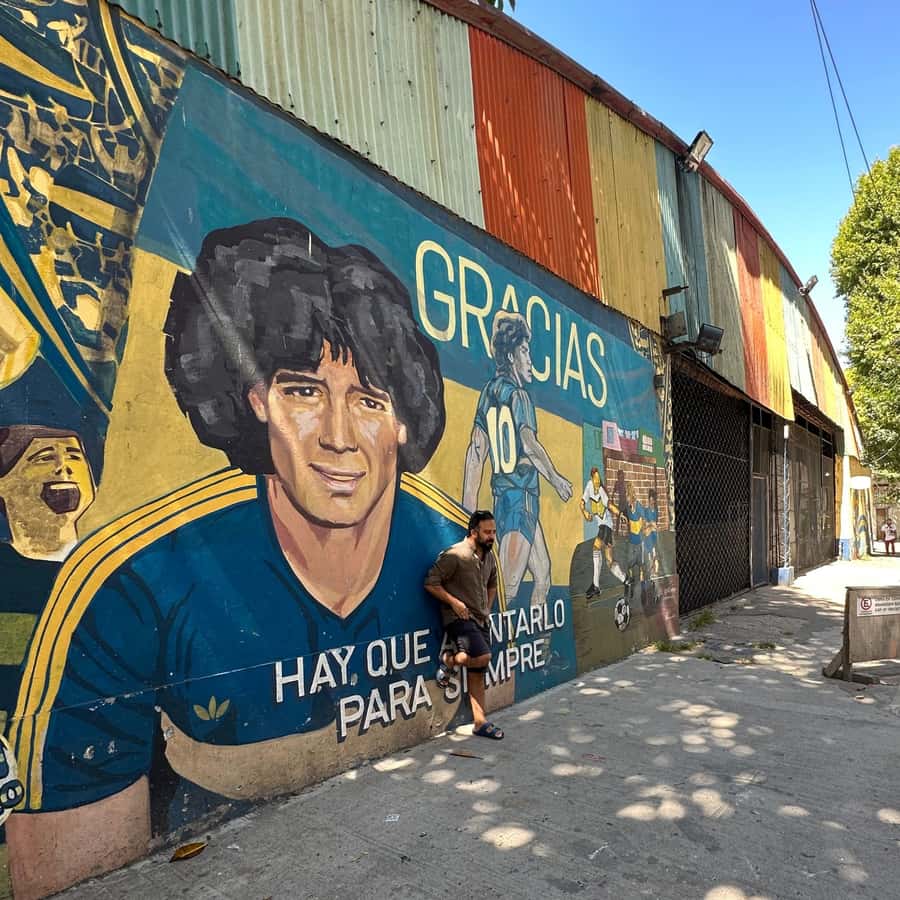
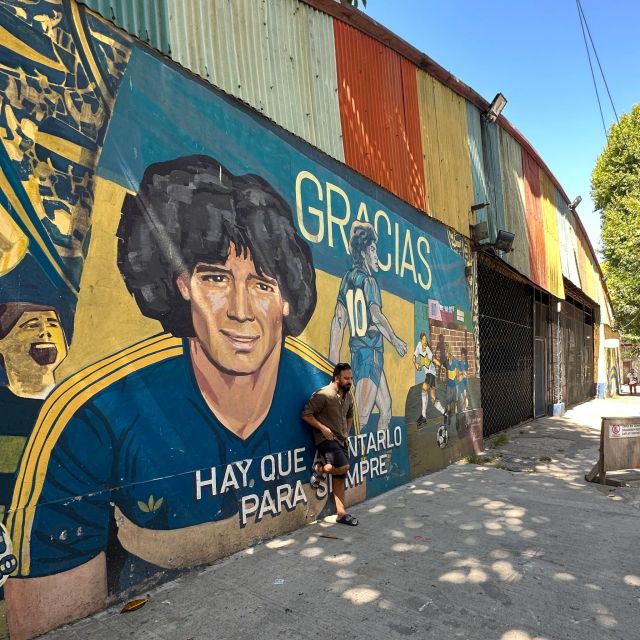
Then comes the football moment: a stop at La Bombonera. This is set up as a photo stop, so it’s not a long stadium tour. But it’s still valuable because it places football inside the neighborhood’s story rather than treating it as a separate attraction.
Football in Buenos Aires is emotional. Here, you’ll connect that emotion to identity: a team isn’t just sports, it’s community language. Seeing the stadium area through the lens of local history helps the neighborhood feel less like a postcard and more like a place people live their real lives.
Practical note: because it’s a photo stop, you’ll want to have your camera ready without rushing the rest of the group. If you’re traveling with family or you move more slowly, check in early with your guide about pace.
Museo Conventillo El Rincón de Lucía: How People Actually Lived
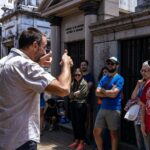
The tour then shifts gears into daily life history at Museo Conventillo El Rincon de Lucia. This stop is guided, which is exactly what you want for a place like this. A conventillo setting can look like “old housing” if you don’t get the story behind it.
What’s special here is that you’re learning how residents shaped community life in close quarters—how immigrant families and working-class neighbors lived, shared space, and navigated a changing city. It’s a museum visit, but the payoff is social understanding.
If you’re the kind of traveler who likes architecture but gets bored when it becomes only about buildings, this is a good match. It links the physical space to human habits and survival. And if you’re more of a history person, it gives you something concrete instead of abstract talking.
You can also read our reviews of more historical tours in Buenos Aires




Benito Quinquela Martín Museum: Turning the Riachuelo Into Art
After that, you’ll visit the Benito Quinquela Martín Museum. This is the core art stop, and it helps explain why Quinquela Martín matters to La Boca. His influence isn’t framed as distant celebrity art; it’s treated as part of the neighborhood’s emotional map.
You’ll connect his work to the Riachuelo art movement, which means you’re seeing how local industry, port life, and the environment become visual identity. That’s the kind of context that makes museum art feel relevant, not museum-quiet.
One practical thing: museums can run on their own internal pacing. A guided visit helps you keep moving without missing the points that make the art click. If you’re sensitive to time in enclosed spaces, still plan for this stop—you’ll get more from it than you would alone because the guide ties it back to the street-level stories you heard earlier.
Food and Drink: Two Included Extras (Wine or Dulce de Leche)
This tour includes walking time plus two out of three possible add-ons: museum entry fee, free wine tasting, and dulce de leche tasting. The exact mix depends on what’s selected for your booking, so it’s smart to check what’s included for your specific date.
When wine tasting is included, it’s typically a short, low-pressure moment rather than a full tasting session. That’s a good format in a neighborhood tour because you don’t want your afternoon turned into an all-day detour.
And if dulce de leche is included (it often is for good reason), it adds that classic Argentina flavor without requiring you to hunt for a shop on your own. Either way, the “two extras” approach keeps the tour from feeling like a strict school lesson—there’s a palate break built in.
Price and Value: What $46 Buys You Here
At $46 per person for about 150 minutes, this tour prices like a value-focused neighborhood experience: you’re paying for a live guide, a structured route, and museum time plus a couple of included extras.
The real value isn’t only the places—it’s the interpretation. A neighborhood like La Boca is easy to photograph and easy to misunderstand. A good guide helps you see what the colors mean, how the immigrant patterns mattered, and why football shows up like a cultural backbone.
Also, the tour runs in English, Spanish, and Portuguese (live guide). In recent experiences, guides like Facundo have been praised for excellent English, which matters if you want your history to land without translation lag.
If you’re only interested in one thing—just art, just football, or just housing history—this tour might feel like it’s spreading your attention. But if you want a well-paced blend that makes La Boca make sense, the $46 feels fair for what you get.
Who Should Book This (and Who Might Want Something Different)
This tour is a great fit if you want a first-time-friendly orientation to La Boca. It’s also ideal if you like stories that connect culture to daily life: how people lived, what they made, what they cheered for, and why it all still shapes the neighborhood.
It’s especially good for solo travelers too, with one note: solo travelers must confirm availability directly with Experience Baires before or after booking. If you’re traveling alone, don’t treat booking as the only step—confirm so your date is actually covered.
You might want a different kind of tour if you prefer very long museum time, or if you want a highly specialized tango experience with extended dancing. This one gives you the neighborhood’s “big picture” in a short window, with specific stops rather than a single deep dive.
Quick tips before you go:
- Bring your passport or ID card
- Plan on walking outdoors for most of the 150 minutes
- Bring water and have a simple plan for snacks if you’re sensitive to hunger
- If you’re picky about meeting times, arrive early at the Benito Quinquela Statue
Should You Book This La Boca Walking Tour?
I’d book it if you want La Boca to feel understandable fast. The mix of Benito Quinquela Martín, a conventillo housing museum, and a football stop by La Bombonera is a smart way to avoid the La Boca “only photos” trap.
Skip it only if you’re hunting for a single-theme outing (only stadium football content, only tango, or only art history with zero social context). Otherwise, this tour gives you the kind of street-level clarity that makes your later wandering much more rewarding.
FAQ
Where do I meet the guide for this La Boca walking tour?
Meet your guide at the Benito Quinquela Statue.
How long is the tour?
The duration is 150 minutes.
What does the tour cost?
The price is $46 per person.
What are the included activities?
You’ll have a walking tour with a guide, plus museum and sightseeing stops that include La Boca and a visit to Museo Conventillo El Rincon de Lucia and the Benito Quinquela Martín Museum.
What extra options are included with the tour?
You get two of these three options: Benito Quinquela Museum entry fee, free wine tasting, and dulce de leche tasting.
Does the tour include hotel pickup and drop-off?
No, hotel pickup and drop-off are not included.
What languages are available for the live guide?
The live guide is available in Spanish, English, and Portuguese.
Is the tour wheelchair accessible?
Yes, the tour is listed as wheelchair accessible.
What should I bring with me?
Bring a passport or ID card.
Are there any booking timing rules or restrictions?
Bookings require 24 hours in advance. Solo travelers must confirm availability directly with Experience Baires before or after booking.