REVIEW · BUENOS AIRES
From Colonialism to Eclecticism, Buenos Aires arquitectonica
Book on GetYourGuide →Operated by Viajes de Juani tours · Bookable on GetYourGuide
Buildings talk in Buenos Aires. This walking tour lets you read the city through architecture you’d usually miss, plus a real mate break that ties the streets to Argentine culture. I especially love the way the guide points out small design choices and the stories behind them, and I like that you can keep your interest front and center instead of forcing one “script.” One heads-up: you’ll be walking for about three hours, so sun, heat, and shoe choice actually matter.
I went into this expecting façades and photos, and I left thinking in styles and eras instead. With a small group (up to 4) and guides Juan Ignacio and Loli, you get time to ask questions and get clear answers in Spanish or English. The one possible tradeoff is that the tour focuses on seeing buildings from the outside and in public areas—entry to Teatro Colón is optional, not included.
In This Review
- Key highlights you’ll feel quickly
- Plaza de Mayo architecture: Cabildo to Casa Rosada without getting lost
- Reconquista Street and the Banco Hipotecario’s Brutalist facade
- Centro Cultural Kirchner: Palacio de Correos y Telégrafos meets modern reuse
- Corrientes Avenue: Gran Rex and the Opera as living nightlife landmarks
- Obelisco, Diagonal Norte, and the 9 de Julio viewpoint you’ll remember
- Plaza Lavalle: Courts Palace, Julio Argentino Roca School, and the mate break
- Teatro Colón: exterior admiration now, optional interior later
- Customizing the tour to your tastes: it’s not one-size-fits-all
- Price and value: why $25 can feel like a bargain
- What to bring, what to wear, and how to pace yourself
- Who this tour suits best (and who might want a different plan)
- Should you book this Buenos Aires architecture tour?
- FAQ
- How long is the Buenos Aires Architectonica walking tour?
- What does the tour cost?
- Where does the tour start?
- Where does the tour end?
- How big is the group?
- Is the tour offered in English?
- What’s included in the price?
- Is entry to Teatro Colón included?
- What should I bring for the tour?
- Can I customize what we focus on during the tour?
Key highlights you’ll feel quickly
- Plaza de Mayo to Teatro Colón in one continuous architecture walk
- Brutalist Banco Hipotecario and its unmistakable 20th-century attitude
- Corrientes Avenue theatre stops: the Gran Rex and the Opera
- Mate tasting with cultural context (not just a sip and move on)
- Juan Ignacio and Loli’s storytelling style, with facts and human details
- Small group pace that makes detours for your interests actually possible
Plaza de Mayo architecture: Cabildo to Casa Rosada without getting lost
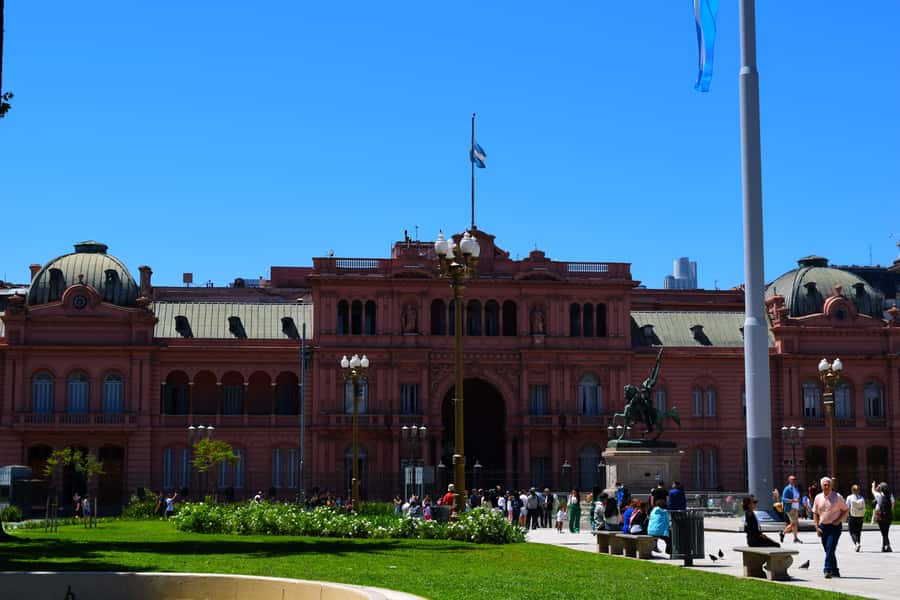
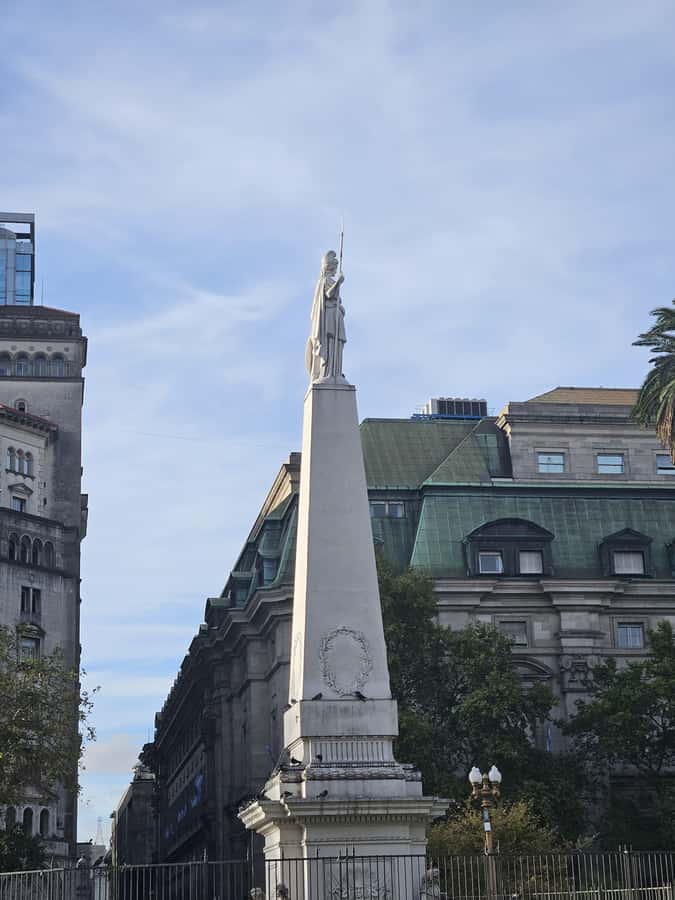
Your tour starts at Plaza de Mayo, right around the intersection of Bolívar and Avenida de Mayo. This is where Buenos Aires shows its big “official” face, and it’s also where you learn to spot different choices in materials, symmetry, and ornament without needing a design degree.
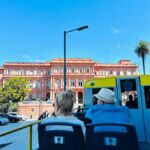
You’ll look at the Cabildo and then move through the heart of the area: the Metropolitan Cathedral, Casa Rosada, and Banco Nación. What I like here is the grounding effect. Instead of saying Buenos Aires has history, the guide helps you see how power, religion, and finance were designed to look permanent and official.
A practical note: Plaza de Mayo is central and busy, so expect crowds around the main monuments. Bring sunglasses and a hat early; the walking part feels much easier when the glare isn’t draining you.
You can also read our reviews of more tours and experiences in Buenos Aires.


Reconquista Street and the Banco Hipotecario’s Brutalist facade
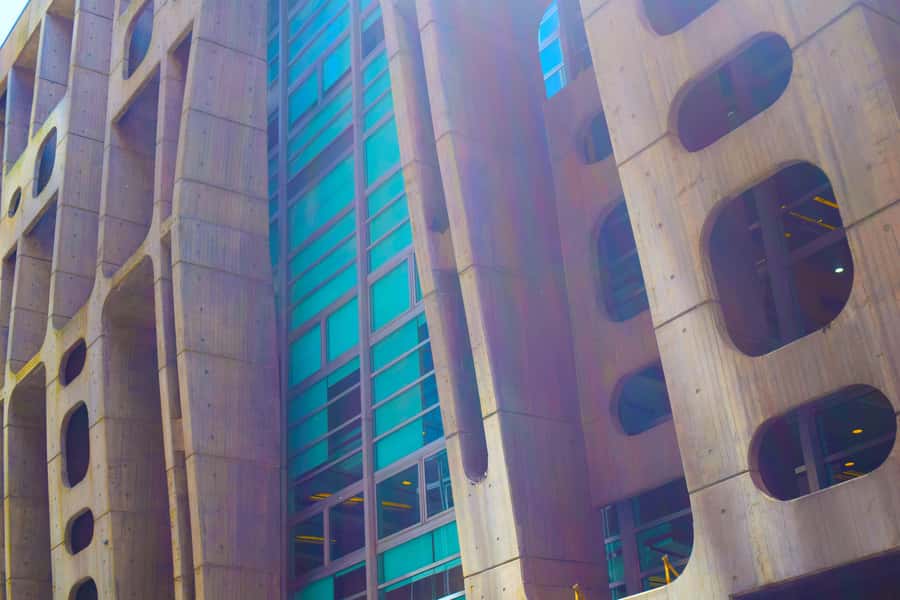
From there, you head north through Reconquista Street, and the tour starts shifting from “classic circuit” to “why does that building look like that?” mode. In this stretch, you’ll make a stop at the Banco Hipotecario headquarters—famous for its bold, Brutalist facade.
This is the kind of building people either rush past or photograph from the sidewalk. The guide helps you understand why the style landed when it did and what the structure is trying to communicate. Even if Brutalism isn’t your favorite look, you’ll probably end up appreciating the clarity: the building shows its bones instead of dressing them up.
One thing I value as a traveler: you get time to compare eras without hopping across the city by subway every five minutes. That makes the contrasts easier to feel, especially when the group is small and the guide can slow down at your questions.
Centro Cultural Kirchner: Palacio de Correos y Telégrafos meets modern reuse
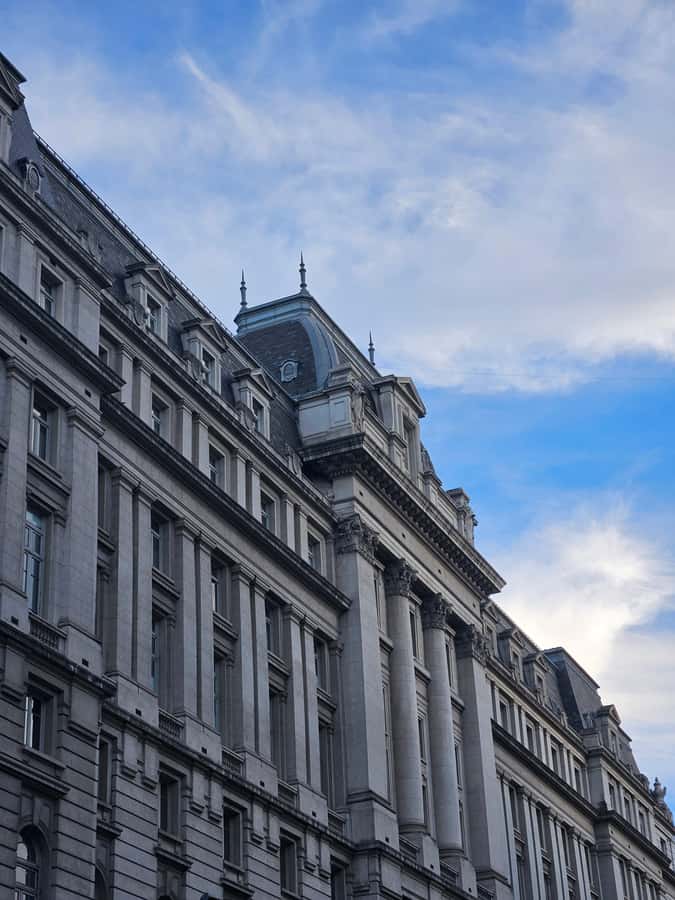
Next up, you’ll reach the Centro Cultural Kirchner area after moving through Microcentro’s mix of architects and styles. Your stop includes the Centro Cultural Kirchner, tied to the former Palacio de Correos y Telégrafos (Post and Telegraph Palace).
This part is important because it shows you a pattern you’ll keep seeing across Buenos Aires: older monumental buildings getting new public uses. You’re not only learning design—you’re learning how cities reuse space when time and needs change.
You’ll get a close look at the facade and its history, and the guide frames it as more than decoration. It’s about communication, transport, and the way architecture gets used to support national life, not just private taste.
If you like architecture that tells you how a city functioned—rather than only how it looked—this stop is a win. If you’re short on patience for stories, ask the guide to focus on the visible elements first: materials, entrances, and the rhythm of the facade.
Corrientes Avenue: Gran Rex and the Opera as living nightlife landmarks
Then comes one of the best “shift moments” of the day: going up Corrientes Avenue, the street tied to nightlife and culture. You’ll pass two major icons—the Gran Rex and the Opera—and you’ll talk about their heyday and their current role as places where people still gather for shows.
I love this segment because it treats theaters as architecture with a heartbeat. These buildings aren’t only old. They’re still doing something: hosting crowds, performances, and the kind of night energy that makes a city feel like it has a pulse.
The guide also helps you connect the dots between the surrounding street life and the design. That’s where the tour earns its keep versus a quick photo walk. You don’t just remember the name of a theater; you understand why it mattered and why it still matters.
Wear comfortable shoes here. Corrientes is lively, and you’ll want to keep your energy for the next leg toward the Obelisk.
Obelisco, Diagonal Norte, and the 9 de Julio viewpoint you’ll remember
The first big arc of the tour ends at the Obelisk of the city, with time to learn about its history and why it matters for political and social life. The Obelisk is one of those Buenos Aires landmarks that gets recognized from far away, but the explanation changes the way you see it.
After that, you continue along Diagonal Norte and take a brief pause at the Obelisk staircase. This is your panoramic window to take in one of the busiest intersections: Avenida 9 de Julio and Corrientes.
This stop matters because it helps you connect scale. Up at street level, everything feels close and dense. From a vantage point, you start understanding the city’s planning logic—how broad avenues and major intersections were designed to move crowds and show off national importance.
If you’re prone to camera shake, take a second here to stabilize your shots. The view is the kind you’ll want to capture, even if you’re not the type to stop for every photo.


Plaza Lavalle: Courts Palace, Julio Argentino Roca School, and the mate break
Now the tour turns calmer and more “institutional,” ending up at Plaza Lavalle. Here you’ll see two notable buildings: the Courts Palace and, in front of it, the Julio Argentino Roca School.
This is a good moment to pause and absorb. The architecture shifts toward civic and educational power, and the guide’s approach helps you notice how public buildings signal authority through layout and presence.
Then you get to the highlight that’s both cultural and practical: mate tasting. You’ll learn a bit about mate and its tradition in Argentine culture, and you actually get to try it. This isn’t presented as a souvenir moment; it’s framed as part of how people socialize, slow down, and share during the day.
In my view, this is one of the tour’s strongest value adds. A lot of architecture tours skip the lived culture entirely. Here, you get a snack and mate so the experience feels like Buenos Aires, not just a museum corridor.
Teatro Colón: exterior admiration now, optional interior later
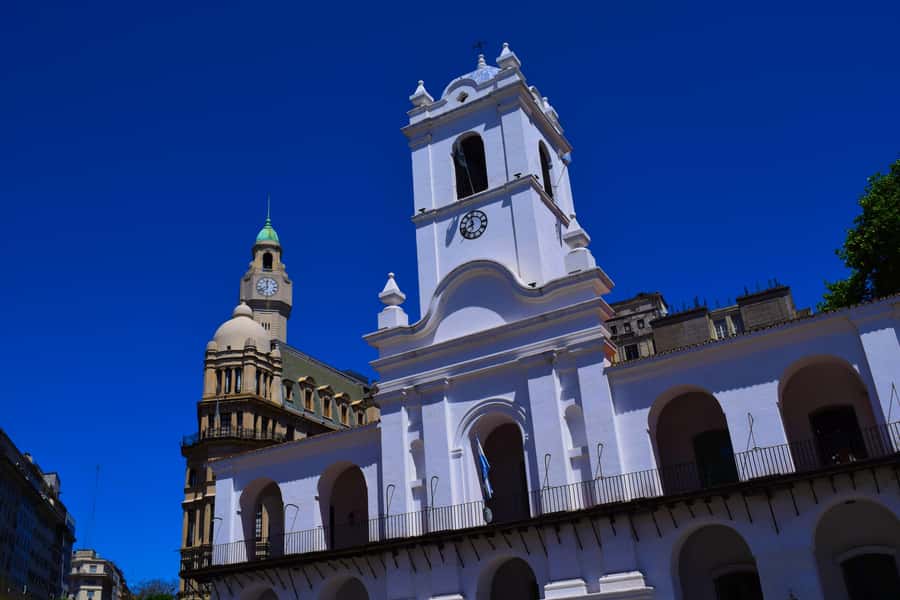
The tour finishes at Teatro Colón. You’ll get the famous presence from the outside, and there’s an option to stay for a guided visit inside.
Important detail: entrance to the theater is not included, so if you want the interior visit, you’ll need to plan for that separately. I like that the tour gives you the choice, because not everyone wants to trade the remaining walking time for a separate ticket experience.
Teatro Colón is one of those places where the exterior alone already signals prestige. But the inside visit can be worth it if you’re into acoustics, stage design, or just the feeling of stepping into a performance space built for serious shows.
If you do stay for the interior, listen closely to the guide’s timing and instructions. With a small group, the pacing tends to be smoother—but you still want to be ready to move quickly when the opportunity appears.
Customizing the tour to your tastes: it’s not one-size-fits-all
One reason this tour works for different travelers is that it’s flexible. The guide can adjust the focus based on what you’re into—more architectural styles, more street-level story, or deeper attention to the buildings that grab you.
Juan Ignacio and Loli have a way of connecting design details to human context. One of the most praised parts of the experience is how well Juan Ignacio can connect architects and periods to what you’re looking at, even down to the kind of lifespan info people usually don’t hear on walking tours. Loli’s storytelling adds a South America angle, which helps the city feel part of a bigger regional story instead of an isolated bubble.
This customization matters because architecture is personal. Some people love facades. Others want urban planning clues. Here, you can steer without derailing the day.
If you’re traveling with questions—about why something looks the way it does, or what an era was trying to project—this tour is built for that.
Price and value: why $25 can feel like a bargain
At $25 per person for about three hours, the math is pretty friendly—especially because the experience isn’t just walking and pointing. You get an English-speaking tour guide throughout, plus water and a traditional Argentine snack, and mate tasting.
That mix matters. Water and snack keep the walk comfortable, mate gives you cultural context, and the guide time is the real engine behind the value. A small group limited to 4 participants also means less waiting and more direct conversation.
What you should expect to pay extra for is simple: entrance to Teatro Colón isn’t included. If you want the interior, budget for that decision ahead of time so you don’t end the tour feeling undecided.
Overall, the best way to think about this price is as paying for interpretation. You’re paying to understand Buenos Aires architecture the way locals might talk about it: with specifics, not general vibes.
What to bring, what to wear, and how to pace yourself
This is a walking tour, so treat it like one. Wear comfortable shoes—non-negotiable in the city center where surfaces can feel uneven. Bring sunglasses, sunscreen, and a hat because midday sun can be a real factor.
The route moves through central Buenos Aires, so you’ll want clothes that handle changing light and occasional wind. You don’t need anything fancy; you just need to be comfortable staying outside for long enough to actually notice details.
Also, keep your camera battery charged. The day includes photo stops and viewpoints like the Obelisk staircase area, where you’ll want more than one attempt at a good shot.
Finally, keep a small space in your mind for mate. It’s a tasting experience, so don’t plan something intense right after without giving yourself a little decompression time.
Who this tour suits best (and who might want a different plan)
This experience is ideal if you want Buenos Aires architecture with context, not just postcard landmarks. It fits you if you like learning why styles show up where they show up—like the jump to Brutalism at the Banco Hipotecario—and you enjoy cultural stops like mate tasting.
It’s also great if you’re traveling solo or with one companion and want a small-group feel. The limit of 4 participants means the guide can respond to your questions instead of racing through the itinerary.
If you only care about interiors, this may feel like it’s on the outside-heavy side, since Teatro Colón entry is optional and not included. If you’re that type, you’ll probably want to choose the interior visit at the end.
Should you book this Buenos Aires architecture tour?
Book it if you want an architecture-focused morning or afternoon that stays human: recognizable landmarks like the Obelisk and Teatro Colón, plus the smarter detours like Banco Hipotecario’s Brutalist facade and the Postal/Telegraph palace connection at the Centro Cultural Kirchner. The mate tasting and snack also turn it into a cultural pause, not just a sightseeing checklist.
Skip or consider something else if you dislike walking in busy central areas or you’re only interested in paid museum-style entrances. This tour is built around street-level viewing and interpretation, so your satisfaction depends on how much you enjoy learning from what you can see outside.
If you’re the type who looks at a building and wonders what era it belongs to, this one has your name on it—especially with Juan Ignacio and Loli guiding you through the city one style shift at a time.
FAQ
How long is the Buenos Aires Architectonica walking tour?
The tour lasts about 3 hours.
What does the tour cost?
The price is $25 per person.
Where does the tour start?
The tour starts in Plaza de Mayo at the intersection of Bolívar and De Mayo Av.
Where does the tour end?
It finishes at Teatro Colón, and the activity notes the tour ends back at the meeting point as well.
How big is the group?
The group is small, limited to 4 participants.
Is the tour offered in English?
Yes. The tour guide speaks English and Spanish.
What’s included in the price?
You’ll get an English-speaking tour guide, water, a traditional Argentine snack, and a mate tasting.
Is entry to Teatro Colón included?
No. Entrance to Teatro Colón is not included, but you may have the option to stay for a guided visit inside.
What should I bring for the tour?
Bring comfortable shoes, sunglasses, a hat, sunscreen, and comfortable clothes.
Can I customize what we focus on during the tour?
Yes. The tour can be customized based on your tastes and/or interests.