REVIEW · BUENOS AIRES
Buenos Aires: Bioparque Temaiken with Transfers
Book on GetYourGuide →Operated by Grupo Summa · Bookable on GetYourGuide
A day that feels like several trips in one. Temaikén Biopark recreates habitats across Argentina and beyond, while also tying animals, plants, and people together in a way that makes sense for families. I especially liked the clear, kid-friendly way the park teaches you what you’re seeing, from local species to far-off regions.
The other standout for me is the mix of big-ticket experiences: the aquarium with shark viewing panels plus a 360º cinema moment you can’t really get anywhere else in Buenos Aires. One consideration: you only get a few hours inside, and the park is spread out enough that you’ll want a plan so you don’t feel rushed.
In This Review
- Key things I’d plan around
- Temaikén Biopark: a living map of Argentina and more
- Getting there from Buenos Aires: pickup timing that actually works
- The ride and your guide en route
- Stop 1 to Temaikén: arriving around 11 AM and getting oriented fast
- Native Argentina zone: Mesopotamia animals you can’t miss
- Patagonian enclosures: seven themed stops in one region
- Africa zone: flamingos, meerkats, and three island worlds
- Asian zone: tigers, flying foxes, and Prevost squirrels
- Extra marsupials: wallabies and kangaroos
- Aquarium time: tide pools, Mesopotamia river, and shark panels
- 360º cinema: a good break built into the day
- How to fit it into your 5 hours inside
- Transfers and downtown drop-offs: value beyond the ticket
- What’s not included (and how it affects planning)
- Who this day trip is best for
- Should you book this Temaikén tour with transfers?
- FAQ
- How long is the Temaikén Biopark trip?
- What’s included in the price?
- Is there a guide inside the park?
- What language options are available?
- What do I need to bring?
- Do you provide food and drinks?
- Where does pickup happen?
- Is the activity wheelchair accessible?
Key things I’d plan around
- Transfer convenience: hotel-area pickup and central downtown drop-offs take most of the stress out of day trips.
- Animal zones by region: Mesopotamia, Patagonian enclosures, Africa, and Asia are set up so you can compare habitats.
- Aquarium highlights: tide-pool-style exhibits and a Mesopotamia river recreation, plus shark panels in seawater tanks.
- 360º cinema: a separate indoor experience that helps break up a full walk-through day.
- One guide, but not inside the park: you’ll get guidance on the way there; inside, you’ll explore on your own.
Temaikén Biopark: a living map of Argentina and more
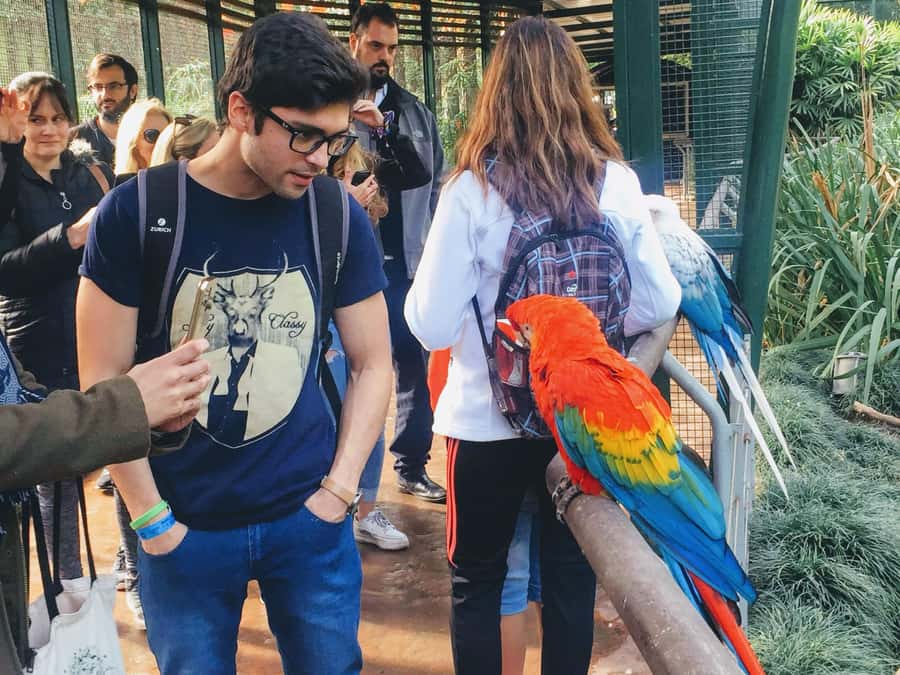
Temaikén is run by the Temaikén Foundation, and it’s designed to feel like a natural history day out, not just a zoo visit. You’re moving through recreated environments and learning how animals and plants relate to people in the same space. It also blends a botanical garden, a zoo, an aquarium, and a natural history and anthropology museum under one roof-and-path system.
The park is especially good if you like your sightseeing structured. Instead of random enclosures, the whole place is organized by region, so your eyes can follow a theme: local Argentina first, then worldwide habitats. That makes it easy to keep your bearings even when you’re walking at a family pace.
You can also read our reviews of more tours and experiences in Buenos Aires.

Getting there from Buenos Aires: pickup timing that actually works
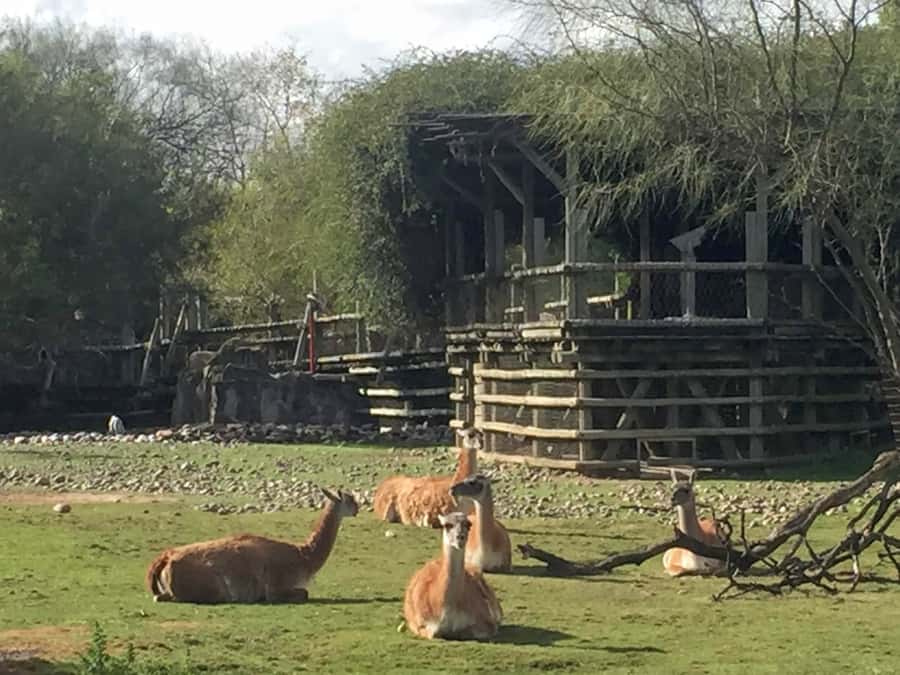
This is a classic shared-van setup, not a private transfer. Pickup from downtown Buenos Aires is included between 8:45 AM and 9:45 AM, and you’ll want to confirm your exact slot with the local partner. The ride takes about 100 minutes, and you arrive at the park around 11:00 AM.
I like that you’re not stuck figuring out buses or taxis for a long day. The day is designed so you spend the bulk of your time inside the park: you return by van and finish back in Buenos Aires around 3:45 PM.
One small practical note: the pickup is for downtown areas and pickup from private apartments is not available. If you’re staying outside the included pickup zones, you’ll likely need to plan on the listed options (places like San Telmo, Recoleta, Retiro, Puerto Madero, and major avenues) instead.
The ride and your guide en route
On the way to Temaikén, you’ll have a guide who helps set context. That matters more than it sounds, because once you’re inside, the park is full of regional detail—Mesopotamia, Patagonia, Africa, Asia—so having a little background early makes the visit click faster.
Your driver is part of the smooth experience too. From a top-rated experience, I’m looking for a safe, calm ride, and one standout account specifically mentioned Walter for careful driving. You’ll also have support from a team that works in English, Spanish, and Portuguese.
Stop 1 to Temaikén: arriving around 11 AM and getting oriented fast
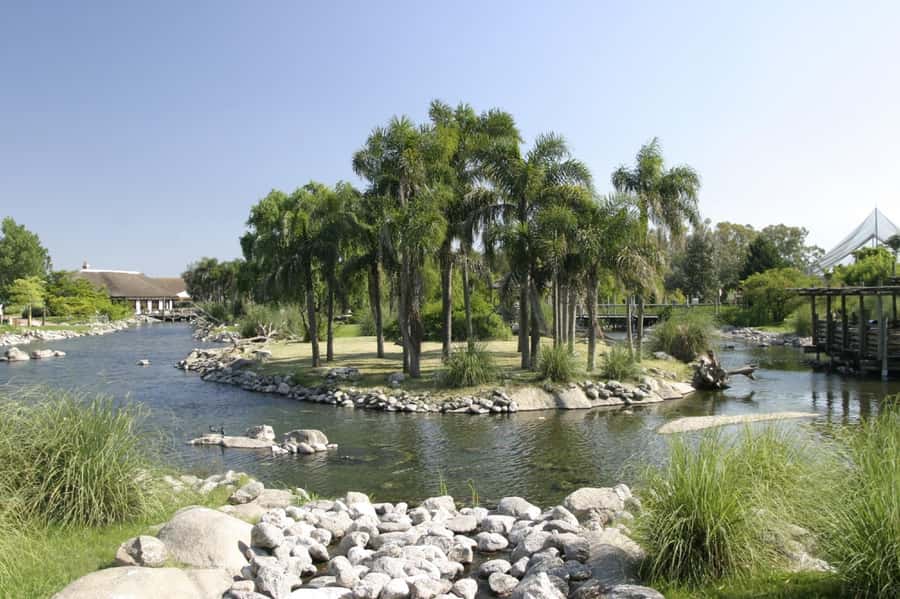
Once you arrive, you’re given free time to explore on your own. There’s no guide following you through the entire park, so this is the part where your approach matters: decide what you want first, then use the rest of the time to wander.
If you travel with kids, start with the biggest, easiest win. That usually means the aquarium area or the most “recognizable” animals (depending on your family’s interests). If you’re more into learning, you’ll do better starting with the Argentina sections first, since they explain the local habitats in a structured way.
Native Argentina zone: Mesopotamia animals you can’t miss
Inside, the native zone is split into parts, and the first one focuses on Mesopotamia. This is where the park makes you slow down and look for the animals that represent local ecosystems, not just single big attractions.
In Mesopotamia, you can spot species such as black yacarés and overos, along with tapirs, capybaras, and lagoon turtles. The key value here is the way these animals fit together in your mental picture of a wetland-and-river region. If you’re traveling with people who like nature facts, this section gives you concrete examples you can talk about while walking.
Also, if you care about animal welfare and plant environments, this is a good area to pay attention to. The park is designed to feel respectful and kind to animals, and the habitat-style layouts help you understand the purpose of the enclosures rather than just spotting them like a checklist.

Patagonian enclosures: seven themed stops in one region
After Mesopotamia, the park switches to Patagonian fauna, recreating environments from the Andes to the Atlantic coast. Instead of one long loop with generic wildlife, Patagonia is represented through seven enclosures that each tell you what a different part of the region looks like.
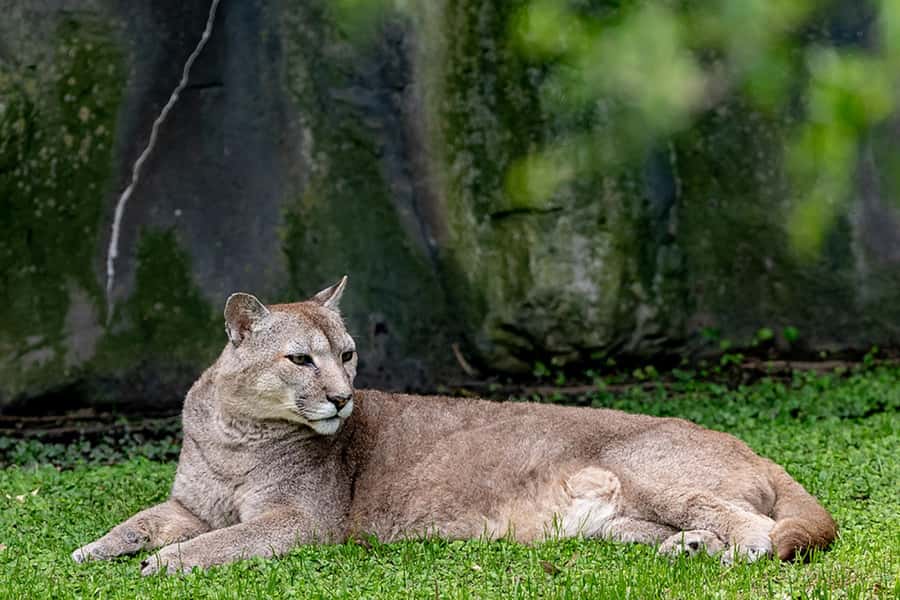
Those enclosures are: Patagonian steppe, condor, pumas, Patagonian plains, Patagonian lagoon, pudúes, and underground Patagonia. That last one is the kind of detail that turns an ordinary zoo visit into something memorable—because it’s not just about animals, it’s about the setting and how animals survive in different conditions.
If you only have one short window to enjoy a “wow” factor, the Patagonia section is one of the best bets. It gives you variety, and it’s built so you can move from one mini-environment to another without it feeling chaotic.
Africa zone: flamingos, meerkats, and three island worlds
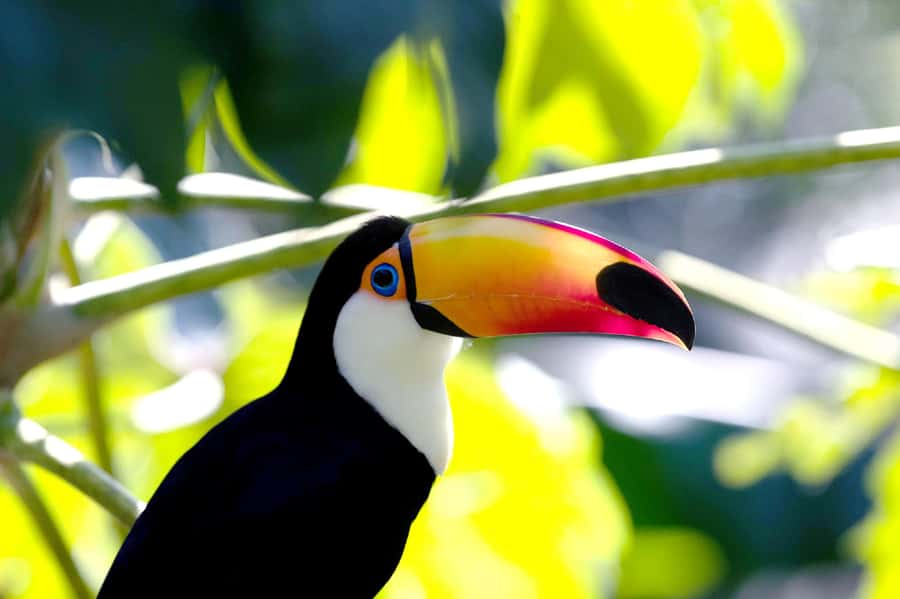
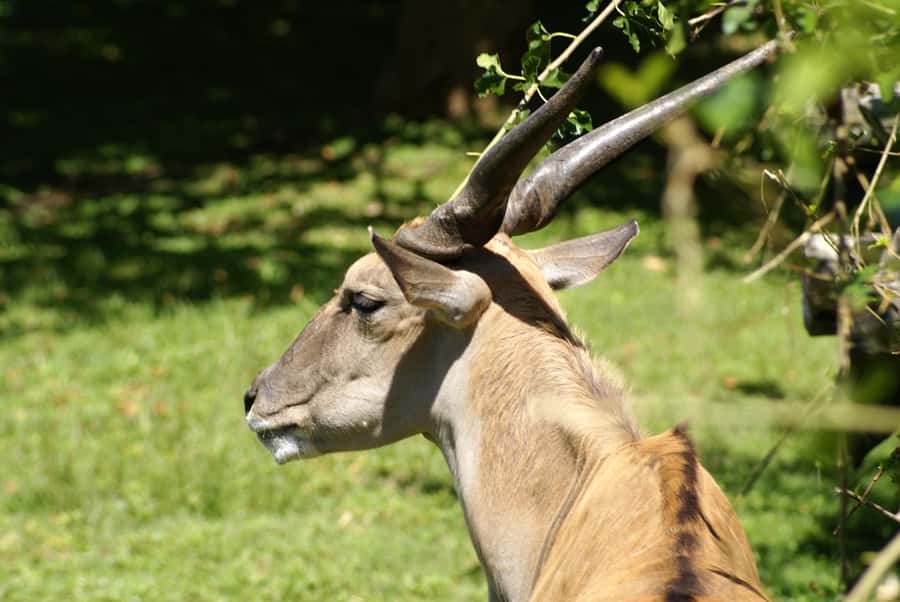
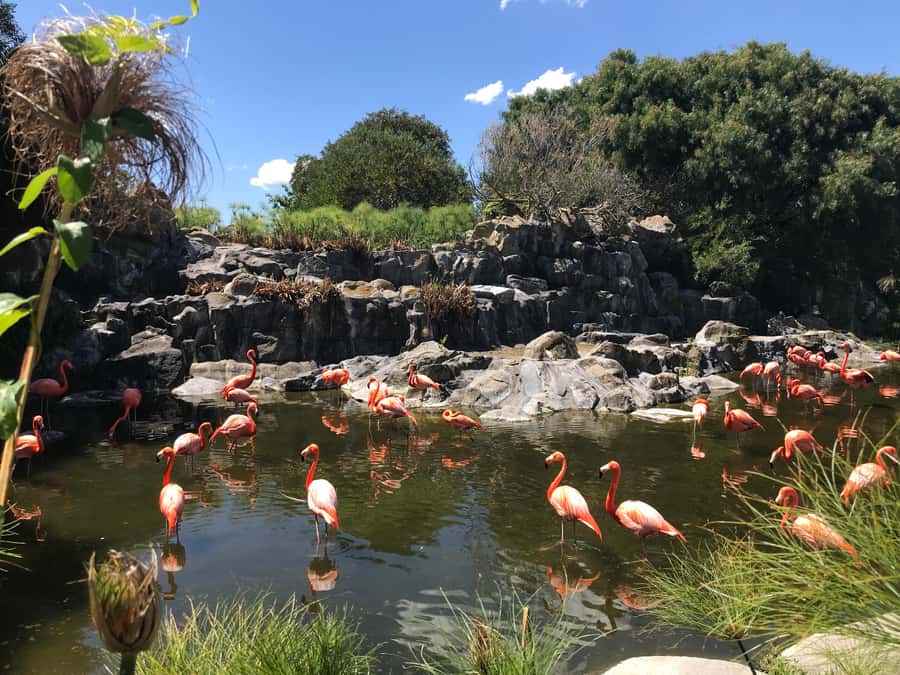
Next comes the African zone, where the park adds a new set of animals and a fresh visual mood. You can see flamingos and pelicans, plus antelope, meerkats, and colobus. The fact that these species span different habitat types helps the area feel more like a region than a single exhibit.
The park also includes three islands of lemurs, plus additional island groupings that feature hippos, cheetahs, and zebras. That island design is helpful for photography and for keeping kids engaged, since it creates natural “landmarks” inside the walk.
If you’re the type of traveler who likes to compare how each region is built, you’ll get a lot out of moving from Argentina into Africa and noticing the shifts in enclosure style and habitat cues.
Asian zone: tigers, flying foxes, and Prevost squirrels

The Asian zone brings in a set of animals that feel more unusual than the usual zoo staples. Here you can find tigers, frugivorous bats, and two species of flying foxes. If you want a memorable animal encounter without waiting for a feeding schedule, bats and flying mammals are often one of the best parts to watch for movement.
You can also see squirrels of Prevost, along with other species listed in the park’s Asian collection. This zone works well if you like your visit to feel like education, because the animals are grouped and presented as part of an overall regional setting.
Extra marsupials: wallabies and kangaroos
Beyond the region-by-region zones, the zoo also has wallabies and kangaroos. This is the “bonus” factor that can keep energy high, especially for families. Even if the rest of your group is focused on one specific region, these animals often become a relaxed stop where everyone can slow down and enjoy.
Aquarium time: tide pools, Mesopotamia river, and shark panels
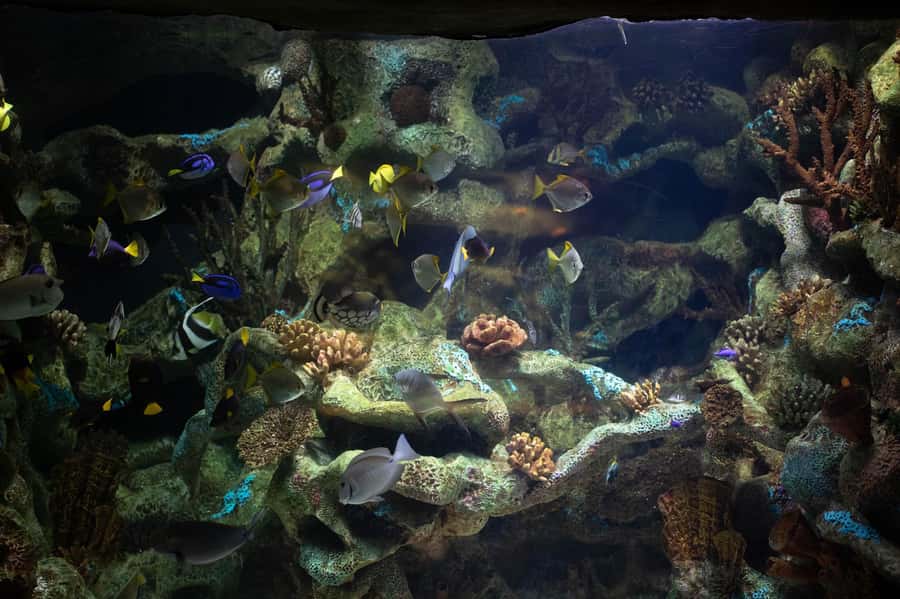
One of Temaikén’s biggest pull is the aquarium, and it’s a smart choice for the middle or later part of your visit. The exhibits aren’t just one big tank; they’re designed to teach underwater life in different ways.
You can learn from a tide pool setup, and there’s also a recreation of a river in Mesopotamia. That pairing is great because it gives you two different types of aquatic environment in one area.
Then comes the headline feature: eight large panels where you can see sharks swimming close to the viewing area in a tank filled with millions of gallons of seawater. If your group loves dramatic, unforgettable moments, plan your aquarium visit so you can spend time there rather than walking through it at full speed.
360º cinema: a good break built into the day
The park also includes a 360º cinema experience. It’s a good pacing tool, especially when you’re visiting in warmer weather or with kids who need a calmer break.
Think of it as a reset button. After a few hours of walking, the cinema helps you recharge and still feel like you got a “full” Temaikén day, not just a walk-and-look tour.
How to fit it into your 5 hours inside
You arrive around 11:00 AM and have about 5 hours in the park before returning. That’s enough time to see most highlights, but only if you avoid the trap of wandering randomly from zone to zone.
Here’s how I’d structure your time:
- Start with the area you care about most while you’re still fresh (aquarium or Argentina zones usually work best).
- Use the cinema as your mid-visit break.
- Save the next region in line (Africa or Asia) for when you’ve built momentum but still have energy to notice details.
Also remember: food and drinks aren’t included, so you’ll either bring snacks if allowed or budget time to buy what you need inside. If you run out of water, you’ll feel it quickly on a long walk.
Transfers and downtown drop-offs: value beyond the ticket
At $88 per person, this tour isn’t just paying for entry. You’re also paying for the fact that the park is outside central Buenos Aires and the transport is handled for you.
What you get includes pickup from downtown, drop-off at selected central points (including spots like Galerías Pacífico and Obelisco), and a van ride that keeps the day on schedule. That matters more in practice than the price alone, because it lets you spend your energy on the park instead of routing, navigation, and logistics.
You also get a multilingual driver (English, Spanish, Portuguese). Even if your Spanish is solid, having flexibility helps when you’re coordinating pickup times or asking quick questions.
What’s not included (and how it affects planning)
A few things can change how you feel about the experience if you assume they’re included.
- Food and drinks are not included, so plan on snacks or a meal stop.
- There’s a guide on the way to the park, but there’s no tour guide inside the park. That means you should show up with at least a rough idea of what you want to see.
- Hotel drop-off isn’t offered in the sense you might expect from a private tour; you’ll be using the provided downtown pickup options.
None of this is a dealbreaker, but it’s why I recommend treating this as an independent exploration day with helpful transportation, not a guided walkthrough of every enclosure.
Who this day trip is best for
This works especially well for families and for mixed-age groups because Temaikén includes big animal moments, structured zones, and indoor variety with the cinema. If you like nature but don’t want to commit to a full-day walking marathon on your own planning, the included transfers are a real win.
It’s also a strong option if you want a day that feels authentic to the region. Temaikén focuses on Argentina’s habitats first, then expands outward—so you’re not just visiting a random zoo, you’re getting a sense of how different ecosystems relate to real places.
Should you book this Temaikén tour with transfers?
I’d book it if you want a smooth, planned day where you show up, get into the park without transport headaches, and then explore at your own pace. The $88 price becomes easier to justify when you factor in entry plus round-trip transfers and the fact that you’re saving time and mental energy on getting out to the park.
I would pause and think twice if your priority is a fully guided, stop-by-stop explanation inside the park. With this format, you’ll get context from the guide on the way, then you’re on your own inside—so you’ll want to lean into that by planning what to see first.
If you’re okay with that mix, this is a very solid Buenos Aires-area day trip.
FAQ
How long is the Temaikén Biopark trip?
The total duration is about 8 hours, with arrival at the park around 11:00 AM and return around 3:45 PM.
What’s included in the price?
The experience includes downtown Buenos Aires pickup, drop-off at selected downtown points, a multilingual driver (English/Spanish/Portuguese), and admission to Temaikén (if you choose the admission option).
Is there a guide inside the park?
No. You’ll have a guide on the way to the park, but once inside you’ll have free time to explore on your own.
What language options are available?
The driver and guide support are available in Spanish, English, and Portuguese.
What do I need to bring?
Bring a passport or ID card.
Do you provide food and drinks?
No. Food and drinks aren’t included, so you’ll need to plan for snacks or a meal during your free time in the park.
Where does pickup happen?
Pickup is available from included downtown Buenos Aires locations, and private apartment pickup isn’t offered. Pickup timing is between 8:45 AM and 9:45 AM.
Is the activity wheelchair accessible?
Yes, the experience is wheelchair accessible.