REVIEW · BUENOS AIRES CITY TOURS
Recoleta & Cemetery for curious people
Book on GetYourGuide →Operated by Social&Cultural · Bookable on GetYourGuide
Buenos Aires can feel like a movie set. This tour helps you see the why behind the sets, using Recoleta’s architecture and Recoleta Cemetery as a social clue book. I like that it’s interactive, not just lectures, and I also like the way it links street-level sights to big themes like the city’s Parisian-style ambition and Argentina’s rise-and-fall drama. One thing to plan for: the cemetery ticket isn’t included, and actual entry is optional.
You’ll start around Plaza General San Martín and work your way through landmark buildings tied to power, money, and European taste—then finish with a guided cemetery visit where you can slow down, ask questions, and think about who gets remembered. It runs about 150 minutes, with a live guide available in Spanish, English, or French, and it can be private or in small groups.
In This Review
- Key things I’d mark on your mental map
- Recoleta as a story about power, not just pretty buildings
- Starting at Rapa Nui and warming up at Plaza General San Martín
- The walk that explains the city’s Parisian ambition
- Edificio Kavanagh: modern lines, elite confidence
- Torre Monumental: city identity made physical
- Mansión Estrugamou (Casa Basavilbaso): status with a domestic face
- Palacio San Martín: power in official clothing
- Quick break at Carrefour Express
- Embassy of France: influence you can point to
- Jockey Club: where social life becomes structure
- Park Hyatt Buenos Aires (Palacio Duhau): the elite era still echoes
- Recoleta Cemetery: the city of the dead as a memory map
- A smart tip for the cemetery visit
- Price and value: why $34 can be fair for a focused 150 minutes
- Who this tour is best for
- Should you book this Recoleta & Cemetery experience?
- FAQ
- How long is the experience?
- Where does the tour meet?
- Is the Recoleta Cemetery ticket included?
- Can I enter the cemetery if I want?
- What languages are available for the live guide?
- Is it wheelchair accessible?
- Is this tour private or in a small group?
- What is the price?
- Is it possible to cancel and get a refund?
Key things I’d mark on your mental map
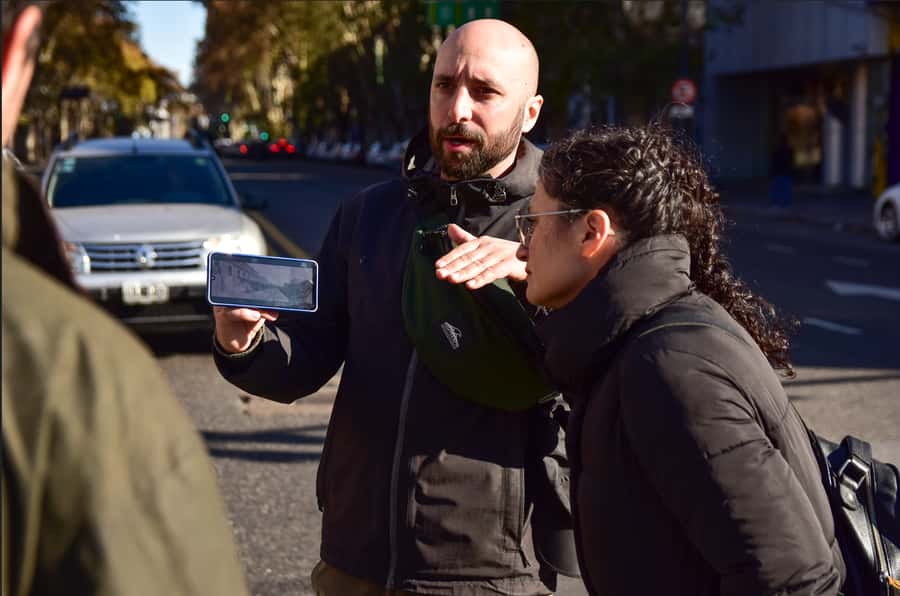
- Interactive guide discussion: you’re invited to ask questions and join the theme-based conversation
- Recoleta Cemetery as social mirror: who is remembered, who is forgotten, and what that says about Argentina
- Architecture decoded on the walk: buildings become evidence of wealth, status, and European influence
- Argentina’s capital storyline: past, present, and future are part of what you’ll talk about
- Flexible cemetery entry: you can choose whether to go inside once you’re there
Recoleta as a story about power, not just pretty buildings
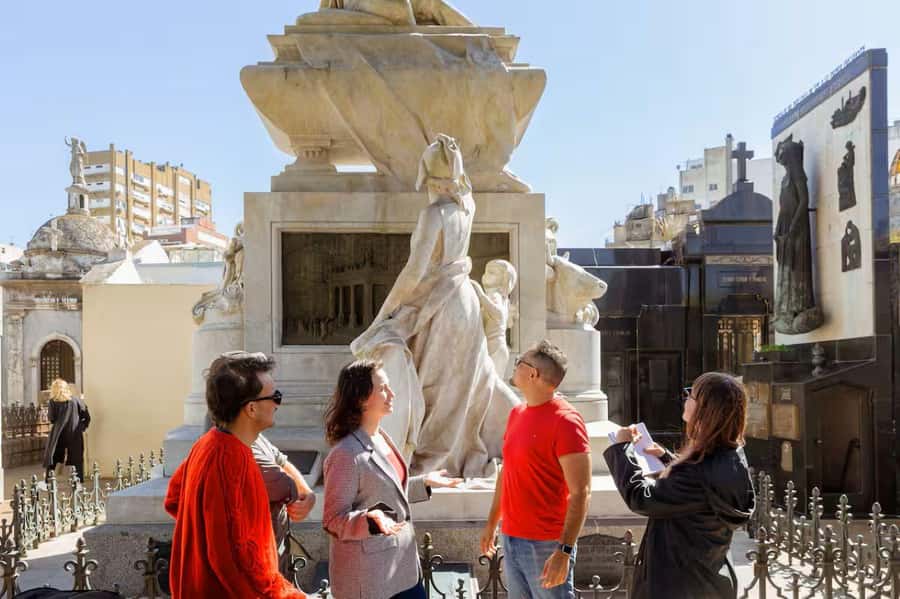
This experience is built around a simple idea: elite places leave fingerprints. Recoleta’s grand homes and the cemetery don’t just look impressive. They also act like a record of decisions—who had money, who had status, and how families wanted to be seen after death.
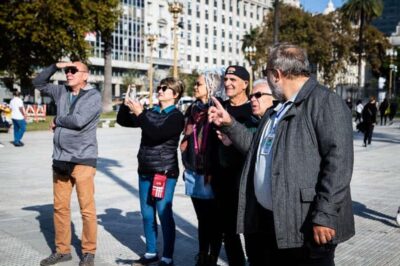
What I especially like is the tone of the walk. You’re not just absorbing facts. You’re discussing themes like the Parisian illusion—how ambition and wealth helped Buenos Aires earn that famous reputation—and the rise and fall of landowners as Argentina wrestled with its potential to become a world power. It’s history you can argue with, because the guide nudges you to question the narratives, not just repeat them.
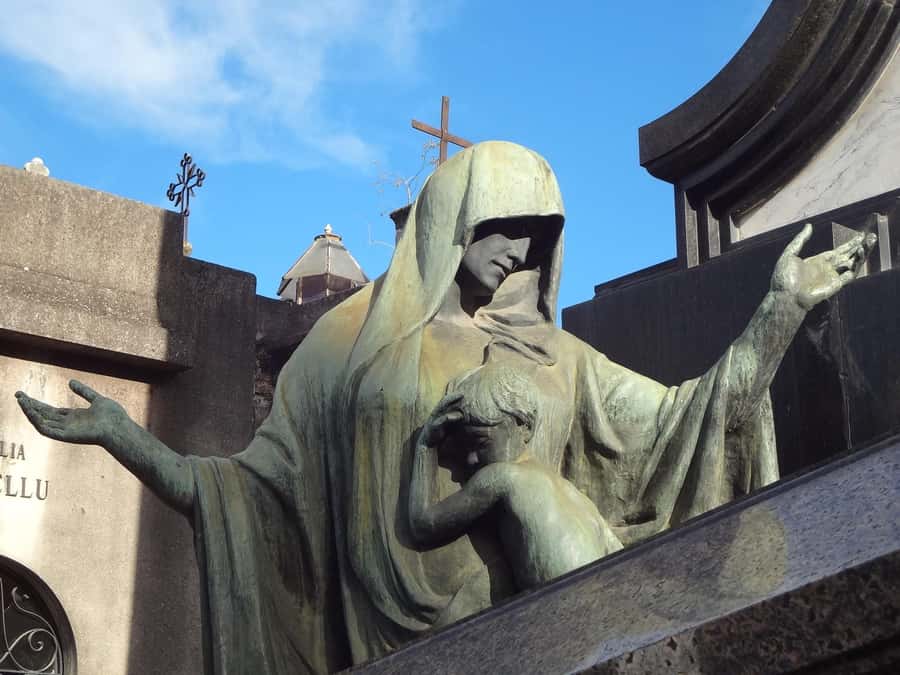
Guides here also lean into the anthropological angle: the cemetery becomes a mirror of society. That framing changes how you look at every statue, inscription style, and family plot. Instead of seeing monuments as decoration, you start reading them like social documents.
And if you enjoy a guide who handles individual questions without rushing you, that comes up a lot in feedback. Names like Nicolas (often shortened to Nico) and Ignacio show up in recent comments with praise for taking time, answering personal questions, and mixing in humor while staying factual.
You can also read our reviews of more tours and experiences in Buenos Aires.


Starting at Rapa Nui and warming up at Plaza General San Martín
The tour begins at Rapa Nui Store, where you get oriented before the walk really starts. If you like starting with the right bearings—street by street—that matters here because the route is short but tightly planned.
Your first stop is Plaza General San Martín, a quick guided introduction. Even if you’ve seen other big plazas in Buenos Aires, this one works as a baseline. It’s a clean way to set context: where the city’s identity energy comes from and why neighborhoods like Recoleta became such a magnet for elite status.
Practical note: you’ll spend only about 10 minutes here at first. That’s deliberate. The goal isn’t to linger in one spot. It’s to move quickly into the architecture and start learning what each building is “saying.”
The walk that explains the city’s Parisian ambition
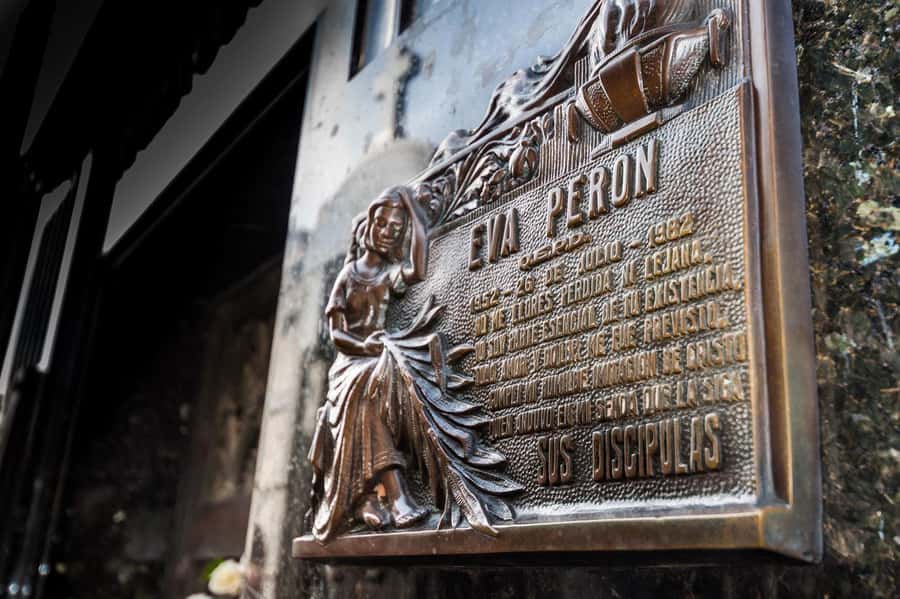
Recoleta’s big lesson is how Europeans turned into a marketing strategy. Buenos Aires wanted to look modern and important, and the elite paid for it. On this tour, several buildings are treated like case studies—each one with a role in the city’s image.
Edificio Kavanagh: modern lines, elite confidence
You’ll stop at Edificio Kavanagh for a brief guided segment. Even in a short visit, this kind of landmark helps you see why the “Parisian illusion” idea isn’t just a nickname. It’s about how wealth shaped the skyline and how Buenos Aires tried to keep up with European trends to project power.
Torre Monumental: city identity made physical
Next is Torre Monumental. This stop is short, but towers are never accidental in a city story. You learn how the elite era left visible markers—things people could point to as proof the city had arrived.



Mansión Estrugamou (Casa Basavilbaso): status with a domestic face
Then comes Mansión Estrugamou, also associated with Casa Basavilbaso. Mansions can be misleading if you only view them as “pretty.” The guide’s approach pushes you to ask different questions: Who lived like this? Why here? What did the design choices communicate to the broader society?
Palacio San Martín: power in official clothing
You’ll also see Palacio San Martín. It’s a reminder that wealth wasn’t always private. Some of it wore formal authority—turning architecture into messaging.
Quick break at Carrefour Express
A short break at Carrefour Express is built into the pacing. It’s handy in a 150-minute experience, because it lets you reset without losing the momentum of the conversation.
Embassy of France: influence you can point to
At the Embassy of France, the theme connection tightens. You’ll talk about how European prestige was imported and displayed—not just admired from afar.
Jockey Club: where social life becomes structure
The Jockey Club is another clue. Clubs like this weren’t only about sport or leisure; they were about building networks and signaling who belonged in the inner circle.
Park Hyatt Buenos Aires (Palacio Duhau): the elite era still echoes
Finally, you’ll stop briefly at Palacio Duhau – Park Hyatt Buenos Aires. Even if you don’t go inside, this stop helps you understand how old power can be repackaged for modern life. You can see the continuity: style changes, but the role of prestige doesn’t vanish.
Recoleta Cemetery: the city of the dead as a memory map
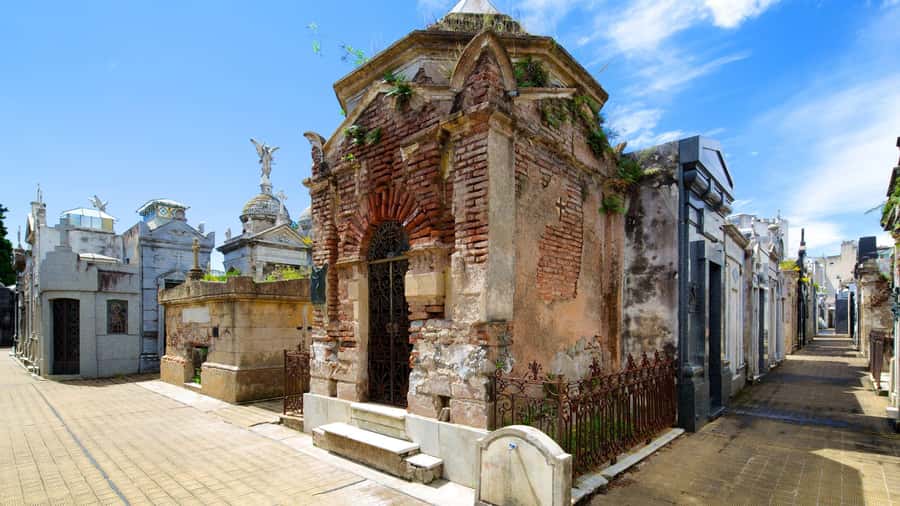
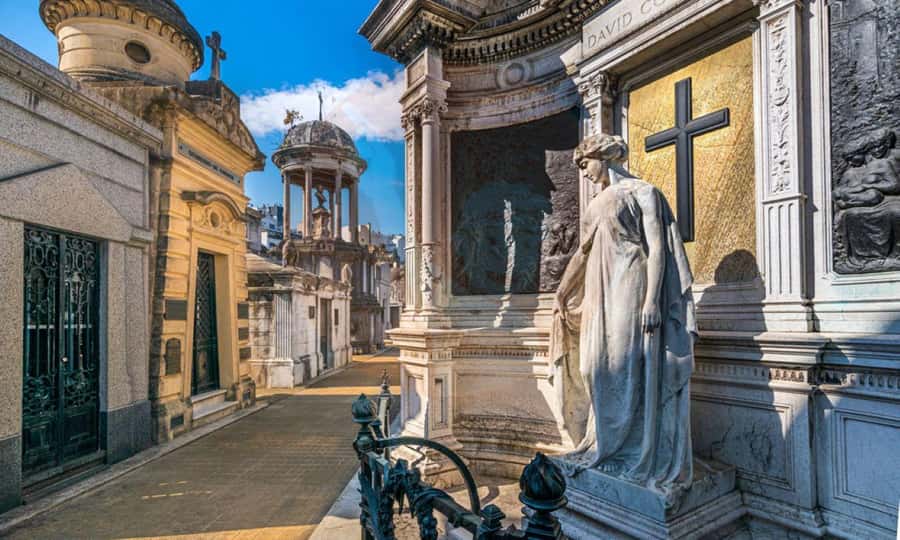
The cemetery part is where the tour becomes truly different. You’ll get about 45 minutes of guided time at La Recoleta Cemetery, with the emphasis on themes rather than speed.
Here’s the key: you’re not only learning about the cemetery’s general reputation. You’re learning to see it as a social record. The guide treats it like a mirror of society—who is remembered, who fades from view, and what secrets can be read from how people chose to mark their place.
Actual entry is optional. You can buy the ticket at the entrance or in advance online, depending on what’s easiest for your day. Once you’re inside, the tour frames what you’re seeing: architecture and burial practices as expressions of status, identity, and family strategy over time.
What I think makes this experience work is the way it links the cemetery to broader conversations about Argentina’s capital. You’re likely to talk about the present city and where it’s heading, but anchored in what the elite era left behind. That helps you connect Recoleta’s “past” to real life you’ll still see on the streets.
A smart tip for the cemetery visit
If you want the most out of your 45 minutes, come ready with questions. Ask what makes a monument reflect social power, or how the city’s elites shaped public memory. Since the tour is interactive, you’ll get more from the guide when you treat it like a conversation.
Price and value: why $34 can be fair for a focused 150 minutes
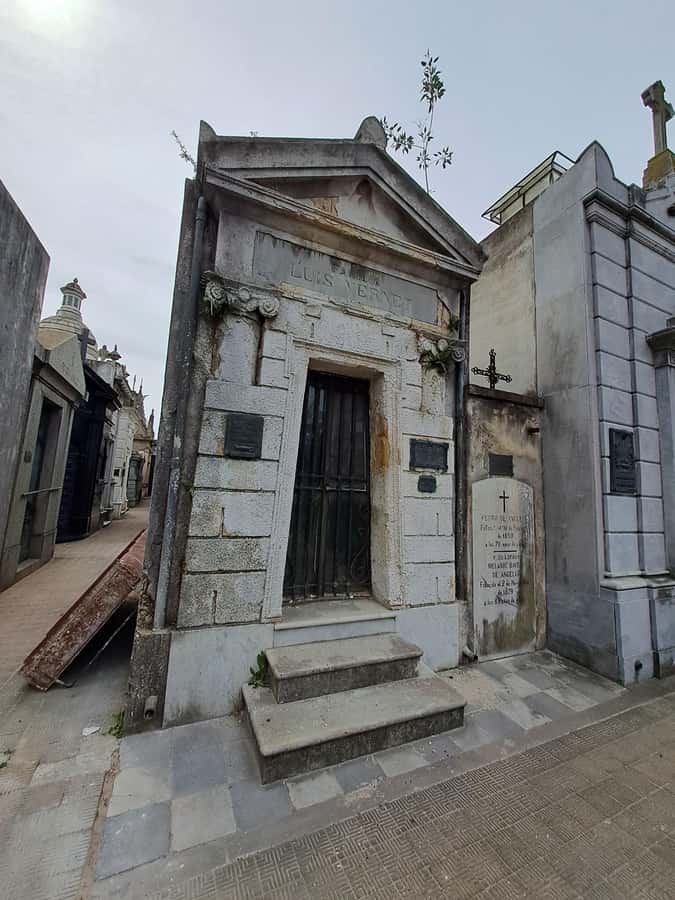
At $34 per person for about 150 minutes, you’re paying for two things: guided interpretation and sustained discussion. The walk doesn’t feel like a quick “hit the highlights” route. It’s long enough to make sense of the architecture and short enough that you won’t lose the thread.
The real value comes from the guide’s style. The experience is led by a live guide with a university degree, and the format includes discussion and interaction. In practice, that means you’re not stuck collecting dates. You’re using the buildings and cemetery as tools to understand Argentina’s elite era and how its influence still shows up in the capital today.
One small consideration: the cemetery ticket isn’t included. Since entry is optional anyway, you can decide based on your schedule and interest. If you care most about architecture and social story, you may feel satisfied without going deep inside. If you want the full “city of the dead” interpretation, budget time for the ticket and the guided visit.
Who this tour is best for
I’d point you toward this tour if you like:
- history that connects to what you can see outside
- interactive guides and asking follow-up questions
- architecture as evidence, not just background scenery
It may be less ideal if you prefer a strictly quiet, museum-style experience. This one is more like a walking seminar with street views—still fun, but you’ll get more out of it when you’re engaged.
Group size can be private or small, which matters because it makes Q&A more realistic. Also, the tour is wheelchair accessible, so it’s built with inclusive movement in mind.
Should you book this Recoleta & Cemetery experience?
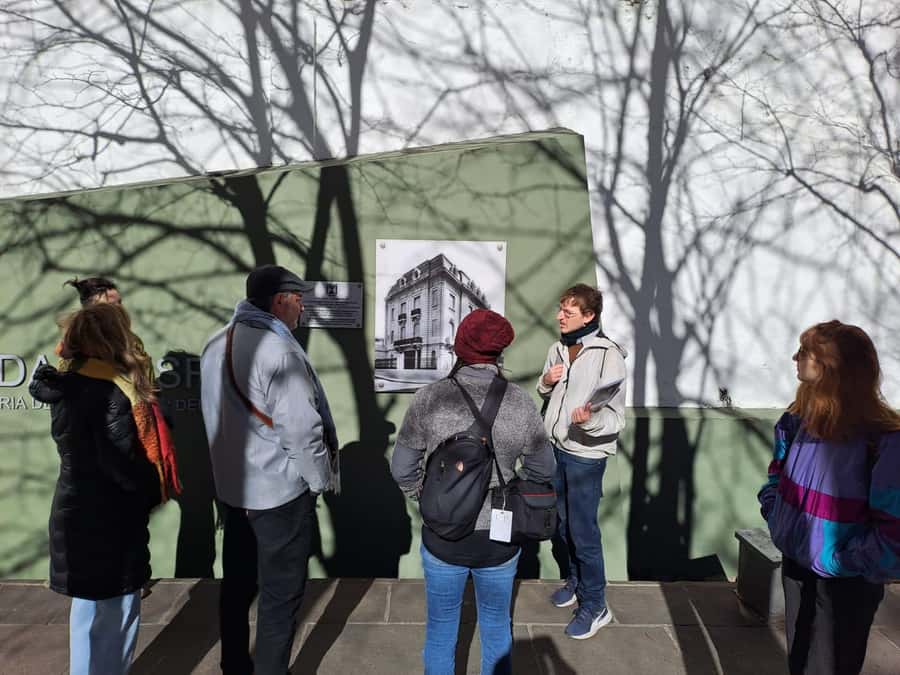
I’d book it if you’re trying to understand Buenos Aires beyond the usual postcard list. The combination of Recoleta architecture plus a cemetery-based social reading is a strong match for curious minds who like meaning, not just sightseeing.
Skip it (or expect a different experience) if you want a purely surface-level walk or you’re not interested in the “elite era” lens. And if you plan to enter the cemetery, factor in the ticket since it’s not included.
If you do book, I’d go with a simple attitude: bring questions, look closely at details, and treat the cemetery as part of the city’s ongoing story—not a separate stop.
FAQ
How long is the experience?
It runs for about 150 minutes.
Where does the tour meet?
The meeting point is at Rapa Nui Store.
Is the Recoleta Cemetery ticket included?
No. Cemetery entry is optional, and tickets are not included.
Can I enter the cemetery if I want?
Yes. Actual entry into the cemetery is optional, and you can purchase tickets at the entrance or online.
What languages are available for the live guide?
The tour is offered in Spanish, English, and French.
Is it wheelchair accessible?
Yes, the tour is listed as wheelchair accessible.
Is this tour private or in a small group?
It can be private or in small groups.
What is the price?
The price is listed as $34 per person.
Is it possible to cancel and get a refund?
Free cancellation is offered up to 24 hours in advance for a full refund. Reserve now and pay later is also available.