REVIEW · BUENOS AIRES
Buenos Aires: Chacarita, The Largest Cemetery In Argentina
Book on GetYourGuide →Operated by daddiescuriosos · Bookable on GetYourGuide
The calm inside Chacarita hits different. I love how this tour treats the cemetery like an outdoor museum, with Carlos Gardel front and center, yet still respectful and human. You’ll also get real variety with the German and British areas, where the architecture and symbolism shift from what you expect in Argentina.
The main drawback: it’s a 3-hour walking experience on cemetery paths. Expect uneven ground and stairs, so it’s not a good fit if you use a wheelchair or have mobility limits.
In This Review
- Key highlights you’ll care about
- Chacarita Cemetery: Buenos Aires’s Stone-and-Story Walk
- Meeting Point, Group Size, and the Real Walking Rhythm
- Entering the Main Grounds: Photo Stops That Actually Teach
- Carlos Gardel: Tango’s Face in Stone
- Jorge Newbery and Another Side of Argentine Memory
- María Salomé Loredo de Subiza: When Details Matter
- Gustavo Cerati and Gilda: Pop Culture Isn’t Separate from History
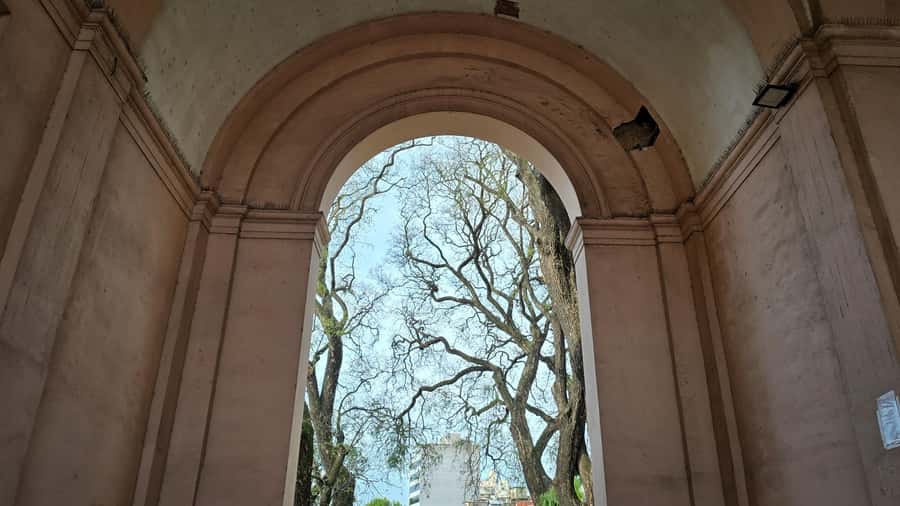
- The Chapels and Panteón VI: Architecture You Can’t Rush
- Commonwealth War Graves: Quiet Meaning in a Specific Space
- German and British Cemeteries: The Style Shifts You’ll Notice
- Elcano Park: A Breather at the End of the Walk
- Price and Value: Why $20 Can Feel Fair Here
- What to Bring: Your Comfort Checklist
- Who Should Book This Chacarita Tour
- Should you book? My decision rule
- FAQ
- How long is the Chacarita Cemetery tour?
- What’s the meeting point?
- What famous tombs and sections will I see?
- Is the tour guided, and what language is it in?
- Is this tour suitable for people with mobility issues?
- What should I bring for the walk?
Key highlights you’ll care about
- Carlos Gardel’s tomb: a must-see stop tied to the sound of tango
- Gustavo Cerati and Gilda: pop culture meets national memory
- German and British cemeteries: different styles, different religious spaces
- Panteón VI and the chapels: more “art in stone” than you’d expect
- Commonwealth War Graves Buenos Aires: quiet, important context in a separate section
- Small-group pace (up to 6): you can actually ask questions
Chacarita Cemetery: Buenos Aires’s Stone-and-Story Walk
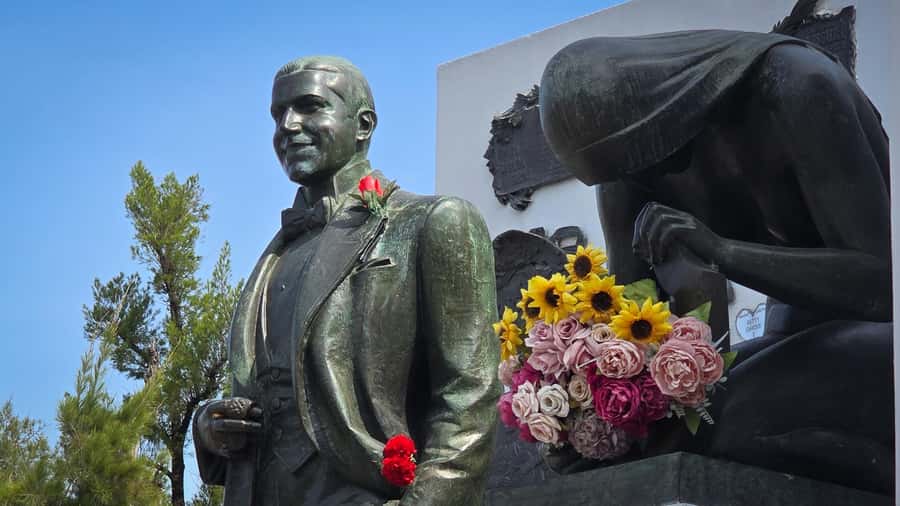
Chacarita Cemetery is one of those places that stops being only a burial ground the moment you start reading it. The streets of tombs, chapels, and mausoleums act like a map of Buenos Aires across generations—who mattered, what people valued, and how different communities expressed faith and identity through design.
What I like about this experience is that it doesn’t only point at famous names. It helps you notice the differences: the way certain monuments feel theatrical or solemn, the way styles shift by section, and how the cemetery becomes a public record of Argentine life. You’ll also hear the stories behind several major figures—tango, theater, and poetry—so the visit feels personal instead of just sightseeing.
And yes, it’s a cemetery. You’ll walk slowly, keep your voice down, and treat each stop as a place with meaning. That’s part of the value: the guide makes it feel appropriate and clear, not spooky or rushed.
You can also read our reviews of more tours and experiences in Buenos Aires.



Meeting Point, Group Size, and the Real Walking Rhythm
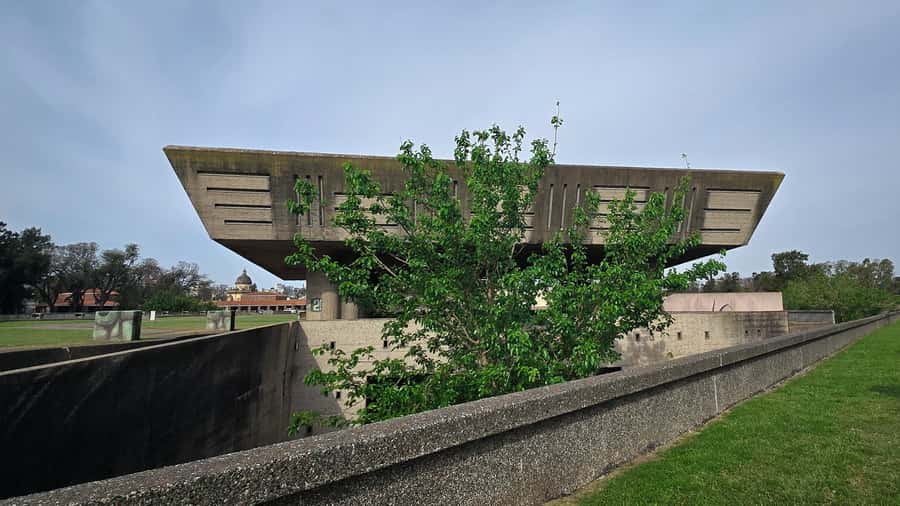
You meet at the main door of Chacarita Cemetery. From there, the tour follows a steady walking route with short guided stops so you don’t get tired or numb to what you’re seeing.
Plan for about 3 hours total, in a small group limited to 6 participants. That small size matters in a cemetery setting. You’re close enough to hear details, and you can ask questions without the usual “tour herd” problem. There’s also a 10-minute pause built in for the restroom, which is smart because you’ll be on foot the whole time.
The guide speaks Spanish. If your Spanish is still in progress, you’ll be glad for patient pacing—one thing I consistently like about this operator is the way the guide can slow down and explain clearly when people need it.
A practical note: it can get hot and sunny, and it can also rain. One guide-led experience quality check is simple: if the tour still feels organized when weather turns, you’re in good hands. Here, the structure stays solid even when conditions aren’t perfect.
Entering the Main Grounds: Photo Stops That Actually Teach
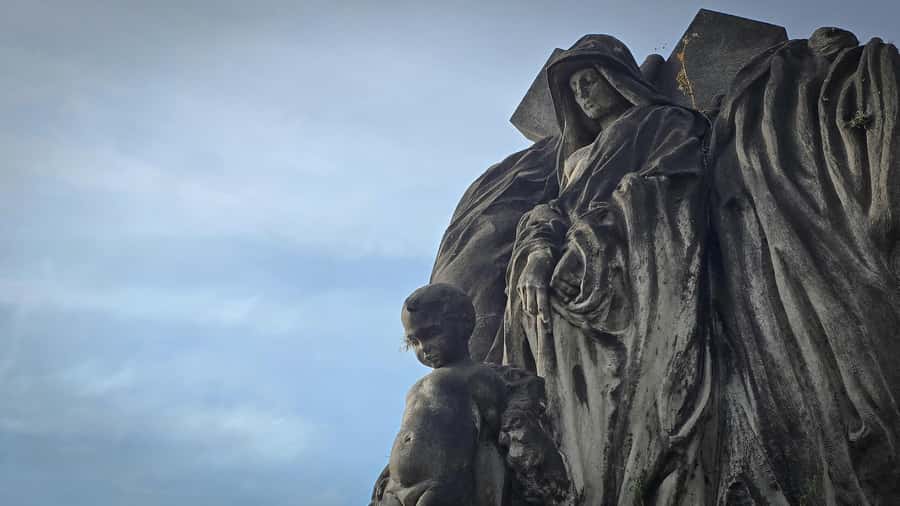
The first part of the route includes a short orientation stop in the main cemetery area. You’ll get a quick photo stop plus guided time—just enough to help you get your bearings fast and understand how the cemetery is laid out.
This is where the tour earns its keep. Cementerio walks can turn into random wandering if you don’t know what you’re looking for. Here, you’ll learn how to read the “language” of different monuments—materials, entrances, and how sections relate to particular communities or historical themes.
Even if you’re not a cemetery person, this early structure makes everything after it easier to follow.
Carlos Gardel: Tango’s Face in Stone
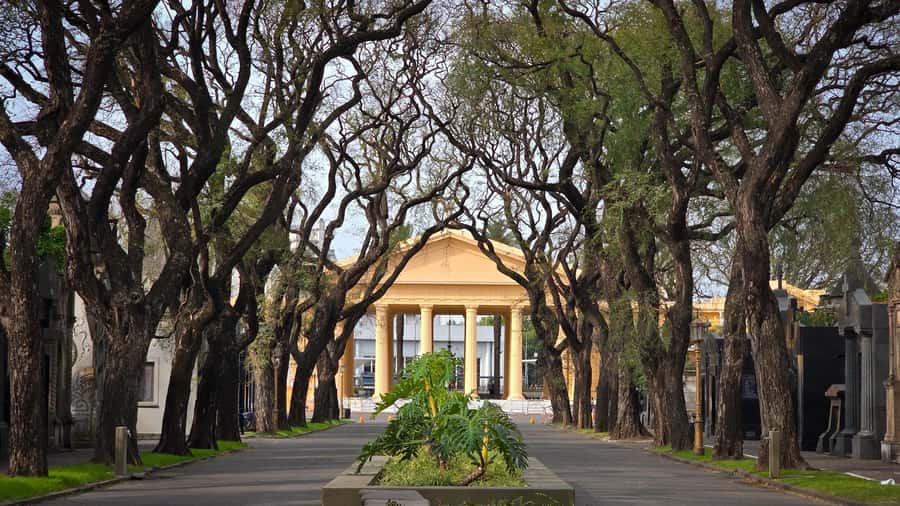
Then comes the stop you’ll probably recognize even if you don’t know the exact location yet: Mausoleo Carlos Gardel. This is the kind of place that changes how you experience tango. You’re not just hearing names; you’re looking at the final resting place of someone who helped shape an entire soundtrack for the country.
What makes this visit worthwhile is the context you’ll get while you’re standing there. The guide connects Gardel’s legacy to what Argentines associate with the voice of tango—so you understand why this tomb matters beyond fame.
You’ll also have a short photo stop and guided time (around 10 minutes), which is just enough to absorb it without dragging the rest of your route behind it.
Jorge Newbery and Another Side of Argentine Memory
Next you’ll visit Mausoleo Jorge Newbery. Newbery isn’t remembered like a tango icon; he represents a different type of national story—exploration, aviation, and the kind of ambition that turns into legend.
This stop is a good reminder that Chacarita isn’t only about entertainment figures. It’s also about people who shaped ideas of modern Argentina. If you’re the type who likes your travel mixed—music one minute, national achievement the next—this is a great pivot.
The stop runs about 10 minutes with photos and guided interpretation, so you stay in motion but still get meaning.



María Salomé Loredo de Subiza: When Details Matter

After Newbery, the route includes Mausoleo Loredo de Subiza María Salomé. This is the kind of stop that can feel surprising at first, because it’s not a name everyone brings to Buenos Aires.
But that’s exactly why it’s valuable. Cemetery tours that only chase worldwide celebrities miss the point. Here, you’re being shown how Argentine families and communities expressed status, devotion, and memory through monument design. Even if you don’t know the name, the guide’s context helps you understand why it belongs in the story of Chacarita.
You’ll spend around 10 minutes here, with a quick guided look that keeps things focused.
Gustavo Cerati and Gilda: Pop Culture Isn’t Separate from History
Now the tour jumps into the Argentina of radio, rock, and theater.
First: Gustavo Cerati, visited with a longer guided stop (about 15 minutes). Cerati’s legacy sits in a different emotional register than tango, and that contrast makes the walk more interesting. Seeing him here helps you understand that modern cultural giants are part of national memory too.
Then comes Tumba de Gilda, also with around 15 minutes. Gilda’s place in Argentine hearts is strong, and the guided time matters because it frames why her memory remains so present. This isn’t about trivia; it’s about understanding how people turn life stories into lasting cultural meaning.
If you’re a music fan, this segment is a payoff. You’ll connect the sound of different eras to the stone and names in front of you—and it lands differently than a museum poster.
The Chapels and Panteón VI: Architecture You Can’t Rush
Midway through the route you’ll visit Capilla Cementerio Chacarita for about 10 minutes. Chapels in cemeteries often look “simple” from the outside, but up close you notice small details—religious space design, how people imagined prayer and protection. The guide helps you look at it in a way that feels respectful and clear.
Then the tour moves to Panteón VI for a longer stretch (about 30 minutes). This is one of the best time blocks on the route because it gives you a chance to slow down and actually take in the monument environment.
This is also where the tour’s broader focus on Argentine cultural figures becomes more visible. Based on the focus of the experience, you’ll see additional prominent names and final resting places connected to tango and poetry—like Osvaldo Pugliese, Luis Sandrini, and Alfonsina Storni—during the walk across major sections. You may not stop at all of them in a single location, but the route is designed to bring these memories into view without turning it into a chaotic checklist.
If you want one reason to pick a guide, it’s this: in a place like Chacarita, architecture can be “just pretty” unless someone explains what you’re looking at. Panteón VI is where the explanation pays off.
Commonwealth War Graves: Quiet Meaning in a Specific Space
Next is Commonwealth War Graves Buenos Aires (about 15 minutes). This section brings a very different tone to the cemetery. You’re not dealing only with local celebrity or cultural memory; you’re in a space shaped by historical conflict and shared commemoration.
The value here is how the guided time helps you understand the purpose of this specific area—so it doesn’t feel like an odd stop on a celebrity route. It reads as a reminder that Argentina’s story connects to world events, and the cemetery preserves that fact in a physical, solemn way.
Plan to take a few slow seconds between points. This is one of the places where rushing feels wrong.
German and British Cemeteries: The Style Shifts You’ll Notice
One of the biggest highlights is the visit to the German cemetery area and the route that helps you appreciate the German and British cemeteries.
In practice, what you’ll notice is the change in visual language. Different communities brought different traditions and architectural styles, including religious temples and design choices that reflect identity and faith. The guide points out these differences, so you understand they aren’t random.
You’ll stop at Cementerio Alemán (about 15 minutes) and you’ll also spend time sightseeing in connected areas associated with the British side. Even the short viewing windows are designed to let you compare: materials, monument forms, and how space is organized.
If you like travel photography, this is a strong segment. If you like understanding how immigrant communities shaped Buenos Aires, it’s even stronger.
Elcano Park: A Breather at the End of the Walk
At the tail end you’ll visit Elcano Park for about 10 minutes. This is a smart finishing move. It gives you a place to reset after concentrated cemetery viewing. You’ll have a last chance to regroup, take in air and light, and mentally sort the names and monuments you just learned.
It also helps you exit the experience without feeling like you’re leaving a stressful place. It turns the tour into a complete loop: learn, reflect, and then step into something lighter.
Price and Value: Why $20 Can Feel Fair Here
At about $20 per person for a 3-hour guided walk, this tour can be good value—if you want meaning more than just photos.
Cemeteries are a tricky category for pricing. You can sometimes wander for free, but you’ll miss context: why certain monuments matter, what different sections represent, and which names are tied to what Argentine cultural movements. The guide’s job is to translate stone into story.
Add in the small group size (6 max) and the fact that the tour includes multiple major stops—tango and pop culture icons, religious spaces, war graves, and foreign community sections—and the price starts to make sense. It’s not just a quick celebrity sweep. It’s structured, time-managed, and focused.
If you hate walking, skip this. If you enjoy stories tied to place, it’s a fair deal.
What to Bring: Your Comfort Checklist
Bring the basics, because the tour is outdoors for extended stretches. I recommend:
- Comfortable shoes (the ground can be uneven)
- Hat and sunscreen for sun exposure
- Water so you don’t get dehydrated
- An extra layer if the weather flips
Also, keep an eye on the day’s sky. The experience stays organized even if it drizzles, but you’ll still want to be comfortable enough to keep moving.
Who Should Book This Chacarita Tour
This tour fits best if you:
- Like learning through real place-based stories
- Want to see more than one “type” of Argentine fame (tango, theater, rock, poetry)
- Enjoy architectural differences between communities
- Want a guided experience in a small group where questions are welcome
It’s not a good match if you have mobility impairments or need wheelchair-friendly routes, since it involves walking and terrain that isn’t described as suitable for that.
Should you book? My decision rule
Book this tour if you want a cemetery visit that feels intentional—Carlos Gardel, Gustavo Cerati, Gilda, plus the foreign cemetery sections and the war graves. The guide’s Spanish-led explanations (often praised for being patient and clear) are the difference between random looking and actually understanding.
Skip it if you want a quick photo stop or if long walking on uneven paths would wear you down. Also, if the idea of spending hours in a cemetery doesn’t appeal to you, no guide can fix that.
FAQ
How long is the Chacarita Cemetery tour?
It lasts about 3 hours, with a short break of around 10 minutes for the restroom.
What’s the meeting point?
Meet at the main door of Chacarita Cemetery.
What famous tombs and sections will I see?
You’ll visit the mausoleum/tombs of Carlos Gardel and Gustavo Cerati, the tomb of Gilda, and you’ll also see parts of the German and British cemeteries, plus Commonwealth War Graves Buenos Aires and major cemetery monuments and chapels along the route.
Is the tour guided, and what language is it in?
Yes, it’s a live guided walking tour. The guide speaks Spanish.
Is this tour suitable for people with mobility issues?
No. The experience is not suitable for people with mobility impairments or wheelchair users.
What should I bring for the walk?
Wear comfortable shoes, bring a hat, sunscreen, and water.