REVIEW · BUENOS AIRES CITY TOURS
Buenos Aires for curious people
Book on GetYourGuide →Operated by Social&Cultural · Bookable on GetYourGuide
Buenos Aires makes more sense on foot. This is a conversational walk that uses the city as a textbook, with anthropological history and real street-level discussion from places like Lezama Park all the way to Casa Rosada. I especially liked how the guide keeps it back-and-forth, and how Nicolás-style storytelling turns big questions into something you can picture.
Two things I’d call out right away: you get a guided path through the historical center, and you’re not stuck with dry facts because you can ask questions as the themes unfold (Britain’s interest, African-descendant presence, immigration, Evita and Perón, and the memory of the desaparecidos). The main drawback to consider is simple: it’s still a 3-hour walk, so if your feet hate pavement or the weather swings, you’ll want to plan for comfort.
In This Review
- Key moments you’ll care about
- Starting at Bar Británico: the curious-person tone
- From Parque Lezama to faith-and-identity clues along the way
- Telmo’s squares and the San Telmo Market pause
- Espacio para la Memoria ex CCD Club Atlético: when the city remembers
- British interest, African-descendant presence, and the immigrant story you can see
- Education, the present, and making sense of Argentina’s future
- Casa Rosada and Plaza de Mayo: Evita, Perón, and political leadership on display
- Price and time: what you really get for about $30
- Who should book this walking tour in Buenos Aires
- Should you book this Buenos Aires history walk?
- FAQ
- FAQ
- How long is the Buenos Aires walking experience?
- Where do we meet for the tour?
- What is the tour price?
- What language options are available for the guide?
- What are the main places the tour visits?
- Is the tour wheelchair accessible?
- What should I bring?
- Is there time to rest during the walk?
Key moments you’ll care about
- Conversation-first guiding: you’re invited to talk, question, and debate as you walk.
- History as anthropology: the story isn’t just dates; it’s people, identity, and change.
- A heavy stop handled thoughtfully: the Espacio para la Memoria ex CCD lets the city’s memory do the talking.
- A route that mixes eras: older Telmo corners meet modern viewpoints on the way to Casa Rosada.
- Argentina’s big questions in plain language: from the US dollar’s pull to who belonged here and why.
Starting at Bar Británico: the curious-person tone
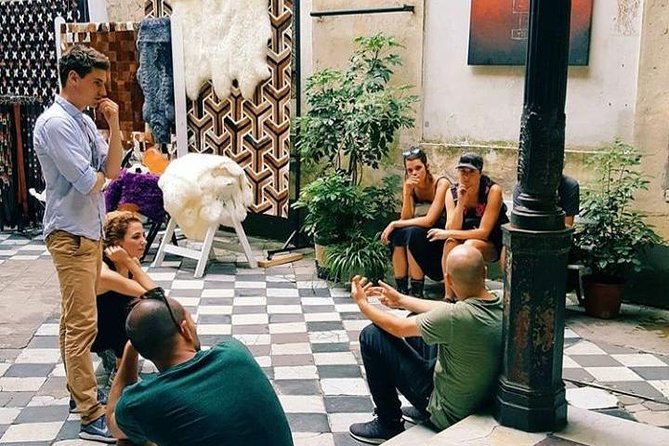
You meet at Bar Británico, and that matters more than you’d think. Starting at a real local spot sets the right mood: this isn’t a “march and listen” thing. Expect a guide who wants you involved, not passive.
Because it’s a small-group or private-style format (depending on what you book), you can actually shape the pace with your questions. I like that. Buenos Aires is full of history, but it can feel like a blur unless somebody helps you connect the dots.
From the beginning, the tour frames the city around themes you’ll recognize from modern Argentina. You’re going to hear about the first inhabitants, the pressures from outside powers (including why Britain mattered so much), and the way different communities changed the social mix over time. If you’re the type who asks why something happened, this is built for you.
You can also read our reviews of more tours and experiences in Buenos Aires.
From Parque Lezama to faith-and-identity clues along the way
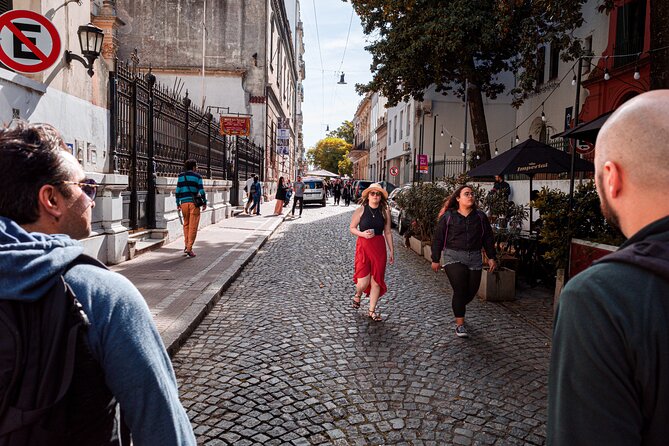
The first big stop is Parque Lezama, where you get a short guided introduction that sets the stage. This is where you start seeing the “layers” of Buenos Aires instead of treating it like one era. The guide’s approach is anthropological, which basically means you’re looking at people and culture, not just rulers and buildings.
Then the walk moves through the historical center’s texture, including a stop at the Russian Orthodox Church of the Holy Trinity and another along at Club Sueco Restaurante. Those specific places give the guide a chance to talk about immigration and cultural presence without turning it into a lecture.
Here’s the practical value: you’ll start noticing how the city’s look reflects its mix of communities. You’ll also get a better handle on why Argentina became a nation of immigrants, and how that identity shows up in everyday space.
Time-wise, these early stops are short (think about 10–15 minutes each), so you don’t get stuck waiting for a long museum-style segment. The tradeoff is you have to pay attention. If you’re hoping for lots of free roaming, you’ll likely want more time on your own before or after.
Telmo’s squares and the San Telmo Market pause
As the walk continues, you’ll reach the Parroquia de San Pedro González Telmo, then cut toward Plaza Dorrego and the San Telmo Market. This stretch works well because the city shifts from “intro history” mode to “daily Buenos Aires” mode.
Plaza Dorrego is a classic spot to slow down for a moment. It helps you reset mentally, because the themes you’re learning can feel intense: identity, power, and memory. Then comes a break at the San Telmo Market, with time set aside to wander, snack, or just observe how the neighborhood breathes.
I like having that built-in breathing room. In a good history tour, you don’t want to keep your brain in lecture mode the whole time. With 20 minutes here, you can take photos, buy something small if you want, and rejoin the conversation-ready state.
If you’re sensitive to crowds, keep in mind that markets can get busy, especially on weekends. The tour gives you just enough time to enjoy it without turning it into a long detour.
Espacio para la Memoria ex CCD Club Atlético: when the city remembers
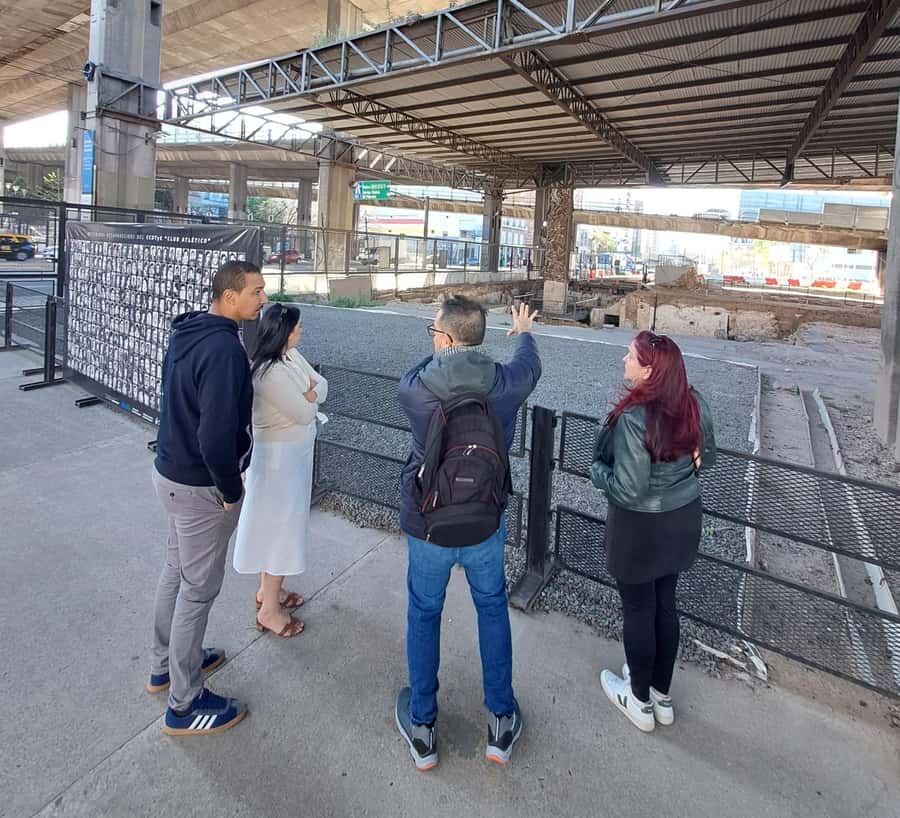
One of the most important moments on the walk is the stop at the Espacio para la Memoria ex CCD “Club Atlético.” This is where the tour stops being “interesting history” and becomes memory in action.
The guide links this site to the questions about the desaparecidos—what happened, how their absence shaped Argentina, and why remembrance matters in the present. This isn’t trivia. It’s about how a country carries grief, silence, and accountability into everyday civic life.
A practical tip: give yourself permission to slow down here. Don’t rush the photos. Even if you think you know the basics, this kind of stop lands differently when you’re standing where the memory is housed.
The best part is the tour doesn’t treat it as a one-off dramatic moment. Instead, it connects it to modern Argentina’s identity and the way political leadership and social reality keep affecting each other.
British interest, African-descendant presence, and the immigrant story you can see
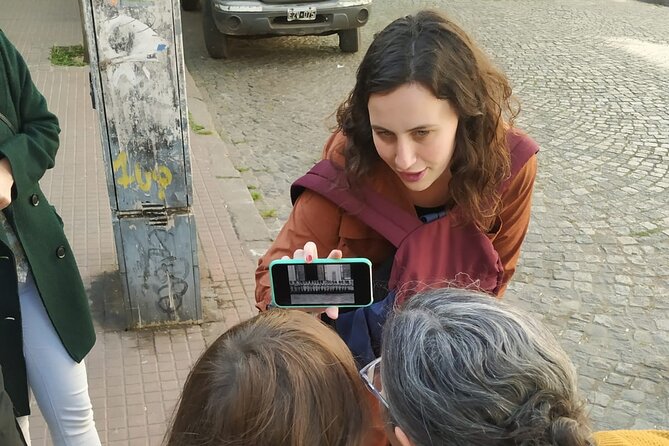
Buenos Aires history can get tangled fast—who arrived, who benefited, who was excluded, and how outsiders shaped the economy and politics. The tour’s strength is that it keeps these threads moving as you walk through different corners of the city.
You’ll talk about the British interest in the city, and why that attention wasn’t random. You’ll also cover the African-descendant population and what happened to it over time—again, not as a side note, but as part of the city’s real formation.
Then the guide brings in a bigger lens: how Argentina became a nation of immigrants. That theme matters because it ties together architecture, language, neighborhoods, and how people explain their own identity.
What I like is how the questions are framed in a way that feels relevant to today. You’re not just learning what happened; you’re being asked to think about how the past still shapes what people do and believe now.
And because the tour stays conversational, you can follow your personal curiosity. If you want more on identity and community, you can steer there. If you care more about power and institutions, you can bring that into the discussion too.

Education, the present, and making sense of Argentina’s future
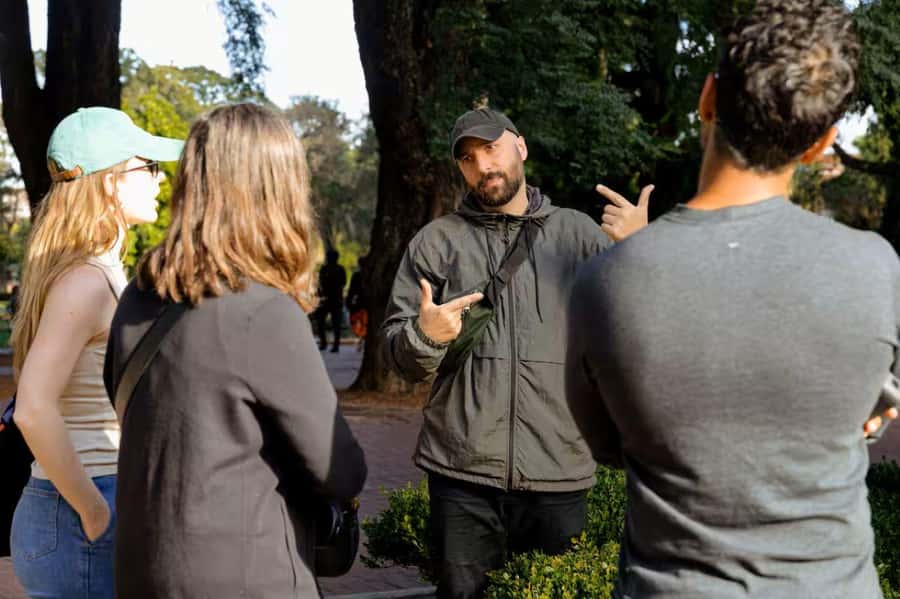
After the market area, the walk continues with stops that point you toward the present. You’ll see places connected to higher education, including Facultad de Ingeniería and UCA Santa María de los Buenos Aires.
This part of the tour is a nice bridge. You’ve already covered the heavy themes of memory and the deeper social foundations. Now you get a chance to talk about future-facing questions, and how a capital city changes as it grows and educates its next generation.
Even the timing helps here. The segments are brief (some are around 5–10 minutes), so you move efficiently without losing the thread. You don’t feel like you’re rushing; you feel like you’re being carried along a path that makes the city’s logic clearer.
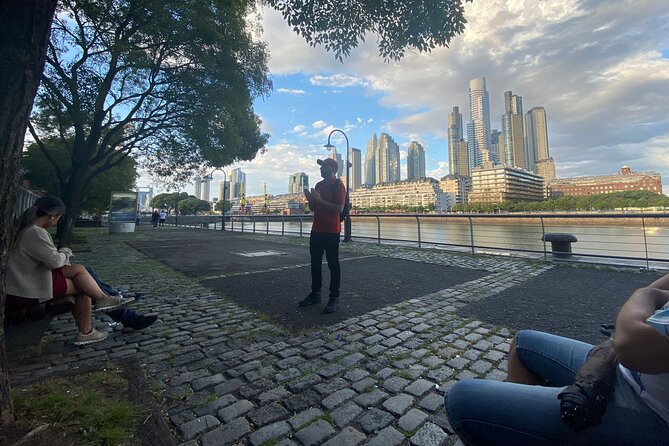
Then you reach Puente de la Mujer, a modern landmark that acts like a visual punctuation mark. It’s a reminder that Buenos Aires isn’t stuck in the past. The guide uses this shift in scenery to talk about the city as it exists now—plus what it keeps wrestling with.
Casa Rosada and Plaza de Mayo: Evita, Perón, and political leadership on display
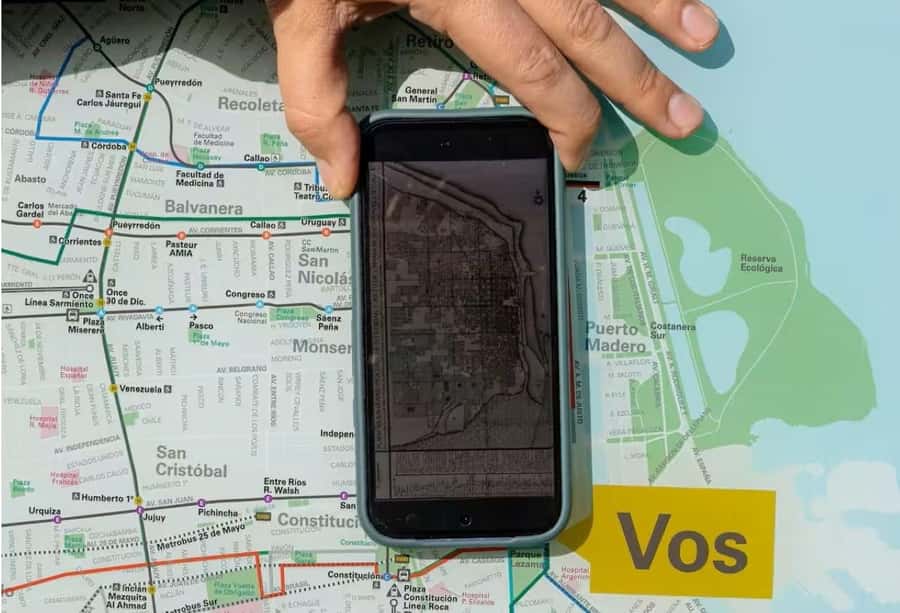
The tour finishes at the political heart of Argentina, with the Casa Rosada experience front and center. Along the way, you’ll learn about the history of the city’s political leaders, and the story is guided through the big names you asked about—especially Evita and Perón.
Standing near Casa Rosada gives this part weight, because you’re not imagining politics in a vacuum. You’re seeing the civic stage where leadership, public emotion, and national identity all collide.
The guide also tackles the question of why the US dollar holds such power over the local economy. That topic can sound abstract until it’s placed into a broader conversation about Argentina’s recent decades—something the tour connects to how people live, plan, and argue.
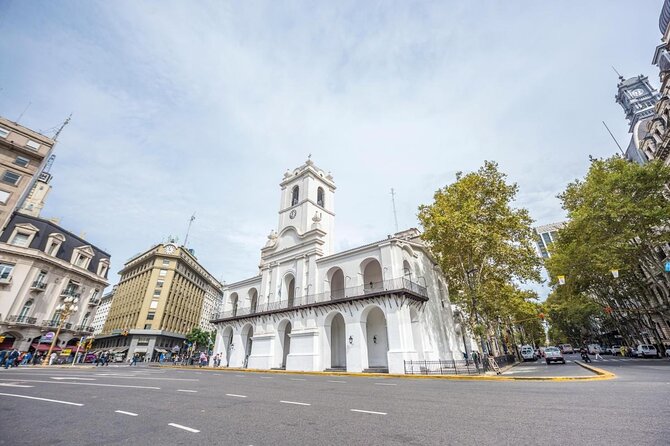
When you end around Museo Casa Rosada, Casa Rosada, and Plaza de Mayo, you’re left with a clearer framework. Even if you don’t memorize every detail, you’ll understand the relationships: between identity and power, between memory and policy, and between everyday life and international influence.
Price and time: what you really get for about $30
This tour runs about 3 hours and costs $30 per person. For Buenos Aires, that price feels fair because you’re not paying for one museum ticket—you’re paying for guided interpretation across multiple landmarks and neighborhood segments.
The real value is in the format. You get a professional guide plus structured historical insights, but the standout component is the discussion and debate opportunities. That turns it into something you can’t really replicate just by walking on your own, because you’re learning through questions, not a one-way script.
Also, the route doesn’t just chase famous sights. It includes less tourist-heavy stops and places tied to memory and community presence. That’s often where the best “first introduction” tours earn their keep: you see the basics and still come away feeling like you learned something you couldn’t easily figure out alone.
If you have limited time in the city, this is a strong way to get your bearings. If you have more time, it’s still worth it, because it will make your later solo wandering more meaningful.
Who should book this walking tour in Buenos Aires
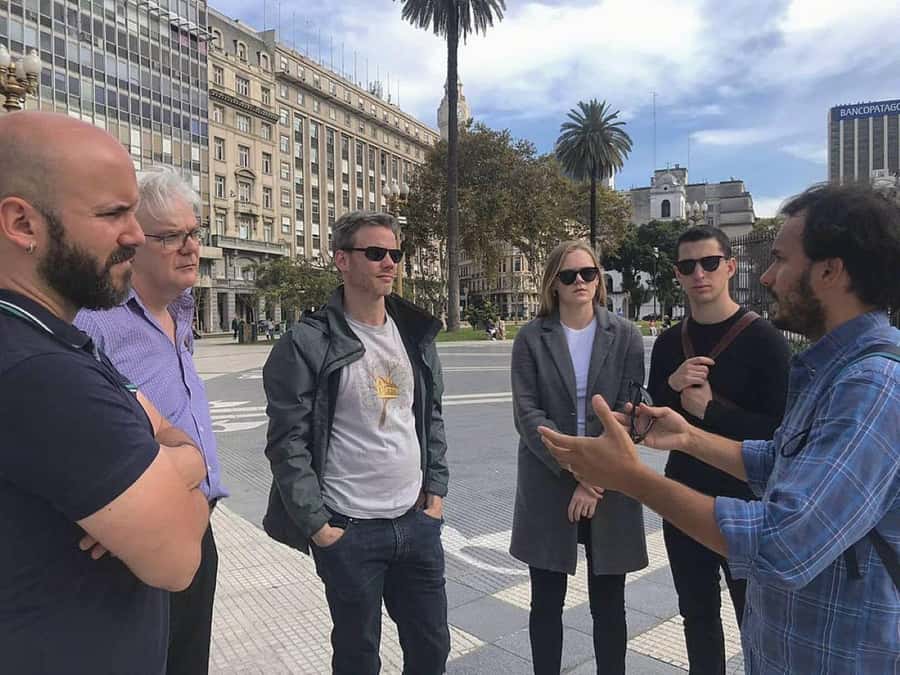
This experience is a great fit if you’re curious and willing to ask why. It suits you if you want a first-time Buenos Aires orientation that goes past postcard landmarks and basic dates.
It’s also a good choice if you like history with people at the center: identity, migration, social memory, and politics as lived experience.
You might want a different style of tour if you prefer long quiet museum time, or if you strongly dislike walking. It’s accessible on foot and wheelchair accessible as stated, but it’s still a walking plan. Bring comfortable shoes and expect you’ll be on your feet most of the time.
Should you book this Buenos Aires history walk?
If you want Buenos Aires explained with real questions and a human tone, I’d book it. The route is thoughtfully linked from Lezama into Telmo and toward Casa Rosada, and the guide approach makes it feel like you’re learning with a smart friend.
It’s also a smart first step for anyone who wants to understand Argentina’s story without getting buried in jargon. The conversation about British interest, African-descendant presence, immigration, Evita and Perón, and the desaparecidos gives you a framework you can carry into the rest of your trip.
FAQ
FAQ
How long is the Buenos Aires walking experience?
It lasts about 3 hours.
Where do we meet for the tour?
You meet by Bar Británico.
What is the tour price?
The price is $30 per person.
What language options are available for the guide?
The live guide is available in Spanish, French, English, and Portuguese.
What are the main places the tour visits?
The walk starts near Lezama Park and continues through the historical center, finishing around Museo Casa Rosada, Casa Rosada, and Plaza de Mayo.
Is the tour wheelchair accessible?
Yes, it is wheelchair accessible.
What should I bring?
Bring comfortable walking shoes, a camera, sunscreen, and water.
Is there time to rest during the walk?
Yes. There’s a break at San Telmo Market with about 20 minutes available.