REVIEW · LA BOCA TOURS
La Boca Out off the Beaten Track
Book on GetYourGuide →Operated by Paola De Luca tuguiaenba · Bookable on GetYourGuide
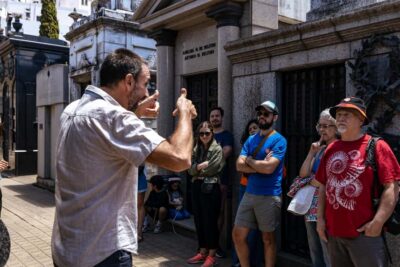
La Boca has a secret route. This small-group walk with Paola De Luca swaps the usual postcard stops for real neighborhood corners, plus a coffee in an old 1882 cafe. I love how you connect big murals to everyday social issues, and I love that you also go inside places many people only see from outside. One possible drawback: you’ll be out for about 150 minutes in La Boca, so plan to move at a steady pace in hot weather.
You’ll start at Martín Rodríguez & Avenida Don Pedro de Mendoza, then follow a route that ends in Caminito. The tour runs in English or Spanish, and the group stays small (up to 10), which matters in a place that can get crowded around the most famous streets.
Best of all, the price includes key entry stops (the firefighter station and the conventillo) and a coffee. Food is not included, and if you want the Museum of Fine Arts of La Boca (tied to Benito Quinquela Martín), that ticket isn’t part of this tour.
In This Review
- Key things that make this La Boca tour worth your time
- What Makes This La Boca Walk Different From the Usual Photos
- Meet at Pedro de Mendoza and Martín Rodríguez, Then Get Oriented Fast
- Harbor, Warehouses, and the Train-Arrival Story Behind La Boca
- Going Inside a Conventillo: Corrugated-Metal Tenement Life
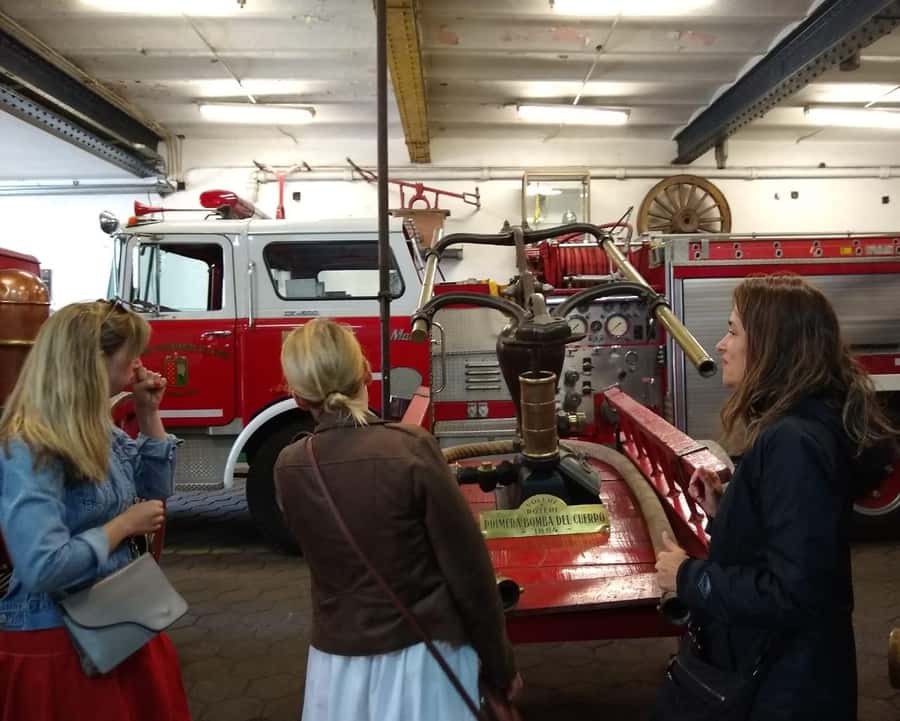
- Mutual Assistance in Action: The First Volunteer Firefighter Station
- Boca Street Art With Context: Murals, Social Issues, and Meaning
- A Typical Boca House Inside: Art, Friends, and Real Daily Life
- Caminito Finish: Tango Corners and Fileteado Details
- Coffee Break in a Notable Cafe from 1882
- Price and Value: Is $35 Really Fair for 150 Minutes?
- Practical Tips to Enjoy It Without Hating It
- Should You Book This Tour?
- FAQ
- How long is the La Boca Out off the Beaten Track experience?
- Where does the tour start and where does it end?
- What’s included in the price?
- What isn’t included?
- What languages is the guide speaking?
- Is it a small group?
Key things that make this La Boca tour worth your time
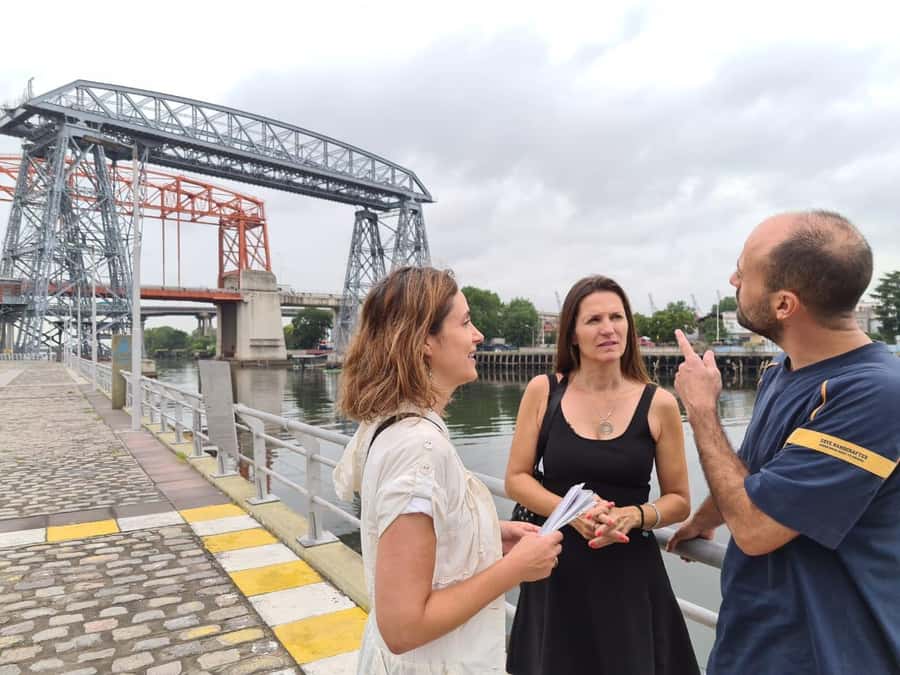
- Paola De Luca, a neighbor-level guide: she shares personal context from growing up in La Boca, not just facts from a signboard
- Argentina’s first Volunteer Firefighter Station: you’ll see a mutual-aid institution that shaped local life
- Inside a conventillo (immigrant tenement): corrugated-metal housing turned cultural center gives the history a physical feel
- Murals with social meaning: you’ll learn what the street art is responding to, not just what it looks like
- Caminito at the end, with tango and fileteado: you finish where the colors are strongest, after the story is in place
What Makes This La Boca Walk Different From the Usual Photos
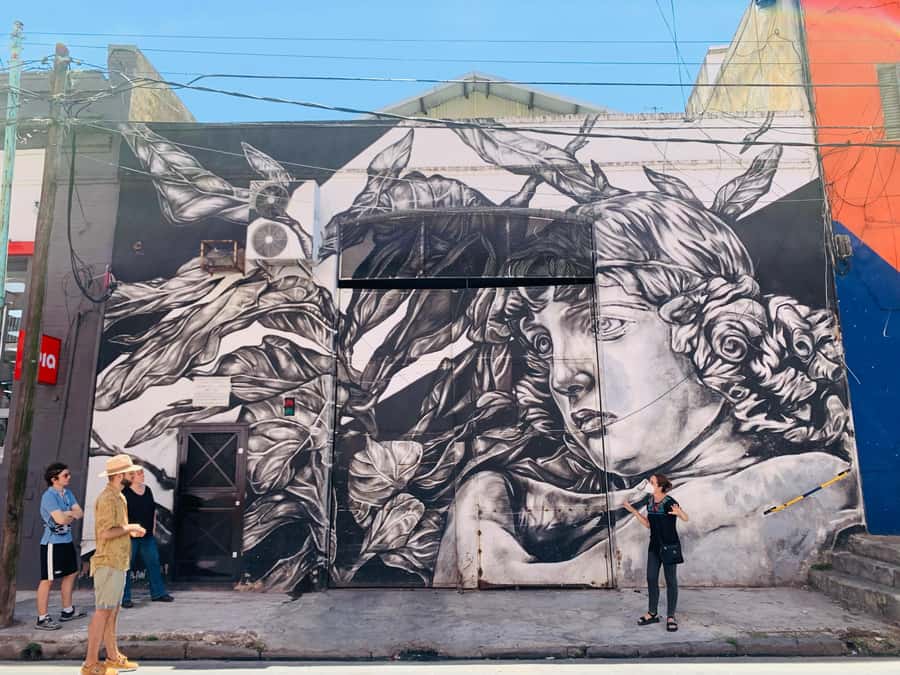
La Boca gets reduced to bright paint, tango music, and a few famous angles. This tour keeps that color, but it adds the missing stuff: why the neighborhood looked the way it did, who lived there, and what communities built to survive.
I like that it’s not just “see the mural, take the photo, move on.” You’ll get guidance on how the art reflects social issues and identity, and you’ll also step into spaces that explain how immigrants lived when the city was still changing fast.
And yes, Caminito is part of the route. But you reach it after you’ve already understood the layers behind it—so the last stretch lands with more meaning than it would if you arrived cold.
You can also read our reviews of more tours and experiences in Buenos Aires.

Meet at Pedro de Mendoza and Martín Rodríguez, Then Get Oriented Fast
The experience begins right in La Boca, at the corner of Pedro de Mendoza and Martín Rodríguez. Starting here helps you avoid that awkward feeling of being dropped somewhere famous without context.
From the start, you’ll get oriented to the area’s rhythm: harbor-side industry, immigrant arrivals, and the streets where local culture grew. With a small group (10 max), questions are easier to ask, and the guide can keep an eye on pacing—especially on bright, hot days.
Language support matters too. This is a Spanish/English live guided tour, and one of the standout themes from feedback is that Paola’s English is excellent. If you worry about losing nuance, that comfort helps a lot.
Harbor, Warehouses, and the Train-Arrival Story Behind La Boca
Before you reach the most painted streets, you’ll be guided through the area’s working side—think harbor and warehouses—and a picturesque train station where immigrants arrived in large numbers.
This is a smart setup. La Boca’s art didn’t appear in a vacuum. The neighborhood’s look and symbols grew out of waves of people arriving with hopes, skills, and limited resources. When you see the harbor-and-rail story early, the later stops (houses, murals, mutual-aid buildings) make more sense.
Expect a mix of views and walk-through explanations. The pace is designed for around 150 minutes total, so you won’t feel like you’re doing a marathon, but you will be moving.
Going Inside a Conventillo: Corrugated-Metal Tenement Life
One of the most tangible parts of the tour is when you enter a conventillo, a corrugated metal-clad tenement house that once sheltered immigrants and now hosts a cultural center.
This stop is where history becomes physical. Conventillos weren’t just “housing”—they were survival systems. The layout and the materials tell you how people adapted to tight spaces and real constraints. Once you’ve seen that, the street art and neighborhood institutions feel less like decoration and more like community memory.
A useful thing here: this is an entry stop included in the price. If you’re the type who usually skips museum tickets, you’ll still get that inside-and-understanding payoff during this tour.
Mutual Assistance in Action: The First Volunteer Firefighter Station
You’ll also visit one of the neighborhood’s mutual assistance associations, and it’s a standout: the Volunteer Fire Department, noted as the first in all Argentina.
Why this matters: in communities like La Boca, formal support wasn’t always available the way people expect today. Mutual-aid groups helped keep people safer and connected. Firefighting wasn’t just about flames—it was about protection, coordination, and trust.
Entry to this station is included, so you’re not just peeking from the street. It’s a calmer kind of stop than murals, but it helps balance the emotional tone of what you’ll hear about social pressures and rootless communities.


Boca Street Art With Context: Murals, Social Issues, and Meaning
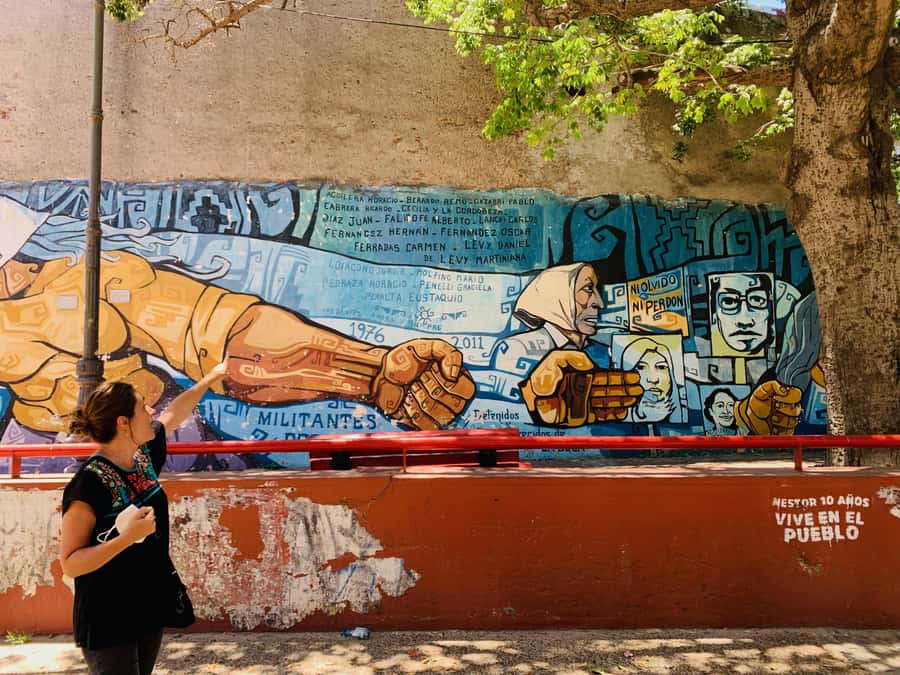
La Boca is famous for mural-covered walls. What this tour does well is explain what you’re looking at—so you don’t just walk away with a set of photos.
You’ll spend time focusing on large murals and streets not much visited. The stories connect the art to social issues and the neighborhood’s identity. The effect is that the art starts to feel like local commentary: people drawing on whatever they had—paint, style, symbols—to talk back to their reality.
You’ll also notice older buildings linked to anarchist newspapers and bordellos in the early 20th century. That’s a heavy theme, and you’ll get context for why those spaces existed. If you prefer only cheerful cultural stops, this might feel intense—but it’s part of understanding how La Boca became La Boca.
The guide also points out two local icons: football and religion. You’ll see Boca Juniors Stadium from outside (you don’t go inside on this tour), and you’ll learn about the Salesian Church, which worked as refuges for communities without roots.
A Typical Boca House Inside: Art, Friends, and Real Daily Life
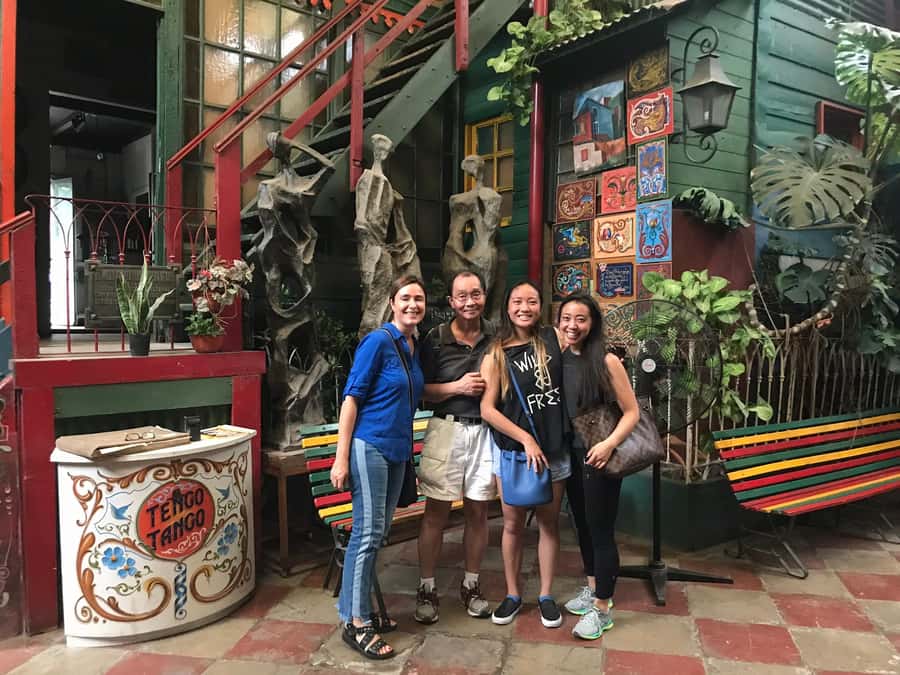
Another high point is a visit to a typical Boca house linked to great Boca artists and friends of the guide. This is where you get away from the “performance” version of La Boca and closer to how creativity sits inside ordinary life.
What you’ll appreciate here is the tone: not a scripted lecture. The guide’s personal connection helps explain why certain themes show up again and again in Boca art. And because the group is small, it’s easier to actually ask questions and learn the backstory of what you’re seeing.
Even if you’re not an art nerd, it’s still a strong stop. It gives you a sense of materials, style, and symbolism in a setting that feels lived-in rather than staged.
Caminito Finish: Tango Corners and Fileteado Details
You finish in Caminito. By the time you arrive, you already understand the neighborhood’s immigrant and mutual-aid background, so the famous street feels less like a theme park.
Caminito is where you’ll find tango and fileteado details in every corner. Fileteado is that hand-painted lettering style—part art, part identity. It’s the kind of thing that looks best when you stop and stare for a minute, not when you just pass through.
This is also the moment when you get to relax a bit after the story-heavy earlier stops.
Coffee Break in a Notable Cafe from 1882
After walking, you’ll take coffee in an old notable cafe from 1882. This is included in the price, so you’re not hunting for a place mid-tour.
It’s a nice contrast to the heavy themes you’ll hear earlier. You get a break that still fits the local vibe: old Buenos Aires meets La Boca street culture, served in a classic setting.
If you tend to run hot, this pause also helps you reset before you wander on your own.
Price and Value: Is $35 Really Fair for 150 Minutes?
At about $35 per person for a roughly 150-minute experience, you’re not just paying for a guide—you’re paying for included entry access plus a coffee.
Included highlights worth noting:
- entry to the Volunteer Firefighter Station
- entry to the conventillo cultural center
- coffee at the end
What’s not included:
- food (so plan on eating separately)
- Museum of Fine Arts of La Boca ticket, if you want to add it (some of the building is tied to Benito Quinquela Martín)
When I think about value, the key is whether the tour gives you more than a walk. This one does. It includes inside access to places tied to daily life and community support, and those are harder to replicate on your own unless you already know exactly where to go.
Practical Tips to Enjoy It Without Hating It
A few things can make or break your experience in La Boca.
- Wear comfortable shoes. You’ll be walking between multiple neighborhood spots for about 150 minutes.
- Bring water and pace yourself. The route is outdoors for much of the time, and the guide is attentive to wellbeing in hot weather.
- Be mindful of restrictions: no jewelry, and no alcohol or drugs are allowed during the experience.
- Electric wheelchairs aren’t allowed, and the tour is listed as not suitable for people over 95 years, so consider mobility and stamina honestly.
- Since food isn’t included, eat before you go or plan a meal after. The coffee is the included break, not dinner.
If you’re the type who likes photos, you’ll get them. But the better payoff is when you actually listen and connect the stories to what you’re seeing.
Should You Book This Tour?
Book it if you want La Boca beyond the usual photos. This works especially well if you care about how neighborhoods form—immigration, mutual aid, local art, religion, and football all woven into the same street-level reality.
Skip it (or consider an alternative) if you only want light, entertainment-style sightseeing. Some stops touch on the darker sides of early 20th-century La Boca life, and you’ll hear context rather than just upbeat trivia.
Also, if you’re short on time, the structure still helps: you get a meaningful route, two real inside entries, and a classic coffee finish in about 2.5 hours.
Overall, this is the kind of tour that makes La Boca feel human. You’ll leave with images, sure—but more importantly, you’ll leave with reasons.
FAQ
How long is the La Boca Out off the Beaten Track experience?
It lasts about 150 minutes.
Where does the tour start and where does it end?
It starts at the corner of Pedro de Mendoza and Martín Rodríguez in La Boca, and it ends in Caminito.
What’s included in the price?
The tour includes entry to the Firefighter Station, entry to the Conventillo, and coffee.
What isn’t included?
Food isn’t included. If you want to visit the Museum of Fine Arts of La Boca, the ticket isn’t included in this tour.
What languages is the guide speaking?
The live guide offers Spanish and English.
Is it a small group?
Yes. The group is limited to 10 participants.