REVIEW · BUENOS AIRES CITY TOURS
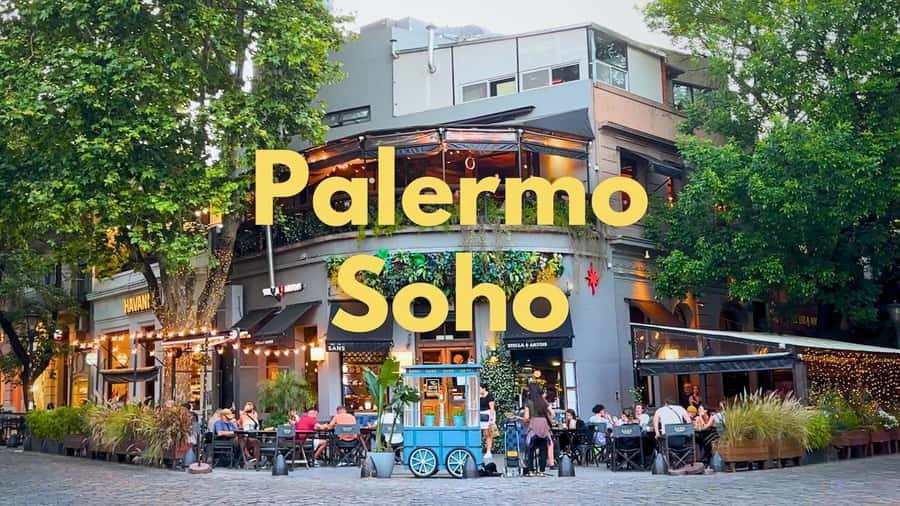
Palermo SoHo for curious people
Book on GetYourGuide →Operated by Social&Cultural · Bookable on GetYourGuide
Palermo SoHo has a second story. This 2-hour walk through Buenos Aires tackles the neighborhood’s real roots and its SoHo makeover, with an anthropologist who pushes you to ask questions and talk back. I like that it’s anthropology-led, not a stroll of random facts, and I also love the way it connects the street you’re standing on to bigger ideas like gentrification and immigration. One thing to consider: this isn’t a silent, sightseeing-only route, so you’ll get more out of it if you’re comfortable chatting in a small group.
You start near Distrito Arcos, then head through key passages and community spots before ending at Plaza Serrano, where the neighborhood’s present vibe is easy to feel. Along the way, the guide brings up the kinds of topics that usually get skipped: how train and tram lines relate to the neighborhood’s origin, who the first inhabitants were, and when Palermo started getting labeled SoHo and pulled in tourists, chic bars and restaurants, and even avocado toast and sourdough bakeries. You also get the practical side of change—real estate speculation tied to Argentine peso devaluation, plus why there are two exchange rates people talk about in this context.
If your ideal tour is mostly photos and zero discussion, you might find the pace a bit more conversation-heavy than you want. But if you like neighborhoods as living systems—people, money, infrastructure, and identity—this one has the right energy.
In This Review
- Key things to look forward to on this Palermo SoHo walk
- Why Palermo SoHo feels different on this tour
- Meeting at Distrito Arcos near Montagne: get your bearings fast
- Puente Pacífico: the infrastructure clue for the neighborhood’s origin
- Polo Científico Tecnológico: present-day identity and future pressure
- Pasaje Emilio Zola: why the passages matter in a city that hides stories
- Ukrainian cultural association: immigration memory in everyday places
- Food-and-culture stops: El Preferido, Don Julio, and Klub Polaco
- Plaza Inmigrantes de Armenia: the story behind the name
- Helados Italia break: 15 minutes to talk without rushing
- Pasaje Russel: where the tour lands before Plaza Serrano
- Finishing at Plaza Serrano: turn the conversation into your next move
- Price and time: what $25 for 2 hours gets you
- Who should book this Palermo SoHo for curious people
- Should you book this Palermo SoHo walking tour?
- FAQ
- How long is the Palermo SoHo walking tour?
- Where does the tour start and where does it finish?
- What languages is the tour offered in?
- Is this tour a quiet, listen-only experience?
- Is the tour wheelchair accessible?
- How much does it cost?
Key things to look forward to on this Palermo SoHo walk
- Anthropologist-led discussion that’s built for questions, not passive listening
- SoHo-to-Palermo context, including how the name and image shifted over time
- Immigration history stops that show who built the neighborhood before the hip branding
- Gentrification and real estate talk, including ties to peso devaluation and exchange rates
- Small-group feel, with private or small-group options available
- A real mid-walk break at Helados Italia so you can reset and keep talking
Why Palermo SoHo feels different on this tour
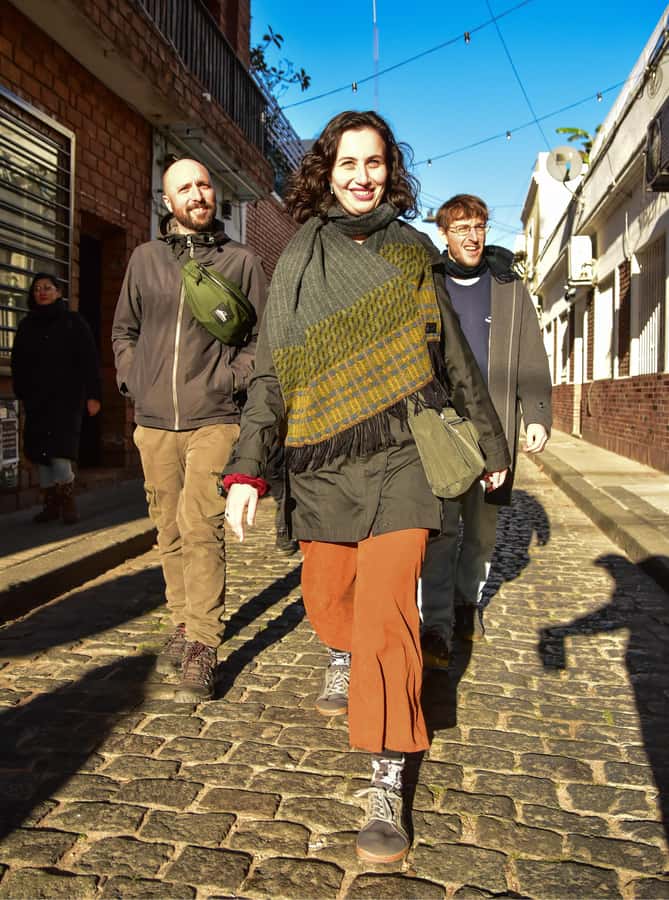
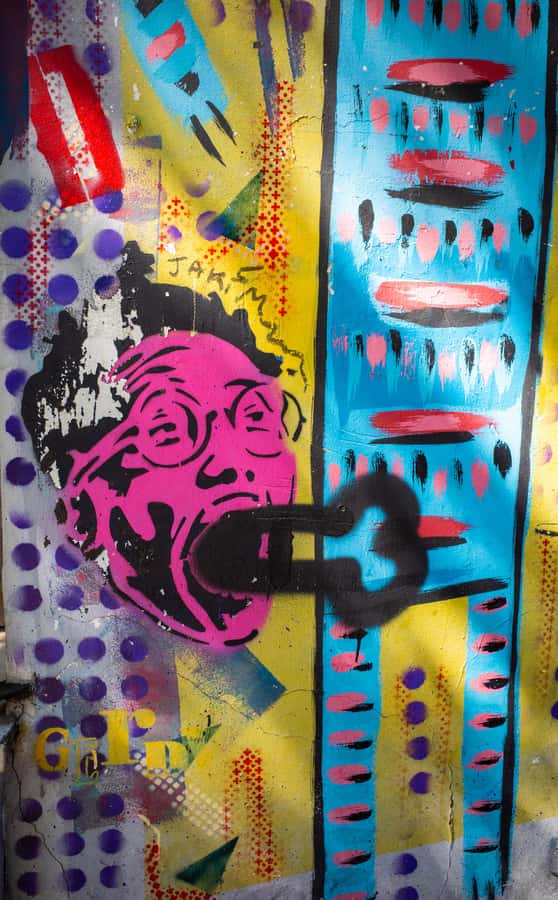
Palermo SoHo is famous for looking effortless: stylish storefronts, busy streets, and that Buenos Aires mix of art, food, and nightlife. The catch is that the story behind the look is usually edited down to trendy vibes. This walk refuses to do that.
You’ll spend time on how neighborhoods get rebranded—first by infrastructure and residents, later by markets and visitors. The guide frames questions you can actually see answered on the sidewalk: why certain transit routes mattered, who arrived first, and when the area went from local daily life to a destination people come to. Then you zoom out again to money: real estate speculation, peso devaluation, and why two exchange rates can matter when prices and rent decisions get made.
That’s what makes the tour useful. You don’t just leave with better photo angles. You leave with a sharper sense of how Palermo SoHo works.
You can also read our reviews of more tours and experiences in Buenos Aires.

Meeting at Distrito Arcos near Montagne: get your bearings fast
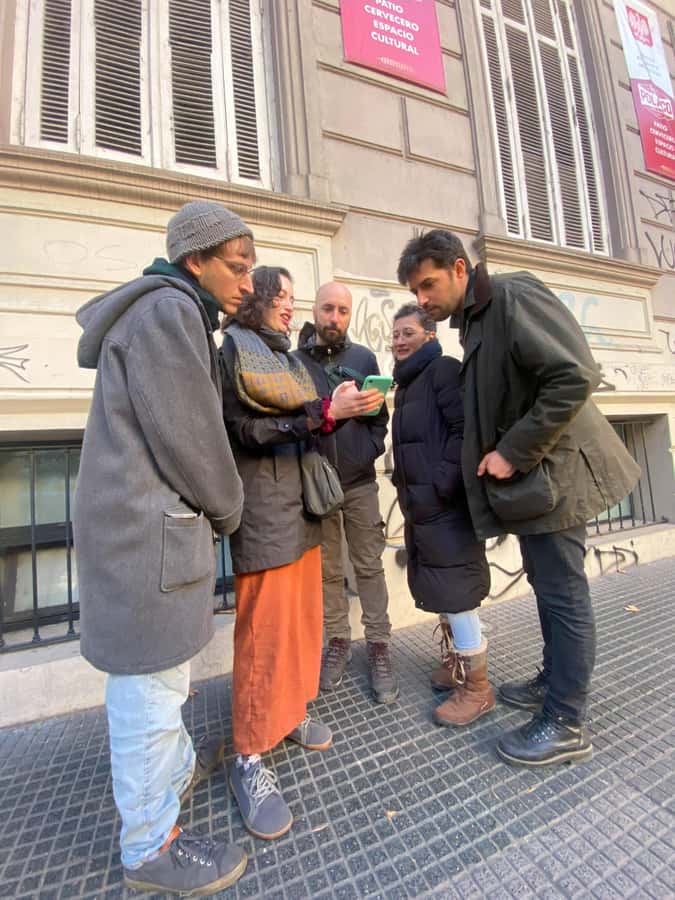
You’ll meet by the amphitheater of Distrito Arcos, right next to the Montagne store. This is a solid starting point because it lets you begin with orientation rather than confusion—especially if you’re trying to fit the walk into a larger Palermo plan.
From the start, the guide sets expectations: you’re going to talk. You’ll be encouraged to question and respond, and the experience is built around discussion rather than a checklist of sights. That matters because it changes how you process what you see. Instead of memorizing names, you start noticing patterns.
If you’re someone who likes to compare neighborhoods—what changes, what stays—you’ll also appreciate the way the conversation keeps returning to the same themes: origin, transformation, and what might come next.
Puente Pacífico: the infrastructure clue for the neighborhood’s origin
Puente Pacífico gets your attention early in the route, and that’s intentional. Here’s where the tour’s big origin question starts to make sense: what the train and the tram have to do with why Palermo developed the way it did.
Even if you don’t know local transit history, you can still follow the logic. Infrastructure shapes movement. Movement changes who passes through, who settles nearby, and what businesses grow. The guide uses these stops as conversation triggers, not as museum displays.
Expect a short guided segment (about 15 minutes) where you’ll slow down and connect the built environment to social change. It’s the kind of moment where you might look at a structure and realize it’s really a timeline.
Polo Científico Tecnológico: present-day identity and future pressure
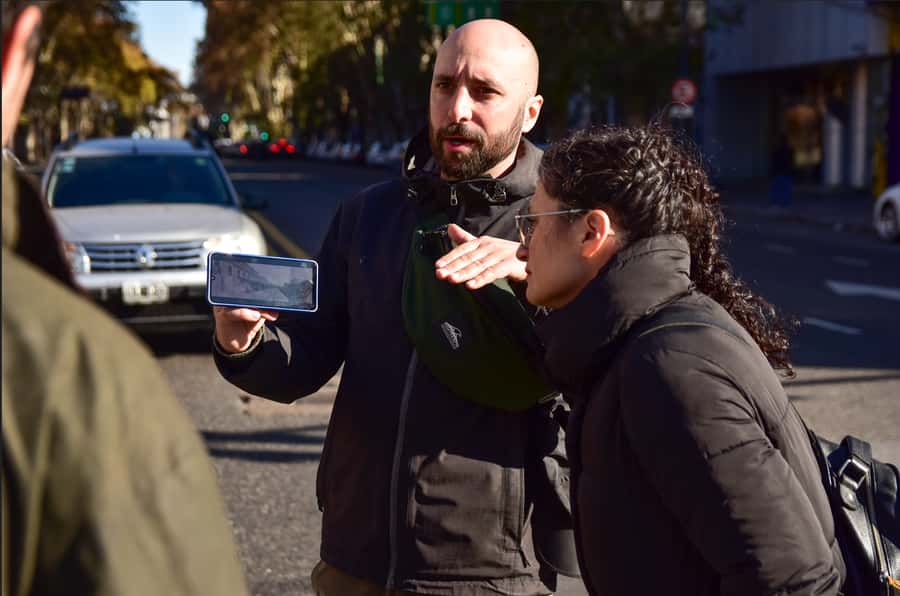
Next comes Polo Cientifico Tecnologico with a longer guided stop (about 20 minutes). This is where the tour shifts from origin to modern identity—how certain zones gain status and pull in different kinds of investment and attention.
If you’ve ever wondered why some areas suddenly feel more expensive, more coded, or more brand-friendly, this is the bridge. The conversation ties urban desirability to economics, and economics to real-world decisions like where people work, what kind of services appear, and how rent pressure changes the mix of residents and businesses.
You won’t get a lecture dump. You’ll get prompts and back-and-forth. The payoff is that you start understanding gentrification as a chain reaction rather than a single villain.
Pasaje Emilio Zola: why the passages matter in a city that hides stories
Pasaje Emilio Zola is a short visit (about 10 minutes), but it’s a good example of how Palermo SoHo’s character lives in the details. Passageways like this are where the neighborhood’s design language becomes visible: tight movement, small businesses, and street-level texture.
This stop is useful because the tour keeps asking how SoHo became SoHo—when the area began attracting tourists and how that shift affected what you see on the ground. You’ll likely notice how quickly a place can feel different once visitors arrive in numbers and spending patterns change.
A drawback to note: because it’s a walking tour with multiple stops, brief segments mean you should stay mentally ready. Bring curiosity, not a strict expectation of long explanations at every point.
Ukrainian cultural association: immigration memory in everyday places
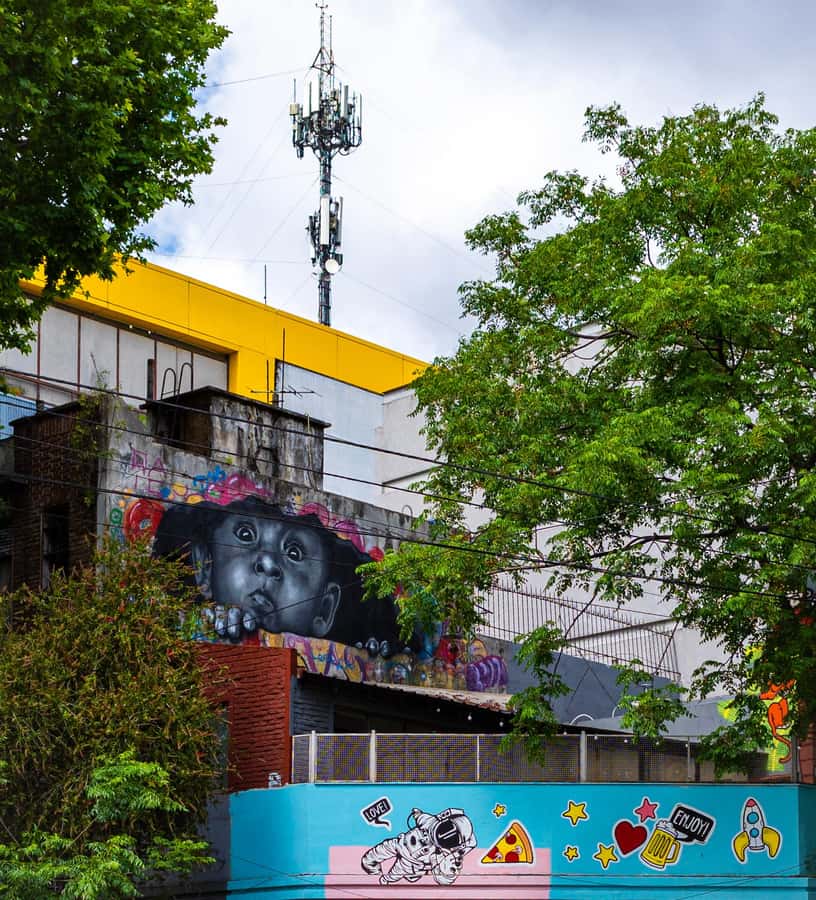
One of the tour’s most meaningful stops is at the Asociacion Ucrania de Cultura PROSVITA en la Republica Argentina (УКТ ПPОСВIТА), with guided time of about 15 minutes. This is part of the itinerary’s immigration thread—the one that often gets buried under the SoHo branding.
Here’s the value for you: you get specific places tied to immigrant community life, not only vague references to migration. The guide uses these sites to answer the question of who the first inhabitants were and how immigrant waves shaped the neighborhood’s identity.
This section is also a reminder that gentrification doesn’t erase history automatically. It can pressure it, reframe it, or push it into the background. A conversation like this helps you read the streets with more respect.
Food-and-culture stops: El Preferido, Don Julio, and Klub Polaco
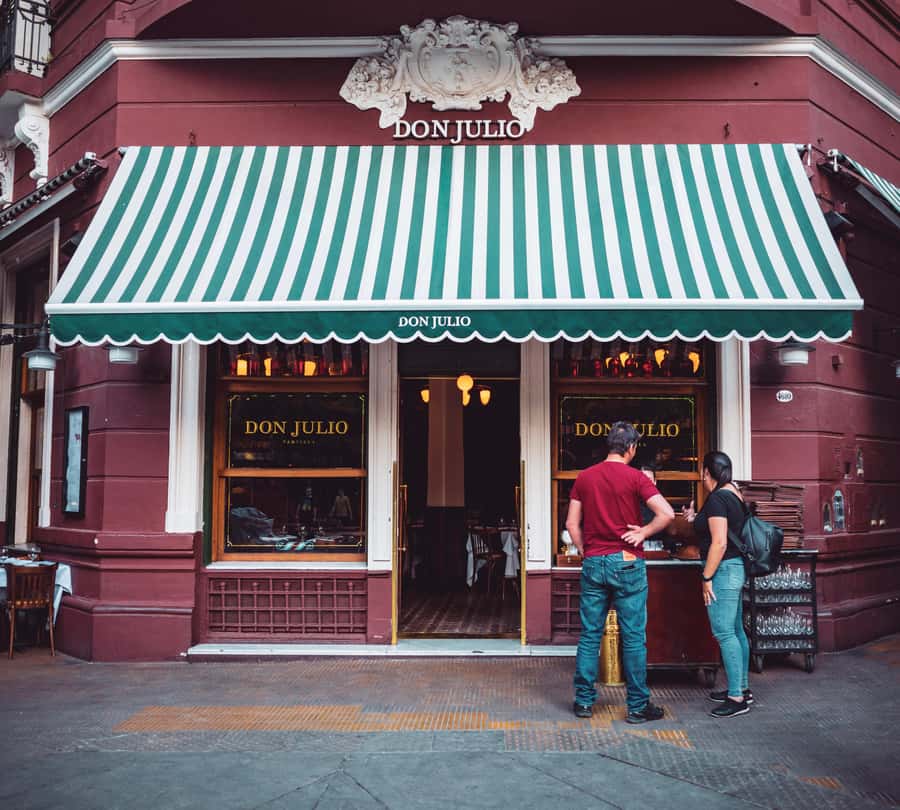
The walking route includes several quick visits (around 5 minutes each) to places such as El Preferido de Palermo and Don Julio Parrilla, plus time at Klub Polaco. There’s also a pass-by moment (about 3 minutes) at ACILBA.
At first, you might assume these are just nice-photo breaks. But on this walk, they’re actually teaching tools. The guide uses well-known food and club-related venues to discuss how Palermo SoHo’s image got shaped—through restaurants, nightlife, and the kind of “cool” that people travel for.
You’ll likely talk about the shift into tourists, chic bars and restaurants, and the modern food branding that shows up as the neighborhood becomes more marketable. It’s also where the tour’s humor often lands: the absurdity of how quickly a place can go from lived-in to curated.
Practical tip: since these are short stops, don’t expect a full meal on this tour route. Use the conversation to learn what to look for later.
Plaza Inmigrantes de Armenia: the story behind the name
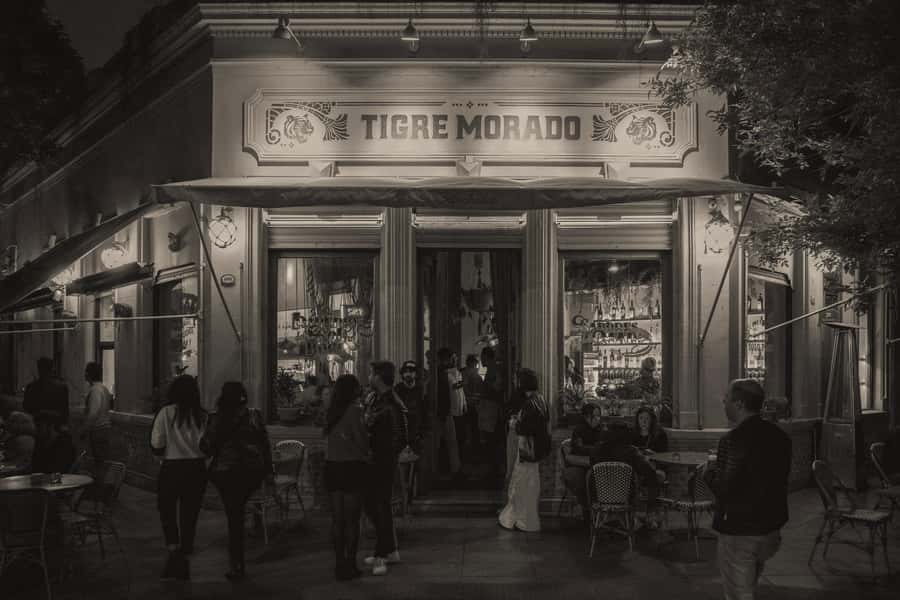
Plaza Inmigrantes de Armenia brings the immigration theme into focus again, with about 10 minutes of guided time. This is another moment where you’ll see how neighborhood identity is written into public space.
It also supports a bigger tour idea: immigration history is not just something that happened elsewhere or long ago. It shows up in institutions, plazas, and community memory—sometimes right in the same area where new visitors come to take photos.
This stop is particularly valuable if you care about reading cities beyond their Instagram layer. You’ll be prompted to connect people, place, and how cultural continuity survives economic change.
Helados Italia break: 15 minutes to talk without rushing
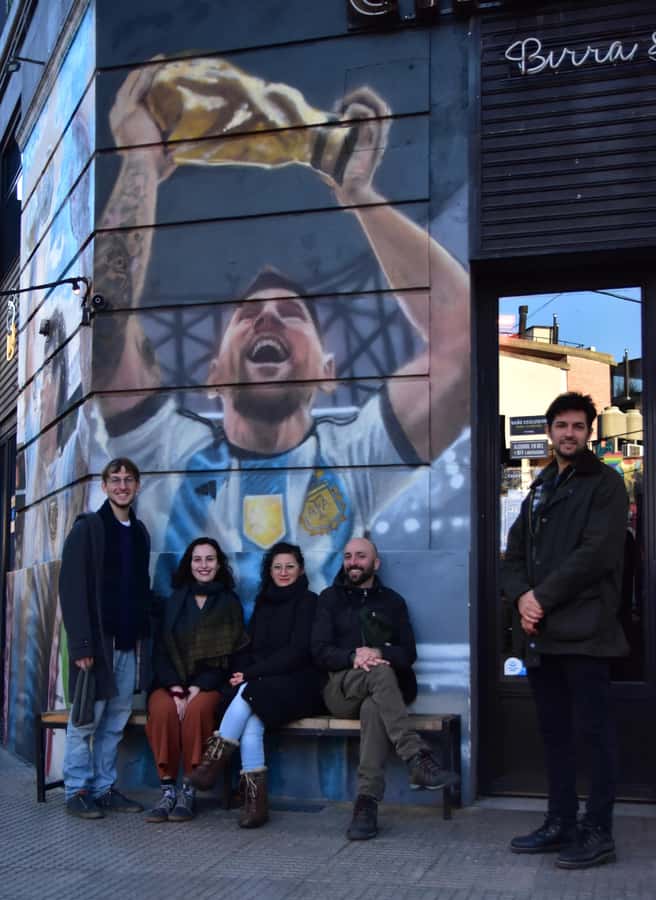
Right after the immigration and community stops, you get a break at Helados Italia (about 15 minutes). This matters more than it sounds. It’s a chance to cool down, grab a treat, and keep the conversation going in a more relaxed way.
If you’re doing this tour while planning your broader day, think of the break as your reset point. Use it to regroup mentally before the last stretch—because the final passage stop will still tie back into the tour’s big themes about how Palermo SoHo is shaped by what comes next.
Pasaje Russel: where the tour lands before Plaza Serrano
Pasaje Russel is another guided stop (about 10 minutes). This is a strong final “street-reading” moment. Passages like this help you notice how Palermo SoHo flows: narrow movement, layered streetscape, and the contrast between old local rhythm and new visitor demand.
By now you’ll have heard the neighborhood story in multiple directions—origin via transit and settlement, transformation through branding and tourism, and pressure via real estate and currency shifts. That means Pasaje Russel becomes more than a cute alley. It becomes evidence.
Finishing at Plaza Serrano: turn the conversation into your next move
The tour ends at Plaza Serrano. This is a logical finish because Plaza Serrano is where the neighborhood’s energy is easy to feel, and you can put your new understanding to work immediately.
If you want to follow up well, use what you learned as your filter. When you see a trend pop up—new bars, food concepts, or storefront changes—ask yourself the tour’s key questions: Who benefits? Who gets priced out? What kind of investment wave is behind this? What’s being celebrated versus what’s being covered up?
The best part is you won’t feel like you finished the story at the last stop. You’ll feel like you can keep reading Palermo SoHo long after the guide leaves.
Price and time: what $25 for 2 hours gets you
$25 per person for a 2-hour guided walking tour is strong value in Buenos Aires standards—especially because the guide isn’t just giving a route with descriptions. You get a university degree guide and a discussion style that includes interaction.
That matters for value. A cheaper tour can still show you buildings, but it might not help you understand why the buildings changed. Here, the price buys context: gentrification, immigration history, and even the neighborhood-level connection to the Argentine peso devaluation and the idea of two exchange rates affecting expectations around property and cost of living.
If you’re only in town for a short time, 2 hours is also a manageable commitment. It fits nicely as your “setup” tour before you wander on your own.
Who should book this Palermo SoHo for curious people
This walk is built for you if you:
- enjoy asking why a neighborhood changed, not only what it looks like
- care about immigration history as a lived, local story
- want to understand gentrification using real, local examples
- like tours where you can chat and challenge ideas politely
It’s also a good pick if you’re a solo traveler who likes structured conversation. Small groups and the option for private tours make it easier to engage rather than sit silently in the back.
If you hate talking on tours, or you want a strictly photo-based route with minimal questions, you may feel less satisfied. You’ll still see key spots, but the real product here is dialogue.
Should you book this Palermo SoHo walking tour?
I think you should book it if you want Palermo SoHo to make sense beyond trendiness. The walking route covers major themes—origin, immigration, gentrification, and the future—and it does it with enough structure that you don’t feel lost, but enough flexibility that your questions matter.
Skip it only if your ideal Buenos Aires experience is passive sightseeing. This is more like a guided conversation while you walk, with real stops tied to how neighborhoods evolve.
If you like the idea of learning while moving—especially with a guide like Nico who brings humor and professionalism into the mix—this is a smart, cost-effective way to get a deeper read on one of Buenos Aires’ most famous districts.
FAQ
How long is the Palermo SoHo walking tour?
It lasts about 2 hours.
Where does the tour start and where does it finish?
You meet by the amphitheater of Distrito Arcos next to the Montagne store, and the tour finishes at Plaza Serrano.
What languages is the tour offered in?
The tour is offered in Spanish, French, and English.
Is this tour a quiet, listen-only experience?
No. It’s designed for discussion and interaction, so you’ll be encouraged to chat, ask questions, and share your thoughts.
Is the tour wheelchair accessible?
Yes, it’s wheelchair accessible.
How much does it cost?
It costs $25 per person.