REVIEW · HISTORICAL TOURS
Buenos Aires: Historic Buenos Aires Landmarks & Icons Tour
Book on GetYourGuide →Operated by daddiescuriosos · Bookable on GetYourGuide
Buenos Aires can feel huge. This tour keeps you focused, with a tight route through the city’s most important buildings and squares. You’ll get photo stops, short guided visits, and a clear storyline for what you’re looking at.
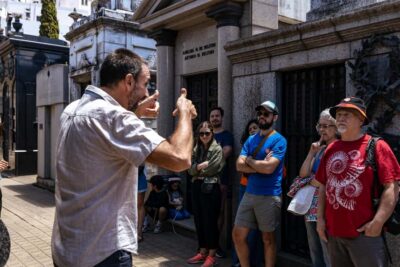
I especially love the combo of big national icons (Casa Rosada, Plaza de Mayo) and places that explain how the city was built over time (Cabildo, Manzana de las Luces, Garay Monument viewpoint). The other win is the guide: Miguel’s passion comes through, and his explanations land fast—so you’re not just staring at architecture.
The one caution is simple: this is a mostly outdoor walking tour, and the route is not set up for mobility impairments or wheelchair users. If your legs are sensitive or the weather is rough, plan accordingly.
In This Review
- Key points to know before you go
- A 150-Minute Walking Route Through Buenos Aires’ Most Recognizable Places
- Meet at Plaza de Mayo: The Best Starting Point for Getting Your Bearings
- Central Bank Building (Former Convent): The Past Hiding in Plain Sight
- From the Cultural Center (Old Post Office Palace) to the Garay Monument View
- Casa Rosada and Plaza de Mayo: Icons You’ll Understand, Not Just Recognize
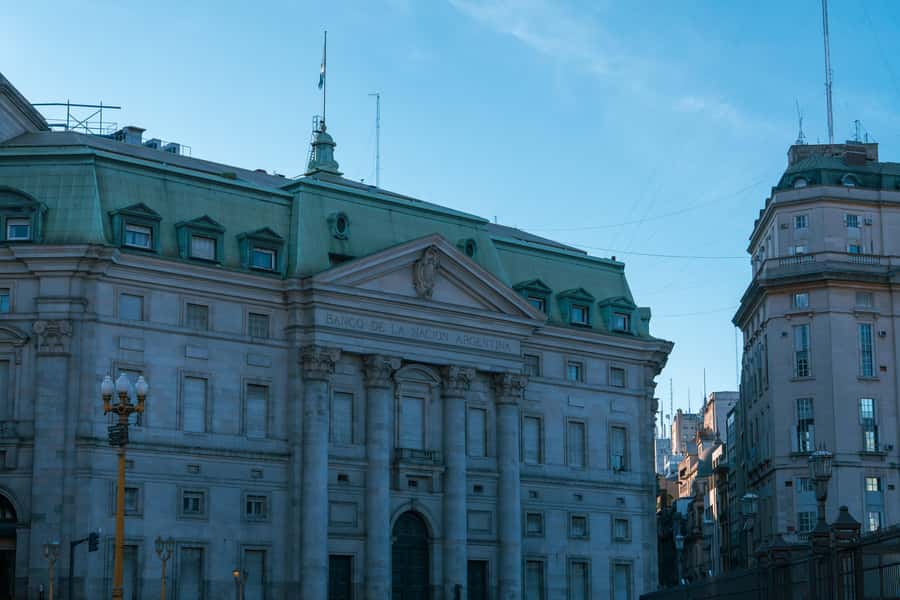
- The Bank of the Argentine Nation Building: Another Power Structure, Another Story
- Buenos Aires Metropolitan Cathedral: A Photo Pause With Context
- Cabildo of Buenos Aires: Where City and Nation History Overlap
- Manzana de las Luces: Architecture and a School of Meaning
- Museo del Bicentenario: Artworks and Presidential Relics
- City Legislature and Its Tower Clock: A Change of Architectural Mood
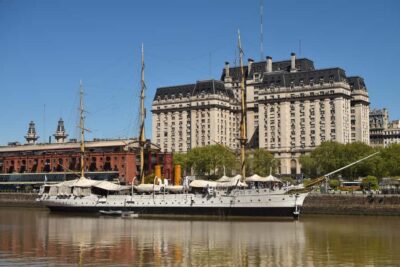
- Ministry of Defense Building: Big Size, Better Views
- National Customs House and Comic Strip Plaza: Finish With a Strong Sense of Place
- Price and Pace: Is $20 Good Value for This Route?
- What I’d Pack (And Why) for This Kind of Buenos Aires Walk
- The Guide Makes the Difference: Miguel’s Style
- Should You Book This Tour?
- FAQ
- Where is the meeting point?
- How long is the tour?
- How much does it cost?
- Is food included?
- What’s included in the tour?
- What language is the tour guide?
- Is the tour mostly outdoors?
- What should I bring?
- Is this tour suitable for wheelchair users or people with mobility impairments?
- Can I cancel for a refund?
Key points to know before you go
- Miguel’s storytelling brings context to every major stop, not just names and dates
- 150 minutes, packed with landmarks you can actually connect into a single walking “lesson”
- Plaza de Mayo as your anchor helps you understand the political heart of the city
- Multiple building styles in one route from colonial-era leftovers to later monumental façades
- Great photo timing built in at Casa Rosada, Garay Monument, and key plazas
A 150-Minute Walking Route Through Buenos Aires’ Most Recognizable Places
Buenos Aires has a lot to see, but not all of it helps you understand the city. This tour is built for the opposite: a short walk that turns famous landmarks into something you can place in your mental map. You’re not bouncing randomly across the city—you’re moving through the historic center like it’s a timeline you can follow with your own eyes.
At $20 per person for about 150 minutes, this is solid value if you like context. You get a live Spanish-speaking guide, multiple stops with guided time, and several scenic viewpoints and photo moments where the city looks its best. For first-timers, that combo can save you hours of guessing.
You can also read our reviews of more historical tours in Buenos Aires


Meet at Plaza de Mayo: The Best Starting Point for Getting Your Bearings
You meet near the flagpole at Plaza de Mayo. That matters more than it sounds. When your tour begins at the center of the action, you’re immediately oriented—this is where politics, power, and public life have been staged for a long time.
Plaza de Mayo also makes the pacing easier. You’ll be walking a lot (comfortable shoes are a must), but the stops are close enough that you don’t spend your limited tour time in transit. The “landmark chain” works because Plaza de Mayo is the hub that connects what comes next.
Central Bank Building (Former Convent): The Past Hiding in Plain Sight
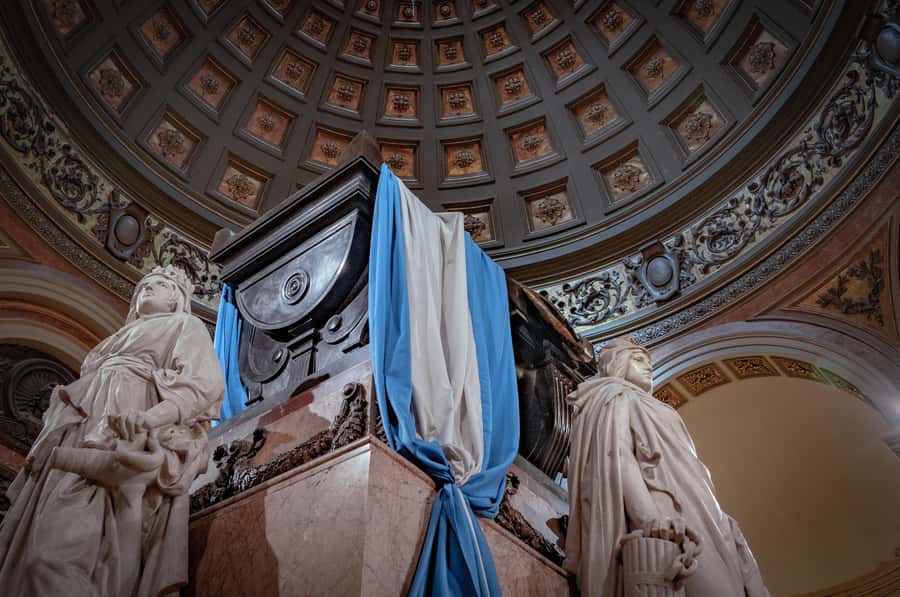
The tour starts exploring the Central Bank of the Argentine Republic, a building that used to be the San Ramón Nonato Convent. This kind of stop is why the tour feels more satisfying than a simple photo circuit. You’re looking at a structure that has lived multiple lives, and the story helps you notice details you’d otherwise skip.
Even if you’re not an architecture person, the concept is easy: the same walls can hold different eras of Buenos Aires. That’s a theme you’ll keep seeing throughout the route—old foundations, new roles, and changing uses of prominent land.
From the Cultural Center (Old Post Office Palace) to the Garay Monument View
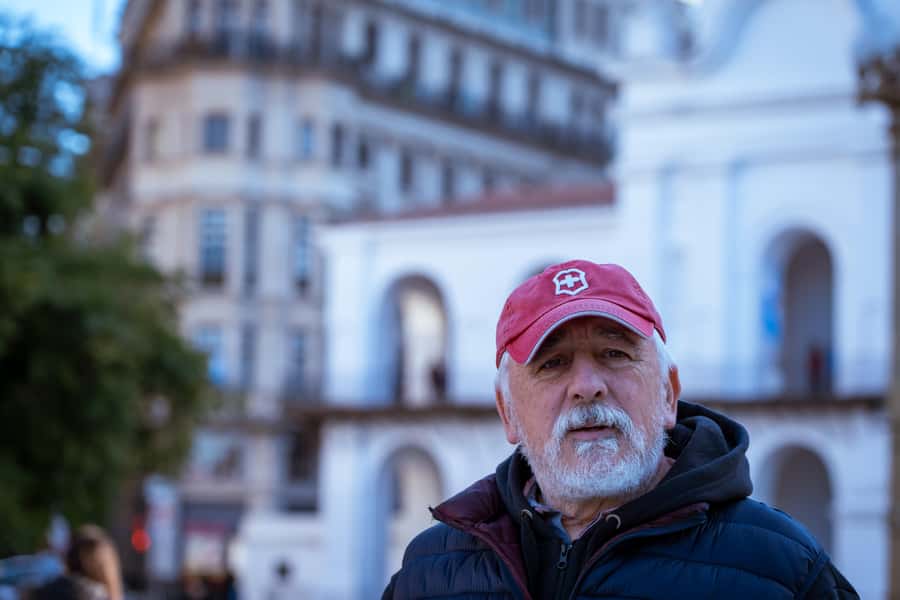
Next up is the Cultural Center, formerly the grand post office palace, and tied to the site of Buenos Aires’ second founding. This stop does two jobs at once: it gives you history, and it gives you a viewpoint.
The Garay Monument marks the area, and the view of the historic center is one of the moments where the city clicks. You finally see the layout you’ve been hearing about—streets radiating out, big civic buildings clustered together, and the sense that the center was designed to impress.
Practical note: because this portion includes outdoor time and photo pauses, plan for sun. Bring your hat and sunscreen, especially if you’re touring in warmer months.
Casa Rosada and Plaza de Mayo: Icons You’ll Understand, Not Just Recognize
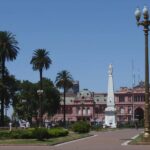
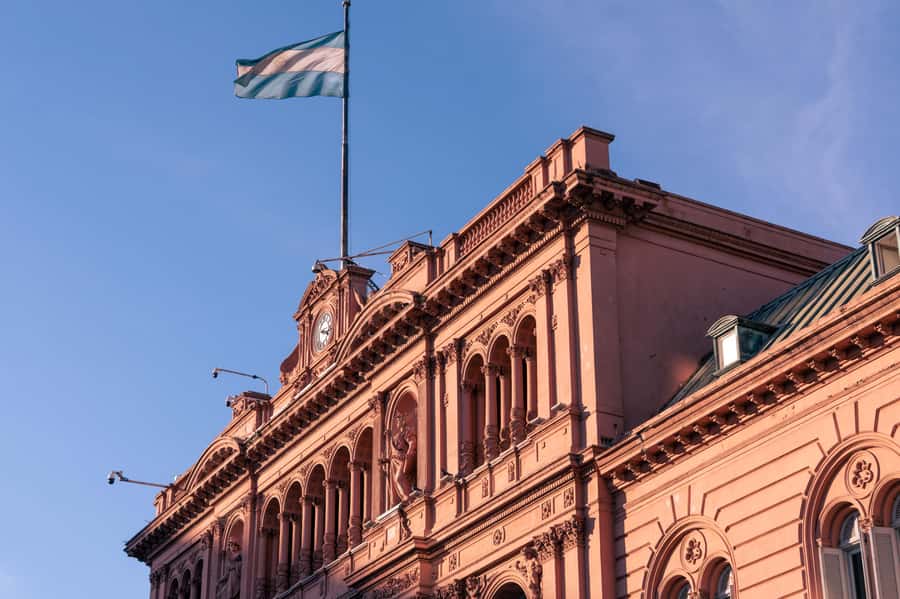
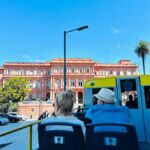
Casa Rosada gets a photo stop plus a guided look, and then you’re back into the atmosphere of Plaza de Mayo. Casa Rosada is Argentina’s most recognized presidential image, but the guide’s job is to connect the building to why Plaza de Mayo is so important.
This is where you start seeing the city’s “public stage.” On a clear day, Casa Rosada and the surrounding civic buildings create a strong visual contrast—massive institutional façades meeting open space filled with people. Even if you’re not into politics, the setting helps you grasp why this square keeps showing up in national stories.
If you’re the type who likes to photograph buildings with meaning, don’t rush here. The tour includes guided time, so you’ll know what to look for before you raise your camera.
The Bank of the Argentine Nation Building: Another Power Structure, Another Story
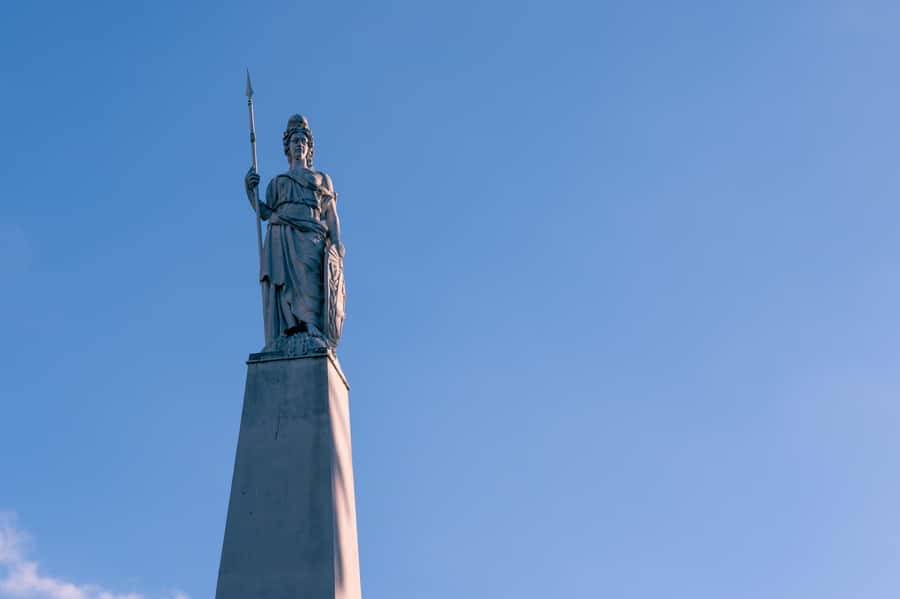
As you move through the historic center, you also see the impressive Bank of the Argentine Nation building. This stop works because it’s not just a beautiful façade—it’s another clue in the same puzzle.
Big institutions in big squares often reflect how a city organizes trust and control. The guide’s commentary helps you read these buildings as more than landmarks. They’re part of the city’s system, and that makes you notice symmetry, scale, and placement.
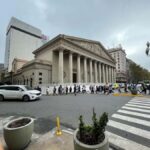
Buenos Aires Metropolitan Cathedral: A Photo Pause With Context
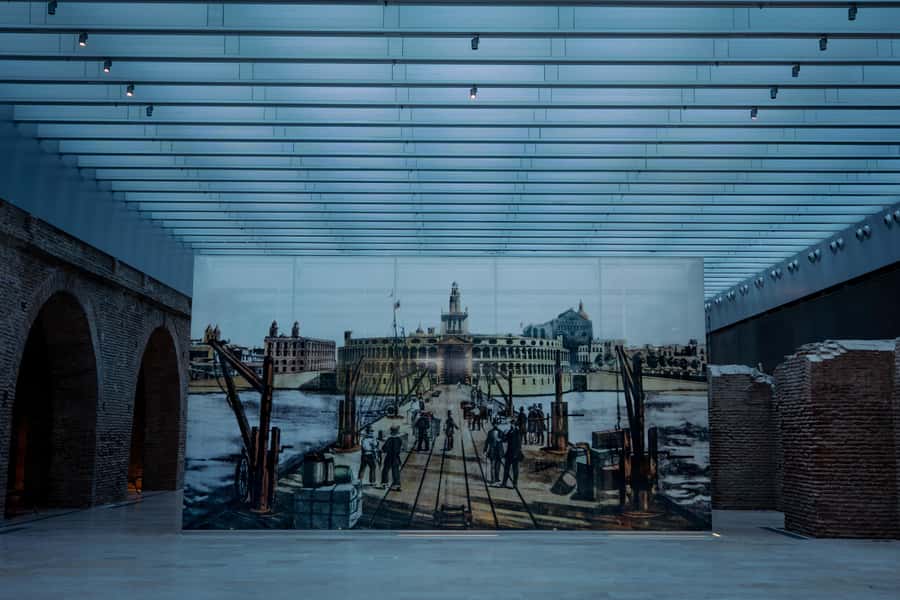
The tour includes a photo stop and guided visit at the Buenos Aires Metropolitan Cathedral. Cathedrals in Latin American cities usually do more than host services—they mark a civic level of importance. Here, the guided time helps you connect the church to the square’s role in public life.
If you’re sensitive to long entrances or crowds, you’ll appreciate that the stop includes both a structured photo moment and a focused visit time. You get time to look without getting stuck in a slow, open-ended walk.
Cabildo of Buenos Aires: Where City and Nation History Overlap
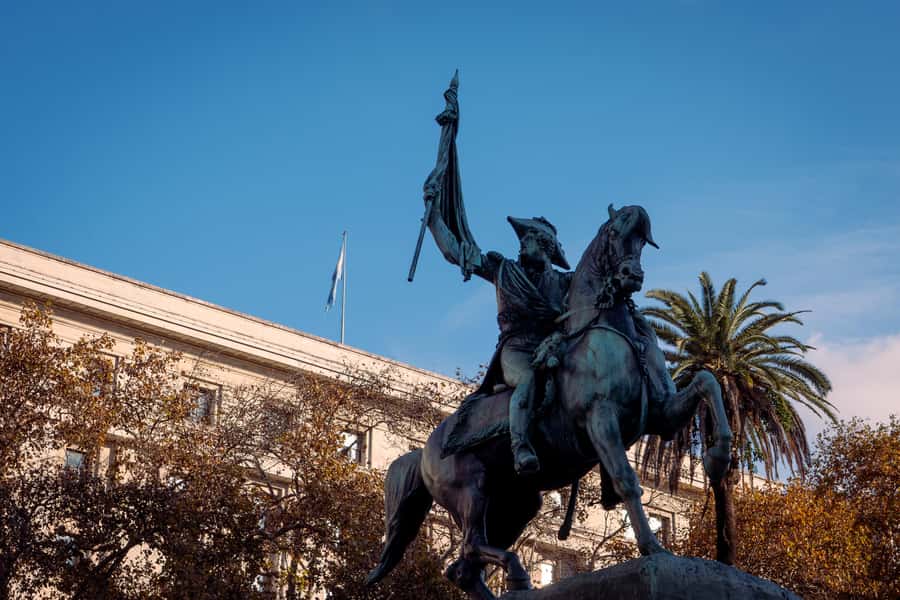
The Cabildo is a highlight because it’s a museum preserving the history of the city and nation. This is the kind of stop that can turn a “pretty building” into a clearer understanding of how Buenos Aires grew into its modern role.
You’ll have photo time and guided visit time here as well. The value is in the explanation: Cabildo buildings tend to be about governance, decisions, and how public authority was practiced. That theme ties back to Plaza de Mayo, so you start to see cause and effect instead of isolated facts.
Manzana de las Luces: Architecture and a School of Meaning
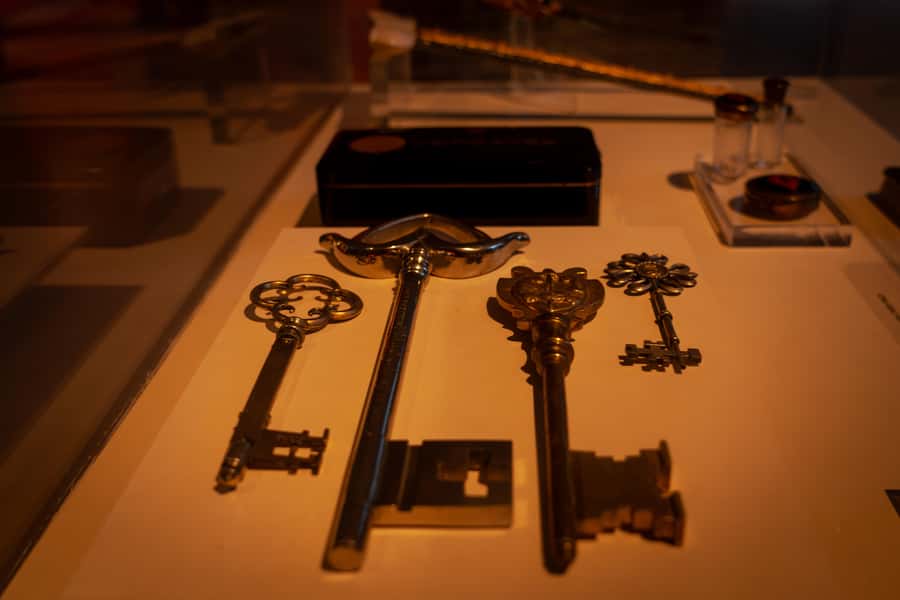
Manzana de las Luces shows up as a photo stop and guided visit, and it’s one of those stops that makes the walking tour feel like more than standard sightseeing. The name points you toward education and ideas, and the guide’s route helps you understand why this area matters in Buenos Aires’ story.
This is also a good moment to slow down. You’re surrounded by layers—different structures from different eras, all within walking distance. A guided explanation helps you see how the city reused space and reinforced its identity over time.
Museo del Bicentenario: Artworks and Presidential Relics
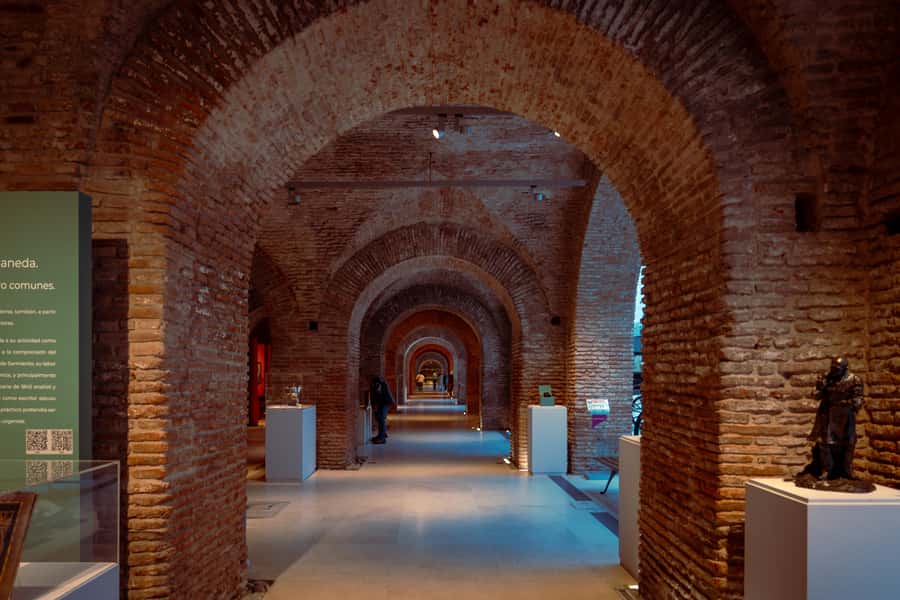
The Museo del Bicentenario is where the tour adds depth. You’ll have a visit with guided tour and sightseeing time, and it includes relics of past presidents plus exceptional artworks.
This stop is valuable because it moves beyond buildings and into culture and memory. You’re not only seeing where decisions happened; you’re seeing what the country chose to preserve from those years. If your ideal tour includes at least one indoor element to break up the walk, this is your reset point.
City Legislature and Its Tower Clock: A Change of Architectural Mood
Next, the tour brings you to the City Legislature building, known for diverse architectural styles and a towering clock. This is a great stop for people who enjoy spotting contrasts. You’re moving from older, civic-religious spaces toward institutional architecture that reflects different planning and tastes.
The clock adds an easy visual anchor. Even if you don’t know the building’s history yet, the guide gives you enough structure to understand the role of local governance and why the clock is part of the public identity.
Ministry of Defense Building: Big Size, Better Views
The tour also includes the Ministry of Defense building, noted for its vast size and views. This is another “scale” stop, and scale is important in the city center. Big government buildings create a different walking rhythm around them—wider sightlines, larger open spaces, and a more formal feel.
The guide’s explanation helps you understand why these structures are so dominant. When you pair that with what you’ve already seen at banks and civic squares, the route becomes a coherent story about power in physical form.
National Customs House and Comic Strip Plaza: Finish With a Strong Sense of Place
The tour concludes at the National Customs House and the Comic Strip Plaza. Customs houses are often overlooked by casual tourists, but they’re key to understanding how ports, trade, and the economy shape a city. Ending here makes your walking route feel like it comes full circle: politics and culture in the center, then the trade engine that helped Buenos Aires grow.
Then there’s the Comic Strip Plaza. It’s a lighter ending, and it gives you a fun final stop if you want something visual before you go back into the city. After a history-focused walk, a playful finish is a smart way to reset your brain.
Price and Pace: Is $20 Good Value for This Route?
For $20 per person over about 150 minutes, the value is strong if you want guided interpretation more than random sightseeing. You’re getting:
- a live guide in Spanish
- multiple major landmarks tied together into one coherent route
- enough guided time at several stops to reduce guesswork
- outdoor time plus at least one major museum visit
The pace is best described as active. You’ll need comfortable shoes, and you’ll want water. On hotter days, shade can be hit-or-miss, so don’t leave your water bottle at the hotel.
Also, this isn’t ideal if you need minimal walking or wheelchair access. The tour is designed as a city-walk route, not a mostly seated experience.
What I’d Pack (And Why) for This Kind of Buenos Aires Walk
Buenos Aires weather can change fast, and the tour is outdoors for significant portions. Bring:
- comfortable shoes (you’ll walk enough that your feet notice)
- water (especially when it’s warm)
- hat and sunscreen for sun protection
If you’re traveling with a small day bag, make it simple: keep your essentials ready so you’re not stopping to dig for items mid-walk.
The Guide Makes the Difference: Miguel’s Style
The reviews paint a consistent picture: the tour’s quality rises because the guide actually teaches. Miguel is repeatedly mentioned for his knowledge and his passion for Buenos Aires. What stands out is not just facts—it’s the way he handles questions and keeps the group moving through meaningful stops.
One review also notes that Miguel can adapt when your Spanish isn’t strong. That’s helpful if you’re studying the language but still getting comfortable. And there’s even a mention of mate, which is a small cultural bonus that can make the tour feel more human and less like a script.
If you want a tour where you leave with a mental map and clearer context, this guide is a big reason why.
Should You Book This Tour?
Book it if you want a focused way to see the most important landmarks in Buenos Aires without spending the whole day figuring out what’s what. At $20, you’re paying for guided structure—history you can place onto real locations, plus photo stops that are built into the route.
Skip it (or plan around it) if walking a lot outdoors is difficult for you, or if you only want one or two landmarks and don’t care about connections between places. Also consider the language factor: the tour is Spanish, so plan to follow along best you can.
If your goal is a smart first or second day in Buenos Aires, this tour is the kind that helps the rest of your trip make sense.
FAQ
Where is the meeting point?
Meet your guide near the flagpole at Plaza de Mayo.
How long is the tour?
The tour lasts 150 minutes.
How much does it cost?
It costs $20 per person.
Is food included?
No. Food and drinks are not included.
What’s included in the tour?
You get a guided tour.
What language is the tour guide?
The tour guide speaks Spanish.
Is the tour mostly outdoors?
Yes, it takes place outdoors and involves significant walking.
What should I bring?
Wear comfortable walking shoes. Bring a hat, sunscreen, and water.
Is this tour suitable for wheelchair users or people with mobility impairments?
No. It is not suitable for people with mobility impairments or wheelchair users.
Can I cancel for a refund?
Yes. Free cancellation is available up to 24 hours in advance for a full refund.