REVIEW · BUENOS AIRES WALKING TOURS
Buenos Aires: Historic District Private Guided Walking Tour
Book on GetYourGuide →Operated by BUENOS AIRES PASS · Bookable on GetYourGuide
A quick walk through Buenos Aires power and pride. You’ll love the founding-squares storytelling at Plaza de Mayo and the sharp architectural contrast between colonial leftovers and unusual neoclassical cathedral design. One watch-out: this is a simple street-level meet-up with no hotel pickup, and one guide-meeting hiccup reported from the field is a reminder to check messages and keep internet access ready.
In about 2 hours, you’ll move through the heart of the Historic District with a private group and a live guide in English, Portuguese, or Samoan. I like that the tour includes entrance stops at both the Metropolitan Cathedral and the Cabildo, so you’re not just taking photos from the sidewalk. If you prefer a slower pace, you’ll want solid walking shoes and a bit of patience with crowd flow around major landmarks.
In This Review
- Key Highlights at a Glance
- Entering The Historic District From Café Tortoni
- Plaza de Mayo: The Founding Point You Can Actually Stand On
- Casa Rosada: Seeing Power Without Pretending It’s Just a Landmark
- The Cabildo: Colonial Town Council Life in Plain Sight
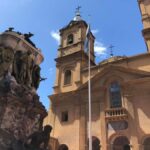
- Metropolitan Cathedral: Neoclassical Architecture With a Twist
- The Plaza de Mayo Subway Station: A Small History Detail Worth Noticing
- Panoramic Views: Where the City Looks Like a City
- Guide Quality Makes the Difference (Juan Manuel Sanchez, Juan Manoel, Juan Miguel)
- Price and Value: Is $52 Worth It?
- What to Bring for a 2-Hour Walk
- Who This Tour Is Best For
- One Consideration: Meeting-Point Changes Can Happen
- Should You Book This Buenos Aires Historic District Tour?
- FAQ
- How long is the Buenos Aires Historic District private guided walking tour?
- Where is the meeting point for the tour?
- What’s included in the tour price?
- Is there hotel pickup or drop-off?
- Can I skip the ticket line?
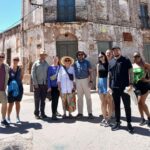
- Is the tour private?
- What languages are available for the live guide?
- Is the Metropolitan Cathedral and Cabildo entrance included?
- Is the tour wheelchair accessible?
- Is cancellation free if my plans change?
Key Highlights at a Glance
- Plaza de Mayo, Buenos Aires founding (1580): Stand right on the historic centerline of the city’s origin story
- Casa Rosada sighting: See the president’s office from the square area
- Cabildo interior access: Learn how the colonial town council operated
- Metropolitan Cathedral neoclassical details: Notice the design choices that feel slightly unusual for the setting
- Subway history nearby: Spot the Plaza de Mayo station area where the subway system started
- Panoramic views from a top neighborhood: Get perspective over the city’s layout beyond the main squares
Entering The Historic District From Café Tortoni
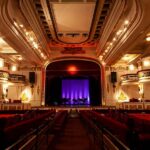
You start outside Café Tortoni, one of those Buenos Aires institutions that feels like a shortcut to old-city character. The meeting point matters here because this tour has no hotel pickup. If you’re staying a bit away, plan your own walk or quick local transport so you arrive early and unhurried.
The good part: once you’re with the guide, the day clicks into place. The tour is built around a logical walk through the civic core—squares, government buildings, and architectural landmarks—so you get context as you move. And because it’s a private group, you can ask questions without feeling like you’re sharing airtime with strangers.
You can also read our reviews of more walking tours in Buenos Aires

Plaza de Mayo: The Founding Point You Can Actually Stand On
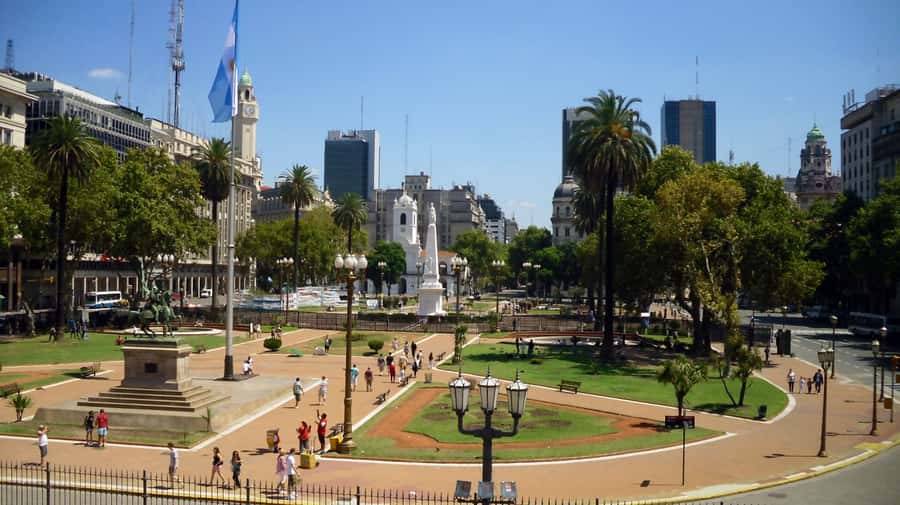
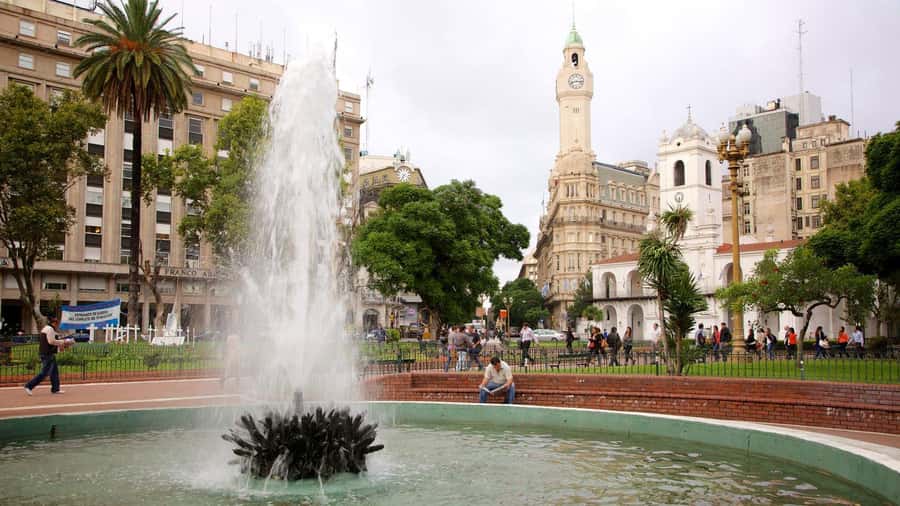
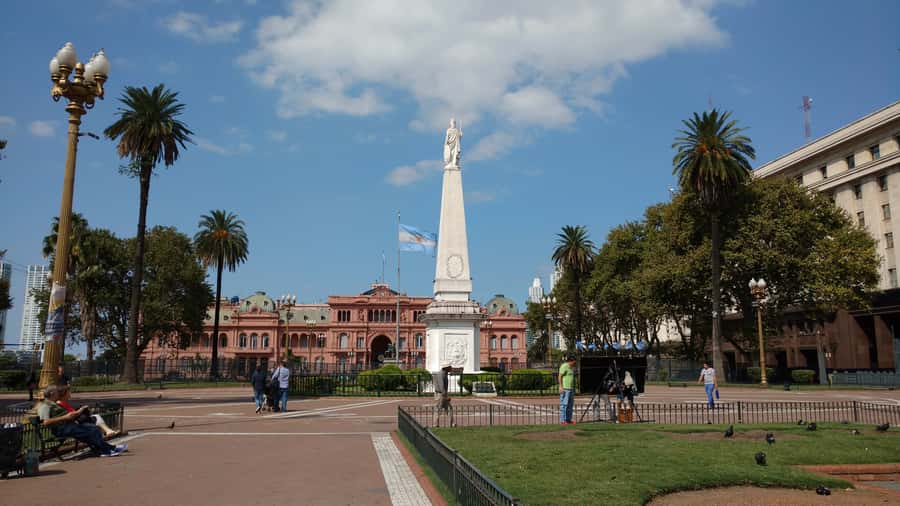
Your main anchor is Plaza de Mayo, where Buenos Aires was founded in 1580. This isn’t a museum stop where you read a placard and move on. You’re standing in the exact kind of public space where power and politics played out, day after day, century after century.
Here’s what I think makes Plaza de Mayo so valuable on foot: it’s easy to treat it like a photo-op. With a guide, you learn how the square functioned—how it shaped civic life and how Argentina’s national story ties into public gatherings and official buildings.
If you’re into history, the guide approach is practical: you’ll hear about Argentina’s independence, plus traditions and historical personalities connected to the city’s public life. It’s the kind of storytelling that helps you connect dates to real places.
Casa Rosada: Seeing Power Without Pretending It’s Just a Landmark
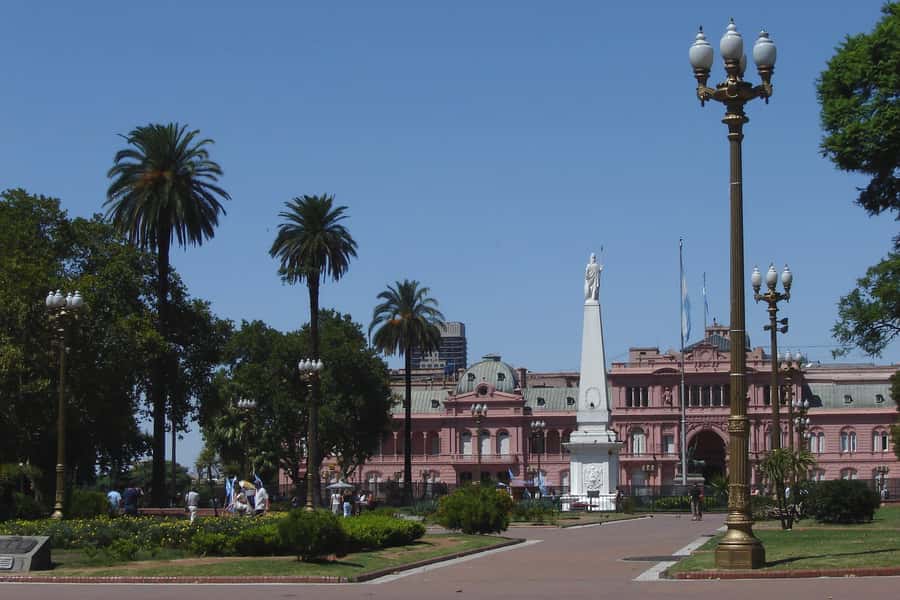
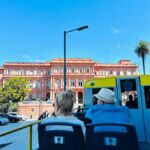
From the square area, you’ll get a view of Casa Rosada, the president’s office. You won’t just be looking at a famous facade; you’re connecting the building to the political role the area has played for a long time.
A useful way to look at this stop: think of Casa Rosada as a “you are here” marker in Argentina’s modern narrative. The architecture and location link past and present. Even if politics isn’t your main interest, it helps you understand why this part of town feels more ceremonial than residential.
The Cabildo: Colonial Town Council Life in Plain Sight
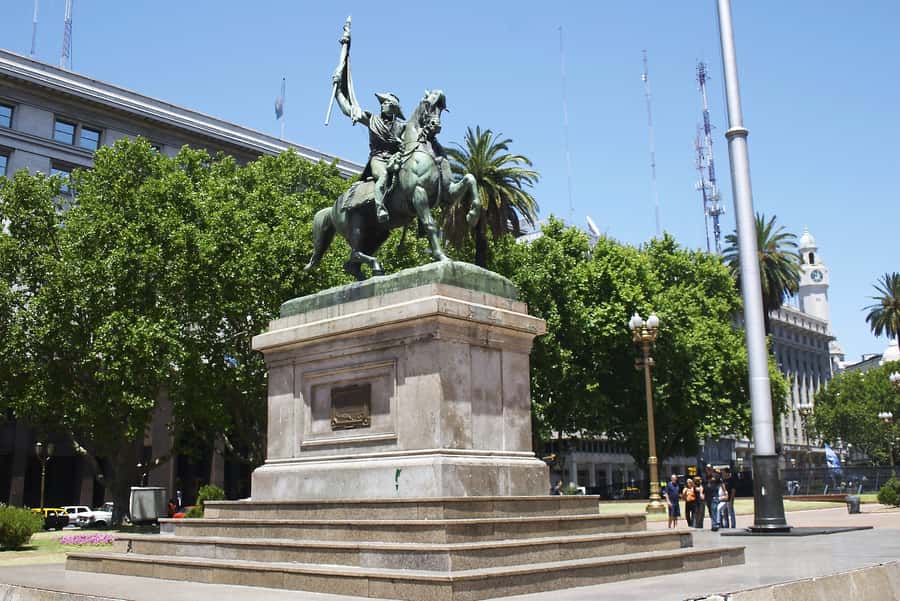
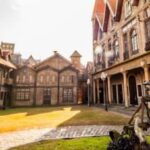
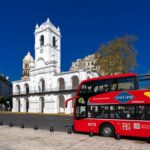
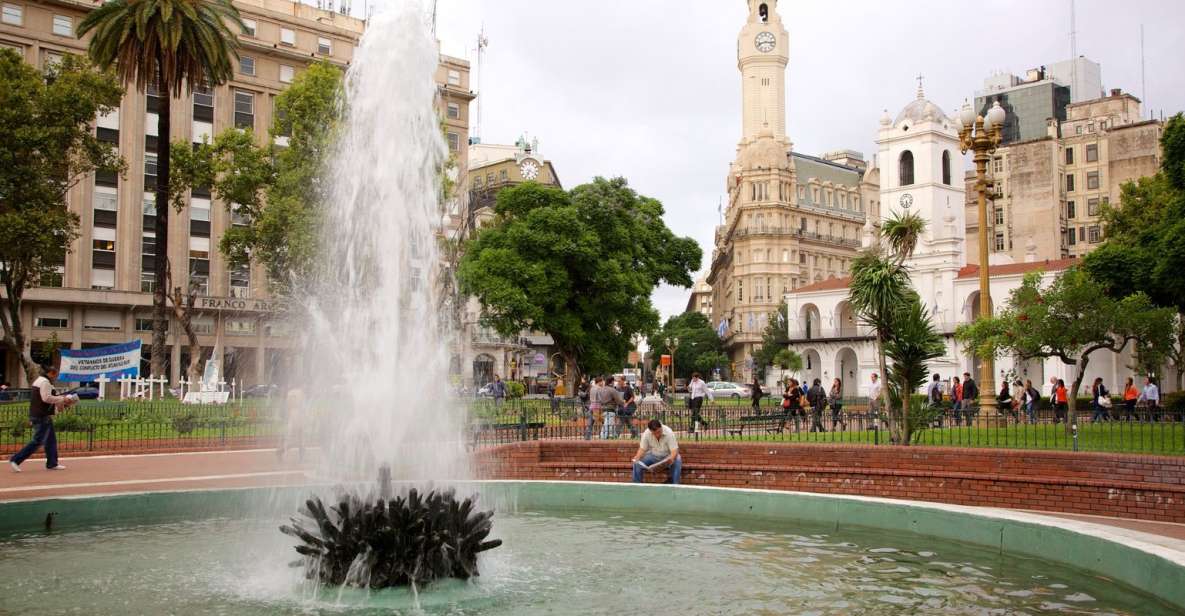
Next up is the Cabildo, a historic building that served as the seat of the town council during colonial times. This is one of those stops where the big win is what you learn, not what you stare at.
The Cabildo connection matters because it explains how Buenos Aires organized itself when colonial rule shaped governance. If you want to understand the roots of public administration and civic order—why certain institutions exist and how they evolved—this is the kind of stop that makes the rest of the walk easier to interpret.
The tour includes entrance to the Cabildo, and you’ll also skip the ticket line. That combination saves time and reduces the “stalling” that can happen with central-city major attractions.
Metropolitan Cathedral: Neoclassical Architecture With a Twist
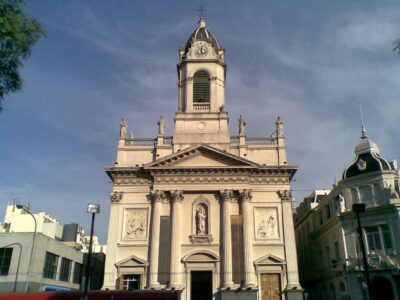
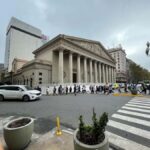
After the Cabildo, you’ll head to the Metropolitan Cathedral. What to watch for is the design: the cathedral is described as having unusual neoclassical architecture. That phrasing is useful. It hints that the building doesn’t just follow a generic “European church look” you might expect. Your guide will help you spot what’s distinctive.
The cathedral stop also helps you rebalance the tour. Plaza de Mayo and Casa Rosada are political and civic. The cathedral adds another layer: religion, national identity, and how monumental buildings communicate legitimacy and tradition.
Plan to slow down here just a bit. The more you look, the more the architecture starts to tell its own story.
You can also read our reviews of more guided tours in Buenos Aires



The Plaza de Mayo Subway Station: A Small History Detail Worth Noticing
Near the cathedral, you’ll also see the Plaza de Mayo subway station, noted as where Buenos Aires’ subway system began. It’s not the kind of detail that usually tops a tour brochure, but it’s a great example of why a guided walk is worth it.
Why it matters: you learn that the city’s modernization has a starting point, and it’s right next to some of its oldest political symbols. That contrast is one of Buenos Aires’ defining rhythms—old authority in one block, infrastructure and movement just around the corner.
Panoramic Views: Where the City Looks Like a City
One of the highlights is time for panoramic views from one of the city’s most dazzling neighborhoods. The exact viewpoint isn’t specified, but the intention is clear: you’re not only walking between landmark walls—you’re also getting perspective so the layout makes sense.
I like panoramic moments because they act like “reset buttons.” After you’ve been focused on buildings and dates, the view helps you understand distance, direction, and how the historic core relates to the broader city.
If it’s a bright day, you’ll have an easier time spotting the contrast between architectural styles. If it’s cloudy or windy, just treat it as a moment to catch your breath and reorient.
Guide Quality Makes the Difference (Juan Manuel Sanchez, Juan Manoel, Juan Miguel)
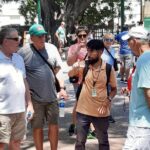
This tour lives or dies on the guide’s ability to turn stone and squares into a story you actually remember. The best evidence here is the consistent praise for guide clarity and personality.
In particular, Juan Manuel Sanchez is singled out for clear, understandable English and impressive history knowledge, with a friendly, approachable style. Other guides named in the experience include Juan Manoel and Juan Miguel, described as professional, personable, and effective at helping guests understand basic aspects of Argentine history while touring the institutional buildings and squares.
That’s a big deal if you don’t want a “fast facts” tour. You want explanations that help you connect what you’re seeing to why it matters.
Price and Value: Is $52 Worth It?
At $52 per person for a 2-hour private guided walking tour, the value comes from four things you don’t usually get all together:
- Live guide (not an audio-only stroll)
- Entrances included for the Metropolitan Cathedral and the Cabildo
- Skip the ticket line
- Private group format, which makes the pacing and questions feel more personal
If you tried to DIY this route, you’d still spend time figuring out the order, lining up for entrances, and losing some of the historical context that a guide provides. Here, your guide is doing the connecting for you: independence-era context, traditions, and how Argentine history ties to specific meeting places and civic buildings.
One small practical note: since there’s no hotel pickup, your personal transit planning is on you. That doesn’t break the value, but it does affect how easy the day feels.
What to Bring for a 2-Hour Walk
This is straightforward: you just need to set yourself up for comfort.
Bring:
- Comfortable shoes (you’re walking a city core route)
- Internet access (useful for staying in touch before and during the meeting window)
Since the meeting point is outside Café Tortoni and the tour depends on your timing, having a working connection can save stress if you need to message or confirm details.
Who This Tour Is Best For
This tour fits best if you want a focused Buenos Aires overview without wasting hours in logistics.
You’ll likely enjoy it if:
- You’re short on time and want the civic-heart highlights
- You like history that connects buildings to real events and traditions
- You prefer a private group experience where questions are welcome
- You want cathedral and Cabildo access without ticket-line hassle
You might think twice if:
- You’re expecting a long, wandering neighborhood exploration with minimal civic focus
- You need a very controlled, fully pre-planned pace and you don’t like walking through busy central areas
One Consideration: Meeting-Point Changes Can Happen
One drawback to plan for is meeting-point confusion. A reported situation described a guide not appearing at the designated spot, with a late change communicated by email and contact attempted via messaging. The lesson is simple and practical: be ready to check your email and keep your phone connected.
Since the tour includes a meeting outside Café Tortoni and has no pickup, small timing problems can feel bigger. Arrive a few minutes early, confirm you have the latest message, and keep internet access so you can reach the guide if needed.
Should You Book This Buenos Aires Historic District Tour?
If you want a compact, high-impact walk through Buenos Aires’ founding civic core, I think this is a strong buy. For $52, you’re getting a guided route that includes major institutions (Plaza de Mayo, Cabildo, Metropolitan Cathedral) plus a chance for panoramic perspective—without the time sink of solo planning and entrance lines.
Book it if:
- You’ll appreciate guided explanations of Argentina’s history and traditions
- You want entrance included stops rather than only exterior views
- You value clear communication from guides like Juan Manuel Sanchez or Juan Miguel
Skip it or shop around if:
- You’re uncomfortable with meeting-point logistics and prefer hotel pickup
- You need an ultra-flexible schedule with minimal walking
Either way, you’ll come away with a cleaner sense of how Buenos Aires’ past and present share the same streets.
FAQ
How long is the Buenos Aires Historic District private guided walking tour?
It lasts 2 hours.
Where is the meeting point for the tour?
You meet outside Café Tortoni.
What’s included in the tour price?
The tour includes the guide, the walking tour, and entrance to the Metropolitan Cathedral and the Cabildo.
Is there hotel pickup or drop-off?
No, hotel pickup and drop-off are not included.
Can I skip the ticket line?
Yes, you skip the ticket line.
Is the tour private?
Yes, it’s a private group.
What languages are available for the live guide?
The tour offers live guiding in English, Portuguese, and Samoan.
Is the Metropolitan Cathedral and Cabildo entrance included?
Yes, entrance to both is included.
Is the tour wheelchair accessible?
Yes, it is wheelchair accessible.
Is cancellation free if my plans change?
You can cancel up to 24 hours in advance for a full refund.