REVIEW · BUENOS AIRES
Buenos Aires: Mate Workshop y Otras Yerbas
Book on GetYourGuide →Operated by Carpincha · Bookable on GetYourGuide
Mate in Buenos Aires should come with stories. This one-hour workshop turns yerba mate into a ritual you can actually do, not just watch. I like that the hosts explain the meaning behind mate culture, and I also love the hands-on part: you taste four types of yerba and learn how to brew your own.
One thing to keep in mind: this is short—just 60 minutes—so if you want a long sit-down hang with zero schedule pressure, you might find the pace a bit brisk.
You’ll meet in the Recoleta area, and the whole experience is built around a friendly, home-at-the-table feel. If you’re the type who asks questions about traditions and ingredients, this is the kind of class that answers them clearly in English or Spanish.
In This Review
- Key highlights to look for
- How a one-hour mate workshop makes a real cultural connection
- Meeting Vale and Juli in Recoleta: friendly, structured, and question-friendly
- Inside the hour: history, yerba types, cultivation, and your first real brew
- 1) The “why” of mate: symbol, identity, and family ritual
- 2) The “where” of yerba: cultivation and origin
- 3) Four tastings: variety plus production differences you can detect
- 4) Your own mate: matienzos and practical brewing tips
- Four yerbas and a mateada: what the tasting teaches you (and what it doesn’t)
- The included pastries: medialunas, biscochitos, alfajores, and why they matter
- Price and logistics: is $50 worth it for a 60-minute class?
- Who this mate workshop is best for
- Practical tips before you go
- Should you book the Mate Workshop y Otras Yerbas with Carpincha?
- FAQ
- FAQ
- Where does the workshop take place?
- How long is the experience?
- What language is it offered in?
- What’s included in the price?
- Do you include transportation to the meeting place?
- Is alcohol included or allowed during the workshop?
Key highlights to look for
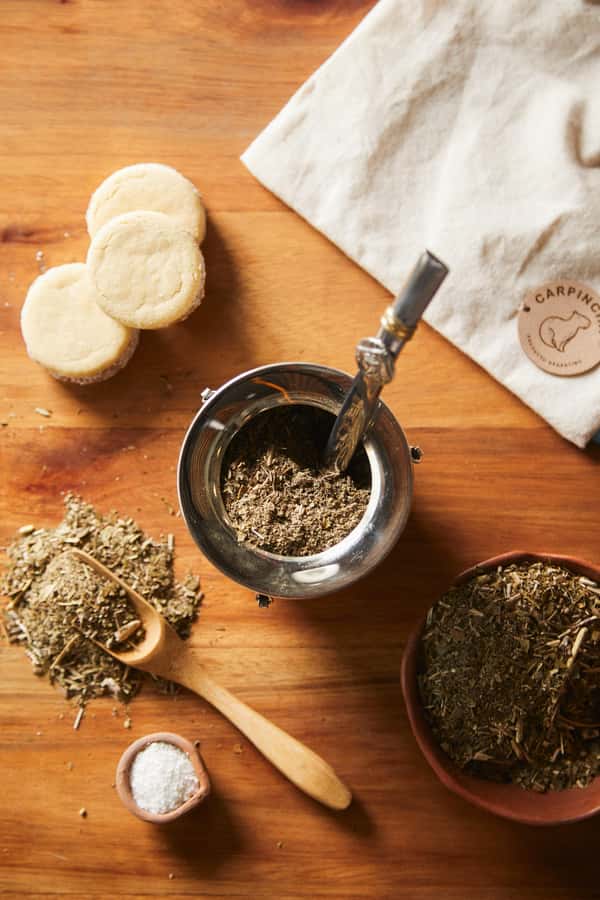
- Four yerbas to taste, with variety, production, and cultivation explained in plain language
- A mate-making lesson, so you leave knowing how to prepare a proper cup
- Classic snacks included like medialunas, biscochitos, and alfajores
- Culture talk that sticks—myths, legends, anecdotes, and national identity
- Vale and Juli (Julieta) lead it with energetic, question-friendly clarity
How a one-hour mate workshop makes a real cultural connection
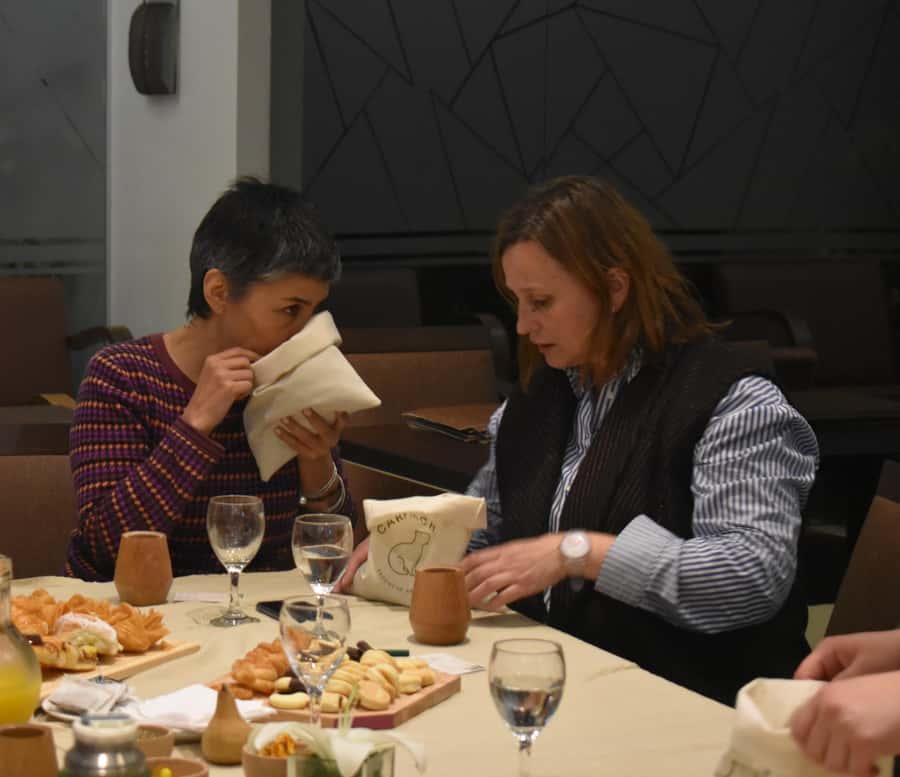
Mate is more than hot water and leaves. In Argentina, it’s a social rhythm—something you do when you visit, when you pause, when you chat. That’s what I like about this workshop: it doesn’t treat mate like a novelty. It treats it like a daily language.
The format helps. In 60 minutes, you get a full arc: why mate matters, where yerba comes from, what differences you can taste, then how to brew your own. It’s fast, but not random. You’re always moving toward the practical goal—understanding and tasting.
There’s also a very specific flavor to how it’s taught. The hosts (Vale and Juli—named Julieta in one guest note) set the tone with a simple homey idea: when someone visits, the first sentences are basically greeting, then the some mates invitation. That gives the class a personal, almost-family vibe, and it shows up in how they answer questions. I like experiences where you’re allowed to be curious without feeling silly.
You can also read our reviews of more tours and experiences in Buenos Aires


Meeting Vale and Juli in Recoleta: friendly, structured, and question-friendly
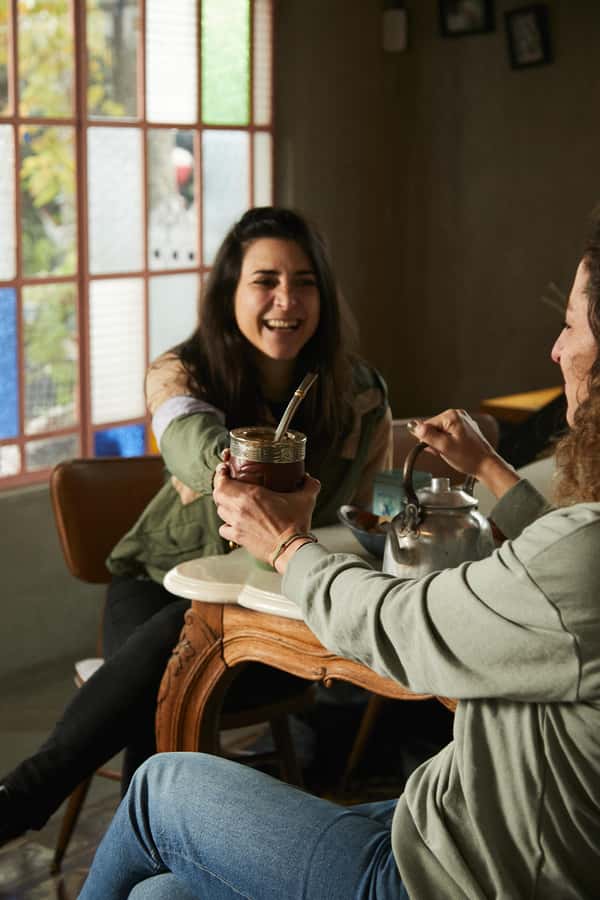
This workshop is hosted by Vale and Juli under the Carpincha proposal. Even without fancy staging, the delivery sounds organized: they’re guiding you through history and production, then pulling you into the mateada—the shared mate moment.
The reason this matters is simple. Mate culture can feel mysterious if you’re new, because it has etiquette and unspoken habits. A good host turns that fog into something you can use. In the class, the hosts explain myths, legends, anecdotes about history, and national identity, and they answer questions with clarity rather than vague gestures.
I also think the English/Spanish option is a big deal. If you’re visiting from Europe or the Americas, you don’t want to spend an hour nodding at half-understood tradition. Here, you can follow along in English or Spanish, and the content is presented as a live conversation—not just a lecture.
Recoleta as a meeting area is handy too. It’s a convenient neighborhood base for many Buenos Aires stays. The only catch is that you’ll need to plan how to get there since transportation isn’t included.
Inside the hour: history, yerba types, cultivation, and your first real brew
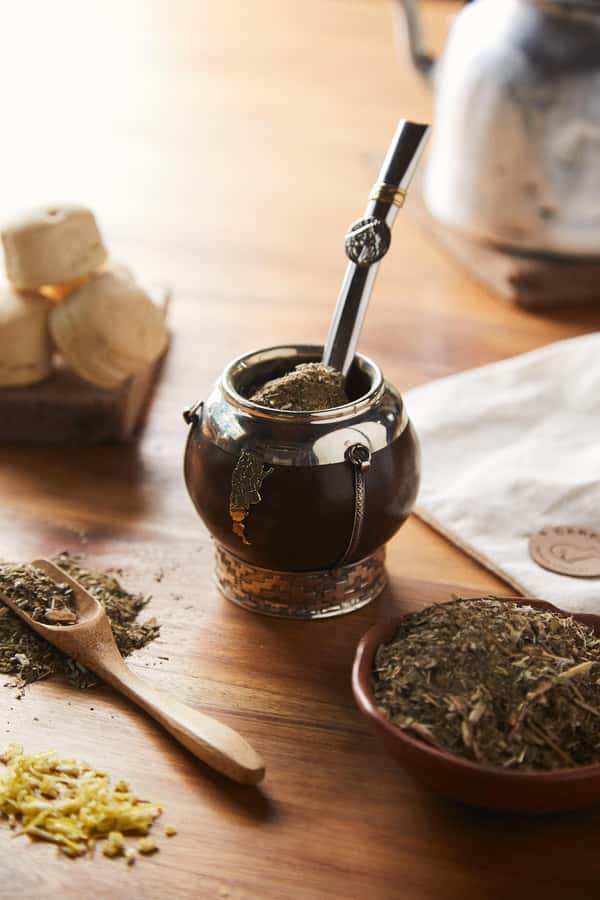
Even though this is one meeting, it has distinct stages. Here’s what to expect, in the order that makes the most sense for learning.
1) The “why” of mate: symbol, identity, and family ritual
You start with the story layer. The hosts talk about the history and importance of mate for Argentines, framing it as more than an infusion. Mate is tied to identity—how people gather, how they welcome others, and how they keep a daily custom alive.
I like starting here because it changes how you taste. When you know mate is a social tool, you’re less likely to think you’re just sipping something herbal. You’re noticing texture, aroma, and bitterness in the context of a tradition that people treat with care.
2) The “where” of yerba: cultivation and origin
Next comes the ingredient story. You’ll learn about the cultivation, the origin, and how production shapes the final product. Yerba mate isn’t one thing. It’s a crop with methods, varieties, and processing differences.
If you’ve ever tasted mate and wondered why one cup feels smoother and another feels sharper, this is the part that helps you connect the dots.





3) Four tastings: variety plus production differences you can detect
Then you get the fun, sensory part: tasting 4 types of yerba. The workshop is designed around the idea that you’ll notice changes—how each yerba tastes, and how the production choices show up in your cup.
I’d treat this as your built-in “flavor education.” Take mental notes. Ask what’s different between the cups. If you’re the kind of person who likes comparing coffees or teas, you’ll get a lot out of this.
4) Your own mate: matienzos and practical brewing tips
Finally, you shift into making. The hosts prepare good matienzos (mate cups) and you’ll get tips on how to make the best mates. You learn how to brew your own mate using what’s provided.
This is the stage that turns the experience from cultural lecture into something you’ll use later. If you’ve tried mate at a café and felt lost about what makes one cup “better,” this is where the mystery gets handled.
Four yerbas and a mateada: what the tasting teaches you (and what it doesn’t)
Let’s be real: tasting four yerbas in an hour isn’t the same as becoming a full mate nerd. You’re not leaving with a library of variations. But you are leaving with the most useful understanding: differences are real, and you can detect them.
Here’s what the class covers in the tasting mindset:
- Variety: the type of yerba changes how it feels and tastes
- Production: processing and handling can shift the character
- Cultivation: growing conditions and plant traits affect flavor
That combination gives you a framework. After this, if you see flavored mate in a shop, you’ll understand that flavor doesn’t come from magic—it’s layered on top of a base plant with its own traits.
Possible drawback: because it’s only one hour, you won’t have time to compare dozens of products. The workshop gives you a strong starting set (four), but you’ll likely want a second tasting later if you become obsessed—which is easy to do once you start asking questions.
The included pastries: medialunas, biscochitos, alfajores, and why they matter
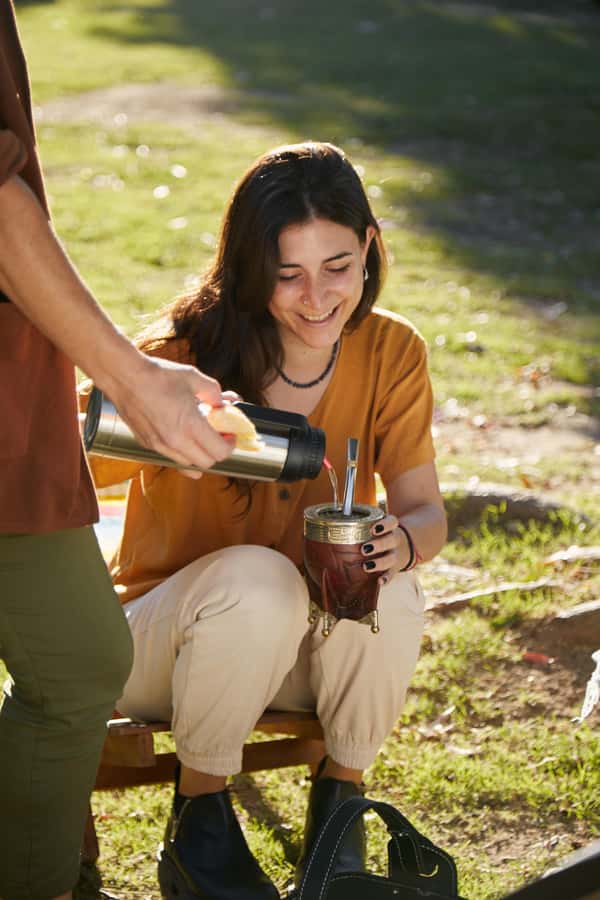
Mate isn’t supposed to be alone. That’s why this workshop includes sweet snacks that Argentina treats as classic companions.
You’ll have typical Argentine pastries such as:
- medialunas
- biscochitos (biscuit cookies)
- alfajores
A few people underestimate snack pairing, but it matters for two reasons.
First, mate can be bitter and earthy. Something buttery or sweet gives your palate a reset between tastings. Second, these pastries help you experience mate culture as a full moment, not a standalone drink demo. Argentina treats the table as part of the ritual.
I’d show up ready to eat. Not because you’re being pressured, but because the snacks are part of what makes the hour feel like an actual host-to-visitor exchange.
Price and logistics: is $50 worth it for a 60-minute class?
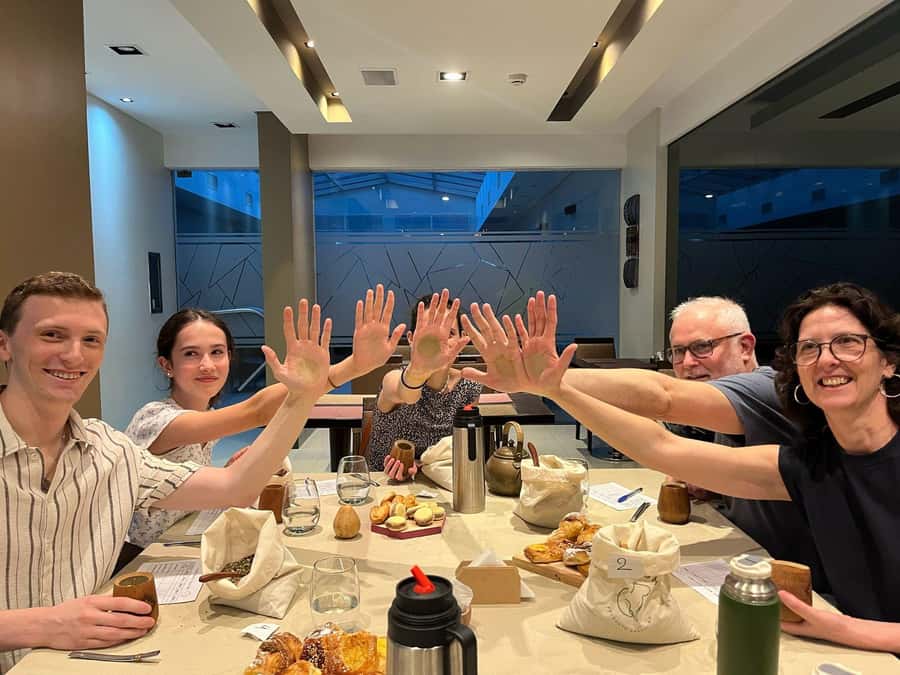
At $50 per person for 1 hour, the value comes from what you actually get, not just the topic. This isn’t only a talk about mate. It includes:
- 1 mate per person to use during the meeting
- learning how to brew your own mate
- tasting all the provided yerba mate options (4 types)
- pastries for the mateada
You’re also getting the cultural explanation—history, myths/legends, and anecdotes—plus the chance to ask questions to Vale and Juli.
The one cost you’ll need to plan separately is transportation to the meeting place. The class doesn’t include it, and since the location is in Recoleta, you’ll want to factor in how you’ll get there based on where you’re staying.
If you’re visiting Buenos Aires and want one organized, low-stress way to understand a major local ritual, this price is easier to justify than a lot of “food experience” items that don’t teach you anything practical.
Who this mate workshop is best for
This experience fits best when you’re one of these kinds of travelers:
- You want a hands-on cultural experience rather than a museum-style lesson
- You like learning how ingredients work—yerba, production, and tasting differences
- You enjoy food pairing and want included snacks that match the ritual
- You’re short on time but still want something meaningful in Buenos Aires
If you’re very sensitive to strong flavors, go in with a flexible attitude. Mate can be bold. The good news is that the tasting includes multiple types, so you’ll likely find at least one that fits your taste.
Practical tips before you go
A few small notes can make your hour go smoother.
- Plan your route to Recoleta. Transportation to the meeting place isn’t included.
- Bring your appetite. Snacks are included, and they’re part of the mate moment.
- If you’re taking a group trip, remember this is a short format—60 minutes means the instructors move through topics at a steady pace.
- The workshop has clear rules: no weapons or sharp objects, and alcohol and drugs aren’t allowed.
Also check that the session you book matches your language comfort: English or Spanish is available.
Should you book the Mate Workshop y Otras Yerbas with Carpincha?
If you want one easy ticket to Argentina’s daily social ritual, I’d book it. The combination is hard to beat for the time: mate brewing practice, 4 yerba tastings, and classic pastries in one hour—run by Vale and Juli with real subject clarity and a friendly vibe.
Skip it only if you’re looking for something much longer, with deeper technical training, or if you prefer activities where you’re mostly watching instead of tasting and learning.
FAQ
FAQ
Where does the workshop take place?
The meetings take place in the Recoleta area of Buenos Aires.
How long is the experience?
It lasts 60 minutes.
What language is it offered in?
The instructor teaches in English and Spanish.
What’s included in the price?
The experience includes 1 mate per person to use, yerba tasting, typical Argentine pastries to accompany the mate (like medialunas, alfajores, and biscochitos), and an explanation of mate culture.
Do you include transportation to the meeting place?
No. Transportation to the meeting place is not included.
Is alcohol included or allowed during the workshop?
Alcohol is not allowed.