REVIEW · FOOD & DRINK
Wine Tasting in Buenos Aires
Book on GetYourGuide →Operated by Funny Times Travel & Tours · Bookable on GetYourGuide
Buenos Aires does wine well, and this one-hour tasting gives you a focused hit. I like how you get Argentina’s top regions in one sitting, then watch the flavors line up with the food. I also like the pairing lineup—bruschetta, cheeses, cold cuts, and a traditional empanada—so it is not just sipping. One drawback: the pacing can feel fast, and the experience may be more individual/bar-style than a big guided group tour.
If you want a simple afternoon activity—English or Spanish guidance, adult-only, and easy to fit into a city day—this works. Just be ready for a venue that can change and for no transfer provided, so you’ll want a plan for getting there and back.
Quick hits before you book
- Two menu choices: Federal Tasting (regional mix) or Catena Zapata Clásico (one famous house lineup)
- Food pairing is built-in: bruschetta serrana, selected cheeses, cold cuts, and an empanada
- Multiple wine regions represented: Salta, Patagonia, Mendoza (Tupungato), and Entre Ríos
- Adult-only experience (over 18)
- Venue may change depending on availability
- Timing is tight: it’s designed to fit in about 1 hour
In This Review
- A 1-Hour Buenos Aires Wine Stop That Actually Feels Focused
- Federal Tasting Menu vs Catena Zapata Clásico: Pick Your Mood
- Option 1: Federal Tasting Menu (regional tour in miniature)
- Option 2: Catena Zapata Clásico (a single-house experience)
- A small detail to double-check
- The Pour List and Pairings: Bruschetta, Cheeses, Cold Cuts, Empanada
- How the Tasting Feels: Pacing, Info Level, and the Bar-Style Setting
- Individual feel vs group vibe
- Location and finding it
- Price and Value: Is $60 a Good Deal for Buenos Aires?
- Logistics That Actually Matter: Timing, What to Bring, and Venue Changes
- Duration and language
- What to bring
- Dietary restrictions
- Venue subject to availability
- Getting there
- Who This Wine Tasting Is Best For (and Who Should Skip It)
- FAQ
- FAQ
- How long is the wine tasting?
- How much does it cost?
- What wines are included?
- What food is included with the tasting?
- Do I need to pay for extra drinks?
- Is transportation included?
- What languages is the guide available in?
- Who is it suitable for?
- What is the cancellation policy?
- What should I bring with me?
- Should You Book This Wine Tasting in Buenos Aires?
A 1-Hour Buenos Aires Wine Stop That Actually Feels Focused
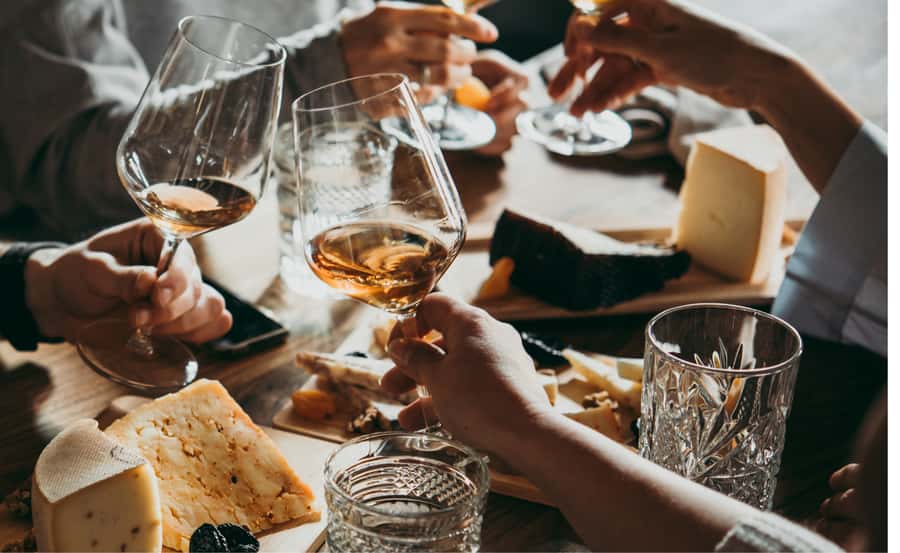
This tasting is short on purpose. You spend about an hour tasting a set of wines and eating a matching set of bites. That matters in Buenos Aires, where the best days usually mean packing in neighborhoods, not sitting still for half a day.
You also get a guided sensory route. The idea is that you do not just drink; you notice aromas and taste shifts as each wine moves through the lineup. If you are new to wine, that structure can help you connect what you taste to where the wine comes from. If you already know your Malbec from your Torrontés, you can still enjoy the contrast across Argentina’s regions and styles.
The format is relaxed rather than formal. You are not walking out with a certificate or a dissertation. You are walking out with a better sense of what Argentine wineries aim for—and what foods tend to bring the best out of each bottle.
Federal Tasting Menu vs Catena Zapata Clásico: Pick Your Mood
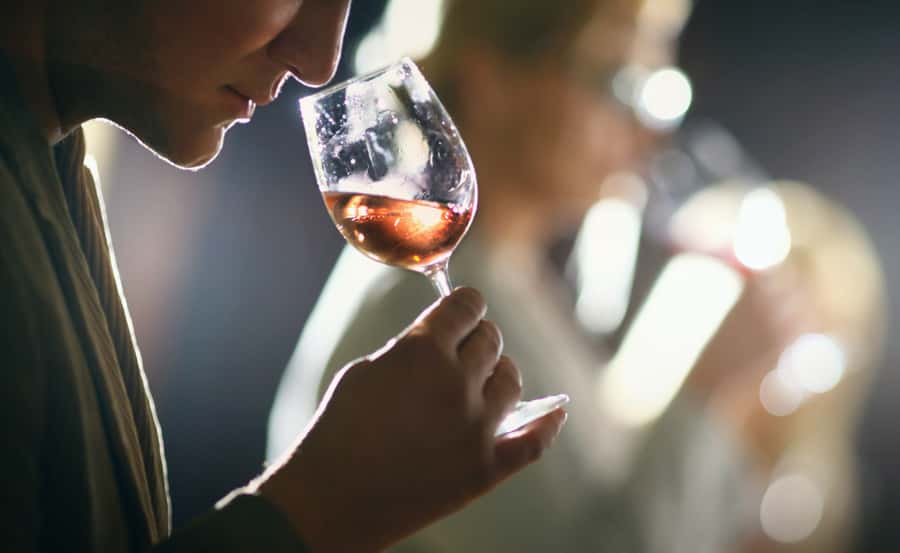
You have two different ways to do this. Your choice changes the entire personality of the tasting.
You can also read our reviews of more food & drink experiences in Buenos Aires


Option 1: Federal Tasting Menu (regional tour in miniature)
This menu is built to show variety across Argentina. The lineup goes like this:
- Coquena Torrontés (Salta)
- Primogénito Noir (Patagonia)
- Gouguenheim Reserva Malbec (Mendoza, Tupungato)
- Julepe Tannat (Entre Ríos)
You also get pairing bites in step:
- Starter: Bruschetta Serrana
- Selected cheeses
- Cold cuts
- Traditional empanada
What this means for you: this is the best pick if you want to understand the country, not just one brand. You’ll taste white (Torrontés), then swing into reds that represent very different climates and grapes. It is a quick sampler of Argentine geography.
Option 2: Catena Zapata Clásico (a single-house experience)
If you prefer depth over breadth, choose the Catena Zapata–style lineup:
- Saint Felicien Chardonnay
- Nicasia Cabernet Franc
- DV Catena Cabernet-Malbec
- DV Catena Syrah-Syrah
Pairing stays the same base structure:
- Bruschetta Serrana
- Selected cheeses
- Assorted cold cuts
- Traditional empanada
What this means for you: you are comparing styles under a recognizable umbrella. It can be easier to remember because you can focus on how the wines shift while the winery approach stays consistent.
A small detail to double-check
The experience description says tasting of 3 glasses, but the menus list four wine labels. That does not mean you are cheated—sometimes one label is poured differently—but it is worth checking what your specific booking will serve. The safest move: when you confirm your reservation, look for how many pours you’ll receive and whether all listed wines are tasted.
The Pour List and Pairings: Bruschetta, Cheeses, Cold Cuts, Empanada
The food here is not an afterthought. It is part of the tasting design. You get:
- Bruschetta Serrana
- Selected cheeses
- Assorted cold cuts
- A traditional Argentine empanada
Why I think that matters: wine tasting in Argentina can go sideways if the food is absent or too light. These pairings help you notice how acidity, tannins, and aroma intensity change when you add salt, fat, and spice.
Here is how the pairing makes sense with the wines you’ll likely encounter:
- With a Torrontés (Salta), you often want something that can handle aromatic whites. Bruschetta plus cheese tends to keep the experience from feeling overly delicate or one-note.
- With Malbec (Mendoza/Tupungato), a heartier bite like cold cuts and empanada-style flavors helps tame tannins and makes the red taste fuller rather than drying.
- With Tannat (Entre Ríos), the empanada’s seasoning can help you pick up fruit and spice instead of only feeling structure.
- With Chardonnay (Saint Felicien) and reds like Cabernet Franc or Syrah, cheeses and cold cuts make it easier to detect texture—creamy vs crisp, lighter spice vs darker fruit.
The empanada is especially useful because it brings a familiar Argentine comfort-food element. It also gives you something grounding while the wines move quickly.
And yes, there is wine and there are bites—exactly the kind of combo you want when you are trying to learn without turning it into homework.
You can also read our reviews of more wine tours in Buenos Aires



How the Tasting Feels: Pacing, Info Level, and the Bar-Style Setting
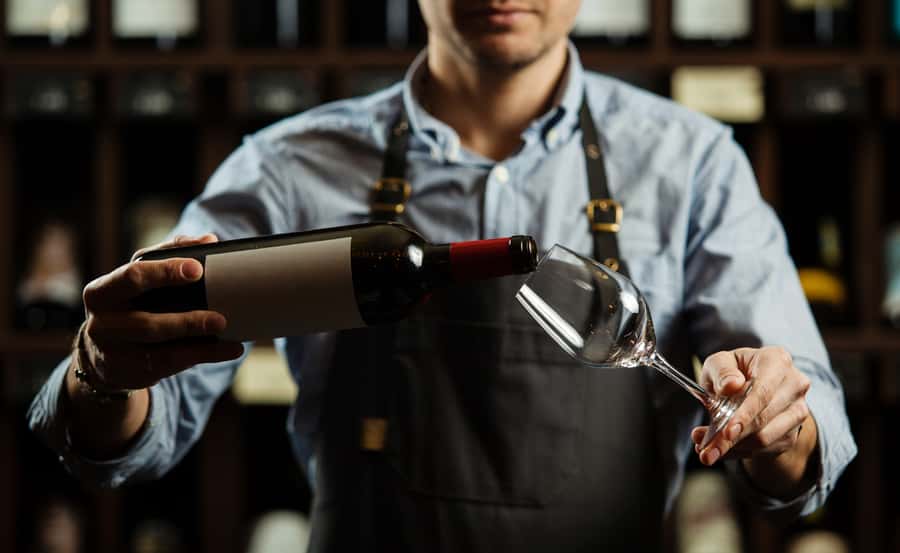
This is the area where your expectations matter most.
The experience is about one hour, so the guide has to keep things moving. That can be great if you want a tight overview. It can feel a little too quick if you were hoping for slow, deep explanations and time to really compare notes between glasses.
On info level, it can vary. I’d treat this as a friendly guided tasting, not a classroom. One thing I’d watch for: if you love detail—grape-by-grape chemistry and long winery stories—ask questions early. If you wait, the pace might not leave room.
Individual feel vs group vibe
The setting can be more intimate than you might imagine from some wine tours. You might end up in a small party or even a very limited group situation. That can be a plus: you can ask specific questions and get more direct attention. It can be a minus if you were hoping for a lively group experience with lots of chatter.
Location and finding it
The bar/shop venue tends to be pretty easy to locate. Once you’re there, the atmosphere can feel friendly even when it is quiet. Just plan to get there earlier if you can. After-dark walking to and from small venues can feel less comfortable, especially if the area around the bar is dim.
Price and Value: Is $60 a Good Deal for Buenos Aires?
At $60 per person, you’re paying for a packaged hour: guided tastings plus a full pairing plate. In practical terms, that usually means:
- you’re not sourcing wines and charcuterie yourself
- you’re getting a guided structure for the tasting order
- you’re getting the set food that brings the wine to life
So where is the value?
Good value if you want variety in a short time and you like pairing food with wine. The lineup touches multiple Argentine regions and major grapes—Torrontés, Malbec, Tannat, Chardonnay, Syrah, and more. That range is hard to replicate on your own quickly without spending extra time and money.
Less good value if you expected a longer, more educational session with more detailed commentary. If you feel the pacing is too fast, then your $60 is buying the service and food as much as it is buying expertise.
My suggestion: treat this as an enjoyable introduction and a solid city stop, not a full wine education program. If you come in with that mindset, the price makes more sense.
Also note what is not included: transfer isn’t provided, and other drinks beyond what’s listed are not included. That means your real cost depends on how you handle transportation and any extra beverages.
Logistics That Actually Matter: Timing, What to Bring, and Venue Changes
Here are the practical points that can make or break a smooth experience.
Duration and language
Plan for about 1 hour. The guide is available in English and Spanish, and you can choose a starting time based on availability.
What to bring
Bring a credit card and cash. That gives you flexibility at the venue.
Dietary restrictions
If you have allergies or dietary restrictions, tell them in advance. The tasting includes cheeses, cold cuts, bruschetta, and empanadas, so adjustments may be needed.
Venue subject to availability
The tasting location can change based on availability. This is not unusual, but it means you should keep an eye on confirmation details so you do not arrive at the wrong address.
Getting there
Transfers are not included, so you’ll want to plan on your own transportation. If you’re staying in central Buenos Aires, rideshare or a taxi is usually the simplest solution.
Who This Wine Tasting Is Best For (and Who Should Skip It)
This experience suits you if:
- you want a quick, guided taste of Argentine wine styles and regions
- you like pairing wine with real Argentine food (empanada included)
- you prefer a short afternoon plan rather than an all-day wine excursion
It might not suit you as well if:
- you want slow pacing with deep explanations and lots of time for questions
- you expect a big group party vibe
- you’re hoping to drink beyond the included wine and pairings (other drinks aren’t part of the package)
It is also clearly adult-only (over 18). So plan accordingly with your travel group.
FAQ
FAQ
How long is the wine tasting?
It lasts 1 hour.
How much does it cost?
The price is $60 per person.
What wines are included?
It depends on the option you choose. The Federal Tasting Menu lists Coquena Torrontés (Salta), Primogénito Noir (Patagonia), Gouguenheim Reserva Malbec (Mendoza, Tupungato), and Julepe Tannat (Entre Ríos). The Catena Zapata Clásico option lists Saint Felicien Chardonnay, Nicasia Cabernet Franc, DV Catena Cabernet-Malbec, and DV Catena Syrah-Syrah.
What food is included with the tasting?
You get Bruschetta Serrana, selected cheeses, assorted cold cuts, and a traditional Argentine empanada.
Do I need to pay for extra drinks?
No extra drinks are included beyond what is mentioned for the tasting. Other drinks not mentioned are not included.
Is transportation included?
No. Transfer is not included.
What languages is the guide available in?
The live guide is available in English and Spanish.
Who is it suitable for?
The experience is for people over 18.
What is the cancellation policy?
Cancellations made up to 48 hours in advance are fully refunded. Cancellations made between 24 and 48 hours before the tasting are refunded 50%. Cancellations less than 24 hours in advance or no-shows are not eligible for a refund.
What should I bring with me?
Bring a credit card and cash.
Should You Book This Wine Tasting in Buenos Aires?
I’d book it if you want a one-hour Argentine wine-and-food experience with clear structure and a solid chance to taste well-known styles from multiple regions. The inclusion of cheeses, bruschetta, cold cuts, and an empanada makes it feel like more than a quick sip-and-go.
I’d think twice if your priority is long, detailed education or if you hate tight timelines. Given the short duration, it is smarter to arrive with curiosity and ask questions early.
If you want, tell me what neighborhood you’re staying in and which menu you’re leaning toward (Federal or Catena Zapata), and I’ll suggest the easiest way to time it with the rest of your Buenos Aires day.