REVIEW · 3-HOUR EXPERIENCES
Buenos Aires 3-Hour Small Group Pope Francis Tour
Book on GetYourGuide →Operated by Tangol · Bookable on GetYourGuide
A 3-hour Francis route is a fast lesson. This small-group tour links Jorge Bergoglio’s childhood, studies, and early call to the sites you can still stand in today. I like that it’s not just a single landmark stop, but a connected walk through the neighborhoods that formed his path. I also love the way the guide makes the places feel purposeful, not like random photos. One thing to consider: the route involves multiple churches and streets, so you’ll want comfortable shoes and a little patience if a mass changes timing.
The “best value” here is context. You start in San Telmo, then move to Flores and Montserrat, and you end at the Buenos Aires Metropolitan Cathedral overlooking Plaza de Mayo. The 3-hour length keeps it doable, and the group size stays small (max 15), which helps the guide answer questions without rushing you out the door. The only real drawback is that the itinerary can shift depending on basilica availability and mass schedules, so build flexibility into your day.
In This Review
- Key highlights you’ll actually care about
- Why this 3-hour Francis route is worth your morning
- Meeting at Tangol’s office in San Telmo (defense 831, 10:00 am)
- Flores: childhood home and the schools that shaped his formation
- San José de Flores Basilica: the divine call at 17
- Baptism at Mary Help of Christians and St. Charles, plus San Lorenzo fandom
- Montserrat’s San Ignacio de Loyola and Manzanas de las Luces
- Plaza de Mayo Cathedral: where Bergoglio led, and where the world waited
- Price and logistics: what $132 gets you in 3 hours
- Who should book (and who should skip this one)
- Should you book the Pope Francis 3-hour small group tour?
- FAQ
- What time does the tour start?
- Where do I meet for the tour?
- How long is the Buenos Aires Pope Francis tour?
- How big is the group?
- Which languages are the guides available in?
- Is food included?
- What should I bring?
- Is the tour wheelchair accessible?
- What’s not allowed during the tour?
- Can the itinerary change?
Key highlights you’ll actually care about
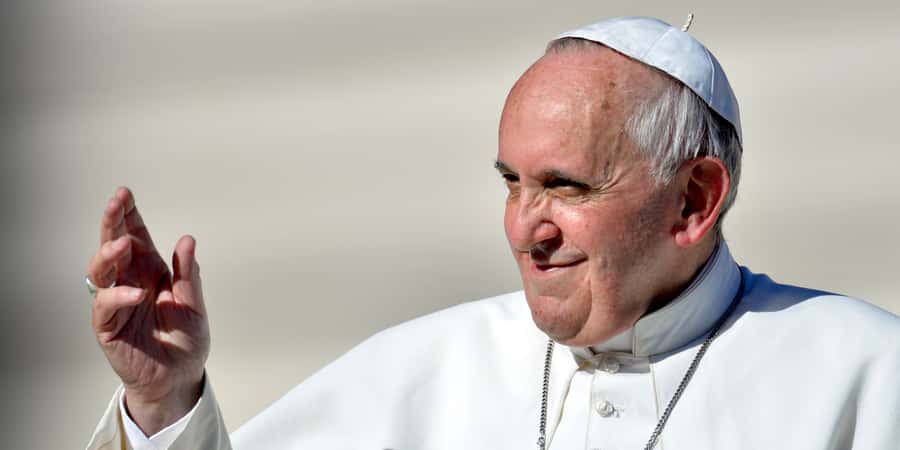
- Childhood home in Flores plus the schools and churches tied to his teenage years
- Basilica of San José de Flores, where he received the divine call at 17
- Plaza de Mayo ending at the Metropolitan Cathedral, where major moments in his papacy story played out
- Montserrat’s San Ignacio de Loyola (built in 1675) in the Manzanas de las Luces area
- A small group (max 15) that helps the guide keep explanations clear and questions flowing
Why this 3-hour Francis route is worth your morning
If you like walking tours, this one gives you a clear narrative. The places aren’t chosen just because they’re famous; they trace a timeline—home, schooling, baptism, spiritual turning points, then the final stop at the city’s main cathedral square.
For most visitors, Buenos Aires is all motion: markets, tango nights, big avenues, fast cafés. This tour slows you down on purpose. You’ll see why Francis’ story is inseparable from ordinary life in Buenos Aires—families, parishes, neighborhoods, and education—before you ever get anywhere near the global spotlight.
I also appreciate the “small group + guided” setup. With a maximum of 15 people, it feels more like you’re learning with the group than getting swept through a checklist. And with a live guide available in Spanish, English, and Portuguese, you’re more likely to get the kind of explanations that make the architecture and names click.
One practical note: because the route includes churches and basilicas, you should expect normal life in a worship setting. That can mean timing shifts, and it’s smart to keep your schedule loose.
You can also read our reviews of more tours and experiences in Buenos Aires
Meeting at Tangol’s office in San Telmo (defense 831, 10:00 am)
You meet at Defensa 831, San Telmo, at Tangol’s office, with a 10:00 am start. San Telmo is a good neighborhood to begin in: old streets, strong local character, and easy momentum before you head into other districts.
Because transfers are included, you’re not stuck trying to solve Buenos Aires logistics while also tracking details about Bergoglio’s life. You’ll still do plenty of walking, but the travel time between points is handled.
What you’ll want to do before you go is simple: wear shoes you can stand in and keep your bag situation light. The tour notes that luggage or large bags aren’t allowed, which usually means you’ll want to carry only what you need for three hours—phone, water, and your ID.
Flores: childhood home and the schools that shaped his formation
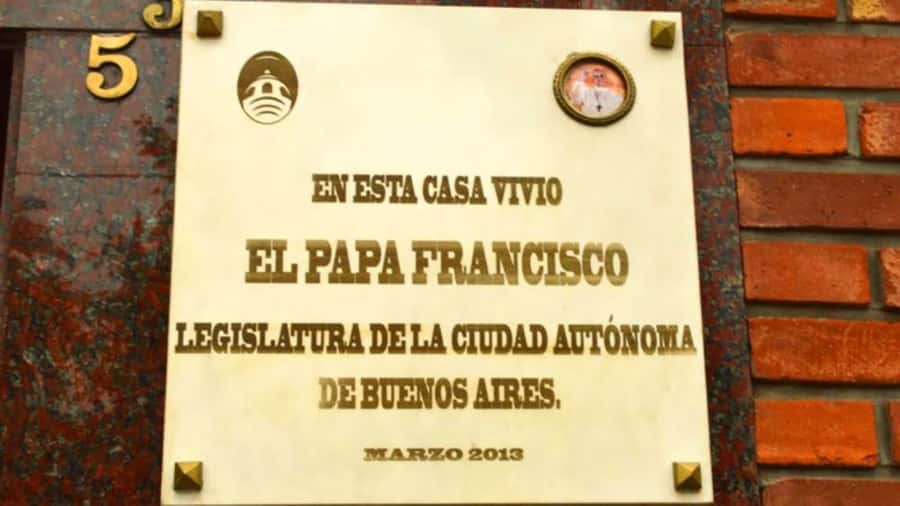
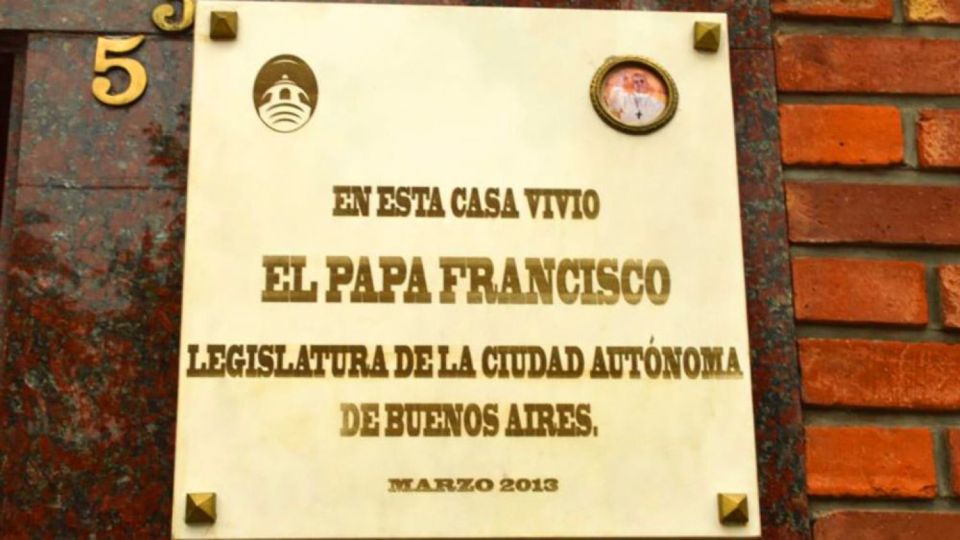
The tour kicks off in Flores, where you visit the childhood home of Jorge Bergoglio, lived-in space that helps the story feel real. This is where the timeline starts to matter. It’s one thing to know a name from the news; it’s another to see the kind of environment where a future pope grew up with his parents and siblings.
From there, the tour moves into education and early influences. You’ll see places tied to his studies, including the Instituto Nuestra Señora de la Misericordia, the Universidad del Salvador, and the Iglesia del Salvador. Even if you’re not into school buildings as attractions, this part matters because it connects education to faith and community.
A good way to experience these stops is to listen for how the guide connects them. The point isn’t the architecture alone; it’s the pattern—learning, belonging, and a religious world that was part of everyday Buenos Aires life. If you ask questions, this is often where your guide can turn the route into more than sightseeing.
One practical consideration: more than one stop here involves church spaces and active neighborhood life, so the pacing can feel slightly “city-walk” rather than “museum-quiet.” It’s still organized, but you’ll want to stay present and keep moving when the group does.
San José de Flores Basilica: the divine call at 17
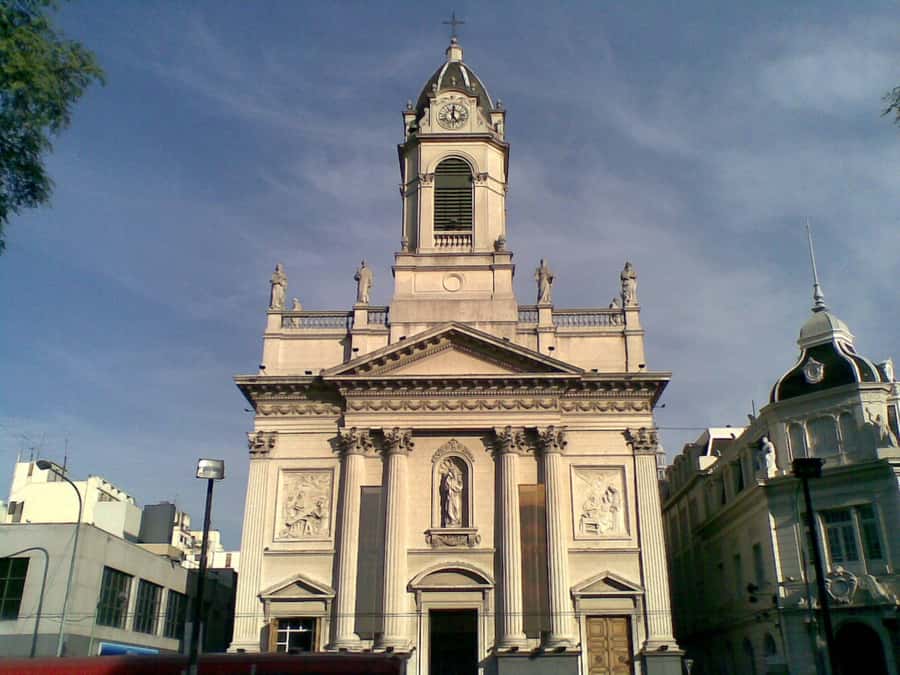
This is the emotional core of the route. You’ll visit the Basilica of San José de Flores, tied to his childhood and adolescence. The tour’s big moment here is when, at age 17, he received the divine call that committed him to the service of the Church.
The tour also frames this moment in his own terms: he talks about immersing himself in God’s mercy and links that experience to his episcopal motto. Even if you don’t connect with the religious language, this stop is still valuable because it explains the turning point behind the later decades of decisions and leadership.
Why I like this section: it turns a headline into a human step. You’re not just being told he became pope—you’re seeing the setting and context where someone made a life-changing choice as a teenager.
The possible drawback is timing. Because this is a basilica and services can happen, the itinerary may adjust depending on availability and mass schedules. If you care about getting photos, plan to be a little flexible and respectful once you’re inside.
Baptism at Mary Help of Christians and St. Charles, plus San Lorenzo fandom
Next comes the Basilica of Mary Help of Christians and St. Charles, connected to his baptism. For many visitors, baptism sites feel like quiet background details. On this tour, they’re placed in the story where they belong: as an early anchor before major milestones like his call and later religious leadership.
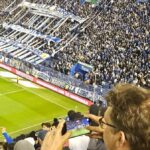
Then you’ll hear about Club Atlético San Lorenzo de Almagro, a club Pope Francis is a passionate fan of. This stop is short in physical presence, but it can be surprisingly meaningful. It reminds you that faith in Buenos Aires doesn’t live only in church buildings—it overlaps with culture, loyalty, and everyday passions.
This is also where you’ll get some of the “Buenos Aires beyond religion” context—how local identity shapes people. One of the most praised parts of the experience is how the guide keeps the explanation grounded in real life, including Argentina’s broader context and politics.
If you’re a sports fan, you’ll probably enjoy the contrast: sacred places mixed with a club’s story. If you’re not, it can still help you understand why Francis feels tied to the city, not just the Vatican.
Montserrat’s San Ignacio de Loyola and Manzanas de las Luces
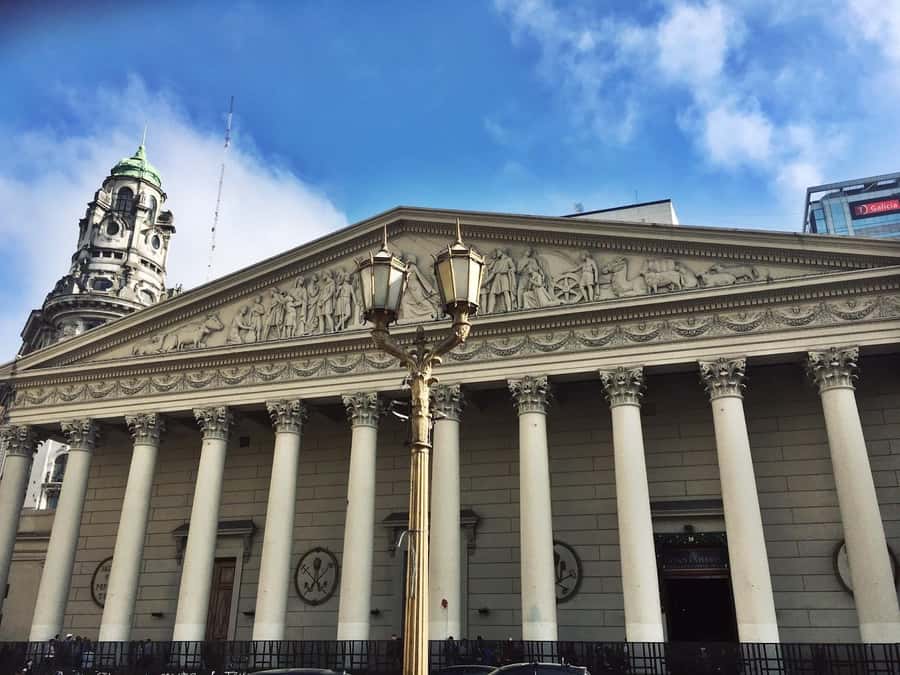
The tour continues to Montserrat, where you visit San Ignacio de Loyola Church, built by the Society of Jesus in 1675. This is described as the oldest preserved church in Buenos Aires and part of the Manzanas de las Luces area.
This stop adds depth in two ways. First, it broadens the story from Bergoglio’s personal timeline into the larger religious and architectural legacy surrounding him. Second, Manzanas de las Luces is exactly the kind of Buenos Aires detail that rewards slow attention: a specific zone with historical buildings and a sense of continuity.
The main reason this section works on a short tour: it gives you a sense of place. You start to see the city as a layered environment—centuries of faith and education shaping the streets you’re walking today.
As with other church stops, be ready to adapt. If a service is happening or access is limited, the guide will likely steer the group to the best available experience.
Plaza de Mayo Cathedral: where Bergoglio led, and where the world waited
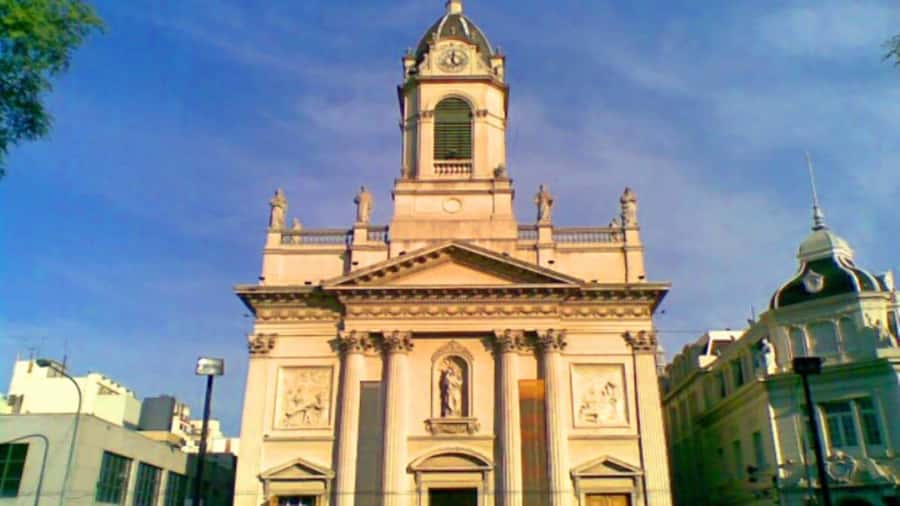
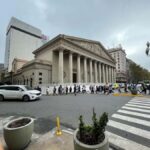
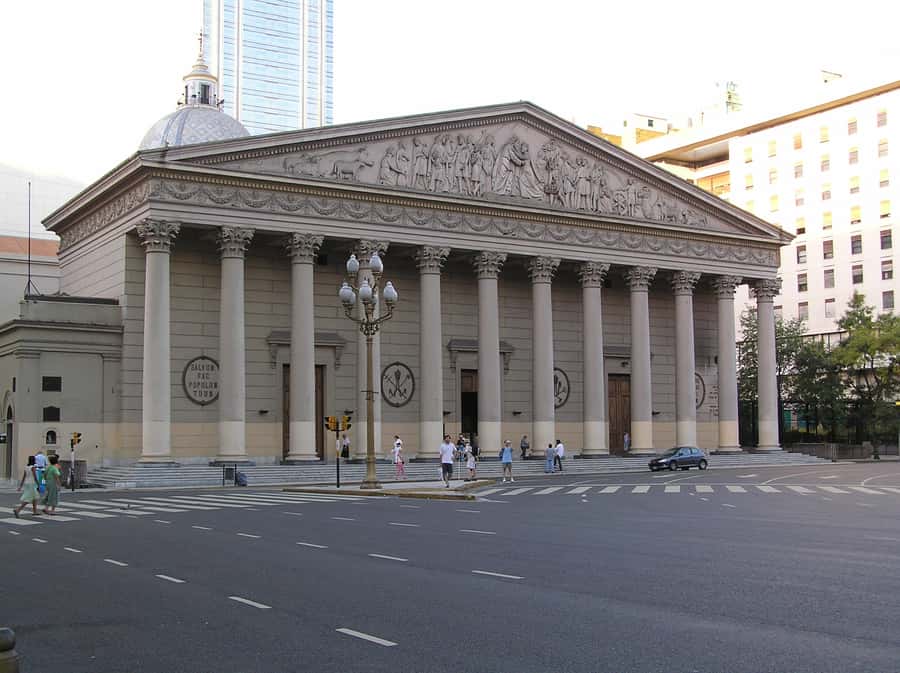
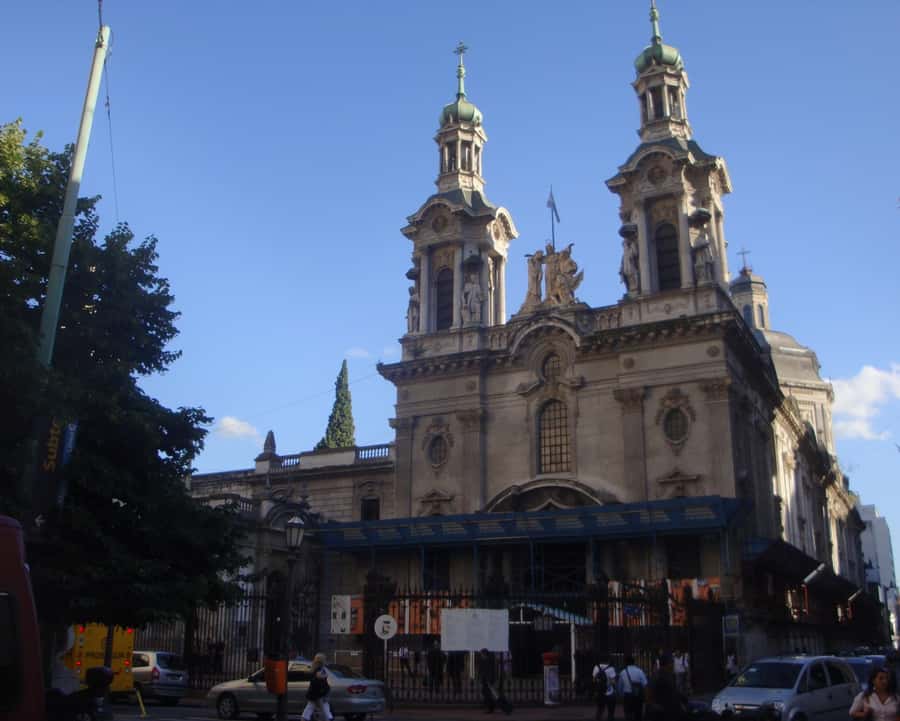
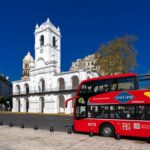
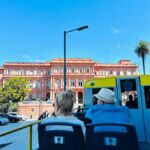
Your final major stop is the Buenos Aires Metropolitan Cathedral, which overlooks Plaza de Mayo. It’s considered the main Catholic church in Buenos Aires and was declared a historical monument in 1942.
This is where the tour’s timeline closes in a big, visible way. You’ll be told it’s a cathedral where the Archbishop of Buenos Aires, Jorge Bergoglio, gave important Masses. And you’ll also learn that devoted followers awaited the announcement of his being proclaimed Supreme Pontiff here.
What makes this ending satisfying is the contrast. Earlier stops are about early life—Flores streets, schools, baptism, and a teenager’s call. Then you stand at the symbolic center of the city, in the massive public square where global moments have local echoes.
If you want to extend your experience, this is a good place to linger after the tour. The cathedral can work as a quiet “reset” before you head back into Buenos Aires’ noise.
Price and logistics: what $132 gets you in 3 hours
For $132 per person over 3 hours, you’re paying for three things: access to multiple key sites, guided explanation that ties them together, and included transfers to keep the day from turning into navigation.
Where the value really shows: the tour doesn’t stop at one cathedral. It strings together childhood home, education-related sites, a major basilica tied to the “divine call,” baptism, an old Jesuit church, and then Plaza de Mayo. In other words, it’s built to give you a coherent story rather than isolated photo stops.
The small-group limit (max 15) also matters for value. With that size, the guide can actually respond to what you’re curious about, and you’re less likely to feel like you’re stuck behind someone all day.
A couple of practical points that affect comfort and value:
- Bring a passport or ID card (required per the tour notes).
- Wear comfortable shoes; you’ll be on your feet across several neighborhoods.
- Food and beverages aren’t included, so plan a light snack or save breakfast/lunch for afterward.
- The info you may see on accessibility is inconsistent: one part says wheelchair accessible, another says not wheelchair accessible. If you need wheelchair access, verify directly with the operator before booking.
Who should book (and who should skip this one)
This tour fits best if you’re traveling for story, not just monuments. If you’re curious about how a life develops—where someone’s values form—you’ll probably love the structure. It’s also ideal for religious travelers who want context without sitting through long visits.
It’s a solid choice for first-time visitors who want a focused slice of Buenos Aires beyond tango and neighborhoods. You’ll get a sense of San Telmo as a start point, then Flores and Montserrat as part of the Francis timeline.
It may be less satisfying if you want a fully relaxed sightseeing pace with lots of free time inside each building. Because it’s only three hours and depends on schedules, you’ll be guided through and moved along.
Should you book the Pope Francis 3-hour small group tour?
I’d book it if you want a concentrated, guided walk through the Buenos Aires that shaped Pope Francis—from early life in Flores to the ending focus at Plaza de Mayo Cathedral. The route makes sense, the group stays small, and the guide-led explanations are a big part of why people rate it so highly—especially the strong ability to connect places to meaning.
Skip or at least verify details if accessibility is a must for you, because the notes you may see conflict. Also, if you need a completely flexible schedule for the day, remember that church and basilica timing can affect what’s possible.
If your goal is to understand the person behind the title using real places you can stand in, this one is a great use of three hours.
FAQ
What time does the tour start?
It starts at 10:00 am.
Where do I meet for the tour?
You meet at Defensa 831, San Telmo, Buenos Aires (Tangol’s office).
How long is the Buenos Aires Pope Francis tour?
The tour lasts 3 hours.
How big is the group?
The tour has a maximum of 15 travelers.
Which languages are the guides available in?
The live guide speaks Spanish, English, and Portuguese.
Is food included?
No. Food and beverages are not included.
What should I bring?
Bring a passport or ID card and wear comfortable shoes.
Is the tour wheelchair accessible?
The provided information is mixed: it mentions wheelchair accessibility, but it also states it is not wheelchair accessible. If this is important, confirm with the operator before booking.
What’s not allowed during the tour?
Luggage or large bags are not allowed.
Can the itinerary change?
Yes. The route may change depending on mass schedules or availability of the basilicas.