REVIEW · FOOTBALL & STADIUM TOURS
Buenos Aires: Tickets to River Plate Museum
Book on GetYourGuide →Operated by Grupo Summa · Bookable on GetYourGuide
River Plate has a way of feeling bigger than football. At the River Museum, the story is staged like a trip through time, with a time tunnel and a 360 cinema that keeps you plugged into the fan experience. The main thing to watch: on home-game days, stadium entry can be affected, and special events can change sightlines.
I like that the museum is built for momentum. You move through key eras, figures, teams, famous goals, major wins, and the trophies River Plate prize most, all in order from the club’s beginnings. A second reason I’d put this on your Buenos Aires short list is the optional stadium add-on, where you see the stadium from the stands and can even step onto the field from a playpen.
There are two practical caveats to keep in mind. One is language and communication—one guest report noted the tour was entirely in Spanish, with no English audio provided in their case. The other is logistics around stadium days, including a note that even if an event limits views, it may not be grounds for a claim.
In This Review
- Key highlights you’ll actually care about
- River Museum timing: a one-day plan that’s easy to fit in
- The time tunnel at River Museum: where River Plate’s big moments line up
- 360 cinema: the fan emotion room
- Optional stadium visit: the largest arena view plus a step onto the pitch
- Guides and small-group format: helpful in the best way
- Price and value: what you’re paying for at $27
- Transfer and pickup: how to avoid losing time in Buenos Aires
- Food and comfort: what to plan since it’s not included
- Who this River Museum visit is best for
- Should you book River Plate Museum tickets?
Key highlights you’ll actually care about
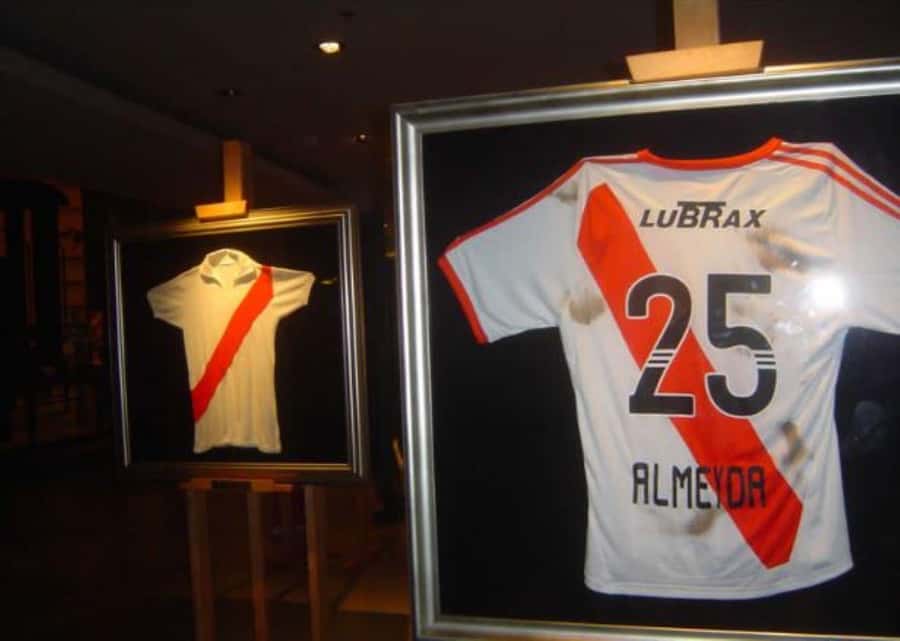
- Time tunnel timeline: A chronological walk through River Plate milestones, from early professional steps to glory years.
- 360 cinema fan film: A projected film meant to express the emotions of millions of supporters.
- Stadium access option: If you choose the full visit, you’ll appreciate the stadium from the stands and enter the field from a playpen.
- Small-group feel: Fewer people means it’s easier to ask questions and get clarity from the guide.
- Guides with real club knowledge: Named guide feedback includes Fausto (friendly) and Cristian (very informed).
River Museum timing: a one-day plan that’s easy to fit in
This is a 1-day outing, with starting times based on availability. For a Buenos Aires schedule, that matters: you can usually slot it between other sights without committing to a long, half-day push.
You’ll also have choices that affect how full your day feels. If you book a standard museum visit, it’s focused. If you select the full-visit option, the experience stretches into stadium viewing and a brief look from the pitch area.
At $27 per person, the price is mainly for the guided museum experience. The best value comes from matching your ticket choice to what you want most: stories inside the museum, or the extra stadium moments.
You can also read our reviews of more tours and experiences in Buenos Aires

The time tunnel at River Museum: where River Plate’s big moments line up
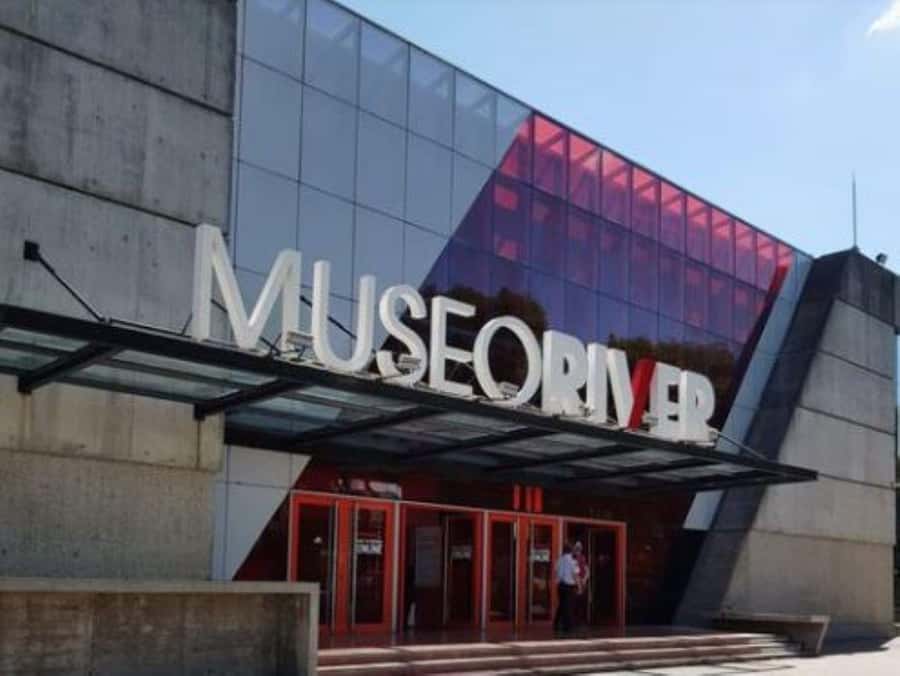
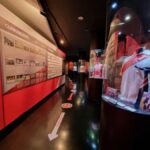
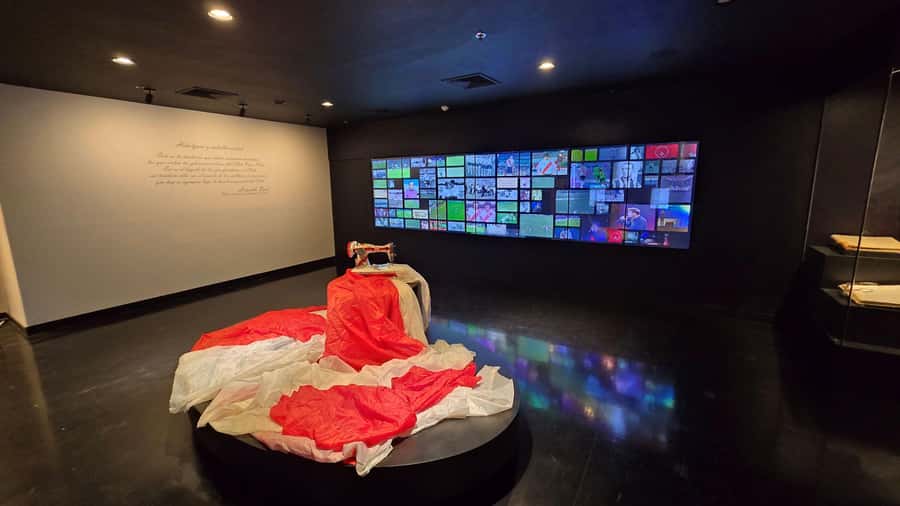
The River Museum opened on November 9, 2009, and it’s built around one core idea: connect the club’s identity to the people and moments that shaped it. Instead of a static wall-and-label approach, you travel through the museum’s main feature—the time tunnel—which lays out the story in sequence.
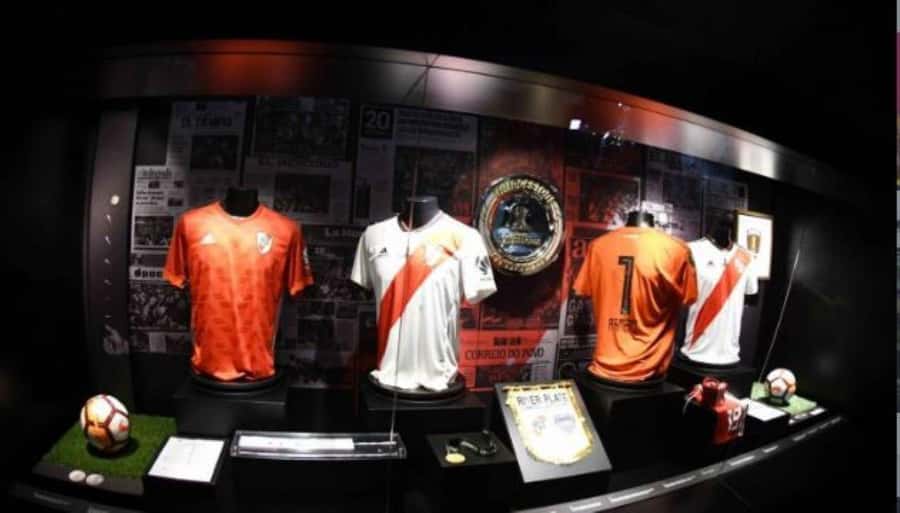
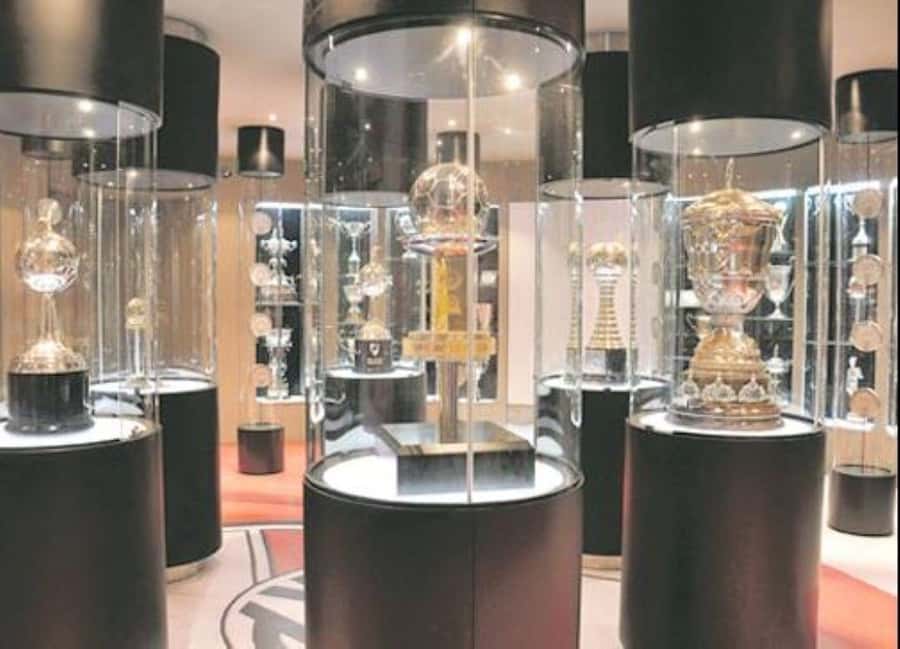
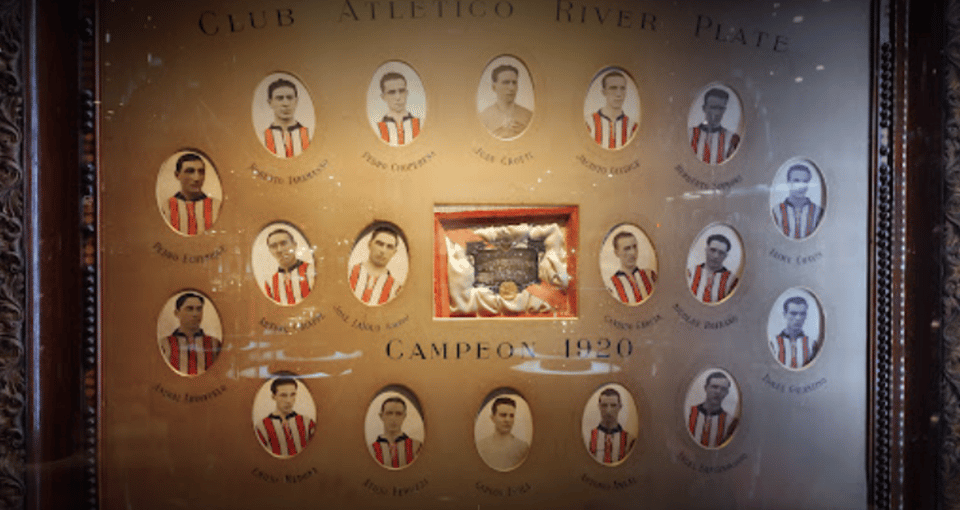
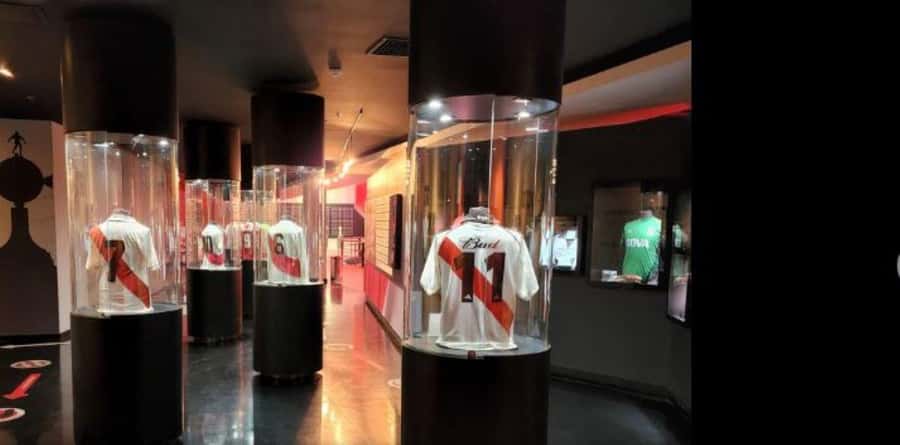
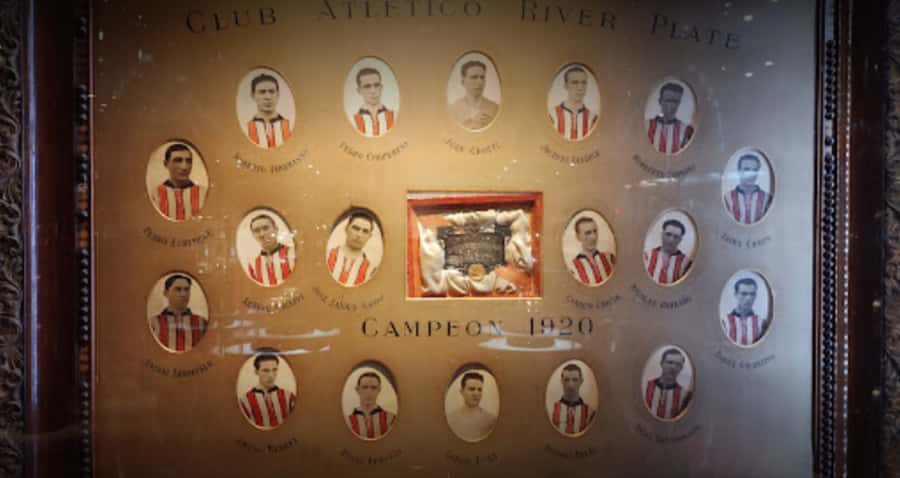
As you move through the timeline, you’ll encounter the club’s origins, key figures, and the teams that helped make River Plate what it is today. The museum also highlights famous goals, memorable victories, and the most valuable trophies. For me, that chronological structure is the secret sauce: it helps you understand why certain eras mattered, instead of just memorizing names.
And yes, the tone is intentionally dramatic. The museum leans into mystique—part sports museum, part storytelling set—so even if you’re not a hardcore fan, you still get a sense of momentum and meaning.
360 cinema: the fan emotion room
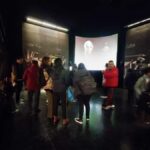
Right after the timeline experience, the museum brings you into a 360 cinema room. Here, a film is projected to express the feelings of millions of fans.
That kind of presentation does two useful things. First, it gives you an emotional shortcut to what supporters mean when they talk about River Plate identity. Second, it breaks up museum walking with a different sensory style—sound and wrap-around projection instead of text panels.
If you’re traveling with someone who cares deeply about football culture, this is often the part that lands hardest. Even if you only catch a few moments, you’ll understand the vibe the club is trying to communicate.
Optional stadium visit: the largest arena view plus a step onto the pitch
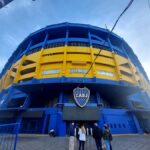
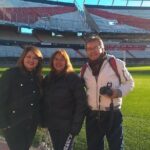
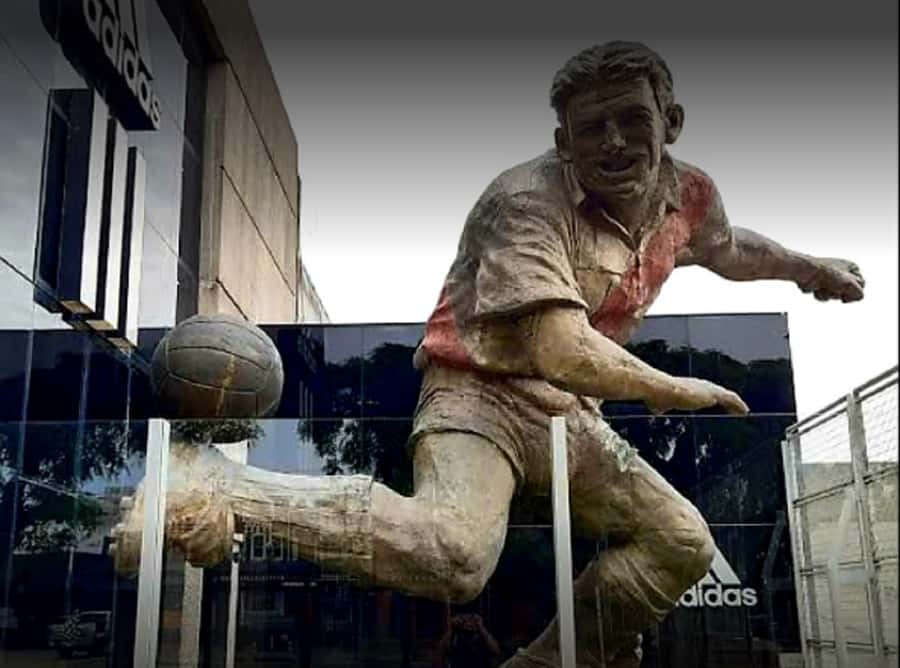
If you choose the full visit option, you get more than museum rooms. You’ll appreciate the largest stadium in Argentina from the stands, with seating space described as more than 3,437 square meters. You’ll also be allowed to enter the playing field area to see the pitch from a playpen.
This is where your ticket can shift from a story-focused museum day to a once-in-a-lifetime stadium moment. Seeing a big stadium from inside is different than watching highlights. The proportions feel real. The view lines matter. And for football fans, stepping closer to the pitch—at least from the permitted area—helps the whole club narrative click.
Two cautions keep this from being a perfect world guarantee. The activity notes that on days River Plate plays at home, stadium entry may be affected. It also warns that if events held in the stadium create scenarios that affect the view, that may not justify a claim. Translation: your best bet is to plan with flexibility if your visit lands near a home match.
Guides and small-group format: helpful in the best way
One of the strong signals in the feedback is guide quality. I like that this isn’t just a drive-by audio tour. Named guide comments include Fausto for friendliness and Cristian for knowledge and cordiality.
The small group aspect also matters. With fewer people, your questions are easier to answer, and the guide can keep the story coherent rather than rushing to get everyone through.
Now, the fair warning: one account described a frustrating experience with what looked like an express option. They said there was a pickup/collection issue (a long wait and then an upgrade), and the tour they received was entirely in Spanish. They also noted there was no English audio through a headset and that the memory photograph brochure was only available in Spanish.
So if you need English interpretation, treat it as a question to ask before you go. If the tour will run in Spanish only, it doesn’t make the museum worse—but it can change how much you get out of it.
You can also read our reviews of more museum experiences in Buenos Aires


Price and value: what you’re paying for at $27

Here’s how I’d frame the value at $27 per person. You’re buying entry to a museum experience that includes:
- the time tunnel timeline experience
- the 360 cinema room
- and, depending on your chosen option, stadium viewing and access from the field via a playpen
The part that feels most “worth it” is the pairing: historical storytelling plus an emotion-driven cinema space. Many football museums give you one or the other. This combines both, so the museum doesn’t become just reading time.
If you’re deciding between options, be honest about your priorities. If your heart is in the club’s story, the museum-centered choice is likely enough. If you want the stadium connection, choose the full visit option so your day includes the stands and pitch moment.
Transfer and pickup: how to avoid losing time in Buenos Aires
This experience can include tickets + transfer if you pick that option. Pickup is also described as optional, with a simple instruction: wait 5 minutes before the time indicated in the lobby.
Those details matter because they affect your pacing. A stadium-linked visit can’t benefit from rushing. If your pickup point is in a lobby and you arrive late, you may miss the connection window and waste time sorting it out.
If you’re trying to keep the rest of your day smooth, plan to show up a bit early. And if you select an express-style option, it’s worth confirming—before you leave—where you should be waiting and who collects the group.
Food and comfort: what to plan since it’s not included
Food isn’t included. That’s not a deal-breaker, but it changes how I’d prep.
I’d bring a small snack and water if you’re the type who hates getting hangry mid-visit. The museum portions can take a noticeable chunk of time, and you don’t want to spend your energy hunting for food when you could be watching the 360 film and moving through the timeline calmly.
Who this River Museum visit is best for
This is a smart choice if you’re in Buenos Aires and want a football-themed visit that feels more like storytelling than a basic checklist.
It’s especially good for:
- River Plate fans (obviously)
- football history lovers who like timelines and key moments
- families with kids old enough to follow a museum story (the cinema room usually helps)
- travelers who want a structured activity that fits into a 1-day slot
If you’re only casually interested in football, you’ll still get something from it, thanks to the way it’s staged and the emotional cinema segment. Just remember that the experience quality depends partly on the language delivery—so if you’re not comfortable with Spanish, ask in advance.
Should you book River Plate Museum tickets?
I’d book if you want a compact, football-identity experience with two memorable anchors: the time tunnel storyline and the 360 cinema fan film. The optional stadium access is the extra draw that makes it feel more than just museum time.
I wouldn’t book last-minute if your visit lines up with a River Plate home match unless you’re okay with possible stadium entry changes. And if you need English, treat the language question as important—not an afterthought.
If your schedule is flexible and you’re even a little into the club culture, this is a strong way to spend a day in Buenos Aires Province with a clear payoff.