REVIEW · FOOTBALL & STADIUM TOURS
River Plate Stadium and Museum Guided Tour
Book on GetYourGuide →Operated by BUENOS AIRES PASS · Bookable on GetYourGuide
Some stadium tours feel like a quick photo sprint. This one is different because it ties River Plate’s story to the exact places you’ll walk through in Núñez. You get a skip-the-line entrance and a private guide who keeps the pace human-sized, not factory-fast. If you’re lucky enough to have Juan, you’ll see why that name kept popping up in recent feedback: friendly, helpful, and ready to answer questions.
I also like that the museum portion doesn’t just list trophies. It helps you understand why fans call the club El más grande and why River Plate matters far beyond Buenos Aires. One consideration: stadium access details like the tunnel and visitors’ changing room can change if there’s a match, concert, training, renovation, or cleaning happening that day—so your visit might feel slightly different from what you expected.
In This Review
- Quick highlights
- The skip-the-line entrance at River Plate Museum
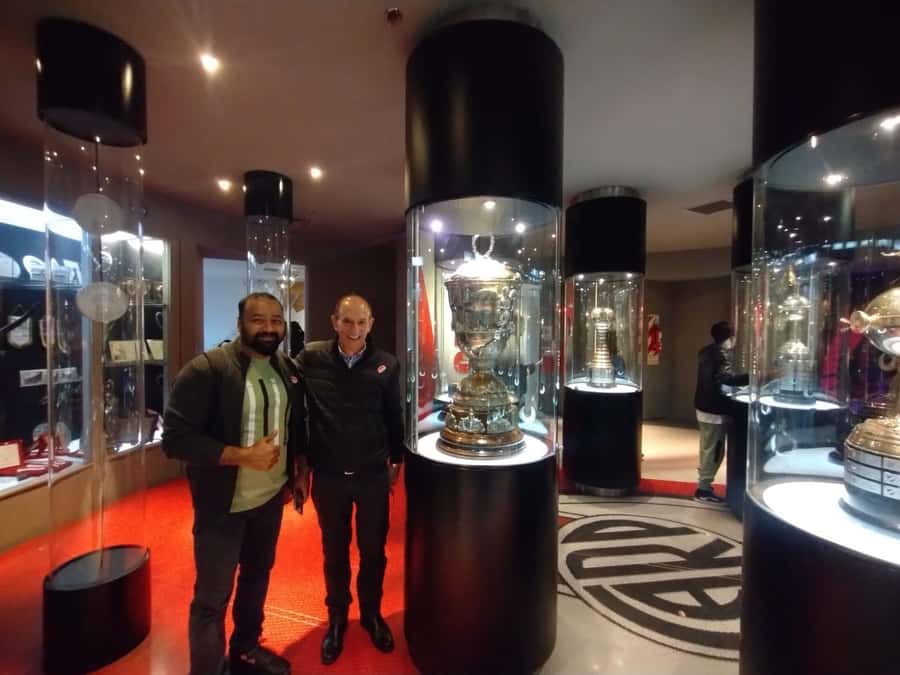
- Museum walkthrough: where River Plate’s story becomes real
- Into Núñez: understanding the stadium’s scale at 86,000
- Stadium areas: what you’ll see and why they matter
- Tunnel and visitors’ changing room: match-day perspective (with a caveat)
- Snack and souvenirs: small value, good timing
- Price and value: is $117 worth it?
- Best for: who should book this River Plate tour
- A heads-up on changes, heat, and what to bring
- Should you book this River Plate Stadium and Museum Tour?
- FAQ
- How long is the River Plate Stadium and Museum guided tour?
- Where do I meet for the tour?
- Is skip-the-line access included?
- What languages are the live guides available in?
- What’s included in the ticket price?
- Are transfers to and from the tour included?
- What should I bring?
- Is the tour wheelchair accessible?
Quick highlights
- Skip-the-line entry through a separate entrance so you waste less time waiting
- Private group touring at a comfortable speed with an English, Portuguese, or Spanish guide
- Museum + stadium stops built around River Plate’s 100+ year legacy in Núñez
- Tunnel and visitors’ changing room included when the stadium schedule allows
- Snack and souvenirs included, so you leave with less to hunt for later
- Wheelchair accessible experience, with tour access designed for mobility needs
The skip-the-line entrance at River Plate Museum
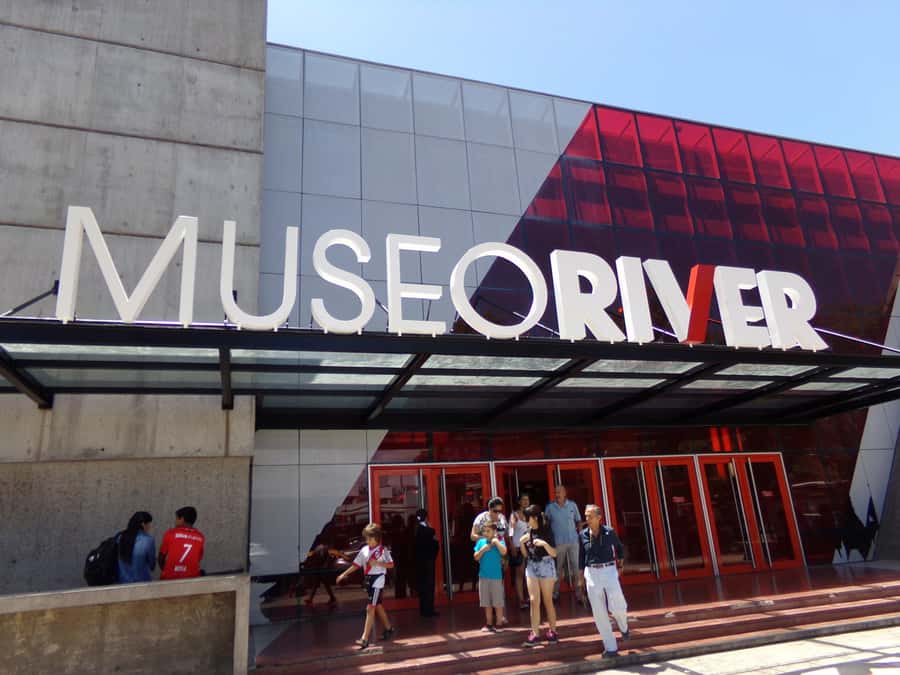
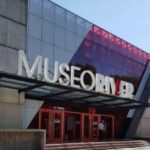
Your tour starts at the main entrance of the River Plate Museum. That matters more than it sounds. When you’re dealing with a big football venue in a busy city, the difference between lining up and walking in calmly can be the difference between “great start” and “already tired.”
This tour includes skip-the-line access via a separate entrance. In plain terms: you arrive, you’re organized, and you get moving. For first-timers, that early momentum helps you start spotting details you’d otherwise miss—club symbols, historic touches, and the way the stadium layout reflects the team’s identity.
The tour runs about 2–3 hours, which is a sweet spot. Long enough to get meaning from the museum and still cover the stadium areas you care about. Short enough that it won’t derail a full day of Buenos Aires sightseeing.
You can also read our reviews of more guided tours in Buenos Aires


Museum walkthrough: where River Plate’s story becomes real
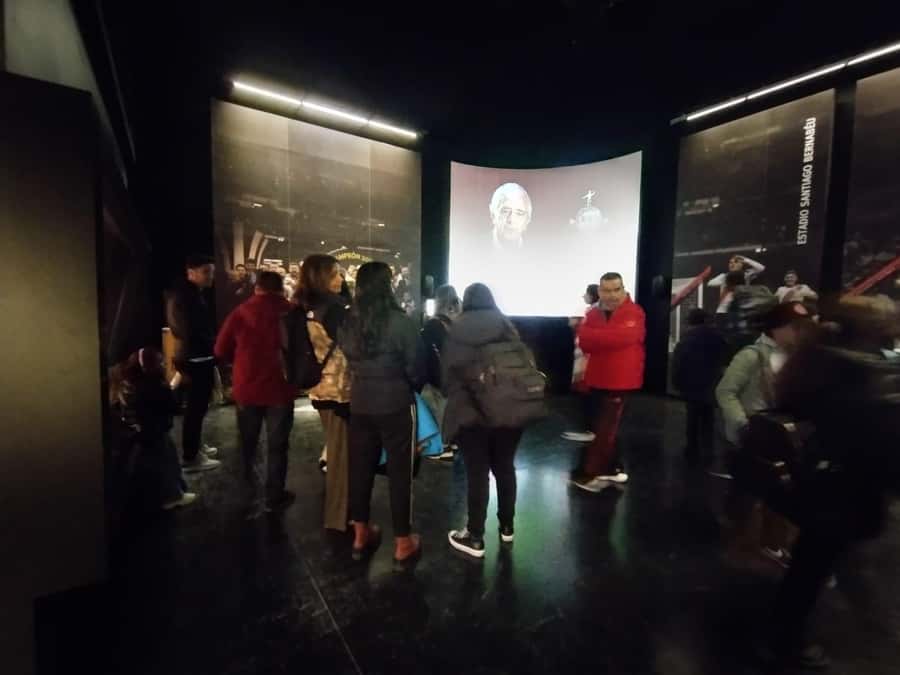
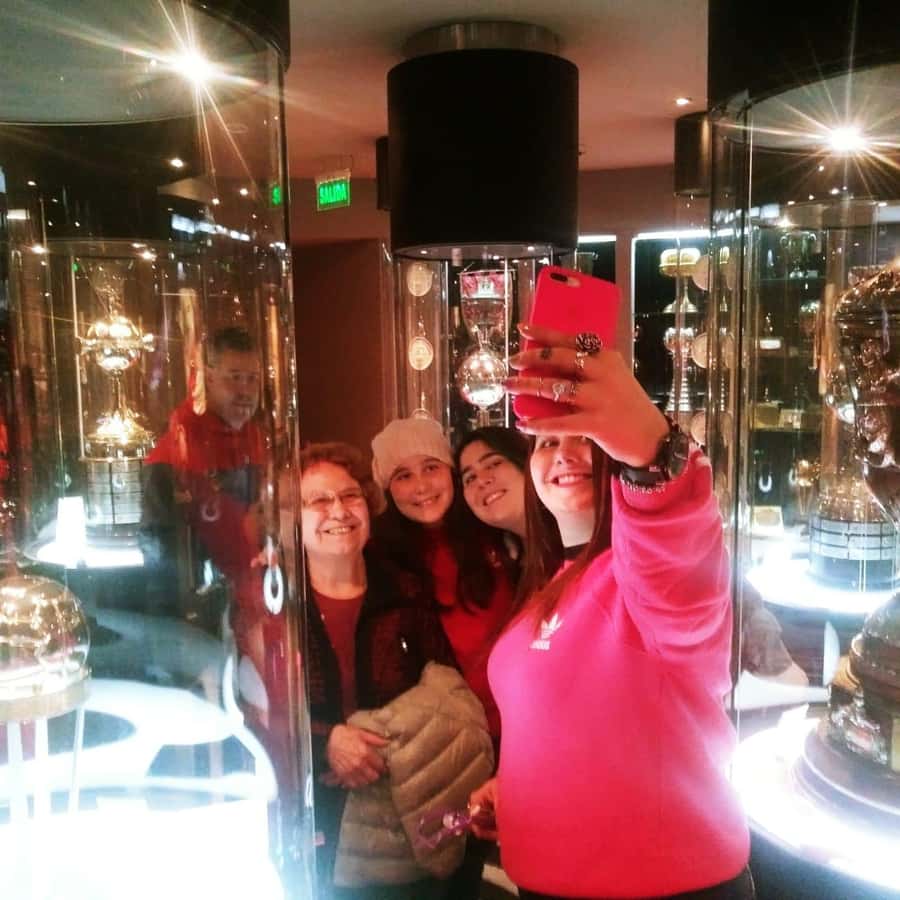
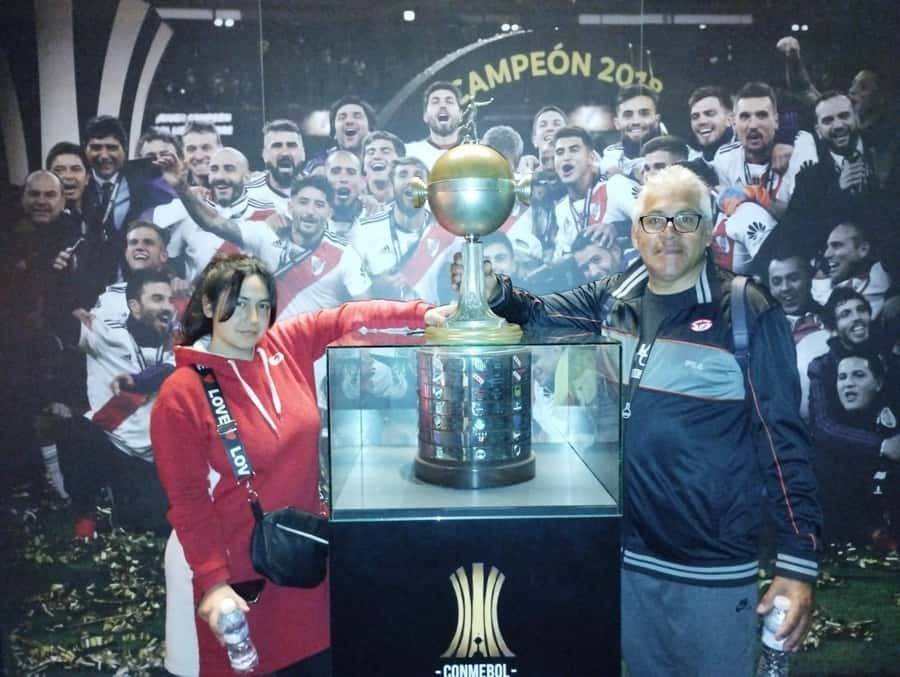
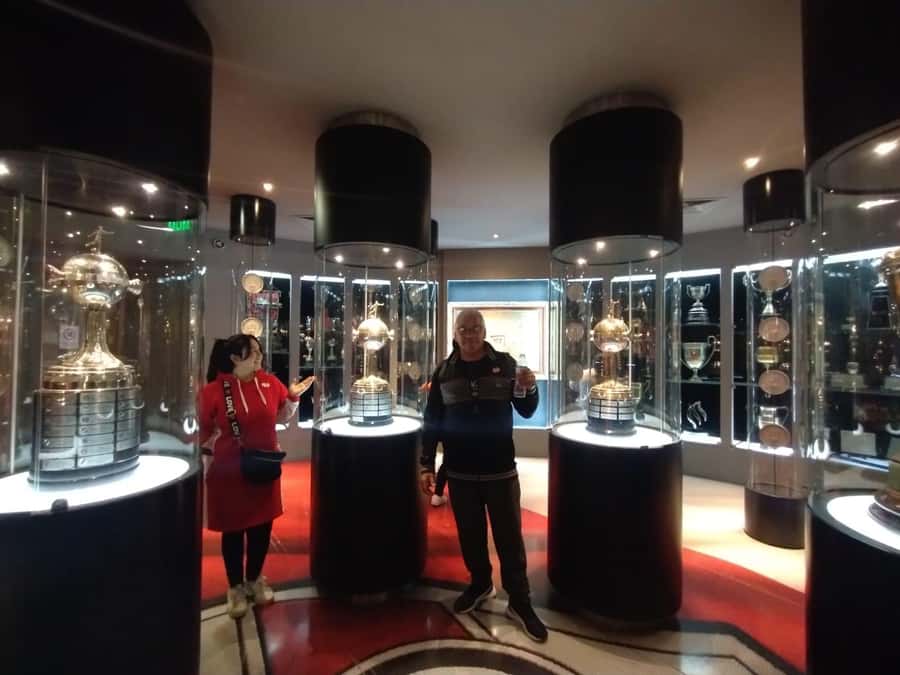
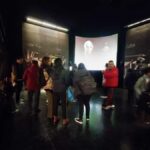
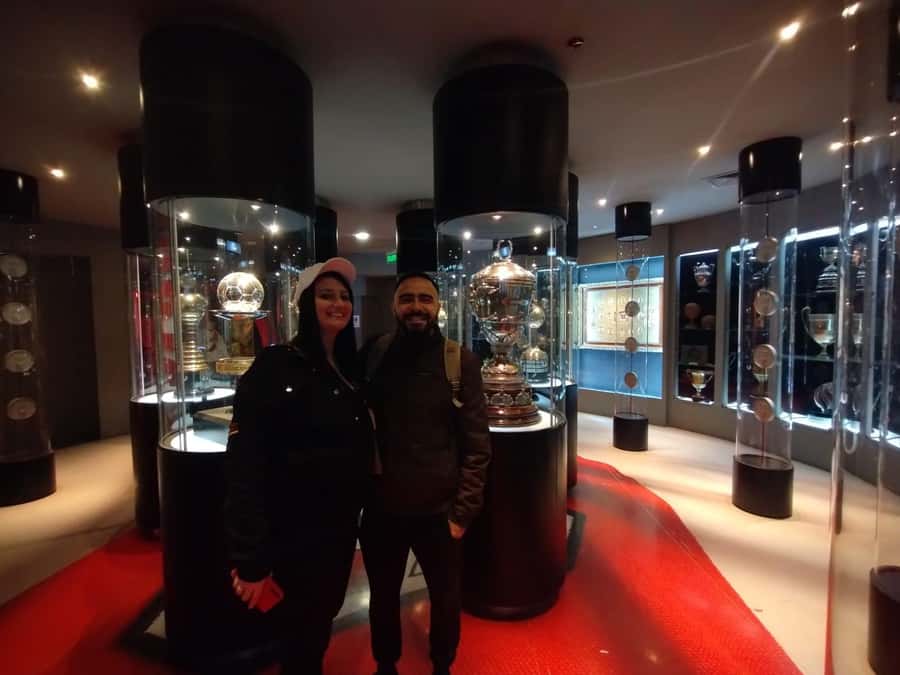
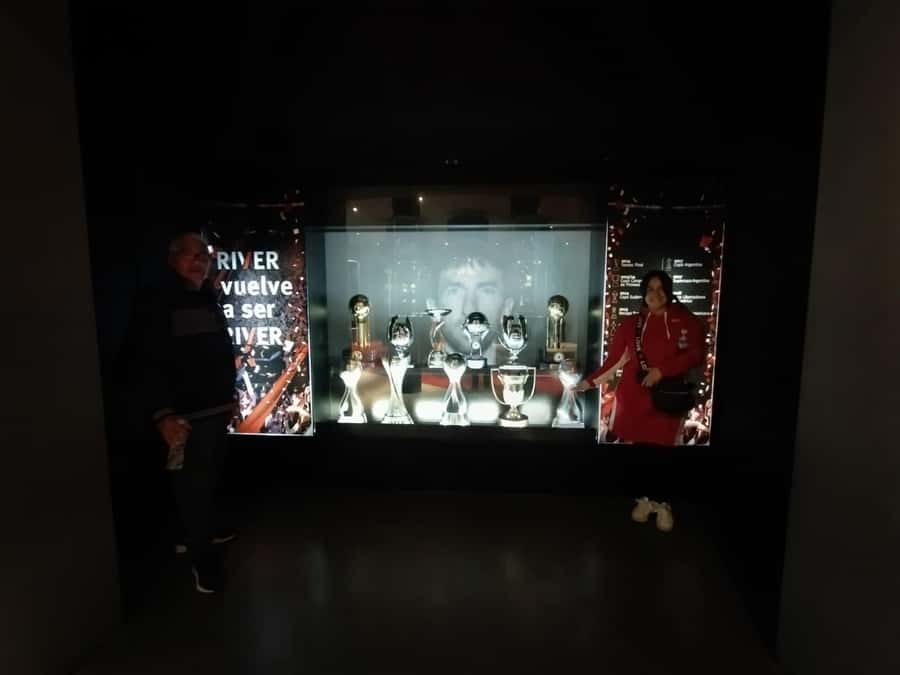
The museum is where the tour earns its value. River Plate has more than 70 titles, including four Copa Libertadores de América and three Recopas Sudamericana, plus wins in competitions like the Interamericana, Supercopa Sudamericana, Copa Sudamericana, and Suruga Bank. That’s an impressive list—but reading it on a plaque is not the same as understanding what it represents.
With a private guide, the museum becomes a story with stops. You’ll learn how the club grew from humble beginnings to one of Argentina’s “5 greats.” You’ll also connect the fandom side—how the club energizes millions of supporters across Argentina and beyond.
And then there’s the stadium link. You’re not only absorbing history in a room. The guide keeps pointing you toward how that history connects to the stadium moments you’ll soon see. This is especially useful if you don’t already know the club deeply. You’ll still leave feeling like you can talk about what makes River Plate more than a football team.
One more practical point: the museum experience is a good “tone setter” on days when you want to see something that feels distinctly local. Buenos Aires has plenty of iconic culture. River Plate adds a different flavor—one that’s Argentina-made, not just tourist-made.
Into Núñez: understanding the stadium’s scale at 86,000
Then you shift from exhibits to real space. River Plate’s stadium sits in Núñez, and it’s huge—86,000 spectators. That size isn’t just trivia. It changes how you experience the grounds. Even before you’re in the stadium areas, you feel the scale: the sense that this club is built to host mass energy.
Your guide also sets the context around the club’s role in national football. River Plate isn’t only a local rival; it’s intertwined with Argentine moments, including the 1978 World Cup victory by Argentina, which the stadium witnessed.
You’ll also get the emotional geometry of the game. River Plate’s eternal rival is Boca Juniors, and knowing that helps you read what you’re seeing. The stadium isn’t just architecture—it’s where that rivalry becomes visible, year after year.
One small drawback to keep in mind: the tour visits may adapt to what’s going on inside the stadium. If there’s a match, concert, training session, or any kind of maintenance, certain areas might be off limits. The good news is that the tour is still structured around museum + stadium core areas, so you’re not wandering without direction.
Stadium areas: what you’ll see and why they matter
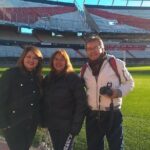
When you enter the stadium, the experience shifts from learning to observation. Your guide helps you notice the parts of the venue that shape the fan experience and the team experience.
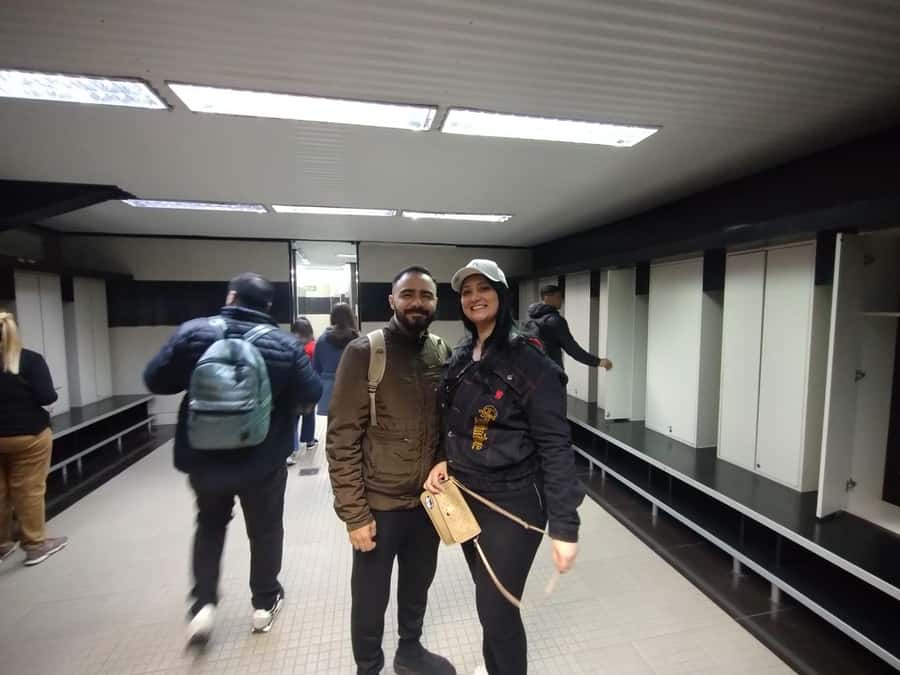
This tour includes access to the stadium and a single tunnel (when available), plus the visitors’ changing room. Those aren’t random add-ons. They show you the match pathway—from announcement moments to the place where visiting teams prepare to walk out. Even if you’ve watched football all your life, seeing the physical route helps it click.
Here’s why I think this part is so valuable: in most stadium tours, you only get the “crowd view.” This one gives you a bit more of the backstage logic. It helps you understand why stadium atmosphere is built from sound, timing, and movement—not just from the stands.
Also, because this is a private group, you’re less likely to feel herded. You can ask practical questions like how the stadium is used day-to-day, or how the club’s traditions show up in the spaces you’re walking through.
Tunnel and visitors’ changing room: match-day perspective (with a caveat)
The tunnel and visitors’ changing room are often the “wow” pieces—when they’re included. Your tour includes them, but there’s one important caveat: access can be subject to change due to matches, concerts, training sessions, renovations, refurbishment, or even cleaning.
So think of these as included when the stadium schedule allows. If access is altered on your day, you’ll still get the main museum + stadium experience, but the exact backstage access might be slightly different.
If you do get the tunnel: this is where you’ll feel the match-day choreography. The structure guides your sense of anticipation. Even without a game happening, you can picture the pace and pressure.
If you do get the visitors’ changing room: it gives you a reality check on what “away team” means in a stadium like this. You’re standing in the space where visiting players reset mentally—before stepping into a place built for noise and momentum.
Either way, go in with the mindset that you’re seeing a working stadium, not a theme park.
You can also read our reviews of more museum experiences in Buenos Aires

Snack and souvenirs: small value, good timing
You’ll also get a snack and souvenirs as part of the included package. This is practical. Two to three hours can add up in the heat, and Buenos Aires weather can surprise you. Getting a snack built into the flow means you’re not hunting for food right when your attention is best spent on the tour.
Souvenirs are a bonus, but I look at them as “permission to keep it simple.” You don’t have to add an extra stop just to buy something memorable. The tour package already accounted for those extras.
One balanced note: there’s at least one negative experience in the feedback where the contracted snack wasn’t received and the guide situation felt off. That’s not typical from the overall feedback pattern, but it’s still worth keeping in mind. If you arrive and the day feels disorganized, speak up early so you can get the included items sorted.
Price and value: is $117 worth it?
At $117 per person for a 2–3 hour private tour, the value depends on what you want most.
If you care about meaning—history, context, and guided interpretation—this price makes sense. You’re not paying only for entry tickets. You’re paying for:
- a live guide (English, Portuguese, or Spanish)
- skip-the-line access
- museum + stadium access
- tunnel and visitors’ changing room access where possible
- snack and souvenirs
Also, River Plate is a stadium where timing matters. A skip-the-line entrance can be the difference between getting the full experience and wasting time. In a venue this size, that’s real money saved in stress.
Where the price can feel less attractive: if your main goal is a quick stadium photo and you’re happy with a self-guided visit. In that case, you might find cheaper options. But if you want the story behind the sights, I think the guide-led format is where the cost starts to justify itself.
Best for: who should book this River Plate tour
This tour fits you best if:
- you like football history you can actually connect to places
- you want a private group pace rather than a crowded shuffle
- you enjoy backstage perspectives like the tunnel and visitors’ changing room
- you’d rather have a guide explain why River Plate became such a dominant club
It’s also a strong choice if you’re traveling with limited time in Buenos Aires. Two to three hours is workable between neighborhoods.
And if accessibility matters for you: the tour is listed as wheelchair accessible. That’s a big checkbox for many visitors.
A heads-up on changes, heat, and what to bring
Even the best schedule can get nudged in stadium environments. Your tour is designed with the understanding that access areas may change based on what’s happening on-site. That’s common for live venues, not a personal failure.
Plan for the outdoors too. The tour includes outdoor stadium movement, so bring:
- a passport and/or ID card
- comfortable shoes
- sunglasses, a sun hat, and sunscreen (biodegradable sunscreen is noted)
Not allowed: alcohol and drugs. Keep it simple, keep it clean, and you’ll have fewer hassles at entry points.
Should you book this River Plate Stadium and Museum Tour?
I’d book it if you want more than a checklist. The best part here is the combination of museum context and stadium access, guided in a private format. The tour’s overall feedback points to one theme: people leave feeling they learned a lot and had a smooth experience—especially when the guide is genuinely engaged.
I’d think twice only if you’re extremely strict about getting tunnel and changing-room access no matter what. Because the stadium can adjust access for events and maintenance, you should treat those areas as included when available, not guaranteed in every scenario.
If your goal is to understand why River Plate fans call it El más grande and to walk through the club’s physical story in Núñez, this is a solid use of your time.
FAQ
How long is the River Plate Stadium and Museum guided tour?
It’s listed as 2 to 3 hours.
Where do I meet for the tour?
You meet at the main entrance of the River Plate Museum.
Is skip-the-line access included?
Yes. The tour includes skip-the-line entry through a separate entrance.
What languages are the live guides available in?
The live tour guide is available in English, Portuguese, and Spanish.
What’s included in the ticket price?
Included are skip-the-line access, tickets, museum entrance, stadium access, a single tunnel, and visitors’ changing room (when available), plus a snack and souvenirs.
Are transfers to and from the tour included?
No. Transfers in/out are not included.
What should I bring?
Bring a passport and/or ID card, plus comfortable shoes, sunglasses, a sun hat, and sunscreen (biodegradable sunscreen is noted).
Is the tour wheelchair accessible?
Yes, the tour is listed as wheelchair accessible.