REVIEW · ASADO & STEAKHOUSE EXPERIENCES
Buenos Aires: Santa Susana Ranch Day Tour, BBQ & Shows
Book on GetYourGuide →Operated by Gray Line Argentina · Bookable on GetYourGuide
Want a taste of Argentina beyond the city?
On this Santa Susana ranch day tour, I like how the day mixes real countryside rhythms with hands-on gaucho traditions. You’ll start with a ranch welcome of empanadas and wine, then move through museum and chapel time, carriage rides, and a full program of gaucho demonstrations. One thing to keep in mind: for the price, you’ll want the show and horse-skill moments to be your priority, because the ranch visit itself has a lot of watching and a bit of riding.
I also like that the food feels built for the experience, not bolted on at the end. Lunch is a proper Argentine grill spread with salads, drinks, dessert, plus an afternoon snack with mate or coffee and cakes. The day closes with a tango and folklore show, including malambo with boleadoras, and horse-focused events like ring races and roundups. The one possible drawback is communication around pickup time and meeting point can make-or-break the day if your hotel isn’t on the standard itinerary.
If you like structured cultural performances with a countryside setting, this one fits.
You’ll get about 8 hours away from Buenos Aires, led by a multilingual host, with hotel transfers (for many centrally located hotels) plus a ranch welcome, meal plan, and big finale show.
In This Review
- Key highlights worth your attention
- Estancia Santa Susana: where gaucho tradition is the whole point
- Pickup and the first big decision: timing and meeting point
- The Pulpería welcome: empanadas and wine to set the mood
- Museum and chapel time: the quiet half of the day
- Getting around the ranch: antique carriages and sulkies
- Lunch at the ranch: Argentine grill, salads, dessert, and drinks
- Gaucho skills demonstrations: the part you came for
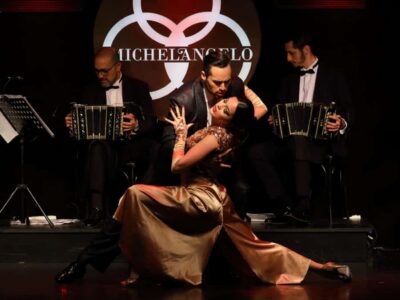
- The tango and folklore show: malambo with boleadoras
- Mate cocido and the afternoon snack: small rituals, local taste
- Price and value: is $270 a fair trade for an 8-hour ranch day?
- What to wear and pack for the countryside day
- Who this tour suits best (and who should be cautious)
- Should you book the Buenos Aires: Santa Susana Ranch Day Tour?
- FAQ
- How long is the Santa Susana Ranch Day Tour?
- What is included in the price?
- Is hotel pickup guaranteed from every hotel in Buenos Aires?
- What kind of food will I have during the day?
- Is the horse ride included?
- What shows and demonstrations are part of the experience?
- Is there free time during the tour?
- What languages will the host speak?
- What should I wear or bring?
- What if I need to cancel?
Key highlights worth your attention
- Ranch welcome at the Pulpería with wine and empanadas to kick off the day
- Gaucho skills program that includes horse work and traditional competitions
- BBQ-style lunch plus afternoon mate or coffee snack with cakes
- Tango and folklore show featuring malambo with boleadoras
- Free time on site to explore the museum and chapel, plus carriage rides
Estancia Santa Susana: where gaucho tradition is the whole point
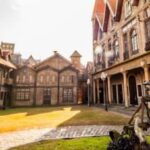
If you’re in Buenos Aires and you want more than a photo stop, an estancia day trip is one of the best ways to understand what the gaucho tradition is actually for: life, work, and celebration tied to the countryside. At Estancia Santa Susana, the setting is intentionally historical and rural, with buildings and activities designed to recreate the feel of Argentina’s past.
The ranch is about 1,200 hectares, and it’s not just a theme set. You’re visiting a working-style rural property that brings together agriculture and tourism in a single day. That matters, because it turns the experience from watching costume culture into seeing traditions framed as skills and daily routines.
Also, a nice detail: the ranch is named for Susana Caffrey, tied to founder Francisco Kelly, a descendant of Irish immigrants. That’s not the kind of story you get from a standard city tour, and it gives the day a little extra grounding—why this place looks and feels the way it does.
You can also read our reviews of more tours and experiences in Buenos Aires

Pickup and the first big decision: timing and meeting point
This tour runs about 8 hours and includes roundtrip transfers to centrally located Buenos Aires hotels. That sounds straightforward, and it usually is. But there’s an important wrinkle: some city hotels aren’t included in the pickup itinerary, so you may need to meet at a nearby point.
What I’d do: before the day arrives, confirm your pickup window and where exactly you’ll be collected. I’m not saying this to be fussy—one missed excursion usually comes down to a mismatch between what people assume and what the provider has scheduled.
If you want a stress-free start, pick a meeting plan that lets you arrive early enough to stay calm. With a day that’s built around a ranch schedule and a show later on, arriving late can shrink your experience fast.
The Pulpería welcome: empanadas and wine to set the mood
The experience starts with a warm arrival at the ranch’s Pulpería, where you’ll get wine and empanadas. This is more than a snack stop. It’s the “you’re here now” moment that makes the rest of the day click.
Empanadas are classic, and they’re a smart intro because they’re easy to enjoy without turning the morning into a complicated meal. The wine also helps shift the atmosphere from city pace to ranch pace. You’ll be settling in as the staff gets you oriented, and then the day moves into exploration and activities.
If you’re the type who gets impatient when tours waste time, this opener is a good sign: it sets expectations early, and it doesn’t drag.
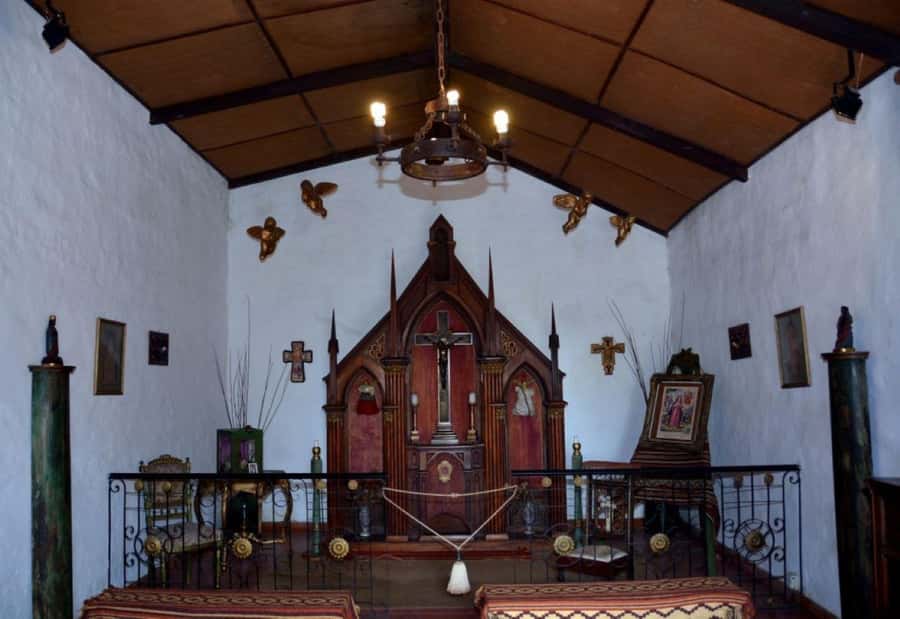
Museum and chapel time: the quiet half of the day
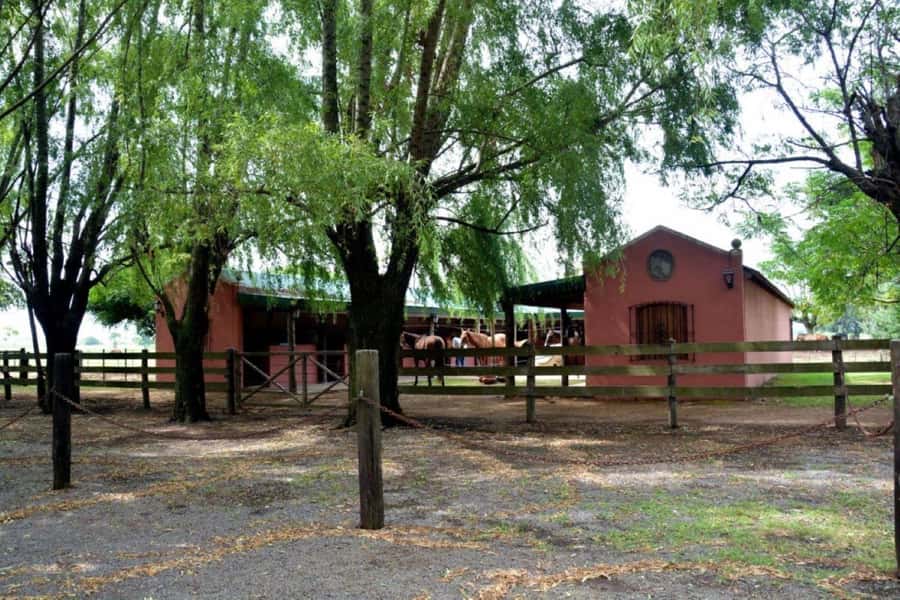
After that first welcome, you get free time to explore the museum and chapel. This is a useful break from constant demonstrations. It gives you a chance to understand the ranch’s historical vibe and to slow down for a bit.
Why this matters: tango shows and horse demonstrations are entertainment, sure. But a museum and chapel add context—especially if you like being able to connect what you see on stage to the place where it’s performed.
Possible drawback: if you’re expecting nonstop action the entire day, this portion may feel calm. For me, it’s a good balance. For someone who wants constant riding or hands-on participation, you might prefer to treat this as optional sightseeing and focus your attention on the skills portion and the show.
Getting around the ranch: antique carriages and sulkies
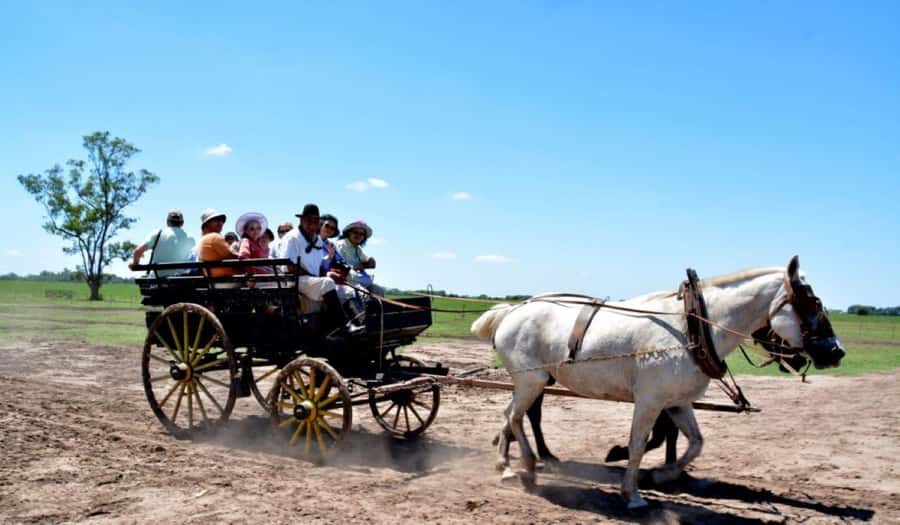
One of the more charming elements is the chance to ride in antique carriages and sulkies. These aren’t just transport; they help you feel the ranch as a lived-in world rather than a single show arena.
I like this because it’s a middle ground between passive watching and full-on participation. You’re moving at a slower speed, which makes it easier to notice how people organize space in an estancia setting: where work happens, where demonstrations take place, and how the property flows.
Important note: the tour includes these carriage rides as part of the experience, while an optional horse ride is listed as not included. If you really want to ride, you’ll need to decide on the spot whether the extra cost is worth it for you.

Lunch at the ranch: Argentine grill, salads, dessert, and drinks
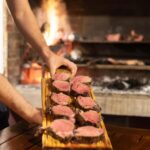
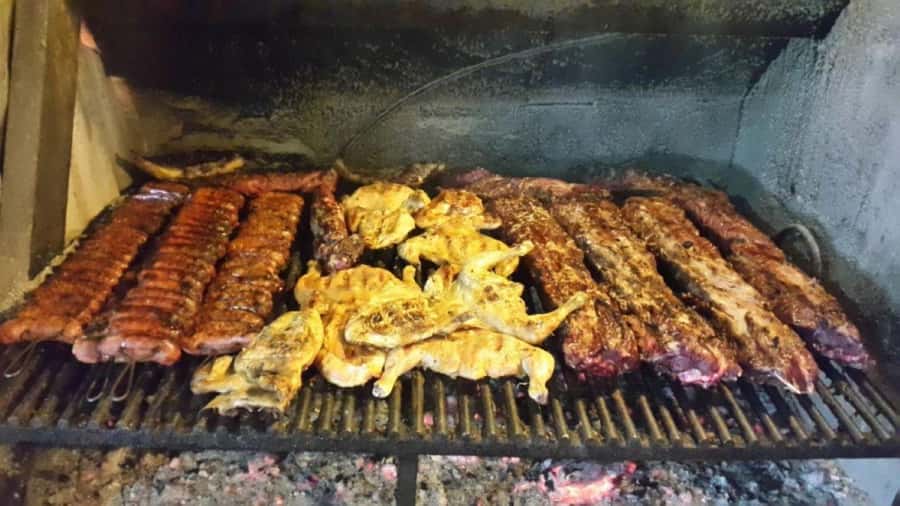
Food can make or break a day trip, especially when it includes transport and a show later. Here, lunch is built as a full ranch meal: Argentine grill, salads, drinks, and dessert.
This is the kind of meal plan that works for most people because it covers the basics in a familiar format, but still feels local. It’s not just bread and cheese. You’ll get the “this is how Argentina feeds people for an event” approach.
A couple practical tips to consider:
- If you’re sensitive to heavier meat meals, pace yourself and use the salads when you need a breather.
- Plan on staying present after lunch, because the day continues straight into more demonstrations and the grand finale show.
Gaucho skills demonstrations: the part you came for
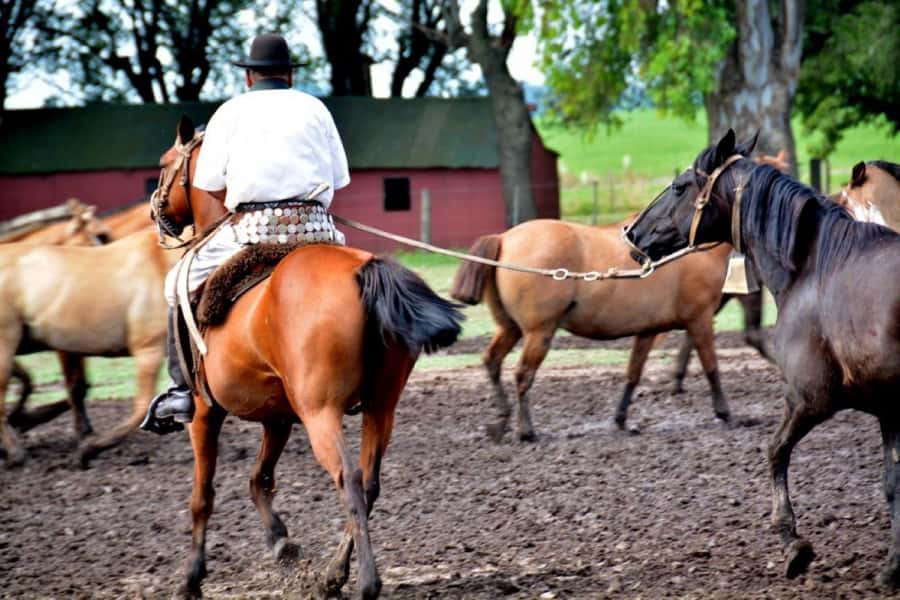
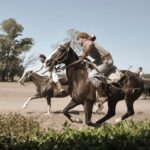
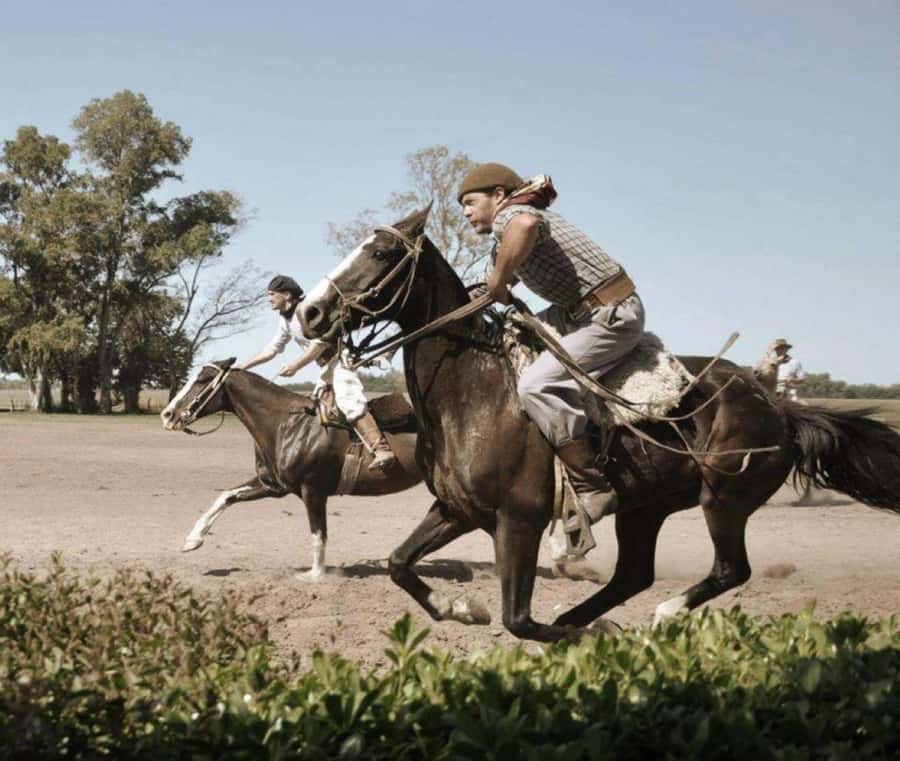
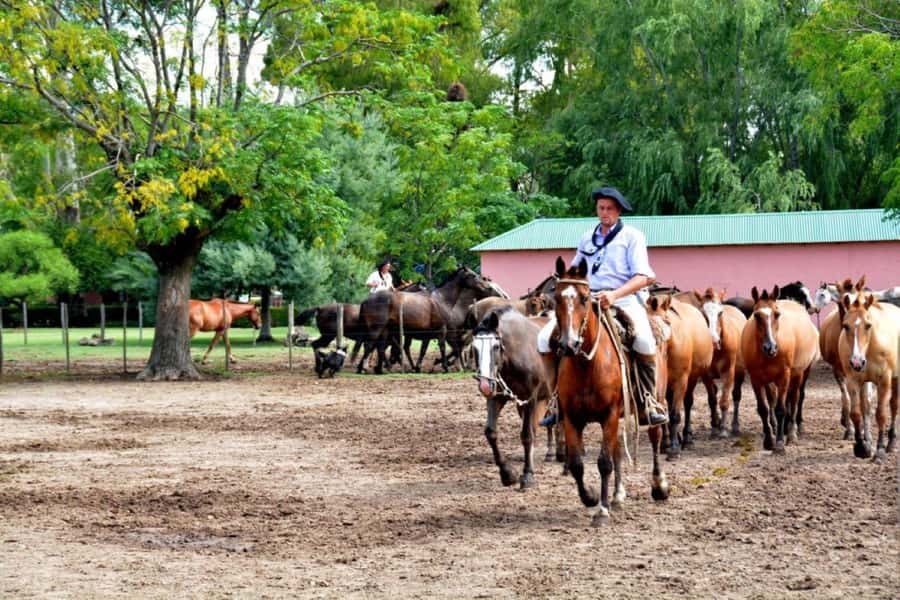
The heart of the day is the gaucho skills demonstrations, where you’ll see traditional horse-related work and competitive-style ranch activities. This is where the tour aims to earn its cultural label.
The program includes classic events like:
- Ring races
- Horse roundups
- Traditional horse races
Then there’s the show segment, which brings in more dance and performance, but the skills portion is where you’ll likely feel the “real skill” angle most. You’re not only watching tango choreography; you’re also seeing how ranch life treats control, timing, and coordination as practical expertise.
About hands-on participation: the information you have points to demonstrations more than training lessons. So if your personal dream scenario is learning to rope or run drills like a gaucho would, this may feel like observation rather than instruction. Still, if you enjoy skill performances, you’re in the right place.
The tango and folklore show: malambo with boleadoras
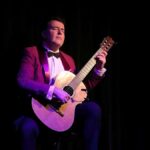
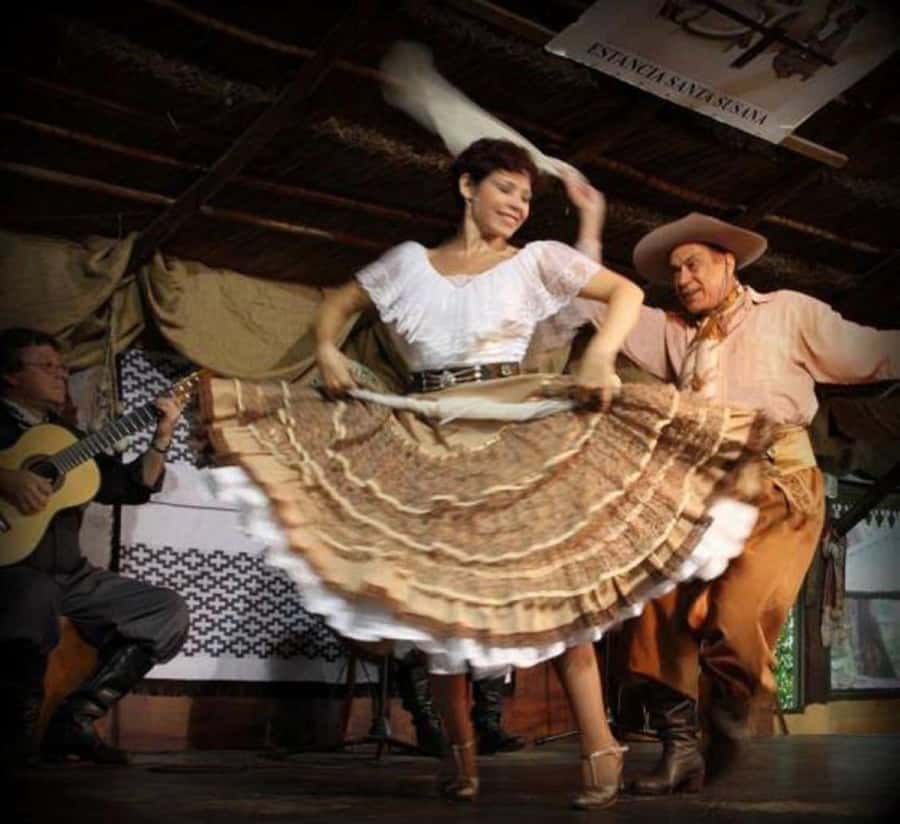
When the day closes, it turns into performance. The finale is a tango and folklore show with highlights that sound tailor-made for first-timers.
Key moments include:
- Malambo with boleadoras
- Demonstrations of traditional Argentine skills during the show
- Continued horse-skill events
This is also where you’ll likely notice the best “spectacle-to-story” ratio. In other words, even if the ranch museum portion felt slow for you, the show is designed to land the emotional impact.
The ratings reinforce this. One recent review praised the artistic show as spectacular and also called the food very good. Another strongly positive reaction described the overall experience as fabulous. Meanwhile, a less enthusiastic review found the activities average for the cost, with the tango display standing out more than the rest.
So my advice is simple: if you’re excited about tango and folklore as the main event, you’re likely to enjoy the day more than if you’re expecting a fully interactive gaucho workshop.
Mate cocido and the afternoon snack: small rituals, local taste
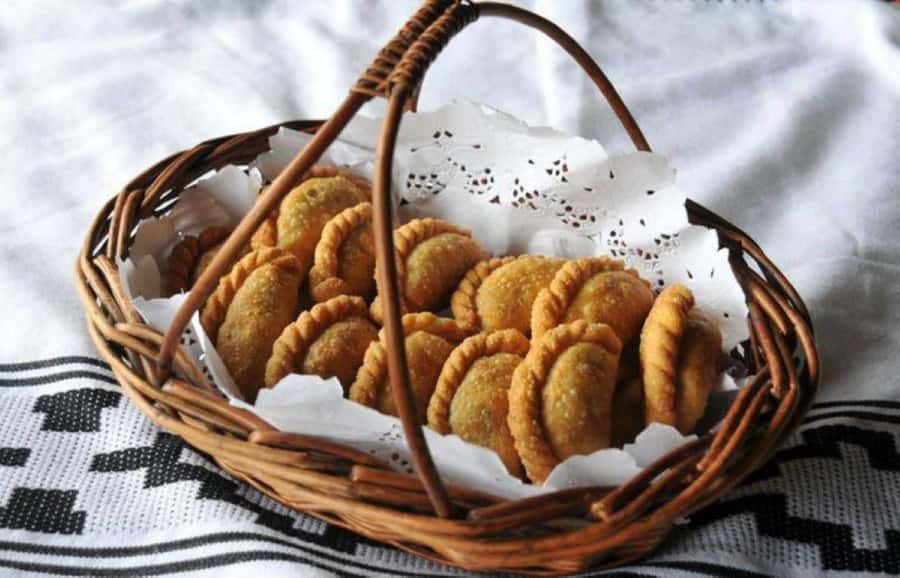
Between the bigger moments, you’ll get comfort-food style breaks that make the day feel Argentine.
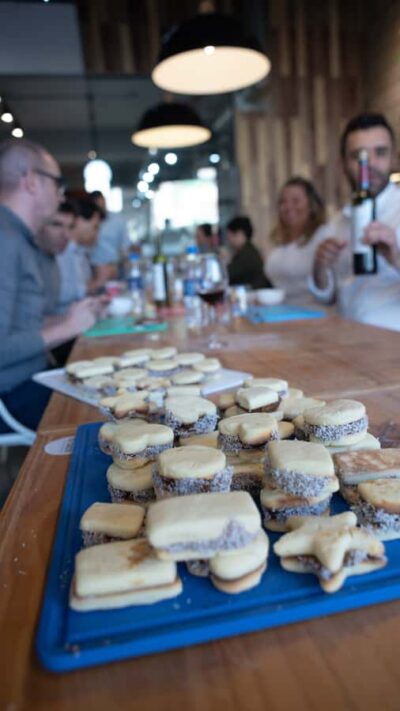
During the day, everyone shares a classic pastry with mate cocido, which is a herbal tea style. And as part of your included plan, there’s also an afternoon snack with mate or coffee plus cakes and fried cakes.
I like these breaks because they’re not just filler. They’re small cultural rituals that fit the pacing of a countryside day: snack, watch, drink, snack again, then enjoy the evening performance.
If you’re the kind of traveler who thinks food is a cultural shortcut, this part helps you read the day correctly. You’ll leave with more than just photos—you’ll remember tastes.
Price and value: is $270 a fair trade for an 8-hour ranch day?
At $270 per person, you’re paying for a lot of moving parts bundled together: transfers from Buenos Aires, a guided experience with a host in multiple languages, ranch admissions, meals (lunch plus snack), and a big end show.
Here’s how I’d judge value for your own trip:
- You’ll likely feel the price is fair if you care about the tango and folklore show, and if you’re happy with a structured schedule that includes watching gaucho demonstrations.
- You might feel it’s steep if you want heavy hands-on participation. One less positive review described much of the ranch time as average: museum walk, sitting on a horse and riding around a paddock or via wagon, plus a BBQ lunch and a good tango display. That critique lines up with the reality that this is still a show-and-demonstration format.
Also, group dynamics matter in ranch tours. One review mentioned a smaller group and praised a guide named Gabi for being super attentive and explaining well. While you can’t bank on group size, it’s a reminder that the host can make the difference between feeling rushed and feeling guided.
If you’re deciding purely on cost, try to map your own priorities: show-focused travelers will probably feel “yes,” while activity-focused travelers may want to compare this type of tour against options that offer more riding or instruction.
What to wear and pack for the countryside day
The ranch setting means you should dress for comfort and for dust and bugs. The basics are clearly recommended: comfortable clothing, sunscreen, and mosquito repellent.
I also suggest practical thinking:
- Bring something you can move in easily, because even if much of the day is seated or guided, you’ll be walking between areas.
- Wear footwear you trust outdoors, especially if there’s any uneven ground around demonstrations or carriage pickup zones.
- Sunscreen is not optional if you don’t want to pay for shade later.
This isn’t about looking fashionable. It’s about enjoying the day without turning every pause into discomfort.
Who this tour suits best (and who should be cautious)
This is a strong fit if you:
- Want a classic gaucho culture day trip with tango and folklore as the main payoff
- Like structured itineraries where meals and transportation are handled
- Prefer watching skilled performances to chasing hands-on instruction
It’s less ideal if you:
- Want a mostly hands-on ranch activity day
- Feel you must ride a horse as a core requirement (since optional riding is separate)
- Are sensitive to tours where the first part includes calm time like museum and chapel visits
Also, consider your communication comfort level. The tour is built on pickup timing and meeting points; if your hotel isn’t in the standard itinerary, you need to make sure you know where to go.
Should you book the Buenos Aires: Santa Susana Ranch Day Tour?
I’d book it if your travel style includes theater-level culture plus a real countryside setting, and if you’re excited about the tango and folklore show, especially the malambo with boleadoras. The included meals—grill lunch, mate cocido pastry sharing, and a snack spread—also make the day feel complete instead of “just a show with a transfer.”
I’d pause before booking if you’re expecting a fully interactive gaucho lesson day. Based on what’s described, you’ll see plenty of demonstrations, enjoy some rides, and explore museum and chapel time—just not a training camp vibe.
If you want, tell me your travel month and where you’re staying in Buenos Aires. I can help you think through what time of day you’ll likely arrive, how to plan clothing, and whether the show-heavy format matches your expectations.
FAQ
How long is the Santa Susana Ranch Day Tour?
It runs for about 8 hours.
What is included in the price?
Your tour includes roundtrip hotel transfers (for centrally located hotels on the pickup route), a ranch welcome with wine and empanadas, lunch with Argentine grill plus salads, drinks, and dessert, an afternoon snack with mate or coffee and cakes, and a host who speaks Spanish, English, and Portuguese.
Is hotel pickup guaranteed from every hotel in Buenos Aires?
Pickup is included for centrally located hotels included in the itinerary. If your hotel isn’t on the pickup list, you’ll be contacted with the nearest meeting point.
What kind of food will I have during the day?
You’ll get empanadas and wine at the ranch welcome, lunch with Argentine grill, salads, drinks, and dessert, plus an afternoon snack with mate or coffee and cakes, and a pastry served with mate cocido.
Is the horse ride included?
An optional horse ride is not included, so you’d need to choose it separately if you want to ride.
What shows and demonstrations are part of the experience?
The day includes gaucho skills demonstrations and a tango and folklore show. The show features malambo with boleadoras, plus traditional Argentine skills such as ring races, horse roundups, and traditional horse races.
Is there free time during the tour?
Yes. You’ll have free time to explore the museum and chapel, and you’ll also have rides in antique carriages and sulkies.
What languages will the host speak?
The host or greeter speaks Spanish, English, and Portuguese.
What should I wear or bring?
Wear comfortable clothing, and bring sunscreen and mosquito repellent.
What if I need to cancel?
Free cancellation is available up to 24 hours in advance for a full refund.