REVIEW · WALKING TOURS
Buenos Aires: 7 Hour Small Group “BA 101” Walk
Book on GetYourGuide →Operated by BuenosTours · Bookable on GetYourGuide
Buenos Aires makes sense on foot. This 7-hour small-group walking tour (up to 7 people) uses an expert, English-speaking guide to connect major landmarks with day-to-day city life. I especially like the storytelling angle, the kind that makes places click fast, whether the guide is Tracy in a friendly, history-forward way or Chris with sassy, question-friendly explanations.
The other big win for me is that the plan keeps you fed and moving: morning coffee, a local lunch with a main plus a beverage, and public transport included so you are not stuck timing buses or hunting transit. The only thing to watch is that you are on your feet for most of the day, so expect a solid walking workload and bring comfortable shoes.
In This Review
- Key Points at a Glance
- A Smart, 7-Hour Orientation From Barrio Norte to San Telmo
- Barrio Norte Begin: El Ateneo Grand Splendid and Plaza Rodriguez Peña
- Palacio de Aguas Corrientes: A Gorgeous Detour With a Real Backstory
- Recoleta Cemetery and Plaza Francia: Eva Perón’s Place in the City
- Teatro Colón to Plaza Lavalle: Opera House Grandeur and Court-Square History
- Avenida Corrientes and Florida Street: The Street That Never Sleeps
- Plaza de Mayo and Casa Rosada: Balcony Views and the Founding Square
- Buenos Aires Cathedral and the City’s Oldest Traces
- San Telmo Market and Plaza Dorrego: Iron, Antiques, and Cobblestones
- Price and What You’re Really Getting for $160
- Who This Tour Fits (and Who Might Want Another Plan)
- Quick Logistics That Affect Your Comfort
- Should You Book BA 101?
- FAQ
- How long is the Buenos Aires BA 101 walk?
- How big is the group?
- What language is the tour guide?
- What’s included in the price?
- What areas do we cover during the walk?
- Where does the tour start and end?
- What should I bring and wear?
Key Points at a Glance
- Small group pace (up to 7) makes it easier to ask questions and get details at each stop
- Recoleta Cemetery + Plaza de Mayo gives you the two headline scenes in one efficient day
- Local lunch and morning coffee keep energy up without turning the tour into a food hunt
- Metro and bus rides are included, so you spend less time zigzagging for transit
- San Telmo Market and Defensa Street end the day with antiques, architecture, and real neighborhood flavor
A Smart, 7-Hour Orientation From Barrio Norte to San Telmo
BA 101 is a classic Buenos Aires overview: you start in the leafy north around Barrio Norte, work through the grand-center monuments and plazas, and then finish in San Telmo with cobblestones and market energy. It is a good length for first-timers because you get a wide cross-section without needing a whole second day to “just see the sights.”
What I like most about this format is how it balances the big name stops with enough side streets and context to make them make sense. The guide is live and English-speaking, and the small group size helps you go beyond point-and-shoot mode. Based on what I saw in past guide feedback (including Tracy and Chris), the best part is how they answer follow-up questions and point out the small stuff that you would miss if you were walking solo.
You can also read our reviews of more walking tours in Buenos Aires
Barrio Norte Begin: El Ateneo Grand Splendid and Plaza Rodriguez Peña
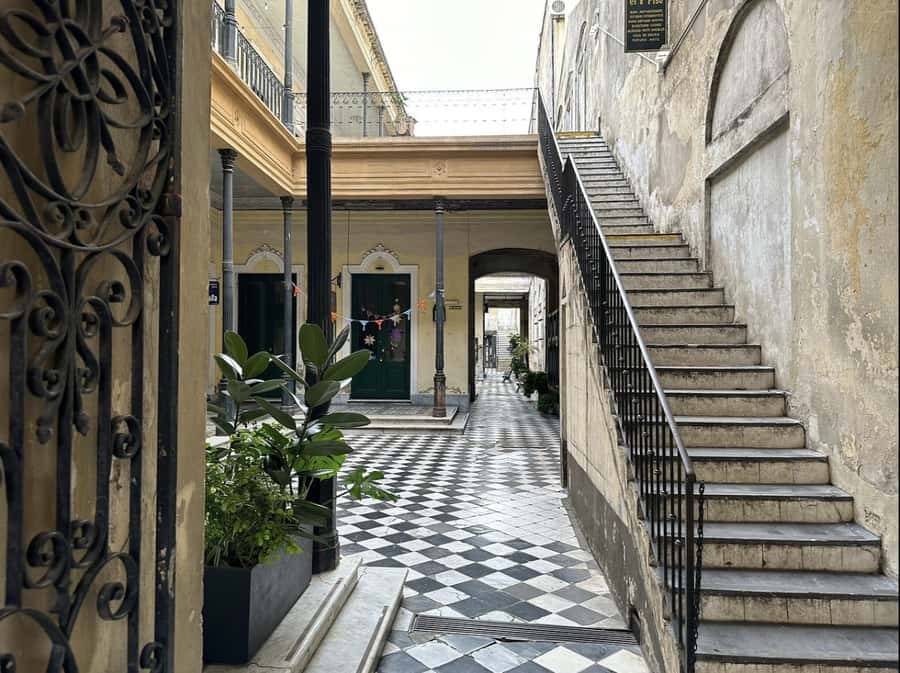
You kick off in the Barrio Norte area near the corner of Av. Santa Fe and Av. Callao, so you are starting in a neighborhood that already feels like “Buenos Aires as a lived-in city,” not just a monument route.
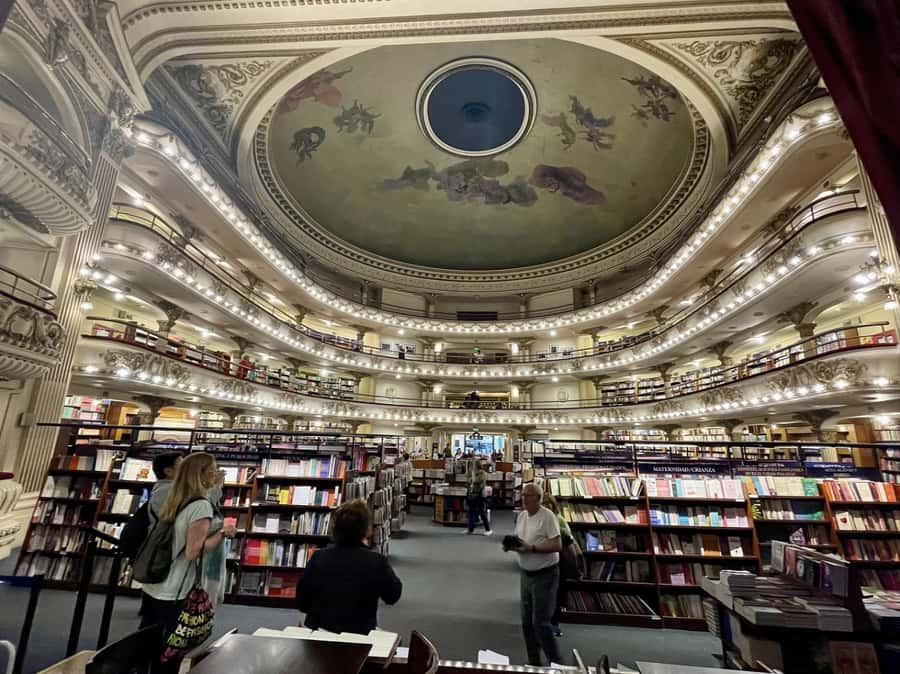
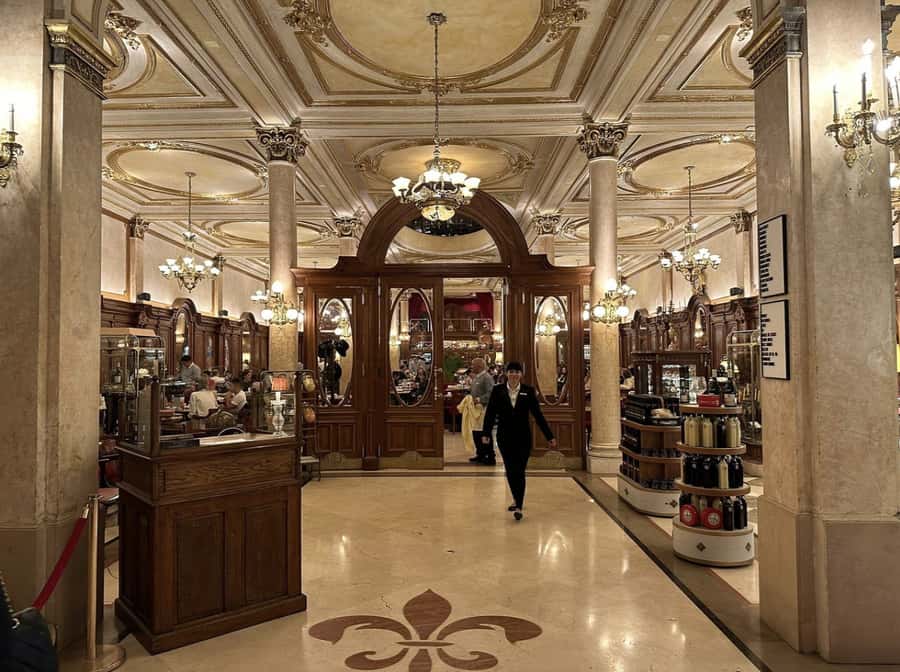
The first stop that really grabs people is El Ateneo Grand Splendid, a legendary bookstore housed in a former theater. Even if you only have a few hours of focus that day, this is worth it because it shows how the city repurposes old spaces while keeping the drama of the original architecture. It also sets the tone for the rest of the tour: you are not only looking at buildings, you are learning how Buenos Aires tells stories through them.
From there, you move toward Plaza Rodriguez Peña, a leafy green public square. This matters because plazas in Buenos Aires are not decorative. They are social hubs, and they often connect to important institutions like Argentina’s Ministry of Education in the Palacio Sarmiento area.
Practical note: you will do plenty of short walks between points. That is good for keeping the day lively, but it also means you should keep your footing steady and pace yourself.
Palacio de Aguas Corrientes: A Gorgeous Detour With a Real Backstory
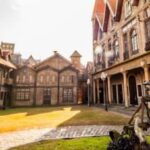
One of the best “wait, what is that?” stops on the route is Palacio de Aguas Corrientes. It is the kind of place that looks like a grand civic building and then surprises you with what it actually represents and why it became so important.
This stop is valuable for two reasons. First, it breaks up the monument-heavy parts of the day with something architectural and specific. Second, it gives you a lens on how infrastructure shaped the city’s growth. Buenos Aires is full of fancy façades, but this is the kind where the story behind the façade changes how you see the whole city.
The guide’s job here is to connect the building to the wider pattern of Buenos Aires development, not just point out pretty details. If you like learning how a city works, this is one of the moments you will appreciate most.
Recoleta Cemetery and Plaza Francia: Eva Perón’s Place in the City
Recoleta is where Buenos Aires starts feeling theatrical in the best way: elegant streets, ornate stonework, and that sense of old-world respectability. And then you arrive at Recoleta Cemetery, sometimes described as a city within a city.
This is a highlight on purpose. It is not just a pretty cemetery stop; it is a major site tied to Argentina’s elite families and national memory. You see the final resting place of Eva Perón (Evita), alongside elaborate mausoleums. Even if you know only the basics of her story, the guide helps put her into context so the cemetery feels less like a collection of tombs and more like a historical map.
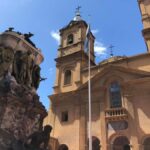
Nearby, Plaza Francia and the Our Lady of Pilar Church add a different flavor: preserved colonial architecture and a quieter, more contemplative pace than the larger boulevards. It is an important contrast within walking distance.
One consideration: this is one of those stops where photography rules and crowd behavior can change day to day. Also, cement-heavy streets and cemetery paths mean steady shoes help you stay comfortable.
Teatro Colón to Plaza Lavalle: Opera House Grandeur and Court-Square History
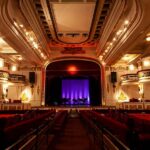
After Recoleta, the tour shifts toward the City Center area around San Nicolás. One of the big landmark moments here is Teatro Colón, one of the world’s most famous opera houses.
You do not need an opera ticket to feel the impact. The building’s reputation alone signals why this area matters, and the guide’s explanation turns it from an icon into a clue about the city’s cultural ambitions.
From there, you head toward Plaza Lavalle and the Palacio de Justicia de la Nación, home to Argentina’s Supreme Court. This stop gives you a feel for how Buenos Aires mixes art and power in the same general radius. It is a good reminder that the city’s identity is not only artistic—it is administrative and legal, too.
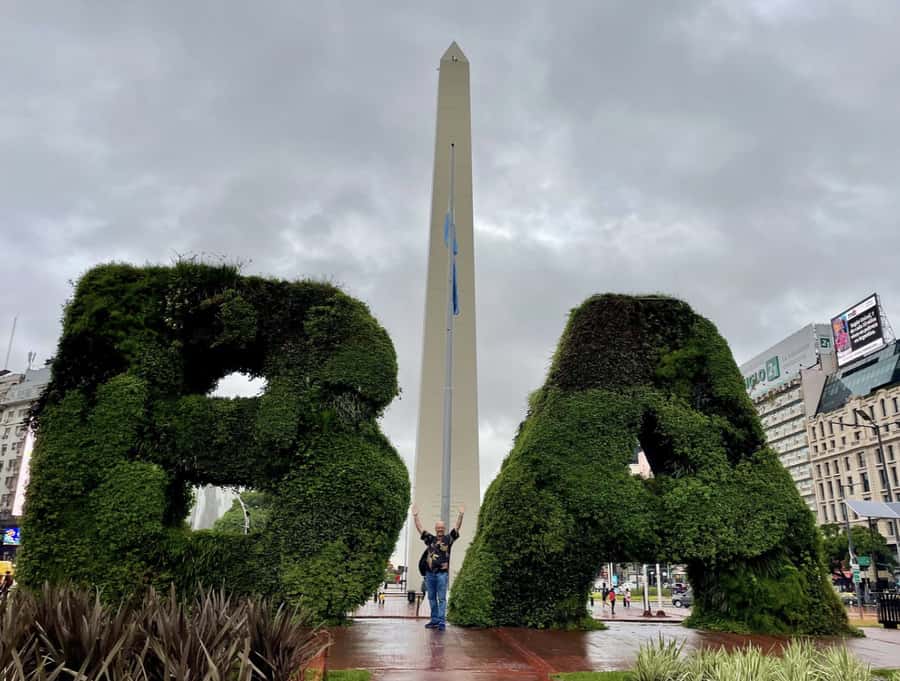
Then comes one of the most photo-friendly stretches of the day: the avenue experience around Avenida 9 de Julio and the Buenos Aires Obelisco. There is also a photo opportunity with the green BA sign, which is exactly the kind of quick, low-effort stop that keeps the day from feeling like a nonstop march.

Avenida Corrientes and Florida Street: The Street That Never Sleeps
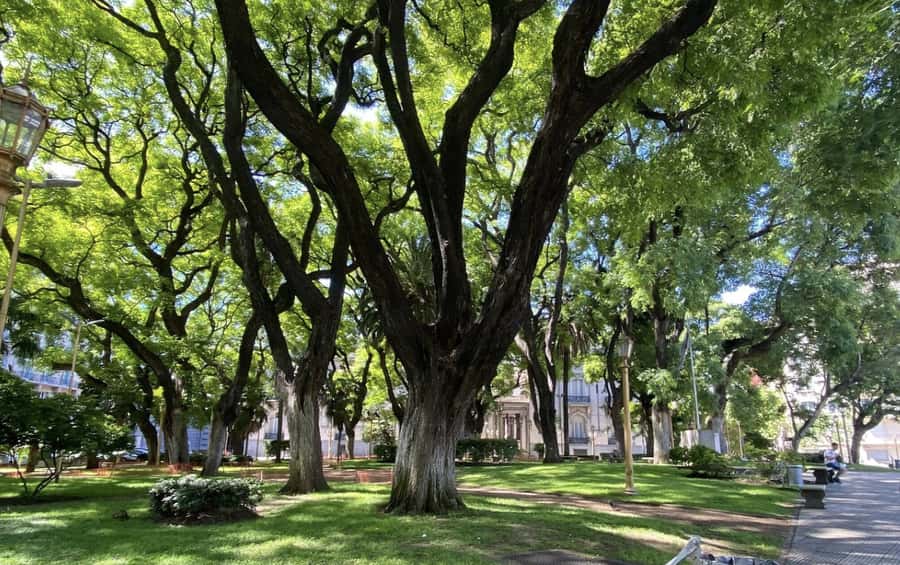
Avenida Corrientes is where Buenos Aires leans into its entertainment reputation. The tour has you walking along Avenida Corrientes and pointing out places that reflect the city’s theater and nightlife energy. One specific highlight is Confiteria La Ideal, a beautifully restored old café.
Then you reach Florida Street, the main pedestrian shopping area. This is where you can slow down a little and just watch how people move. Even if you do not shop, the Galería Güemes building is an easy win for architecture lovers because it is part of the city’s historic commercial identity.
This segment is useful if you are the type who wants your “sightseeing” to include street life. It also helps you picture where you might want to return later for a specific interest—shopping, cafés, or just people-watching with less planning.
Plaza de Mayo and Casa Rosada: Balcony Views and the Founding Square
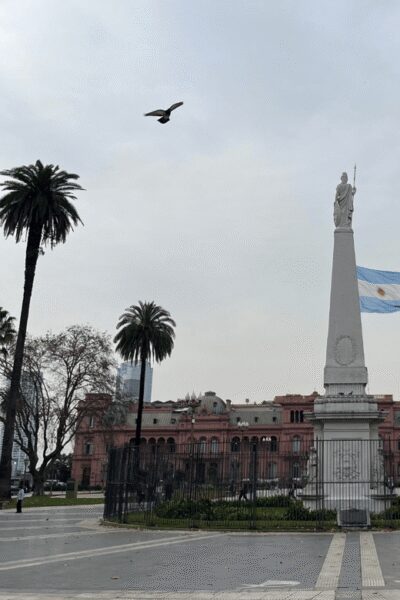
By the time you reach Plaza de Mayo, Buenos Aires has shifted into political centerpiece mode. This is the main square of the city, tied to the founding in 1580, and it is the kind of place you can understand in minutes once someone gives you the story.
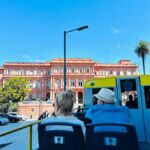
Then you see Casa Rosada, the Pink House, where the executive branch is based. The famous balcony where President Perón and first lady Evita addressed crowds is a key detail because it shows why this building is so much more than a façade. It is the stage for political moments that shaped modern Argentina.
What makes this stop work on a walking tour is timing and pacing. If you just visit Plaza de Mayo on your own, it is easy to see a big square and feel like you need more context. With a guide, you connect the geography to the narrative: what happened here, why it mattered, and how it echoes in present-day Buenos Aires.
Buenos Aires Cathedral and the City’s Oldest Traces
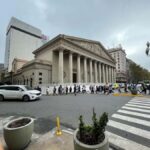
After Casa Rosada, the tour continues with the Buenos Aires Cathedral, described here as the last resting place of Argentina’s independence hero. The tour also notes a connection to Pope Francis, who used to give mass there.
You also hear about the oldest sites in Buenos Aires: the first church, street, and business in the city, plus a detail that many people love because it surprises them—the oldest subway line in the southern hemisphere. Even if you think you know the city’s transportation story, this kind of fact makes the walking route feel like a living timeline rather than a list of stops.
This section is ideal for you if you enjoy history but do not want to read a book for six hours. You get the essentials, guided, and you can decide what to explore later based on what you care about.
San Telmo Market and Plaza Dorrego: Iron, Antiques, and Cobblestones
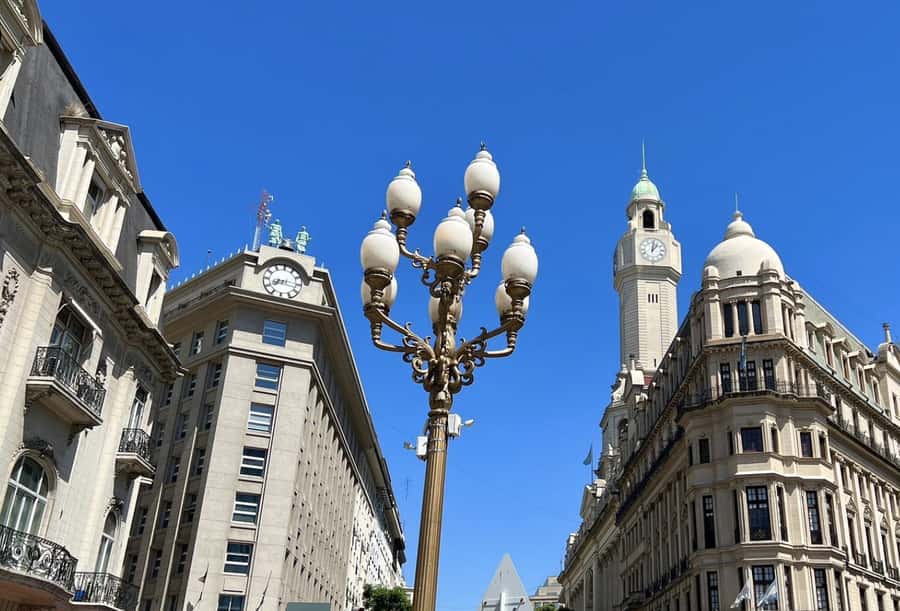
The day ends in San Telmo, and it makes sense. The neighborhood feels like the city relaxing into its character: antiques, bars, old buildings, and market life.
You start with Plaza Dorrego, one of the city’s oldest and most popular squares. It is lined with atmospheric spots, and the tour route includes handicraft sellers, which helps you see San Telmo as more than a photo set.
Next comes San Telmo Indoor Market. The iron structure built in 1897 is the hook, but what really keeps people interested is what fills it: antiques, souvenirs, and places to eat, plus fresh food and produce vendors working alongside the market crowd. This is one of those stops where you can wander without feeling lost because the guide gives you a sense of what to notice.
Finally, you walk down Defensa Street, a cobblestone road famous for antique dealers and original Spanish and Italian architecture. The cobblestones slow your pace in a good way. You feel the texture of the old city, and it is an easy place to end the tour because it is full of places to linger afterward.
Price and What You’re Really Getting for $160
At $160 per person for a 7-hour semi-private style walk, this is not a “cheap and cheerful” tour—but it is also not just paying for someone to point at buildings.
Here is where the value comes from:
- Entrance fees are included, including Recoleta Cemetery (valued at US$15+ per person).
- Food is included: morning coffee and a local lunch with a main plus a beverage.
- Local transport is included via public bus or subway during the tour.
- A bottle of water is provided, which sounds minor until you are walking under a Buenos Aires sun and humidity.
- You get a live English guide for the full routing time, which matters most if you like asking questions.
What is not included is also important. You pay for getting to and from the meeting point on your own, and you would handle extra snacks or drinks beyond the provided lunch and coffee.
If you are the kind of traveler who spends time comparing tickets and museum prices and then still ends up moving slower than planned, the included fees and transit can make this a time-saver. If you already have a tight budget and you enjoy planning routes yourself, you might find cheaper options. But for a one-day orientation across far-flung neighborhoods, this price feels closer to “pay for convenience and context” than “buy a bus ticket and hope.”
Who This Tour Fits (and Who Might Want Another Plan)
This tour is designed for adults and older kids, not for everyone. Based on the tour rules, it is not suitable for children under 10, wheelchair users, people with a cold, or anyone over 95.
So who should consider it?
- You want a structured day without losing half your time figuring out routes.
- You like architecture plus story, not just landmarks.
- You want to end in San Telmo with a clear neighborhood to explore afterward.
- You want a guide who answers questions with confidence; both Tracy and Chris were praised for their way with local history and language, and for being friendly while keeping things interesting.
If you hate walking, have mobility constraints, or prefer a slower pace with longer museum time, you may find the schedule too tight.
Quick Logistics That Affect Your Comfort
You start at 10am near Barrio Norte/Barrio Recoleta area (near Av. Santa Fe and Av. Callao) and finish around 5pm in San Telmo near plenty of places to eat, drink, and shop.
Bring comfortable shoes. That is the only requirement called out, but it is the big one. Also, this is a walking-heavy plan with transit rides between neighborhoods, so dress for comfort and be ready for lots of short stretches.
Should You Book BA 101?
Yes, I think you should book this tour if you want a high-coverage Buenos Aires day with context built in—Recoleta Cemetery and Plaza de Mayo in the same outing, then a rewarding finish in San Telmo Market and Defensa Street. The small group size helps you get real answers, and the included coffee, lunch, and transit make it feel like a finished package rather than an assembly of half-plans.
Skip it (or consider a different style tour) if you want minimal walking, need wheelchair access, or you are traveling with health issues that make long days harder.
If you only have a day and you want your photos to come with real meaning, BA 101 is a strong way to get your bearings fast—then you can choose where to return for longer stays.
FAQ
How long is the Buenos Aires BA 101 walk?
It runs for 7 hours, starting at 10am and ending at 5pm.
How big is the group?
It is a small group with a maximum of 7 participants.
What language is the tour guide?
The tour is offered in English with a live guide.
What’s included in the price?
Entrance fees to historical sites (including Recoleta Cemetery), a tasty local lunch with a main and beverage, coffee (or an equivalent-priced drink), public transport during the tour (bus or subway), and a bottle of water.
What areas do we cover during the walk?
The route includes Barrio Norte, Recoleta, the City Center (including Monserrat and Plaza de Mayo), and San Telmo.
Where does the tour start and end?
It starts at 10am in the Recoleta/Barrio Norte area near the corner of Av. Santa Fe and Av. Callao, and it ends in San Telmo near fun places to eat, drink, and shop.
What should I bring and wear?
Wear comfortable shoes, since it is a walking tour. Smoking is not allowed.