REVIEW · ARGENTINE COOKING CLASSES
Pachamama – Argentine Cooking Experience in Buenos Aires
Book on GetYourGuide →Operated by Pachamama - Argentine Cooking Experience · Bookable on GetYourGuide
Four courses, zero guesswork. Pachamama turns Argentine cooking into a hands-on class where you start with a homemade picada and end with flamed dulce de leche crepes, paired with Mendoza Durigutti wines. I love the hands-on rhythm-your hands do the work, not just your eyes. I also like that the whole meal comes with Durigutti wines, so food and drink feel like part of one plan.
The session is led by Franco and his team in English, with a cozy, homey setup that makes questions feel normal. The main catch is no hotel pickup, so you’ll plan your own way to the venue and back.
It’s built for real-life diets, with options for vegetarian, gluten free, and lactose free. Expect a small group limited to 10 people, plus recipe PDFs you can pull up later with a QR code.
In This Review
- Key things I’d circle on your planning list
- A cozy Buenos Aires kitchen where cooking feels social
- Welcome picada plus Mendoza wine pairing (Las Compuertas)
- Chipá and the appetizer rhythm: learning by doing
- Beef empanadas and chimichurri: where technique meets attitude
- Humita stew gratin: the comfort course that teaches ingredients
- Dessert: flamed dulce de leche crepes plus homemade limoncello
- The pace, the people, and why the class feels well run
- Dietary flexibility you can actually use
- What you take home: recipes, photos, and local pointers
- Timing and getting there without stress
- Is it worth $75 for a 3–3.5 hour cooking class?
- Should you book Pachamama in Buenos Aires?
- FAQ
- How long is the Pachamama Argentine Cooking Experience?
- What does it cost?
- What will I eat and cook during the class?
- Are wines and drinks included?
- Can you adapt the experience for dietary restrictions?
- What language is the cooking class taught in?
- Is the group small, and is it wheelchair accessible?
- Is hotel pickup or drop-off included?
- Is there free cancellation?
Key things I’d circle on your planning list
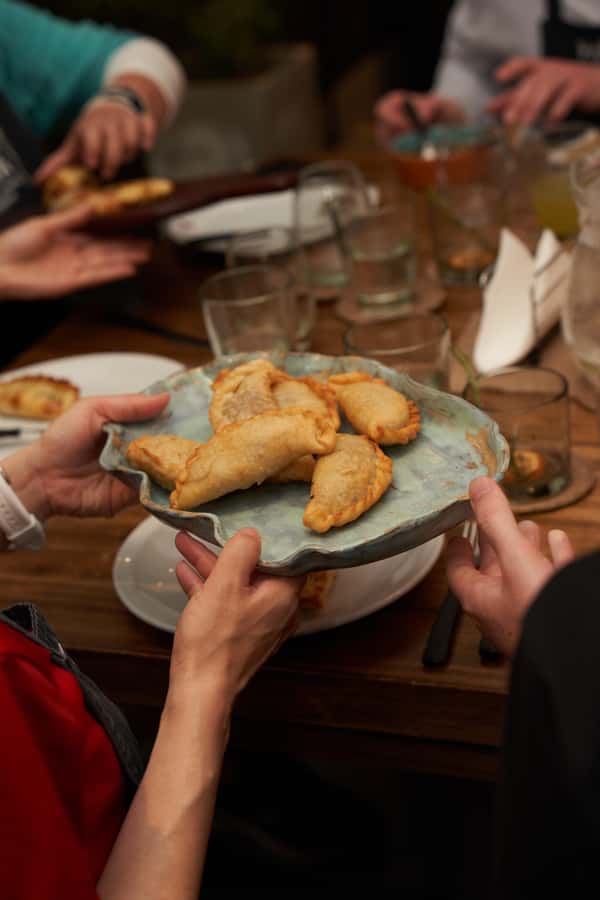
- You cook four Argentine recipes yourself: chipá, beef empanadas with chimichurri, humita stew gratin, and flamed dulce de leche crepes.
- A full meal with Mendoza Durigutti wines: the wine pairing runs with the menu, not as an afterthought.
- Context while you cook: you learn the origins of dishes and get pointers on staples like mate and chimichurri.
- Small-group, turn-by-turn kitchen time: limited to 10 participants, so you’re not stuck watching.
- Take-home materials: PDF recipe books via QR code, plus class pictures for your memories.
A cozy Buenos Aires kitchen where cooking feels social
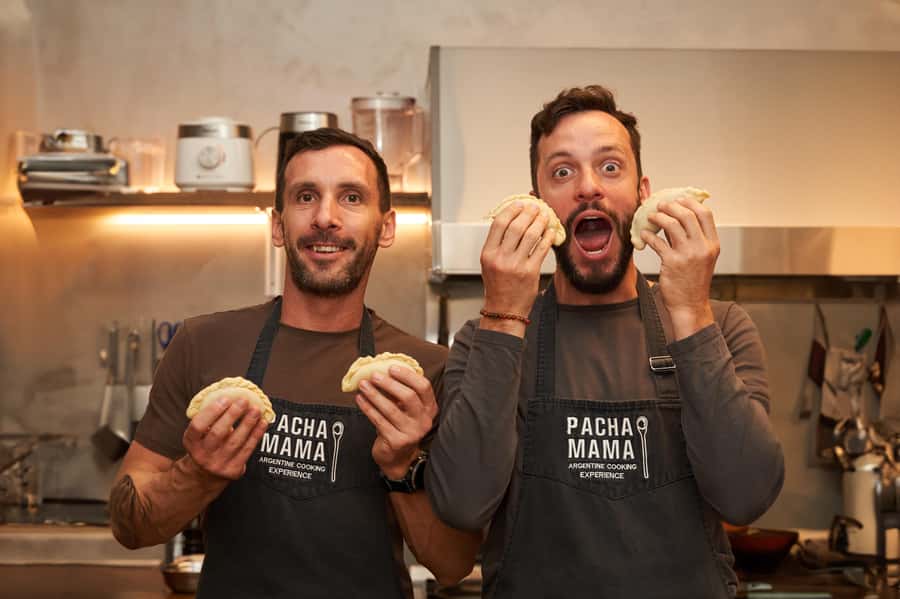
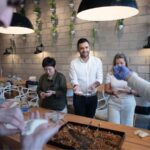
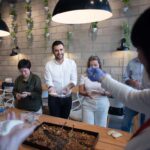
Pachamama is the kind of experience you’ll appreciate if you’re tired of “walk-through” tours. This is food work. You’ll be hands-on, guided step by step, and fed what you make. The vibe stays homey and relaxed, so the kitchen doesn’t feel like a stage.
You also get the Argentine angle baked in from the start. The class frames dishes as part of Argentine food culture, not random recipes. You’ll hear about mate, chimichurri, and how spices show up in regional empanadas while you’re actively cooking. That makes the meal stick in your head after you’ve left.
The small-group size matters. With up to 10 participants in the class, you’re more likely to take turns at real stations instead of standing at the edge. Even if you’re a confident cook or a total novice, the rhythm gives you a chance to do something.
You can also read our reviews of more cooking classes in Buenos Aires

Welcome picada plus Mendoza wine pairing (Las Compuertas)
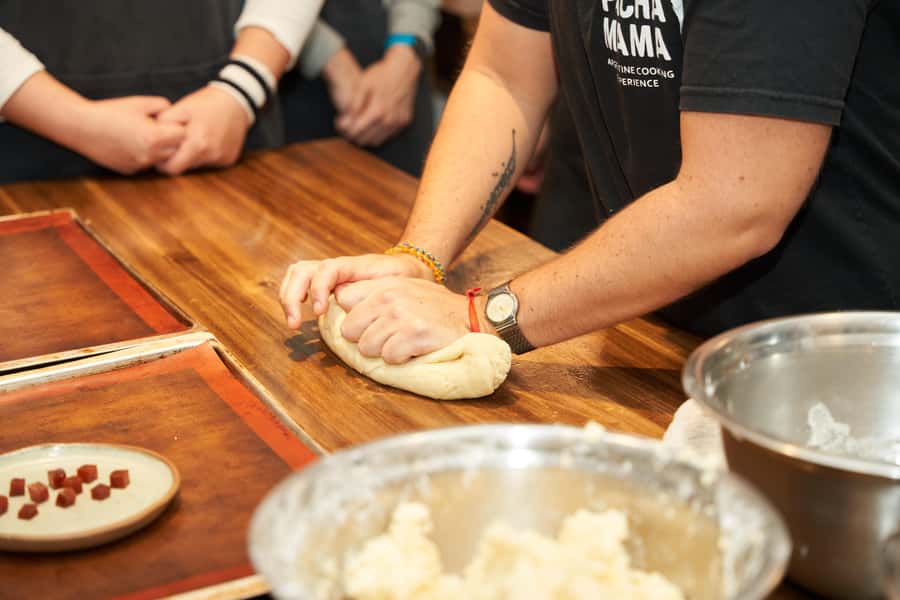
The experience kicks off with a welcome picada—a tasting plate with homemade preserves, pickles, and local bread. It’s a smart start. You’re not waiting hungry for the kitchen to begin, and you can settle into the meal while the team sets the tone.
Drinks come early too. You’ll get a vermouth cocktail with the picada, plus vermouth, water, and homemade lemonade during the experience. Then the wine pairing starts with Mendoza Durigutti wines, specifically Las Compuertas. The plan keeps the meal moving: you eat, cook, taste, repeat.
This pairing is also a value boost. You’re paying for food instruction, yes. But you’re also getting a structured dining experience with multiple beverages included. In Buenos Aires, that can easily cost more if you do it separately in restaurants.
Chipá and the appetizer rhythm: learning by doing
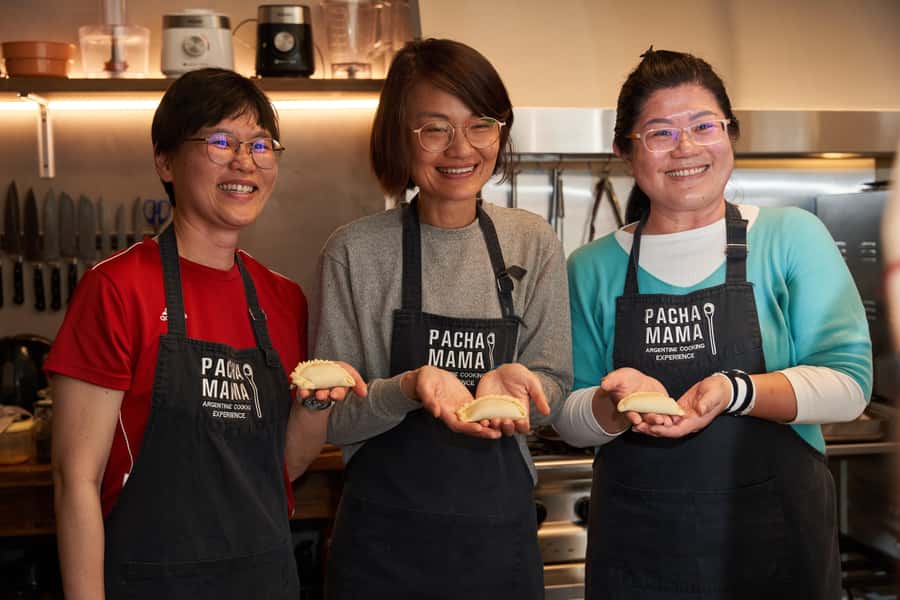
Once the welcome stage is done, you roll up your sleeves for the cooking portion. Chipá is the first recipe on your active menu. You’ll make it with BBQ sauce and a fermented spicy sauce on the side.
Chipá is a great choice for a cooking class because it’s approachable. You can learn technique without needing advanced equipment. And the flavors give you a quick hit of what Argentine comfort food tastes like when it’s done right—savory, aromatic, and designed for sharing.
This course also teaches timing. In a group kitchen, you can’t do everything at once. You’ll likely work in turns or in team steps, and the instructor will help you hit the right pace. That’s one of the reasons this format works even for beginners. You’re not expected to be perfect; you’re expected to participate.
Beef empanadas and chimichurri: where technique meets attitude
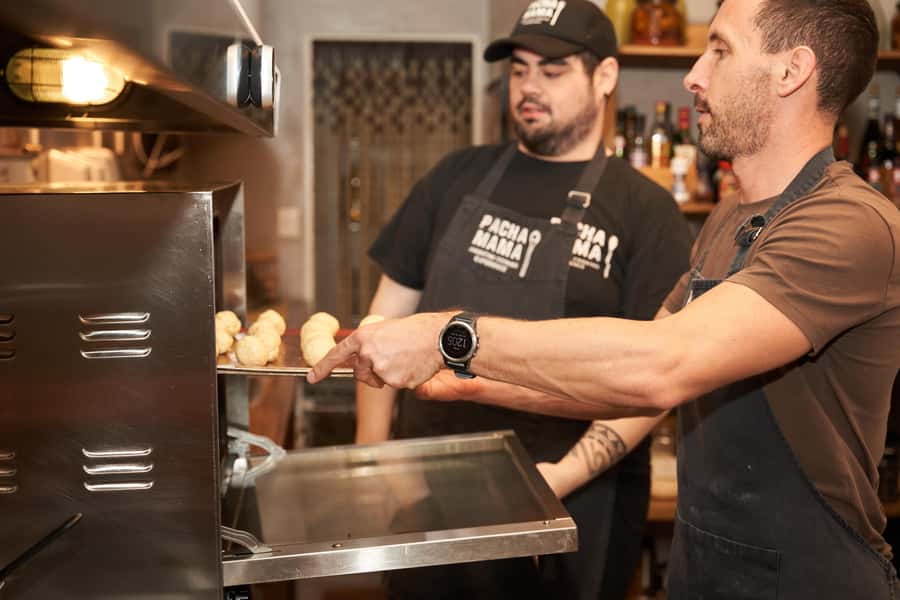
Next up: beef empanadas with chimichurri sauce. If you only associate Argentine food with one thing, it’s probably this. Here, you’re not just tasting the classic. You’re making it.
Empanadas teach you structure. Dough handling, filling, and shaping all matter. Then chimichurri adds the other side of Argentine cooking: herbs, vinegar or citrus tang, and a punch that cuts through rich flavors. The experience specifically frames chimichurri as part of the Argentine identity, so you get more than a sauce recipe—you get the role it plays.
What I like about this segment is how practical it is. You’ll see how the filling is balanced and how chimichurri changes the bite. Even if you don’t cook empanadas again at home, you’ll probably remember the flavor logic: fresh and sharp against savory and warm.
One note for your expectations: the class is group-based. You’ll get hands-on moments, but it’s not a private, one-person-at-a-time demo. That’s usually a good thing. It keeps the energy up and makes it easier to meet others while you work.
Humita stew gratin: the comfort course that teaches ingredients
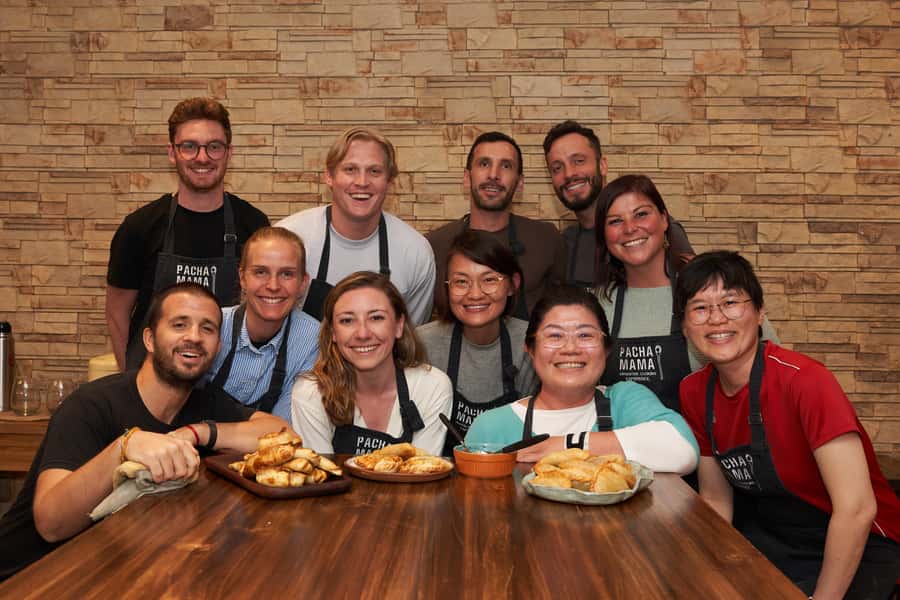
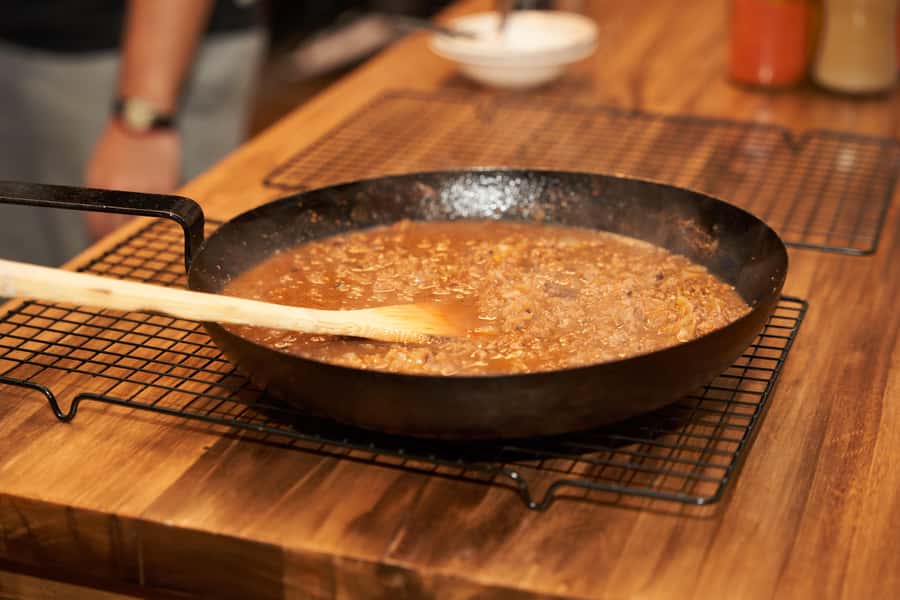
Then comes humita stew gratin. This is where the menu shifts toward comfort and texture. Humita is built on corn flavors, and here it arrives as a gratin-style dish, which means it has that baked, browned finish that feels like a hug.
This course is valuable because it shows how Argentine cooking turns simple ingredients into a full meal. Corn-based dishes don’t need fancy ingredients to feel special. You’ll see how seasoning and heat build flavor, and how a gratin approach adds richness without making the dish heavy for no reason.
If you’re the kind of person who likes learning what makes a dish work, this is a good moment. It’s not just “mix and bake.” It’s a chance to understand how moisture, thickness, and the final browning affect the end result.
And if you have dietary needs, this is the sort of course where substitutions can be easier to discuss than in a complex seafood or meat-heavy menu. The provider states the experience can be adapted for vegetarian, gluten free, and lactose free diets.

Dessert: flamed dulce de leche crepes plus homemade limoncello
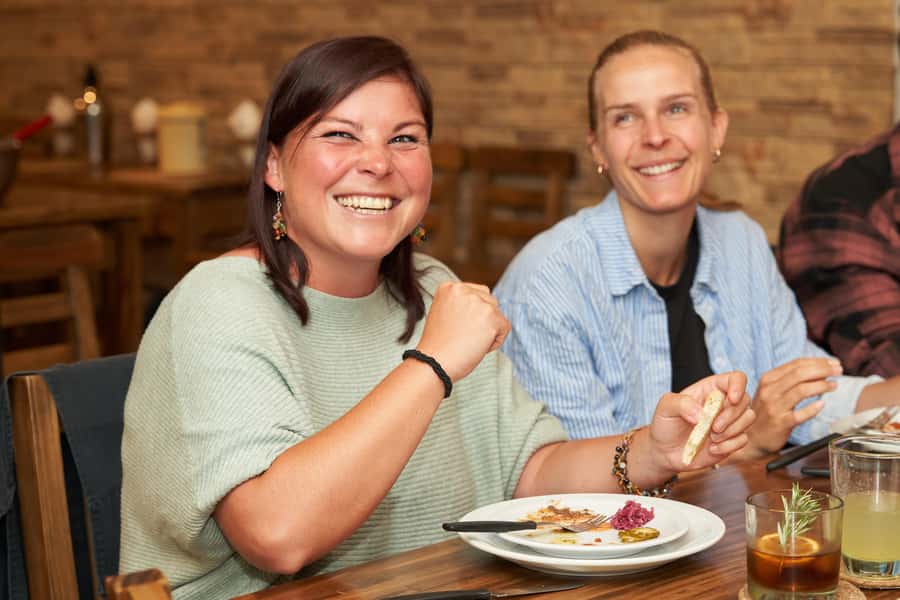
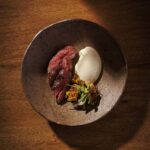
You finish with flamed dulce de leche crepes, served with ice cream and homemade limoncello. This is a celebration course, but it’s not random. It closes the arc of the meal: savory starters, hearty main dishes, and then a sweet finale that feels undeniably Argentine.
Dulce de leche is a key dessert language in Argentina. Here, it’s treated like something more than a topping—it’s the flavor center. The flaming step adds drama, and the homemade limoncello keeps the sweetness from becoming too heavy.
The ice cream-and-limoncello pairing is also a smart contrast. Sweet meets bright. It keeps the dessert from feeling like a sugar bomb and makes the flavors last longer on your palate.
The pace, the people, and why the class feels well run
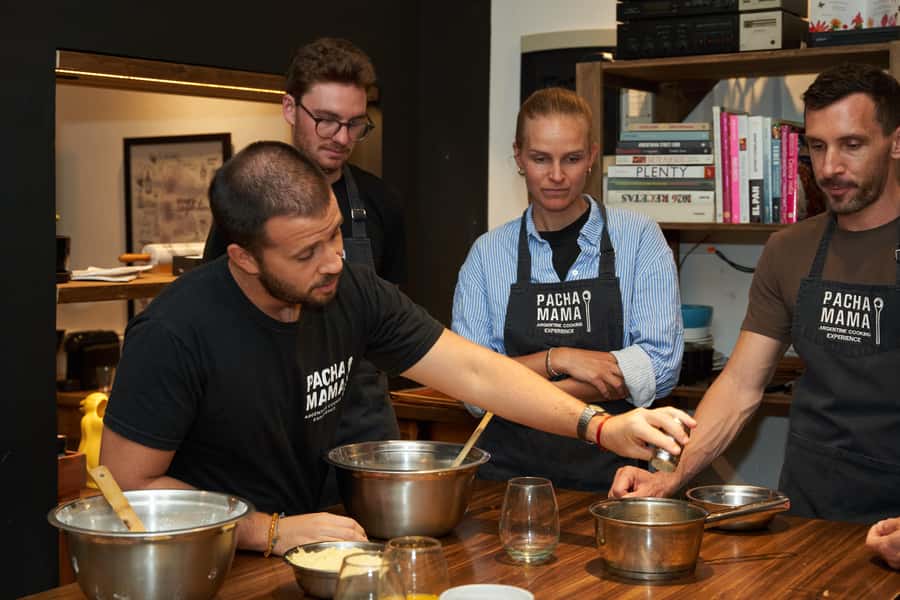
A lot of cooking classes fail on one basic thing: organization. Pachamama is planned enough that you don’t feel lost. You get clear steps, and the team keeps the cooking moving. One review specifically called out how well planned and rehearsed it felt, and that matches the overall structure of the menu.
The experience is in English, and Franco is mentioned as a key host figure. That matters if your Spanish is rusty or non-existent. You’ll be able to follow cooking instructions without guessing what’s going on.
You’ll also get social time. After you cook, you sit down together to share the meal. That’s not just about food—it’s part of the point. Argentine cuisine in a group works better than it does on your own, and the class makes that happen without forcing icebreaker energy.
The environment is friendly, not formal. So if you don’t want a stuffy “fine dining lesson,” this is more your speed.
Dietary flexibility you can actually use
Good food should be for you, not just for the people who can eat everything. The provider states the experience can be adapted for vegetarian, gluten free, and lactose free diets.
That doesn’t mean every dish magically becomes identical to the original. But it does mean you’re not automatically sent away because of dietary needs. And because you’re cooking with a team right there, you can expect the adjustments to be handled as part of the class rather than tacked on at the end.
If your diet is complicated—multiple restrictions at once—this is a place to confirm details with the organizer ahead of time. Still, having stated adaptations available is a real plus when you’re deciding where to spend your money.
What you take home: recipes, photos, and local pointers
This is one of those experiences where you don’t leave empty-handed. You get recipe books in PDF format via QR code. That’s practical. It means you can recreate what you made without trying to remember every spoonful later.
You also get class pictures. That’s helpful if you want proof that the flour chaos was real and that the empanada shapes were, at least briefly, respectable.
The experience also includes local Buenos Aires recommendations and class recipes with the materials. It’s a nice bonus because it turns your afternoon into more than just a meal. You can use the tips to plan the rest of your trip beyond food.
Timing and getting there without stress
Your best bet is to budget for roughly a half-day experience. The listing notes a duration of about 3 hours, and the format is also described as 3.5 hours, with a possible 2.5-hour adaptation for private groups. Either way, plan to keep your evening free of anything that needs high precision.
Hotel pickup and drop-off are not included. That’s not a dealbreaker, but it affects your planning. You’ll want to locate the venue ahead of time and build in time for getting there by taxi or rideshare or whatever your usual Buenos Aires method is.
The upside is that you’re more in control. No waiting around for pickup windows means you can keep your day moving with less uncertainty.
Also, the experience is wheelchair accessible. If you need accessibility accommodations, this is worth noting early when you reserve so the team can plan the best setup for your group.
Is it worth $75 for a 3–3.5 hour cooking class?
At $75 per person, Pachamama looks like a “pay once, eat well, learn a skill” kind of value. You’re not just paying for a class. You’re paying for multiple dishes, wine pairing with Mendoza Durigutti Las Compuertas, drinks (including vermouth cocktail and homemade lemonade), and take-home recipe materials.
If you tried to recreate the day on your own, you’d likely spend plenty on:
- ingredient costs plus cooking time,
- a multi-course lunch elsewhere,
- and wine plus drinks.
Here, those parts are bundled into one experience. The class also gives you technique, not just a meal. Even if you don’t cook the full menu again, the flavor lessons—especially chimichurri and empanada logic—can travel home with you.
Should you book Pachamama in Buenos Aires?
I’d book Pachamama if you want a practical Argentine food experience with a group, not a lecture. It’s ideal if you like hands-on activities, want to eat what you cook, and value a structured meal with wine included.
Skip it if you need hotel pickup or you want a fully private, one-person-at-a-time cooking setup. The class is small-group and turn-based, so it’s not built like a cooking studio where every minute is yours alone.
If you’re visiting Buenos Aires and you want one afternoon that mixes cooking, culture, and real food, this hits the mark.
FAQ
How long is the Pachamama Argentine Cooking Experience?
The experience is listed as about 3 hours. It is also described as a 3.5-hour experience, with the option to adapt to 2.5 hours for private groups.
What does it cost?
It’s priced at $75 per person.
What will I eat and cook during the class?
You’ll have a welcome picada, then cook and eat a menu that includes chipá, beef empanadas with chimichurri, humita stew gratin, and flamed dulce de leche crepes with ice cream plus homemade limoncello.
Are wines and drinks included?
Yes. The meal includes Mendoza Durigutti wines (Las Compuertas), plus vermouth, water, homemade lemonade, and a vermouth cocktail with the picada.
Can you adapt the experience for dietary restrictions?
Yes. The class can be adapted for vegetarian, gluten free, and lactose free diets.
What language is the cooking class taught in?
The experience is given in English. For private groups, it can be held in Spanish.
Is the group small, and is it wheelchair accessible?
It’s a small group limited to 10 participants, and the experience is wheelchair accessible. The provider also notes capacity for up to 14 people.
Is hotel pickup or drop-off included?
No. Hotel pickup and drop-off are not included.
Is there free cancellation?
Yes. You can cancel up to 24 hours in advance for a full refund.