REVIEW · TANGO LESSONS
Tango Lesson in Buenos Aires with professional dancers
Book on GetYourGuide →Operated by Milonga City · Bookable on GetYourGuide
Tango feels intimidating until someone takes you by the hand. This private 1-hour tango lesson in Buenos Aires pairs professional instruction with a real tango school inside an old, antique-style house. I especially like that you learn the embrace and walk with a live professional couple, not a scripted class, and that the room itself is part of the lesson, with history in every tango hall. One thing to consider: the activity isn’t suitable for everyone, including wheelchair users and people with certain medical or sensory limitations.
Because it’s private for up to two people, the pace stays focused on you. You can take extra time with instructors until the basics start clicking, and you get at least a taste of how tango culture is meant to be experienced—through both teaching and performance. If you’re hoping for a full beginner-to-dance-show transformation in one hour, I’d temper expectations, but you’ll still leave with usable steps and a better sense of tango’s timing and frame.
In This Review
- Key things I’d watch for before booking
- Inside the Old-House Tango School in Buenos Aires
- Your One-Hour Tango Lesson: What Fills the Time
- The Embrace and the Walk: The Basics That Actually Matter
- Learning Tango History in the Rooms Where It Happened
- Live Tango Exhibition: Watching Helps You Fix What You Can’t Yet Feel
- Price and Value: $120 for Up to Two People in Buenos Aires
- Who Should Book This Tango Lesson (and Who Should Skip It)
- Should You Book This Private Tango Lesson with Milonga City?
- FAQ
- How long is the tango lesson?
- Is this lesson private?
- What’s included in the experience?
- Do I need any dance experience?
- What languages are available for the instructor?
- Where do I meet the instructors?
- What should I bring?
Key things I’d watch for before booking
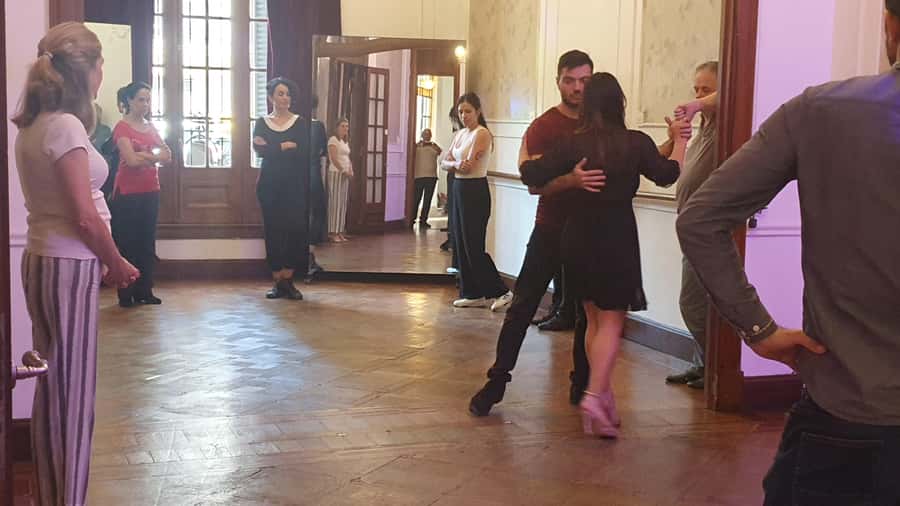
- Private time with professional dancers so the class adapts to your questions and comfort level
- An antique-style house tango school where the setting is part of the training
- Learning the embrace, basics, and the walk so you can actually move together, not just copy steps
- A live tango exhibition that shows what you’re practicing
- English or Spanish instruction to keep communication clear while you learn
Inside the Old-House Tango School in Buenos Aires
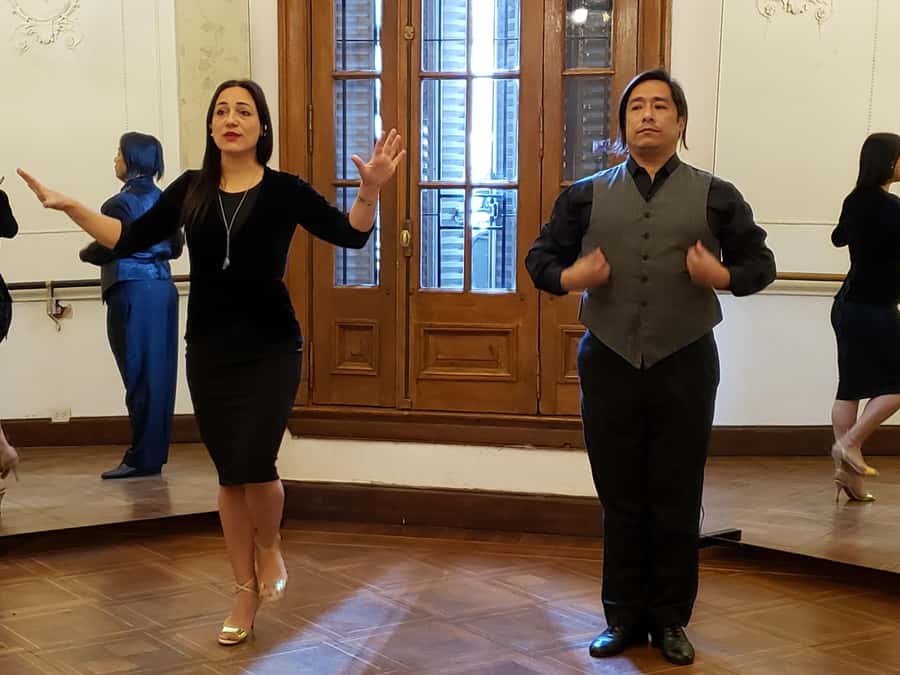
The meeting point is not a modern studio with posters and mirrors. You’ll arrive at an old house that the school uses as its tango space, and you simply ring the doorbell when you get there. That detail matters more than it sounds: tango in Buenos Aires isn’t just choreography. It’s a social tradition shaped by space—wood floors, tight rooms, and small halls where people feel the music right away.
The venue is described as an antique-styled house adapted for a tango school, with special halls for classes. In plain terms, you’re learning tango in a place that feels like tango belongs there. If you’ve ever done lessons in a generic gym, you’ll notice the difference fast. Here, the room helps you settle into the posture and partner feel that tango demands.
You’ll also be with a professional tango couple—real performers who teach basic steps simply and with a sense of humor. That combination is ideal for first-timers. You don’t need to know anything ahead of time. You just need comfortable shoes and the willingness to look a little awkward at first.
You can also read our reviews of more tours and experiences in Buenos Aires



Your One-Hour Tango Lesson: What Fills the Time
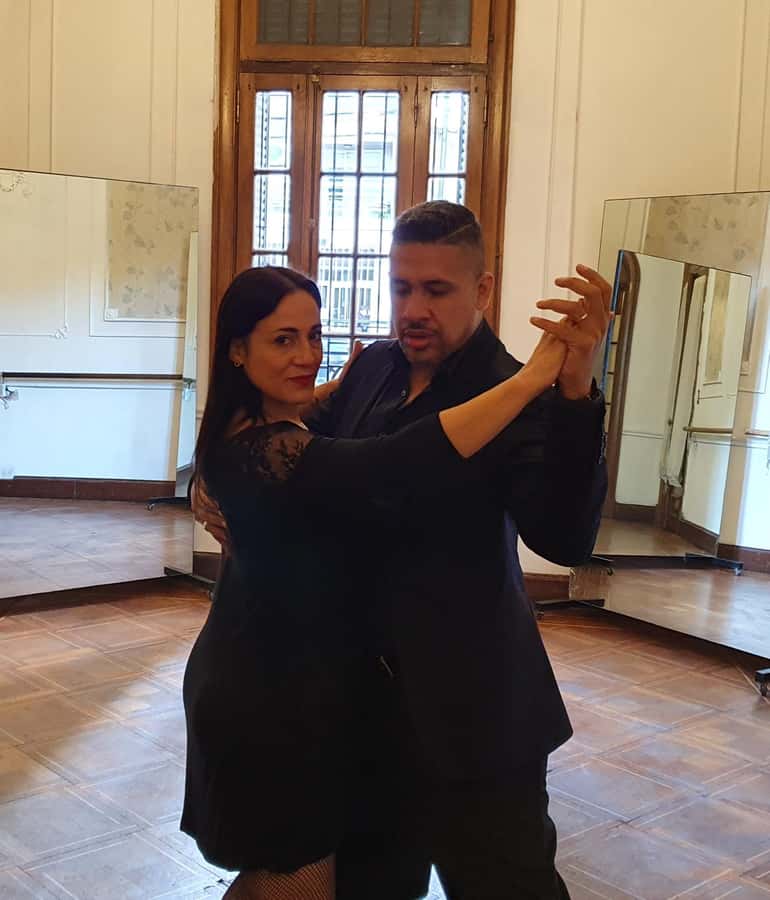
You’re booking a private group for one hour, designed to move quickly but not randomly. The goal is to get you on the floor doing tango basics with a partner, guided by professionals.
Here’s what that usually feels like during the class:
- You start with the fundamental positions and how to stand so your frame doesn’t fall apart when you move.
- Then you learn the basic steps—how weight shifts, how you lead and follow with your body, and how you travel across the floor without turning the walk into a shuffle.
- The instructors also cover the embrace and the partnership mechanics. Even beginners need this early, because tango is about connection as much as it is about steps.
Since the experience is private, you can slow things down when something doesn’t click. In a group lesson, you often race to keep up. In this setup, you’re allowed to work until it feels stable.
A practical note: the instruction languages are English and Spanish, and the class is led by dancers who speak those languages. If you’re comfortable with either language, ask questions early. Tango has a lot of terms for “what you feel,” and the sooner you map the words to the body, the faster you improve.
The Embrace and the Walk: The Basics That Actually Matter
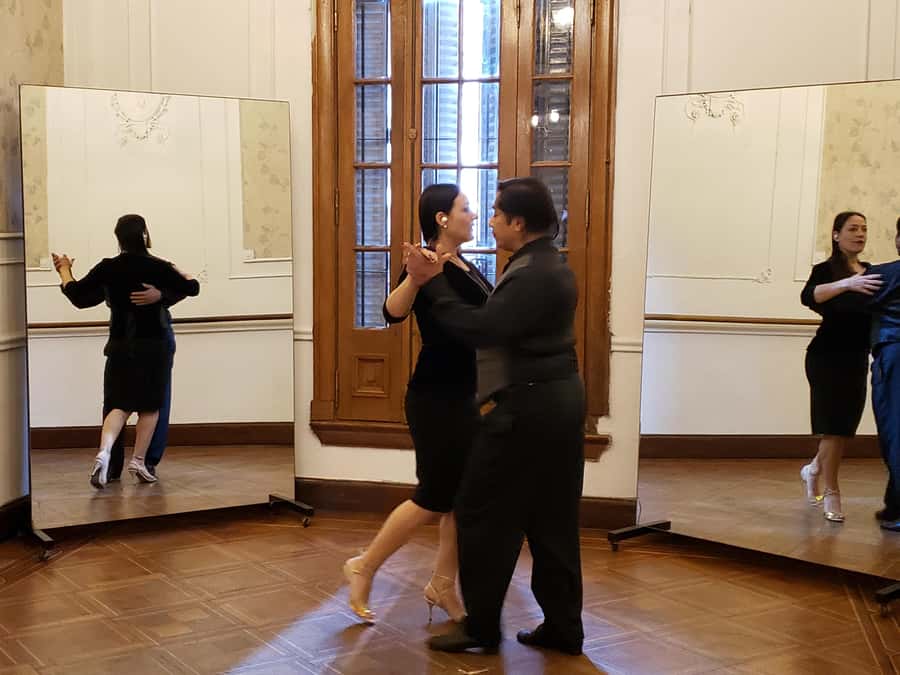
When people say tango is sensual, they often mean it looks dramatic. When you learn tango, though, you quickly realize the real magic is less about drama and more about structure.
The class focuses on:
- The embrace: how to hold your partner with a frame that stays steady
- The walk: how to move with the rhythm and direction of the music
- Basic steps: enough pattern to start moving as a pair
Why this is worth paying attention to: tango isn’t just footwork. If your embrace is off, the walk feels awkward. If the walk is off, the steps look messy. Pros teach you the system so the whole dance starts working together.
In the feedback you’ll find, one instructor named Joana is specifically described as lovely, an excellent dancer, and—most importantly—patient. That kind of patience is what makes beginner tango possible. You’ll likely spend some time practicing small adjustments rather than running through a long routine. That’s not a drawback; it’s how you learn the foundation that makes everything after it easier.
Learning Tango History in the Rooms Where It Happened
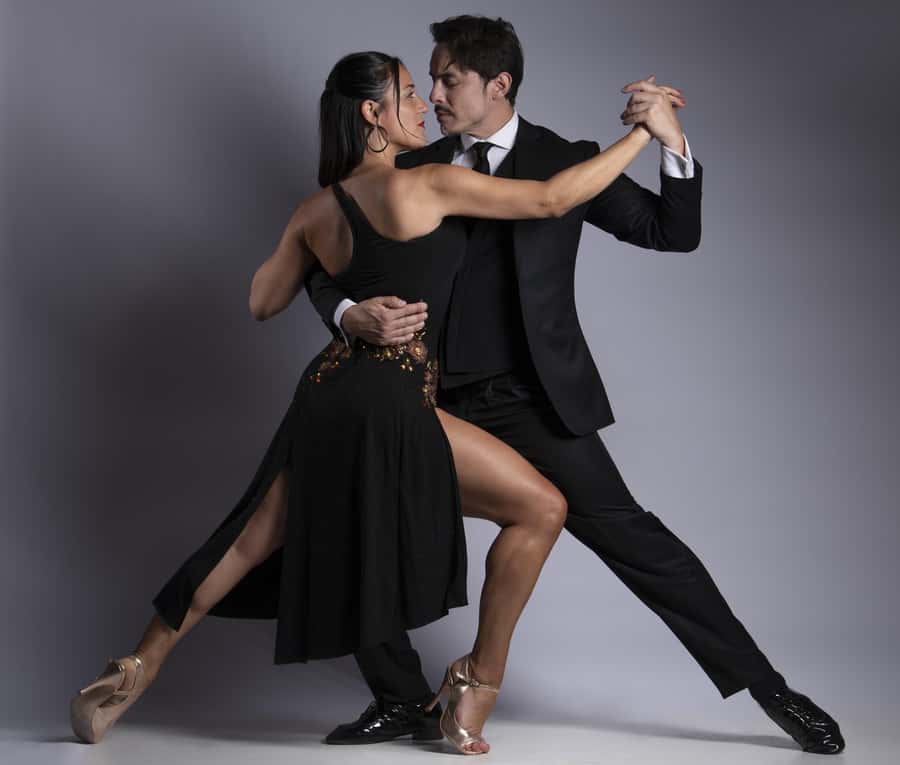
This experience doesn’t sell tango as a set of moves only. It also leans into the idea that tango “lives” inside the tango halls. The experience description highlights learning the history that exists in each tango hall, which means your instructors aren’t just pointing out steps—they’re giving context about why spaces and styles matter.
Why you should care: when you understand where tango came from and how its culture shaped movement, you stop treating it like a dance app. You start responding to the music and partner cues the way tango performers do.
Even if the history part isn’t an essay session, it tends to do something useful in one hour: it gives you a reason to pay attention to posture, timing, and the role of the partner. Tango changes when you treat it like a conversation instead of a performance.
Live Tango Exhibition: Watching Helps You Fix What You Can’t Yet Feel
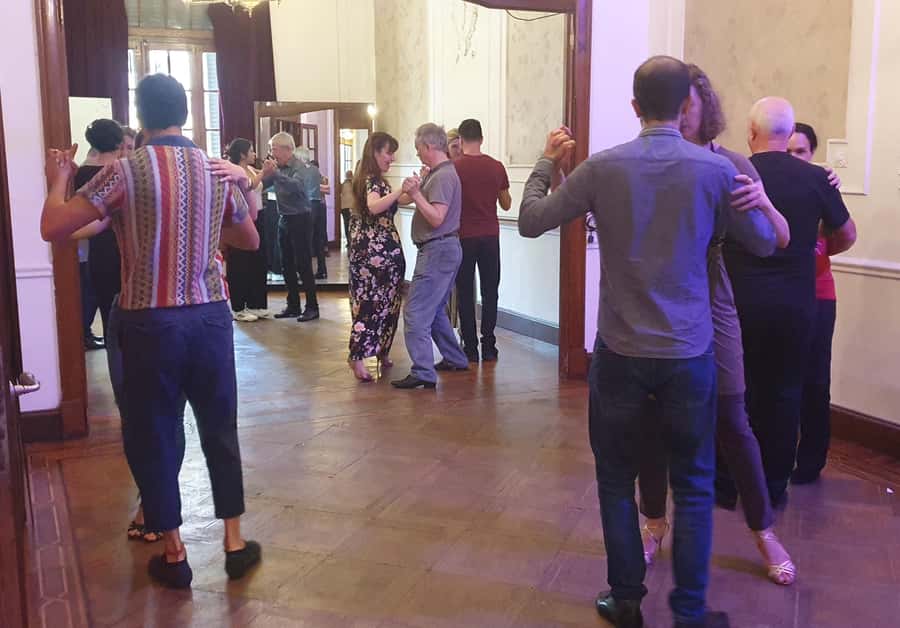
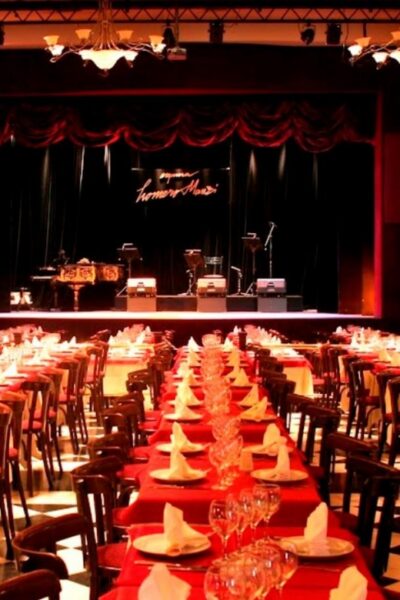
You’re also offered a live tango exhibition at the authentic traditional tango school in Buenos Aires. That matters because beginners often can’t recognize what they did wrong in real time. Watching professionals creates an instant reference point.
Think of it like this:
- During your lesson, you focus on the next step and your partner connection.
- During the exhibition, you notice how the best dancers move through space, how their embrace stays stable, and how the walk looks effortless even when the steps are complex.
You don’t need to be a dancer to benefit. The exhibition is there to connect your practice with what tango is supposed to look and feel like at a higher level.
Just be aware: this is still tied to your one-hour time window. Don’t expect the exhibition to replace a full evening milonga. It’s more like a teaching companion—performance as instruction.





Price and Value: $120 for Up to Two People in Buenos Aires
The price is $120 per group, with the limit that it works up to two people, and the duration is one hour. That pricing structure is a big part of the value.
Here’s why it can be a smart deal:
- You’re paying for private instruction from professional dancers, not a shared class where your questions get diluted.
- Buenos Aires tango lessons vary widely. A private hour with professionals inside a traditional tango school setting can be expensive in many places. Keeping it capped for up to two people helps you share the cost.
If you’re traveling solo, you’re still getting the full private setup. If you’re traveling with a friend or partner, it’s especially good value because both of you get guided attention.
One more point: there’s an option for private in-out transfer for an additional cost. If you want to minimize stress and time spent finding the old house, that can be worth considering, especially if you’re not sure where the tango school is in relation to your lodging.
Who Should Book This Tango Lesson (and Who Should Skip It)
This tango experience is built for beginners. It explicitly says no dance knowledge is required. If you want to learn the basics, the embrace, and the walk without feeling judged, this is exactly the kind of setup you want.
It also fits well if you learn better through one-on-one feedback. Tango is full of details—frame, timing, connection—and private coaching reduces the guesswork.
That said, it’s not suitable for children under 10 and it isn’t appropriate for people with mobility impairments, wheelchair users, visually impaired people, hearing-impaired people, or people with pre-existing medical conditions. If you fall into any of those categories, don’t force it. You want a safe experience where you can focus on the dance.
Comfort also matters: you’ll want comfortable shoes and comfortable clothes so your feet and body can move freely during practice.
Finally, alcohol and drugs aren’t allowed. It’s a learning-focused environment.
Should You Book This Private Tango Lesson with Milonga City?
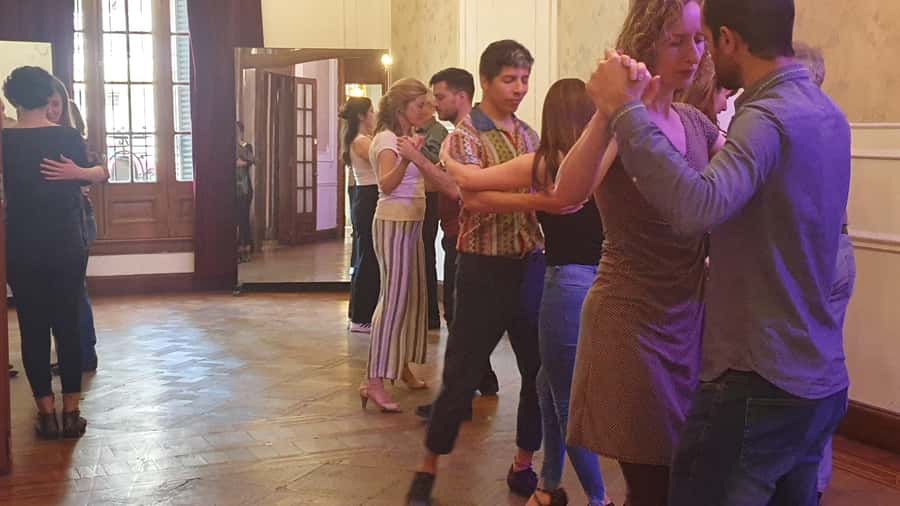
If you’re in Buenos Aires and you want more than a photo-op tango evening, book it. The biggest reason is simple: in one hour, you learn real basics—embrace, walk, and starter steps—with professional dancers in a traditional tango-school setting. The private format helps you ask questions and take the time you need, which is the difference between remembering a move and actually understanding it.
I’d particularly recommend it if:
- you’re a first-timer who wants clear guidance
- you prefer private instruction over group chaos
- you want a tango experience that includes both teaching and a live exhibition
You might want to think twice if you have accessibility needs listed as not suitable, or if you’re expecting a long, full-length performance night. This is training time—focused, structured, and aimed at getting you moving.
FAQ
How long is the tango lesson?
The class lasts one hour.
Is this lesson private?
Yes. It’s a private group experience for up to two people.
What’s included in the experience?
You get one hour of private class with professional dancers, plus access to special halls for dance classes. The experience also includes a live tango exhibition at the tango school.
Do I need any dance experience?
No. No dance knowledge is required.
What languages are available for the instructor?
The instruction is available in English and Spanish.
Where do I meet the instructors?
You’ll meet at the tango school in an old house. When you arrive, you should ring the doorbell to meet your instructors.
What should I bring?
Bring comfortable shoes and comfortable clothes.