REVIEW · BUENOS AIRES WALKING TOURS
Free Walking Tour of Buenos Aires
Book on GetYourGuide →Operated by Swell Experiences · Bookable on GetYourGuide
Buenos Aires history starts fast. This 2-hour walking tour is a practical way to orient yourself in the Plaza de Mayo area and connect the city’s big symbols to real stories. I especially like the way it brings the Casa Rosada to life with that balcony moment linked to Evita Perón, and how the route keeps swapping eras as you move down Avenida de Mayo. One thing to consider: it’s a free-walk format, and there have been cases where the guide did not show up, so show up early and be ready to contact the provider if possible.
The pacing is built for a first visit: enough stops to feel like you saw the center, without turning into a marathon. The route is also wheelchair accessible, and the tour is offered in Spanish and English on different start times. If you’re the type who hates waiting around, you’ll want to plan your timing carefully for a meet-up in a busy central area.
In This Review
- Key Highlights Worth Your Attention
- Getting Oriented at Pirámide de Mayo and Plaza de Mayo
- Casa Rosada Stories You Can Actually Place
- Metropolitan Cathedral Stop: Longer Than a Quick Photo
- Avenida de Mayo: The One-Hour Walk That Changes the Mood
- Obelisco and the Cathedral-to-Monument Flow
- Café Tortoni: A Short Stop With Big Atmosphere Potential
- Palacio Barolo and the Evita Thread
- Finish at Congreso de la Nación Argentina (and What That Means)
- Value for $10: What You Actually Pay For
- Language Times: Spanish vs English Starts
- Group Walking Reality: What to Wear and How to Time It
- Who This Tour Suits Best
- Should You Book This Free Walking Tour of Buenos Aires?
- FAQ
- Where does the tour start?
- How long is the tour?
- What languages are offered, and when do they run?
- What’s included in the price?
- Where does the tour end?
- Is it wheelchair accessible?
- What is the cost?
Key Highlights Worth Your Attention
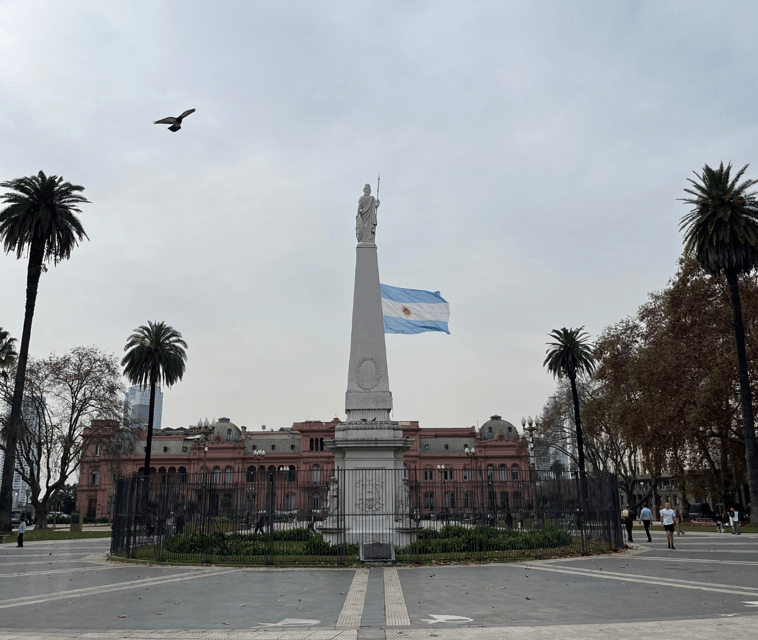
- Pirámide de Mayo meet-up: easy central starting point to get your bearings before you move.
- Casa Rosada stop with a story: Evita Perón’s balcony moment is part of what you’ll hear.
- Metropolitan Cathedral time built in: a longer guided stop so it’s not just a photo stop.
- Avenida de Mayo architecture focus: one full hour walking and learning along this grand avenue.
- Café Tortoni and old Buenos Aires: a quick stop that still matters on a short tour.
- Finish at Congreso de la Nación: you end with a clear destination, not a wandering return.
Getting Oriented at Pirámide de Mayo and Plaza de Mayo
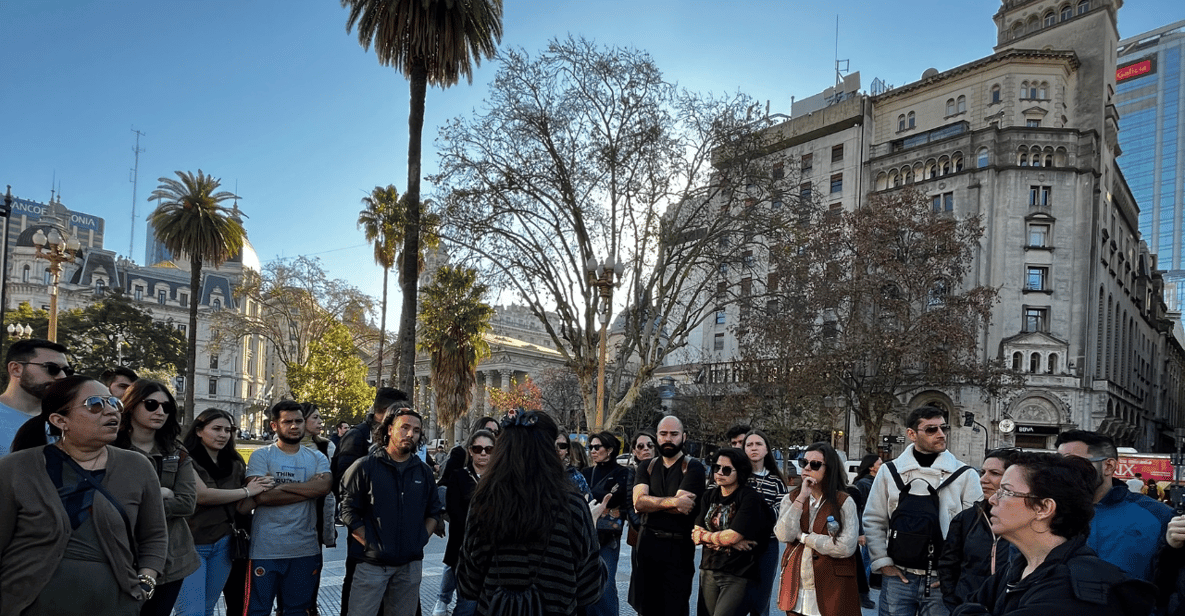
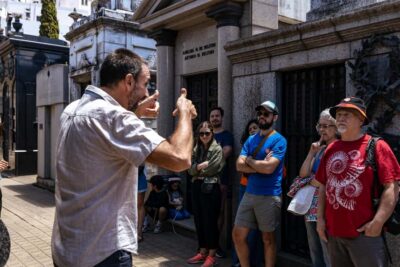
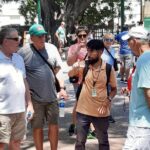
I like a tour that helps you figure out the map quickly, and this one does. You start at Pirámide de Mayo, meeting your guide with a black umbrella. That detail matters because the center can feel chaotic when you arrive, and a clear visual cue helps you lock in fast.
From there, the tour focuses on Plaza de Mayo, one of the most famous squares in South America. The big reason this place works for a first-time visitor is simple: it sits at the center of political Buenos Aires. The tour points out that Argentina’s Declaration of Independence took place here, so you’re not just looking at scenery—you’re understanding why people gather in this specific spot.
If you only have a couple hours and you want your bearings without turning it into a self-guided scavenger hunt, this opening is the right kind of structure. The downside is that it’s still a walking tour in a busy tourist zone. If you arrive late, you can miss the start of the “why this matters” part that sets the tone.
You can also read our reviews of more walking tours in Buenos Aires

Casa Rosada Stories You Can Actually Place
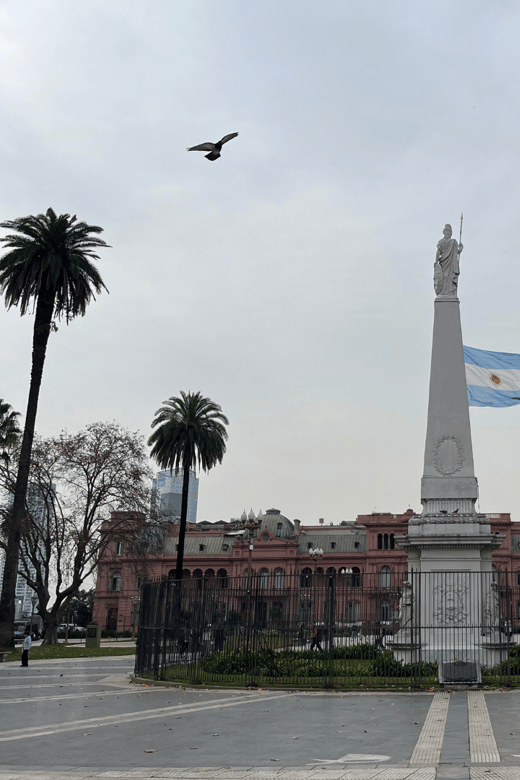
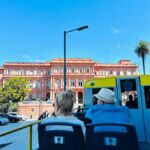
Casa Rosada is the first major stop after you begin, with about 20 minutes of guided time. This is a good amount for a short tour because you get both facts and a sense of drama, and you’re not racing through it like you’re at a factory line.
Here’s what the tour highlights that you’ll remember: the balcony moment tied to Evita Perón singing Don’t Cry For Me Argentina. That isn’t an abstract detail. It gives you a human anchor for what you’re seeing, and it helps you understand how the building functions in Buenos Aires culture—politics, performance, and public memory all mixed together.
I also like that the tour doesn’t stop at Casa Rosada and run away. It places this site early so your brain can build a timeline. When you later reach other monuments and institutional buildings, the meanings connect more easily.
Metropolitan Cathedral Stop: Longer Than a Quick Photo
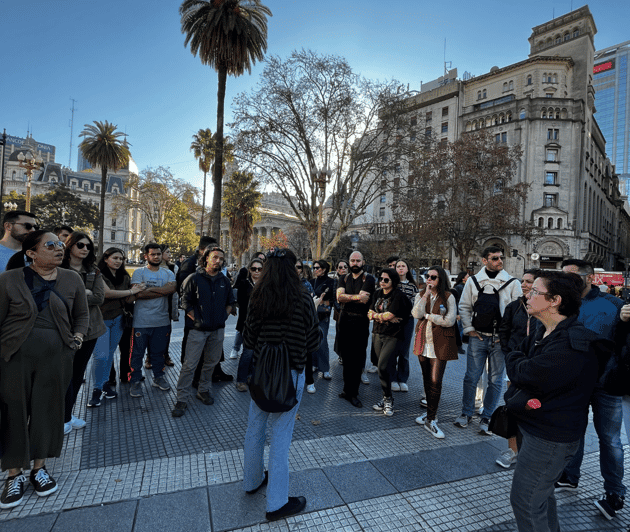
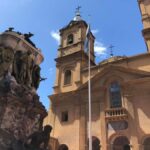
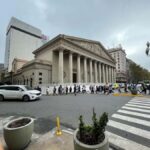
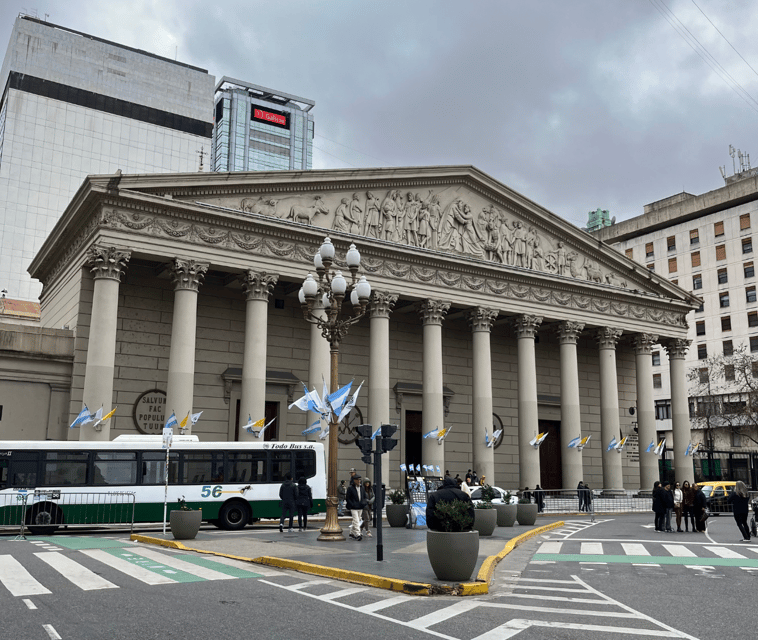
Next up is Buenos Aires Metropolitan Cathedral, with a guided segment of roughly 35 minutes. That’s notably longer than many quick city center walks, and it changes the feeling of the visit. You’re not just snapping photos at the edge of a crowd and moving on.
This longer time is useful if you learn best by slow attention. It also helps if you want to stand back, look at the overall massing, then come closer for details while the guide explains what you’re looking at.
One practical note: if you’re visiting during a busy time of day, your “sit and listen” window may be tighter. Still, the planned time is there, and that’s what makes this stop feel more like a guided experience than a checklist.
Avenida de Mayo: The One-Hour Walk That Changes the Mood
Avenida de Mayo is where the tour shifts from “big political squares” into something more visually European. You get a full hour here, and that matters. In walking terms, it’s long enough to feel like you’re actually traveling down a major boulevard, not just turning a corner.
The tour calls out the avenue’s European charm and the centenary buildings along the way. Even if you’ve never studied Buenos Aires architecture, you can still pick up what the guide is doing: comparing eras through buildings. You’ll likely find yourself noticing how certain facades create a different mood than the surrounding blocks.
This section is also a chance for you to reorient your sense of direction. After Plaza de Mayo and Casa Rosada, you’ve got your starting point in your mind. Then Avenida de Mayo provides a straight line to follow—ideal for first-timers.
Obelisco and the Cathedral-to-Monument Flow
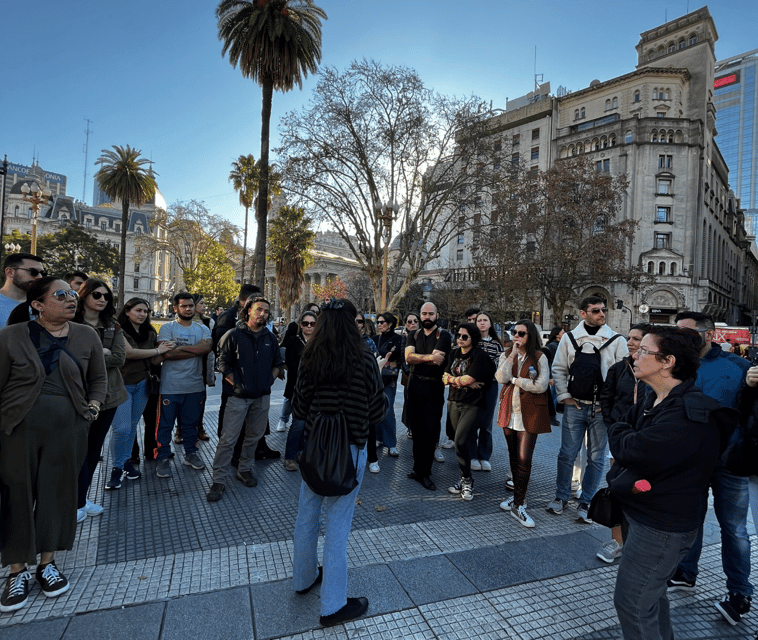
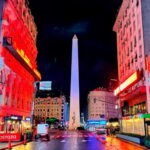
Along the route, you’ll admire additional landmarks, including the Obelisco. This is an important stop in terms of recognition. Even if you don’t know the exact background, seeing it in context inside a walking plan makes it feel less like a lone postcard monument and more like part of a larger civic story.
The tour’s strength is in the flow: you move from government space to major architecture to headline monuments, and your brain starts building connections. That’s more useful than hitting one famous place and calling it a day.
Just keep expectations aligned with the format: it’s guided walking with stops, not a deep museum-style session. If you want long interior time everywhere, you’ll need to pair this with extra visits on your own after the tour ends.

Café Tortoni: A Short Stop With Big Atmosphere Potential
Café Tortoni is included as a brief guided stop of about 10 minutes. Short doesn’t mean meaningless here, because Café Tortoni works well as a “taste test” stop. You see the place, understand why it matters, and then you can decide if you want to come back later for a longer break.
This matters for value. Not every site should swallow your entire afternoon, and a quick stop gives you a nudge toward the kinds of experiences Buenos Aires is famous for—old-school cafés, long conversations, and a slower pace than you may be expecting.
If you’re planning to take a coffee or snack break, do it thoughtfully. You don’t want to lose time at the wrong moment. The guided segment is designed to keep you on the route.
Palacio Barolo and the Evita Thread
The tour also includes Palacio Barolo, with about 15 minutes of guided time. Even without going inside (the tour data here focuses on guided viewing), the planned time helps you understand what you’re seeing and why it’s worth noting in the historic center.
You’ll also pass places connected to the Evita Perón story, including the Mural of Evita Perón. This creates a thread that runs across the tour: the city isn’t just buildings and streets—it’s also remembered people and public myths tied to real locations.
I like this structure because it stops the walk from becoming “where we are, what it looks like, next.” Instead, you get a recurring character and a consistent idea of how Buenos Aires preserves memory in public spaces.
Finish at Congreso de la Nación Argentina (and What That Means)
You finish at Congreso de la Nación Argentina, ending outside the Congress. The tour aims to take you across the historic center, and this final point acts like a natural anchor at the end of your walk.
The tour highlights the Congress as a symbol of Argentinian democracy and transcendental moments in the country’s history. That framing matters because it gives closure. You started in a space linked to independence, then moved through government HQ and civic landmarks, and you end at the building representing democratic life. That’s an easy story arc for a short tour.
It also helps practically. Ending outside a major landmark makes it simpler to plan what you do next—whether you’re heading to another museum, grabbing dinner, or continuing exploring on your own.
Value for $10: What You Actually Pay For
Yes, it’s often described as a free walking tour, and the listed price is $10 per person. In practice, the value comes from the guided structure and time allocation. You’re not paying for comfort or transport; you’re paying for a person who connects the sites into a coherent route over about two hours.
Here’s what you get, in time blocks:
- Guided stop at Casa Rosada (about 20 minutes)
- Buenos Aires Metropolitan Cathedral (about 35 minutes)
- A full hour walking along Avenida de Mayo with guidance
- Café Tortoni (about 10 minutes)
- Palacio Barolo (about 15 minutes)
That’s a lot of guided minutes for a low price, especially if you’re trying to learn efficiently during a limited stay. The biggest value is the organization: you show up, follow the plan, and walk out with a clearer sense of where everything is and why it matters.
One consideration: at a low price point, reliability becomes extra important. The provided rating summary includes a serious issue—pointless when the guide did not show up. I can’t sugarcoat that. If you book, plan like a grown-up: arrive early, use the provided meet-up details, and be ready to pivot if the guide is missing.
Language Times: Spanish vs English Starts
This tour lists two language options with different start times:
- 11:00 Spanish
- 14:30 English
If you care about understanding every explanation, pick the time that matches your comfort level. It’s a small detail, but it can be the difference between feeling connected to the stories and feeling like you’re just walking between monuments.
Also, consider your energy. A mid-morning start tends to feel different from an afternoon one, especially in a city center where sidewalks and crowds can make you tired faster than you expect.
Group Walking Reality: What to Wear and How to Time It
Because this is a walking tour, comfort matters more than usual. Aim for shoes you trust for uneven sidewalks and long stretches of standing.
Also, plan your day with the two-hour duration in mind. This tour is meant to be your first-or-second stop in the historic center, not your entire afternoon. If you stack it too tightly with other activities, you’ll feel rushed the moment you leave Congreso.
If you’re traveling with mobility needs, it’s wheelchair accessible, which is a major plus. Still, the real world includes street crossings and crowd density, so give yourself extra margin at the start and end points.
Who This Tour Suits Best
I think this tour is a good match for:
- First-time visitors who want a guided intro to Buenos Aires’s historic core
- People who learn best through context and stories tied to real locations
- Short-stay travelers who can spare about two hours and want a compact route
It may not be ideal if:
- You expect long inside visits or museum-style time at every stop
- You need guaranteed guide reliability at all costs (and want a backup plan)
Should You Book This Free Walking Tour of Buenos Aires?
I’d book it if your priority is orientation plus key landmarks in a short, organized walk. The route covers the civic heart of the city—Plaza de Mayo, Casa Rosada, Avenida de Mayo, the Obelisco area, Café Tortoni, Palacio Barolo, and a finish at Congreso—so you leave with a mental map and a basic storyline.
I’d also book with eyes open. The low rating includes at least one experience where the guide did not show up, which is a real risk factor in the free-tour ecosystem. If you do book, arrive early at Pirámide de Mayo, look for the black umbrella, and keep your day flexible enough to adjust if you’re stuck waiting.
If you want a short guided start that helps you explore Buenos Aires smarter after, this one fits the job.
FAQ
Where does the tour start?
It starts at Pirámide de Mayo. The guide will be waiting for you with a black umbrella.
How long is the tour?
The tour lasts about 2 hours.
What languages are offered, and when do they run?
The tour lists Spanish at 11:00 and English at 14:30.
What’s included in the price?
The included part is the guided tour. No other extras are listed.
Where does the tour end?
It ends outside the Congreso de la Nación Argentina.
Is it wheelchair accessible?
Yes, the activity is listed as wheelchair accessible.
What is the cost?
It’s listed at $10 per person. The activity also notes free cancellation and pay-later booking options, but the key detail you should focus on is that you’re paying for the guided experience.