REVIEW · JEWISH HERITAGE TOURS
Jewish Buenos Aires Private Tour
Book on Viator →Operated by Buenos Aires Tour Guide · Bookable on Viator
Jewish Buenos Aires hits you in the streets. This private 4-hour tour uses an expert guide to connect everyday community life in Once with the events that changed Buenos Aires.
I love the hotel pickup and drop-off, because you lose zero time. I also like that the itinerary can be personalized to your interests and pace, so it feels less like a checklist and more like a guided conversation.
One thing to plan for: the synagogue and museum tickets cost extra on top of the tour price.
In This Review
- Key highlights worth planning for
- Entering Once: Jewish life in Buenos Aires’s garment district
- Price and logistics: what you pay for in a 4-hour private format
- El Once Barrio Comercial: AMIA memories, the IFT theater, and Great Temple Paso
- Jewish Museum of Buenos Aires and Libertad Synagogue: immigrants, colonies, and 1932 architecture
- Catedral Primada: Holocaust and AMIA memorials inside Argentina’s main cathedral
- Guides who bring Jewish Buenos Aires to life (Matias, Ezekiel, Elan, Ilan, and more)
- How the day feels: pace, customization, and smart prep
- Who this tour is best for (and when it might not fit)
- Should you book the Jewish Buenos Aires Private Tour?
- FAQ
- How long is the Jewish Buenos Aires private tour?
- How much does the tour cost?
- What’s included in the tour price?
- Are synagogue and museum tickets included?
- Where do pickup and drop-off happen?
- Is this a private tour or a group tour?
- Can I cancel and get a refund?
- When will I receive confirmation?
Key highlights worth planning for
- Once, the Jewish Quarter, on foot in Buenos Aires’s garment district
- AMIA-linked sites including the Federation building and its 1994 memory mural
- Great Temple Paso, the oldest synagogue stop on the route
- Museo Judio de Buenos Aires + Libertad Synagogue access with one ticket
- Libertad Synagogue details: built in 1932, tied to CIRA (established 1862)
- Emotional memorial stops inside the main cathedral, including the Holocaust and AMIA tributes
Entering Once: Jewish life in Buenos Aires’s garment district
Once is where Jewish Buenos Aires shows up fast. You’ll be walking in a neighborhood known for kosher shops, Jewish institutions, and orthodox congregations, all while non-Jewish businesses live side by side nearby.
What makes this stop special is the balance. You’re not only looking at buildings. You’re seeing how Sephardic and Ashkenazi communities sit next to each other as part of the neighborhood’s everyday texture.
If you enjoy real street-level travel, Once is a strong match. The streets do the storytelling, and your guide turns the visual details into clear context.
You can also read our reviews of more private tours in Buenos Aires

Price and logistics: what you pay for in a 4-hour private format
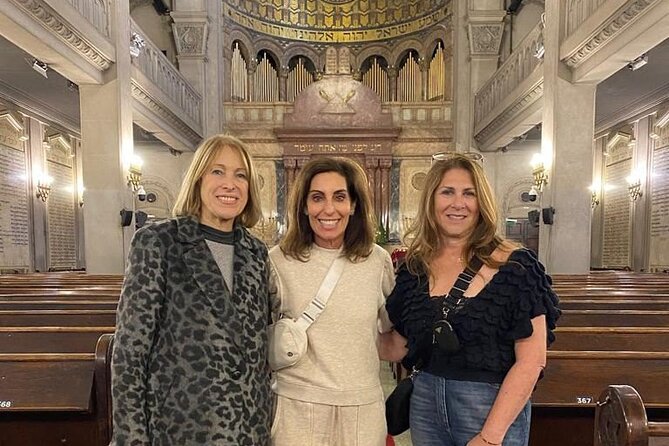
This costs $280 per person for about 4 hours, and the value is in the setup. You get free pickup and drop-off at your hotel, Airbnb, or cruise ship terminal, plus a modern vehicle and a professional driver.
The other big value piece is that it’s private and customizable. You aren’t sharing the day with strangers, and you can steer the pace toward what you care about most, whether that’s synagogues, community history, or the darker chapters of Buenos Aires’s recent past.
Budget note: synagogue and museum admissions aren’t included. The Jewish Museum and Libertad Synagogue are $15 per person, and the Great Temple Paso synagogue is $10 per person. So your all-in cost is usually about $305 per person if you add both paid entries.
El Once Barrio Comercial: AMIA memories, the IFT theater, and Great Temple Paso
Stop 1 anchors the tour in Once, and it moves at a human walking pace. You’ll do a short walk through the area where kosher markets and Jewish shops cluster, and your guide points out the institutions that shaped the neighborhood.
You’ll also see the newer Jewish Federation building associated with AMIA, and you’ll spot the mural on its side wall that remembers the 1994 terrorist attack. That mural-and-building combination matters because it makes the memory physical. You aren’t just hearing about history in a vacuum.
Your route also includes the IFT theater building, noted as the former Yiddish theater. It’s one of those details that helps you understand how language, culture, and performance fed community life in earlier decades.
Then comes the older spiritual anchor: the Great Temple Paso synagogue. This is described as the oldest synagogue in the area, and it’s the kind of stop where the guide’s tone shifts toward meaning. People often leave this part feeling both informed and a little affected, since it’s history you can stand next to.
Practical tip: wear comfortable shoes. Even though the walking is described as small, Once is still a neighborhood where you’ll want good footing for short blocks and curb changes.
Jewish Museum of Buenos Aires and Libertad Synagogue: immigrants, colonies, and 1932 architecture
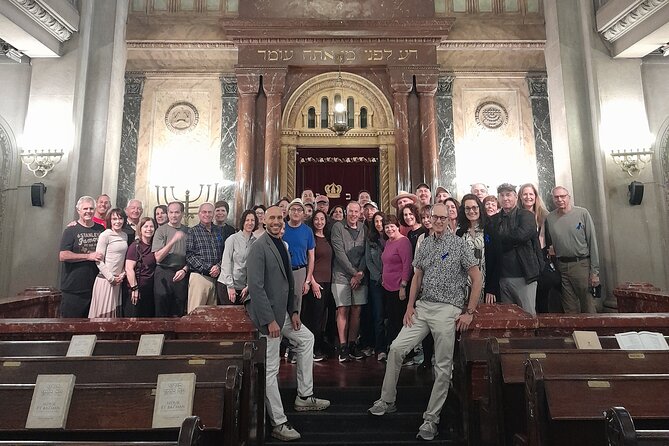
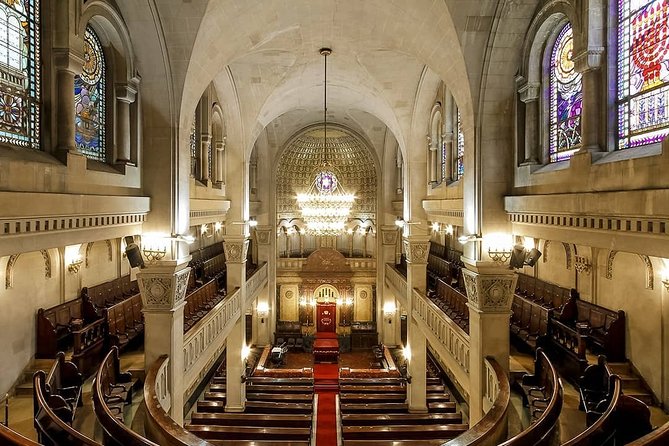
Stop 2 is where the tour slows down into story mode. The Jewish Museum of Buenos Aires opened in 1967 and is located next to the Libertad Synagogue, so you can connect artifacts and narratives with the architecture of worship.
The museum tells the story of Jewish immigration, Jewish colonies, and traditions. That theme is useful because it explains how communities didn’t just arrive and settle. They built institutions, traditions, and social structures that carried forward through changing eras.
Here’s a smart value detail: the Jewish Museum ticket also gives access to Libertad Synagogue. Libertad is described as the most beautiful synagogue of Buenos Aires, built in 1932, and it belongs to CIRA, the Israeli Congregation of Argentine Republic, founded in 1862.
So you’re not paying twice to see the two connected highlights. You’re buying one museum ticket that unlocks both the museum’s narrative and the synagogue’s physical presence.
How to get the most from this stop: ask your guide how the traditions shown in the museum connect to what you saw earlier in Once—shops, congregations, and community rhythm. The best guides will link those dots for you clearly.
Catedral Primada: Holocaust and AMIA memorials inside Argentina’s main cathedral
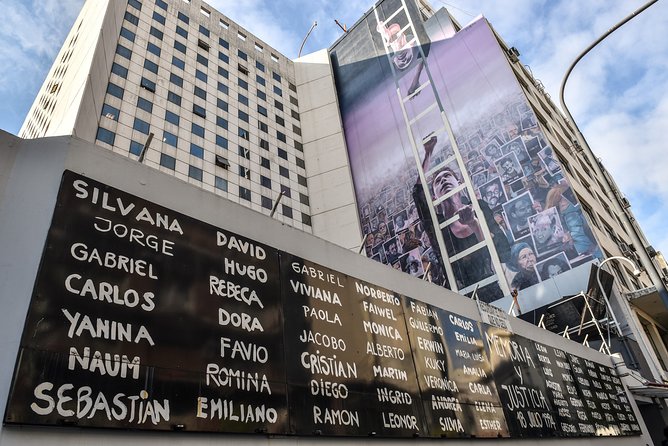
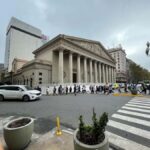
Stop 3 is quick, but it’s heavy in the best way. Inside the Catedral Primada, you’ll visit memorials for the victims of the Holocaust and the terrorist attack against AMIA.
Doing this inside the main cathedral is a unique contrast. Synagogue and museum stops help you understand Jewish community life directly. Then the cathedral memorial places Jewish history in the wider national and religious geography of Buenos Aires.
The time is short—about 20 minutes—but this is the part that often feels the most reflective. If your group likes meaning over volume, this stop will likely stick with you after the tour ends.
Practical tip: if you’re traveling with family or mixed ages, treat this as a sit-and-listen moment. Let the guide set the pace, and don’t rush the memorial sections.


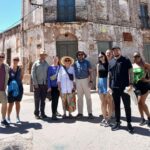
Guides who bring Jewish Buenos Aires to life (Matias, Ezekiel, Elan, Ilan, and more)
One of the most praised parts is the guide. This tour uses a guide specialized in Jewish history and described as an active member of the local Jewish community, which changes the tone from tourist lecture to lived context.
Names that have appeared in past guidance include Matias Aysenberg, Ezekiel, Elan, and Ilan. Each guide brings a slightly different emphasis, but common threads show up in the feedback: clear explanations, thoughtful answers to questions, and a sense of care when discussing tragedies like the 1992 and 1994 attacks tied to Buenos Aires.
What you’ll enjoy most is the way the guide balances street life with difficult history. Some people book this wanting synagogues. They end up leaving with a fuller picture of Argentine Jewish life in the political and social shifts of the 20th century too.
If you’re curious, ask specific questions like:
- How did Sephardic and Ashkenazi communities shape Once?
- How did major attacks change community security and public life?
- What does CIRA’s early founding (1862) signal about community development?
Good guides will answer directly and connect it back to what you’re seeing.
How the day feels: pace, customization, and smart prep
This tour is designed around a manageable half-day. The core structure is a Once neighborhood stop, a museum/synagogue stop, and a cathedral memorial stop, with travel time handled by your driver.
The private format helps your day feel smoother. One of the strong points from feedback is that the pace works even for older visitors, including groups where some people prefer slower walking. The best way to make that happen is to tell your guide up front what pace you want.
Because admissions for the Jewish Museum/Libertad Synagogue and Great Temple Paso aren’t included, you’ll want to plan payment for those entrances. The tour can feel expensive if you don’t expect ticket add-ons, so keep the extra $25-ish per person in mind for the two paid sites.
Also consider timing. Once is a living neighborhood, so your experience can pick up energy depending on the day and schedule. One account mentioned being there during Purim, which added an extra layer of community insight. You may or may not catch a holiday moment, but it’s worth knowing that Jewish community calendar events can change the vibe.
Finally, be ready to ask questions. The whole tour works best when you treat it like Q&A with a local historian, not like a bus ride with headphones.
Who this tour is best for (and when it might not fit)
This tour is a great fit if you want:
- Synagogues and Jewish heritage explained with context, not just seen from the outside
- A walk through Once that shows kosher commerce and community institutions in one sweep
- Memorials tied to AMIA and Holocaust remembrance in a meaningful setting
- A private guide who can adjust pace and interests
It may not fit perfectly if you only want purely light sightseeing with zero emotional weight. The cathedral memorial stop brings the darker parts of history into the day. If your group avoids that topic, you might find the balance too serious.
It also depends on your interest in synagogues and museum material. If you’re mainly shopping for street markets and want lots of free time on your own, this tour is still structured and guided.
Should you book the Jewish Buenos Aires Private Tour?
Book it if you want a focused, private introduction to Jewish Buenos Aires that connects place to meaning. The value is strongest when you appreciate the combination of Once street life, synagogue architecture, and memorial history—rather than picking only one of those themes.
I’d especially consider booking if you like tours where the guide answers questions clearly and brings lived community context. The most praised experiences emphasize exactly that: guides who connect the neighborhood details to the big historical events, and who keep the day understandable, not overwhelming.
If you’re budget-conscious, do the math on admissions: add the $15 museum/Libertad ticket and the $10 Great Temple Paso ticket to the $280 tour price. If that total still works for you, this is a well-rounded half-day with a lot of “Buenos Aires-specific” insight.
FAQ
How long is the Jewish Buenos Aires private tour?
It’s approximately 4 hours.
How much does the tour cost?
The price is $280.00 per person.
What’s included in the tour price?
Pickup and drop-off at your hotel, Airbnb, or cruise ship terminal; a private customized tour; a guide specialized in Jewish history and described as an active member of the local Jewish community; and transport in a modern vehicle with a professional driver.
Are synagogue and museum tickets included?
No. Libertad synagogue & the Jewish Museum are $15.00 per person, and Gran Templo Paso synagogue is $10.00 per person.
Where do pickup and drop-off happen?
Pickup and drop-off are available at your hotel, Airbnb, or cruise ship terminal.
Is this a private tour or a group tour?
It’s private. Only your group participates.
Can I cancel and get a refund?
No. This experience is non-refundable and cannot be changed for any reason.
When will I receive confirmation?
Confirmation is received within 48 hours of booking, subject to availability.