REVIEW · BUENOS AIRES CITY TOURS
Private Customizable City Tour of Buenos Aires
Book on Viator →Operated by Signature Tours · Bookable on Viator
Buenos Aires can feel like a lot at once, and this tour helps you tame it. I love the private setup (hotel pickup, dedicated guide, your own pace) and the fact that you get the city’s biggest “I’m here!” moments in just about 3 hours. One thing to keep in mind: the timing is tight, so most stops are short walks and quick look-throughs, not long museum sessions.
You start with a plan, but you’re not stuck with it. Your guide can steer the route toward what you care about most, which is great if you’re the type who wants history at one stop and street-level color at the next. For many first-timers, this becomes the day you get your bearings fast and know where to return later.
In This Review
- Key things you’ll notice right away
- Private custom tour value: what $135 buys you in Buenos Aires
- How the customization actually works (and how to get the most from it)
- Plaza de Mayo and San Telmo: politics, origins, and old-street character
- La Boca, Caminito, and the working-class postcard reality
- Puerto Madero and Retiro: modern waterfront calm and a British-style station
- Recoleta Cemetery in a short stop: how to read it in 20 minutes
- Guides, pacing, and the small details that change everything
- Who this tour is best for (and who should look elsewhere)
- Practical tips for your day (so the 3 hours feel like 5)
- Should you book this private customizable Buenos Aires tour?
- FAQ
- How long is the private custom city tour of Buenos Aires?
- Is this tour private?
- What neighborhoods and landmarks are included?
- Are entrance tickets included?
- Can I customize the itinerary?
- Is cancellation free?
Key things you’ll notice right away
- Hotel pickup and drop-off: no hunting for meeting points or wasting daylight on logistics
- A private vehicle plus a local guide: you get context, not just snapshots
- Customizable itinerary: you can swap priorities while still covering the classics
- Free-to-enter landmark stops: Plaza de Mayo, La Boca/Caminito, and Recoleta Cemetery are listed as free
- A smart mix of neighborhoods: Downtown politics, San Telmo vibes, La Boca color, Puerto Madero modern views, Recoleta grandeur
Private custom tour value: what $135 buys you in Buenos Aires
At $135 per person for about 3 hours, you’re paying for two things that matter in a city like Buenos Aires: time and direction. Public transit and taxis can get you around, sure. But a private city loop saves you from decision fatigue—where to go, how long to stay, and what you’re actually looking at once you get there.
The best part is that you’re not buying a scripted “pass-by” tour. The tour is explicitly customizable, so your guide can adjust the emphasis: more street photography in La Boca, more wandering in San Telmo, or extra time for views in Recoleta/Plaza San Martín area. If you only have a couple of days in town, this format is an efficient way to build a map in your head.
You can also read our reviews of more city tours in Buenos Aires


How the customization actually works (and how to get the most from it)
Customization works best when you start with clear priorities. At the beginning of the tour, tell your guide what you want more of, and what you want to skip. Examples from the route that often get emphasized include:
- Old-city symbols at Plaza de Mayo
- Neighborhood feel in San Telmo and its market-energy streets
- The bright, immigrant-era vibe of Caminito
- Waterfront modern contrasts in Puerto Madero
- Classic Buenos Aires in Retiro and the area around Plaza San Martín
If you’re into tango culture, you’ll like that this route naturally touches it—La Boca’s street atmosphere and the general tango-stage reputation around the city. If your focus is architecture and big landmarks, Recoleta’s scale and cemetery symbolism are a strong payoff.
Also, plan on a “fast and selective” day. Even with customization, this isn’t designed as a two-hour museum day. It’s designed to give you a working sense of Buenos Aires, then leave you with ideas for your next hours.
Plaza de Mayo and San Telmo: politics, origins, and old-street character
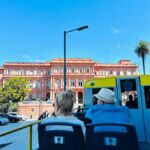
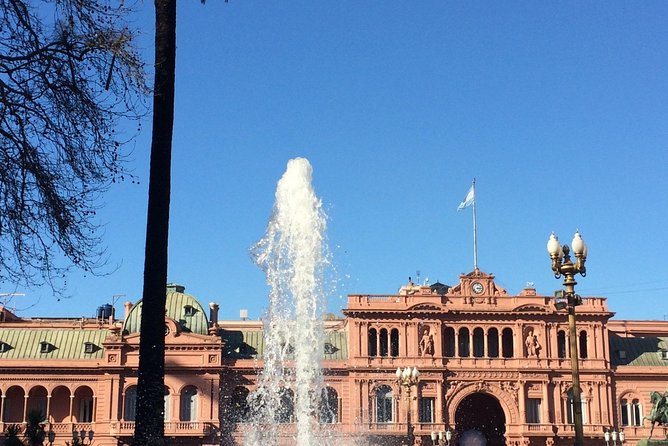
Your route begins in the Downtown core at Plaza de Mayo, in Monserrat, near where Buenos Aires was founded. This is the city’s big stage for civic events, named for the May Revolution of 1810—when citizens gathered to push out the viceroy and form a creole government. That political weight matters here because it shapes the feel of the square. You’re not just looking at pretty architecture; you’re looking at the geography of power.
Plan for about 15 minutes at the square. In that time, your guide should help you connect what you see today to why the place mattered historically.
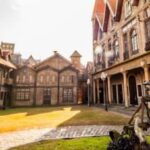
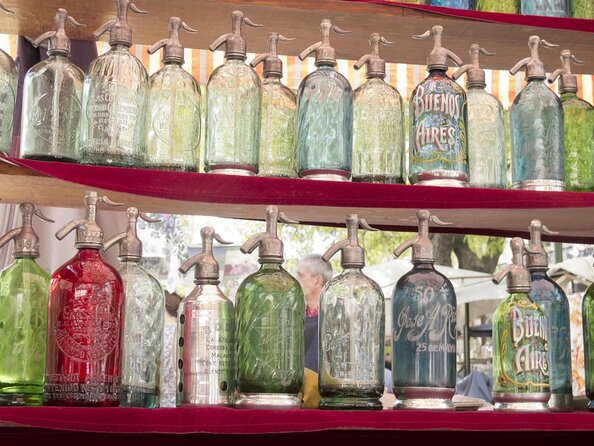
Then you move into San Telmo, a neighborhood with a bohemian edge thanks to temporary art galleries, night bars, and street murals. If you’re visiting on a Sunday, you’ll hear about the Dorrego Square street market and performances—this area is famous for that weekend energy. The route also threads past Defensa Street, known for antique shops and brasseries, plus nearby paths through Lezama Park where jacaranda trees add seasonal color.
What I like about this pairing is contrast. Plaza de Mayo gives you the formal center. San Telmo gives you the texture around it—older streets, small surprises, and an easier pace for photos.
One drawback: San Telmo can be more about strolling and atmosphere than about a single major “must-see” building. If you want fixed, ticketed attractions, this stop might feel like a mood more than a checklist.
La Boca, Caminito, and the working-class postcard reality
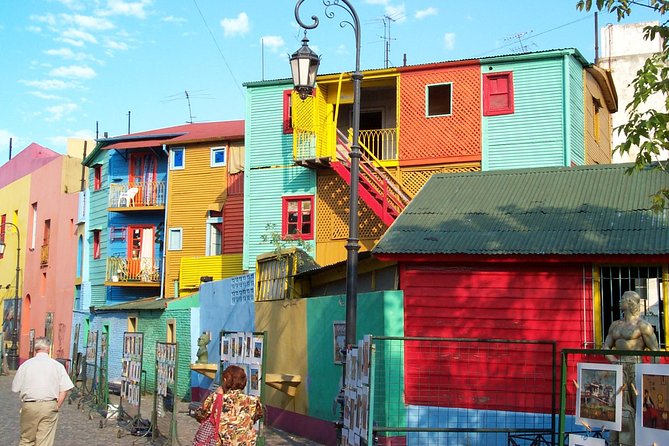
Next comes La Boca, a working-class neighborhood by the Riachuelo. This is where the city’s immigrant history shows up in paint and design. The walking route includes Caminito, described as a narrow alley lined with brightly colored zinc houses. It’s become a kind of living open-air museum, and it also connects to the tango classic Caminito (1926) by Juan de Dios Filiberto. That’s the kind of detail your guide should point out—how art, music, and place reinforce each other.
Expect about 15 minutes in the broader La Boca area, then around 5 minutes for the Caminito stop. That short timing is exactly why this tour works: you see the main visual and cultural hook, then move on before you burn half the day. If you want deeper exploration, you can always come back later with a longer plan of your own.
You’ll also hear about Bombonera, Boca Juniors’ stadium, a huge deal especially on match days. And there’s Proa Foundation, a modern art museum with temporary exhibitions and views toward the older dock area. Not every stop is guaranteed to become a museum visit—this is more about orientation and context than ticketed entry—but the guide’s explanation is usually what makes these places stick.
If you’re wondering whether La Boca is all just pictures: it’s close. But the value is learning how the neighborhood got its look and why people still connect it to tango and daily life.
Puerto Madero and Retiro: modern waterfront calm and a British-style station
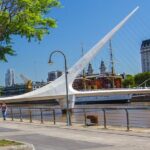
After the color of La Boca and the street-level feel of San Telmo, you’ll get a change of pace at Puerto Madero. This is the renovated waterfront district facing the bay, full of redbrick buildings that house grills and restaurants. It also mixes in modern office towers and luxury apartments, which is part of the point: you’re seeing two Buenos Aires eras in one sweep.
This area also connects to outdoors. The lakes and surrounding paths link up with the Costanera Sur ecological reserve, popular with runners and families. Even if you’re not doing a long walk, seeing this waterfront helps you picture where people escape city traffic on their own time.
Then the route shifts to Retiro, which is a calmer, more diverse neighborhood with quiet streets. You’ll pass Retiro train station, noted for its British-style design. Around it, you also get the practical side of Buenos Aires: fast-food stalls and constant movement. For visitors, the value is simple—you learn where the city’s major rail hub sits and how to navigate it later.
If you like viewpoints and architecture, this area has easy payoff nearby, including the Kavanagh building (an art deco tower) that offers views over Plaza San Martín. That park is described as steep, with jacaranda trees and patriotic monuments where office workers often rest during breaks. You also get Florida Street, a pedestrian strip known for leather goods boutiques, souvenir stalls, and tango dancers.
You can also read our reviews of more private tours in Buenos Aires




Recoleta Cemetery in a short stop: how to read it in 20 minutes
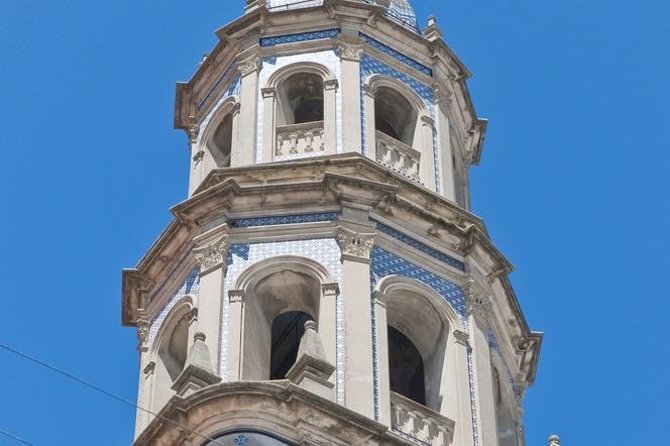
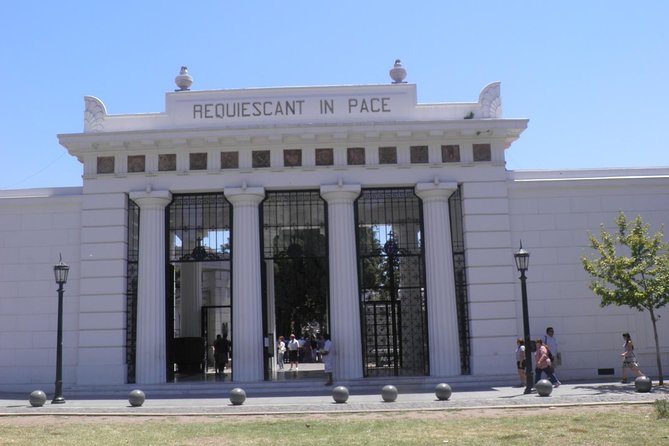
Finally, you reach Recoleta, including Recoleta Cemetery, one of the city’s most famous landmarks. The neighborhood itself is a distinguished area, and it grew in the late 18th century when wealthy families moved there. The cemetery’s buildings reflect the era’s architecture and the social importance that came with it.
You’ll likely spend about 20 minutes here. That’s not enough time to absorb every name and detail, so here’s how to get more value from the short stop: look at the scale first, then notice the variety in the mausoleum designs, then let your guide connect what you’re seeing to the story of old Buenos Aires.
The best part of a cemetery stop on a city tour is how it changes your sense of time. You’re walking among symbols of status and memory, not just tourist sights. The challenge is that it’s easy to feel “rushed,” so if you’re the type who wants to read every marker, you may want to add a follow-up visit after the tour ends.
Guides, pacing, and the small details that change everything
One thing that shows up again and again with this kind of tour is how the guide handles pacing. In the feedback you can see a theme: guides like Pablo, Denise and Jose, Leo, Miriam, Diego, Rosty, Hernan, Myriam, Daniella, Ilan, Alex, Joanna, Romina, Natalie, and Ramina get named for being especially helpful at giving the city a structure.
That matters because Buenos Aires is a city where landmarks mean different things depending on the neighborhood. A great guide doesn’t just point out a sign; they explain why Plaza de Mayo matters, what San Telmo culture feels like, and why Caminito looks the way it does.
There’s also one caution worth sharing. One low-rating comment flagged a guide who wasn’t prepared and didn’t speak Italian well. I can’t generalize that to every guide, but it’s a reminder to check your language needs when you book. If language comfort matters to you, make sure your tour notes clearly state your preferred language.
Who this tour is best for (and who should look elsewhere)
This tour is a strong match if you:
- Want a day-one orientation to Buenos Aires
- Have limited time and want a good first sweep of neighborhoods
- Prefer private pacing over group schedules
- Travel with kids or teenagers and still want meaningful stops
- Are visiting for a short trip and want to know what to revisit later
It’s also a good choice for cruise stop days or tight schedules because the route structure lets you cover key areas without waiting around for multiple ticketed sites.
Who might not love it: if you’re a deep-dive person who wants long museum visits or extended walking without car stops, this may feel short. It’s designed for breadth and context, not for slow wandering all day.
Practical tips for your day (so the 3 hours feel like 5)
Here’s how to make the most of the tight timing:
- Wear comfortable shoes. You’ll walk in several areas, including Caminito and neighborhood streets.
- Bring a camera and expect quick photo windows at several stops.
- If you have strong preferences, tell your guide early. Customization works best when it’s planned, not guessed on the fly.
- If you’re sensitive to language differences, confirm the guide’s language needs at booking time.
Also, think about your next move. After Plaza de Mayo, La Boca, and Recoleta, you’ll have a clearer sense of what you want to return to later—maybe a longer San Telmo browse, a longer waterfront walk in Puerto Madero, or a deeper cemetery visit.
Should you book this private customizable Buenos Aires tour?
I think it’s a smart booking if you’re aiming to get your bearings and touch the big Buenos Aires themes—politics at Plaza de Mayo, neighborhood character in San Telmo and La Boca, and architectural prestige in Recoleta—without losing hours to transit decisions.
It’s also good value for the format: you’re paying for a private vehicle + professional local guide + hotel pickup/drop-off. If you can use the customization well, the $135 per person starts to feel like a shortcut to having a better trip.
If you hate short stops or you only want one or two places in depth, you might be happier building your own self-guided plan. But if you want the classic Buenos Aires highlights with context and a flexible guide steering the day, this tour is one of the easiest ways to start.
FAQ
How long is the private custom city tour of Buenos Aires?
It runs for about 3 hours.
Is this tour private?
Yes. It’s a private tour/activity, and only your group participates.
What neighborhoods and landmarks are included?
The route includes Plaza de Mayo, San Telmo, La Boca (including Caminito), Puerto Madero, Retiro, and Recoleta (including Recoleta Cemetery).
Are entrance tickets included?
The listed landmark stops show free admission (Plaza de Mayo, La Boca, and Caminito, and Recoleta Cemetery are marked as free). Souvenirs are not included.
Can I customize the itinerary?
Yes. The itinerary is customizable to your preferences.
Is cancellation free?
Free cancellation is available up to 24 hours in advance for a full refund.