REVIEW · BUENOS AIRES CITY TOURS
Classic City Tour of Buenos Aires: Neighborhoods and Emblems
Book on GetYourGuide →Operated by Gray Line Argentina · Bookable on GetYourGuide
Buenos Aires in four hours is real work. I love how this tour gives you quick orientation and a fast feel for each neighborhood’s personality. I also like the way you see major city emblems in a tight route, from the Obelisk to Plaza de Mayo’s government core. One thing to watch: pickup timing and drop-off locations can be a little unpredictable, so plan your next move with a buffer.
You’ll ride by iconic sights on the main corridors, then get short, useful moments on foot for photos and walking—especially around Plaza de Mayo and Caminito. The guide is live in Spanish, and some guides handle English too, but don’t count on it if you need full-time translation.
For $45 and 4 hours, you’re paying for structure. It’s a strong option when you want to understand where everything sits before you start choosing neighborhood time.
In This Review
- Key highlights that make this tour worth your time
- Entering Buenos Aires with a 4-hour reality check
- Recoleta and Retiro: the polished Buenos Aires vibe
- San Nicolás and Montserrat: Obelisk, Teatro Colón, and the big-sight axis
- Plaza de Mayo and the Casa Rosada-Cathedral-Cabildo zone
- San Telmo’s narrow lanes and the La Boca Caminito burst
- Alvear Avenue palaces and Puerto Madero’s modern contrast
- Pickup delays and drop-offs: how to protect your afternoon
- How to use this tour to plan the rest of your Buenos Aires days
- Should you book this Classic City Tour of Buenos Aires?
- FAQ
- How long is the tour?
- What does the tour cost?
- What’s included in the price?
- Do they pick up from hostels, aparthotels, or private homes?
- Where will I be dropped off at the end?
- What is the cancellation policy?
Key highlights that make this tour worth your time
- Obelisk + Teatro Colón in one pass: you get the big-picture city landmarks without spending hours hunting them down.
- Plaza de Mayo photo stop: you’ll stand near the Casa Rosada, Metropolitan Cathedral, and Cabildo area.
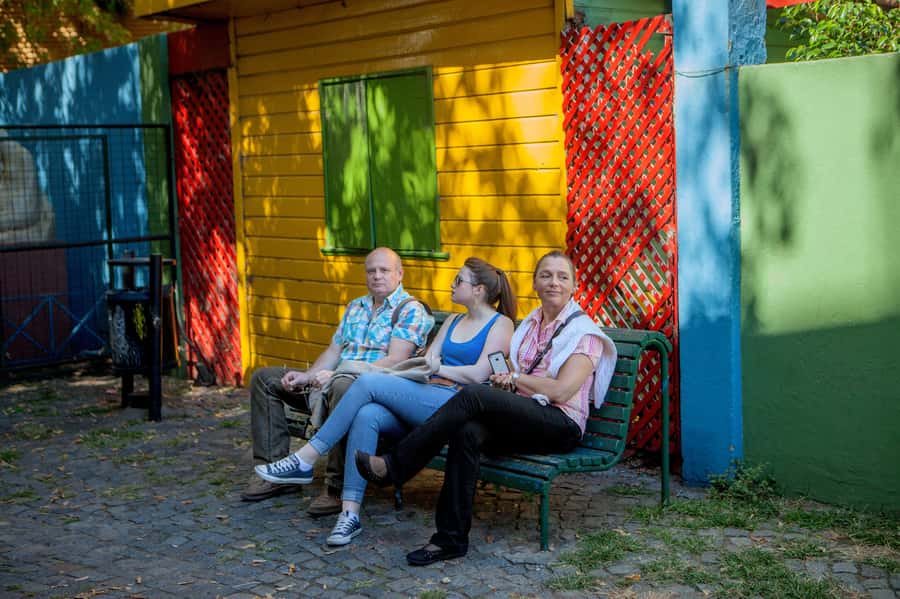
- Caminito in La Boca: short time that’s enough to take in the color and decide if you want a longer return.
- Neighborhood contrasts: Recoleta/Retiro polish vs. San Telmo grit vs. Puerto Madero’s newer edge.
- Spanish live guiding with occasional English support: useful if you’re bilingual or can follow some Spanish.
- Central drop-offs: you usually end near major sights like Florida Street, Galerías Pacífico, or the Obelisco.
Entering Buenos Aires with a 4-hour reality check
This is the kind of tour that works because Buenos Aires is huge and spread out. In one afternoon, you’re shown a layered view: elegant avenues, colonial-era centers, and a waterfront that looks like it belongs in a different decade.
You’re not buying a deep, slow museum experience. You’re buying a map in human form. When you leave, you should be able to answer simple questions like: Where is Plaza de Mayo compared to the Obelisk? How far is La Boca from the government core? Which areas feel like walking is worth it?
The price is also easy to evaluate. $45 is not “cheap,” but it is fair for a guided pass that includes pickup (from many central hotels) plus two timed photo stops. If you’re spending several hours doing taxis on your own just to see the highlights, this often starts to look like good value.
You can also read our reviews of more city tours in Buenos Aires


Recoleta and Retiro: the polished Buenos Aires vibe
Recoleta is where you get a taste of Buenos Aires’ more formal side. Expect stately streets and an upscale feel that contrasts with the rest of the city. Even if you don’t go inside anything, the exterior architecture and the neighborhood’s overall layout give you a clearer sense of how the city’s social history shaped its geography.
Retiro adds another layer. It’s the area that feels built for movement—visually and practically. You get the sense of Buenos Aires as a working metropolis, not just a postcard machine.
If your route includes a stop connected to Recoleta’s cemetery area, take advantage of what one guide-style tip suggests: ask for directions if you want to find Eva Perón’s grave. The cemetery is big, and the exact location isn’t obvious at a glance. On the flip side, there have been cases where people expected that stop and didn’t get it, so keep your expectations flexible.
San Nicolás and Montserrat: Obelisk, Teatro Colón, and the big-sight axis
This is the part of the tour that feels like Buenos Aires taking a bow. The Obelisk is the clearest “yes, you’re in Buenos Aires” signal, and seeing it as part of a guided route helps you connect it to the surrounding streets instead of just treating it like a random photo.
Teatro Colón is another major moment. You’re not likely to tour inside during a short group circuit, but from the outside you can still grasp why it’s famous. The building’s stature gives context to the city’s reputation for serious culture—without needing you to be an opera expert.
San Nicolás and Montserrat are also where the city’s street grid and civic rhythm start to make more sense. Even if you’re only seeing them from the bus, the guide’s explanations help you recognize patterns: where commercial energy sits, where official spaces dominate, and why Plaza de Mayo ends up feeling like the gravitational center.
Plaza de Mayo and the Casa Rosada-Cathedral-Cabildo zone
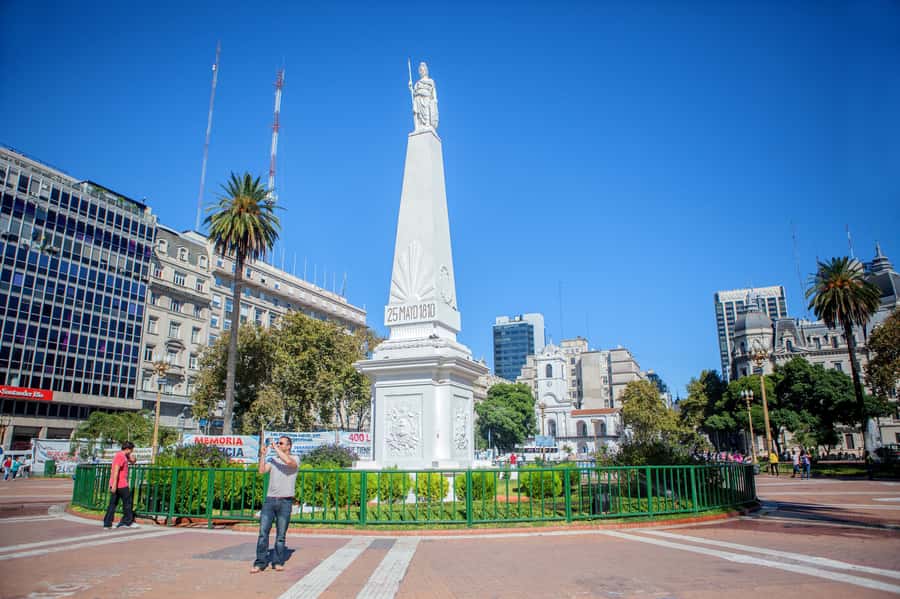
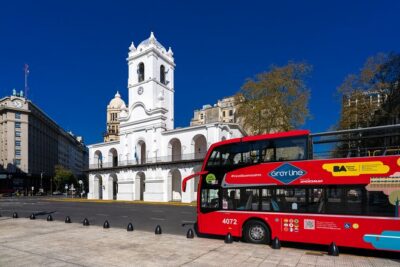
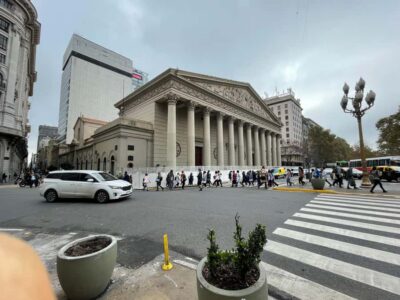
Plaza de Mayo is the heart-and-brain stop. You get one of the tour’s two photo stops, timed at about 20 minutes, and that’s enough time to stand in the right places and get your bearings.
You’ll encounter the key emblems that define the political face of the city: Casa Rosada (the seat of national government), the Metropolitan Cathedral, and the Cabildo, which ties the area back to colonial Buenos Aires. Seeing them together matters, because it shows you how the city stacked eras in the same physical space.
If you prefer to learn by sight, this is your best moment to slow down. Get a photo, yes, but also take 60 seconds to look around. Notice the scale, the sightlines, and how the plaza functions like a stage—perfect for civic speeches and crowd energy, even when you’re standing there alone.
A practical note: the guide may mix languages while explaining what you’re seeing. If you’re relying on English, keep your attention tight. One solid strategy is to read the guide’s cues: when the topic shifts, listen for the name of the building so you can lock onto what you’re looking at.
San Telmo’s narrow lanes and the La Boca Caminito burst
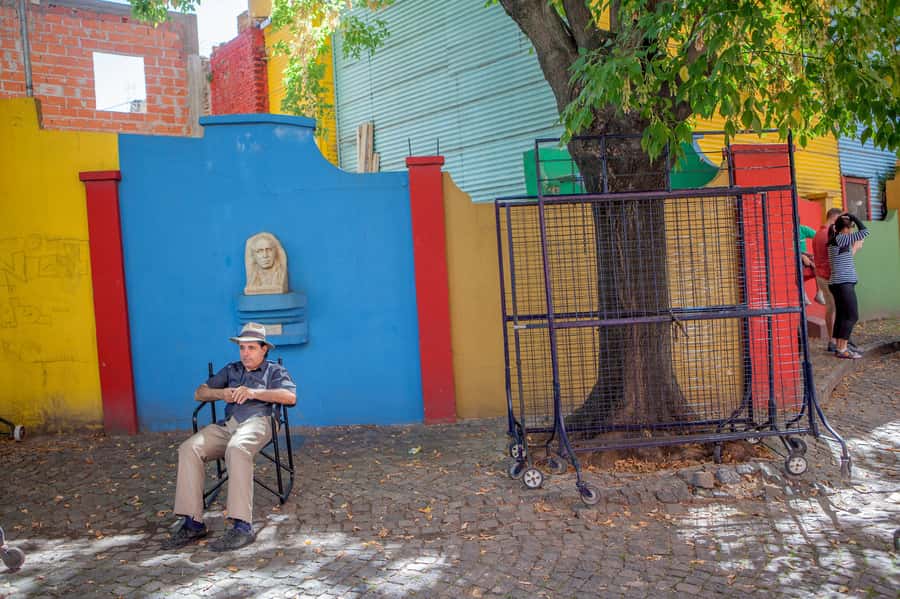
San Telmo gives you the “older streets” feeling in motion. Expect narrow lanes and a more weathered, lived-in vibe than the grand avenues. Even from short windows or quick walks, you can feel why this area attracts people who want character and texture—not just monuments.
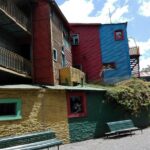
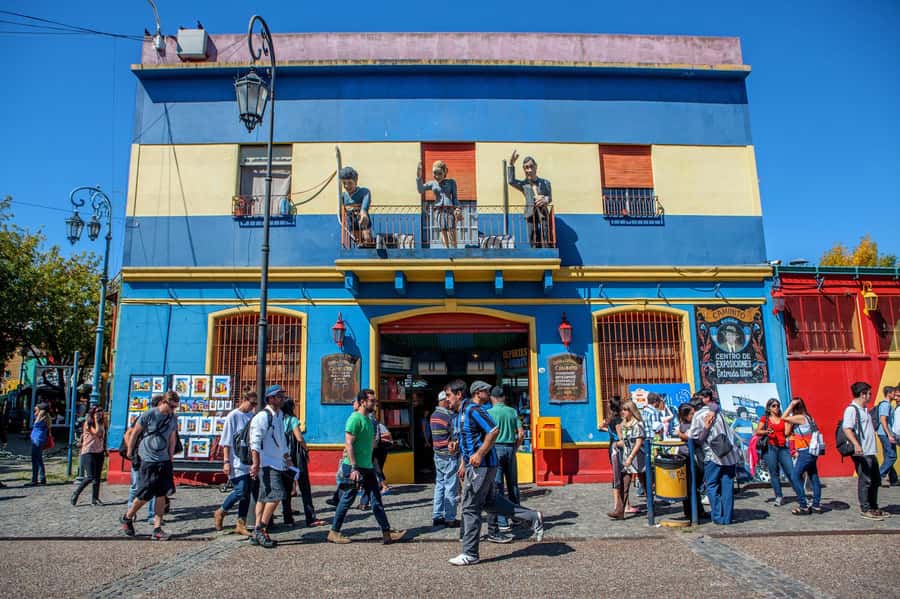
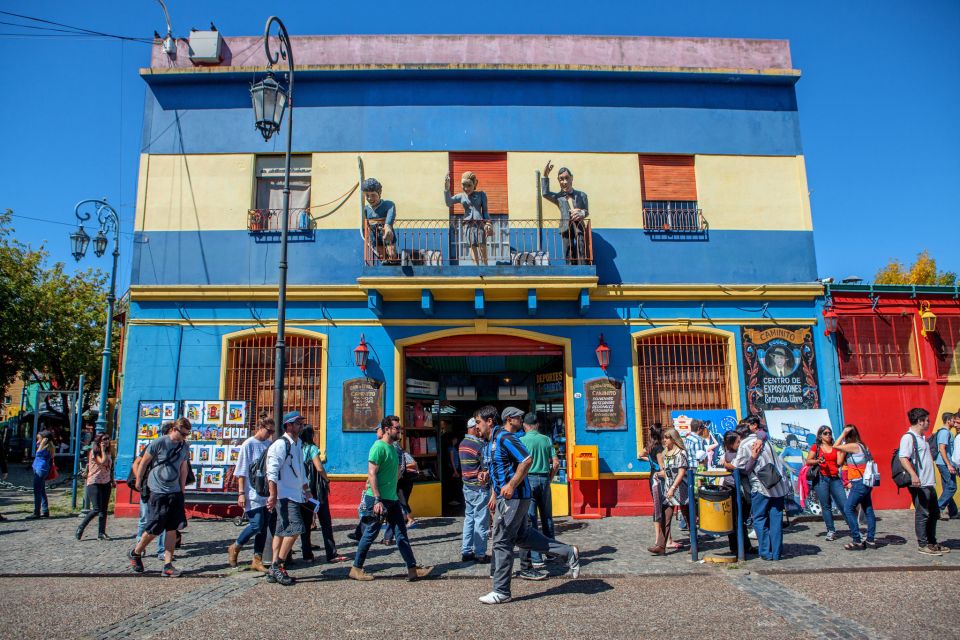
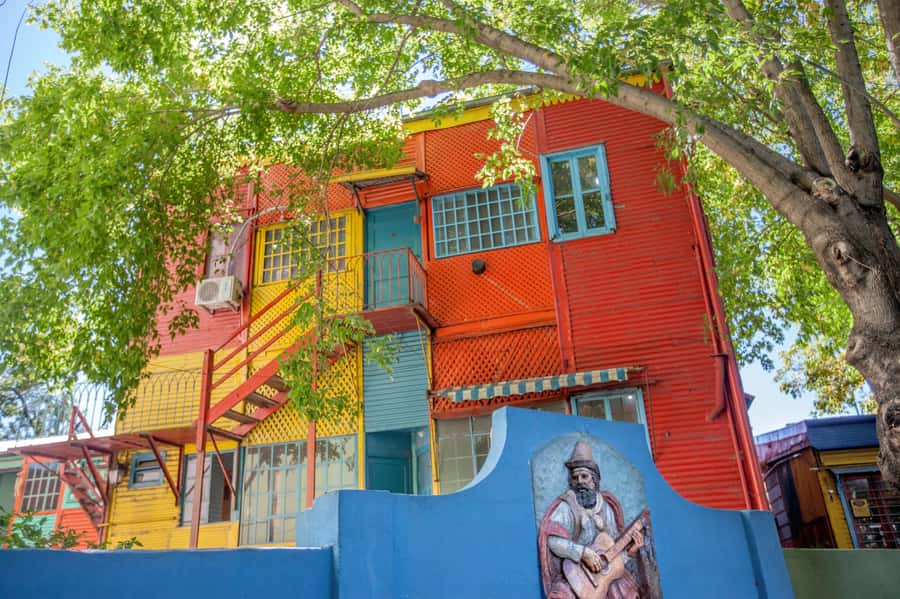
Then comes La Boca and Caminito. This is the stop most people remember because it’s color you can see from far away. Caminito is also the second photo stop of about 20 minutes, which is short, but enough time to:
- catch the street’s famous look,
- take a few solid photos,
- and decide if you want to come back for longer.
You should know what the time budget means. If La Boca is your priority, treat this as a “taste.” It’s not a full-day neighborhood study. Still, the payoff is real: you leave with strong images and a better sense of which parts of La Boca feel worth returning to.
One more tip for planning: if you want to wander San Telmo after the bus drops you off, you’ll likely do better with comfortable shoes and a little patience. These areas reward walking, but not rushing.



Alvear Avenue palaces and Puerto Madero’s modern contrast
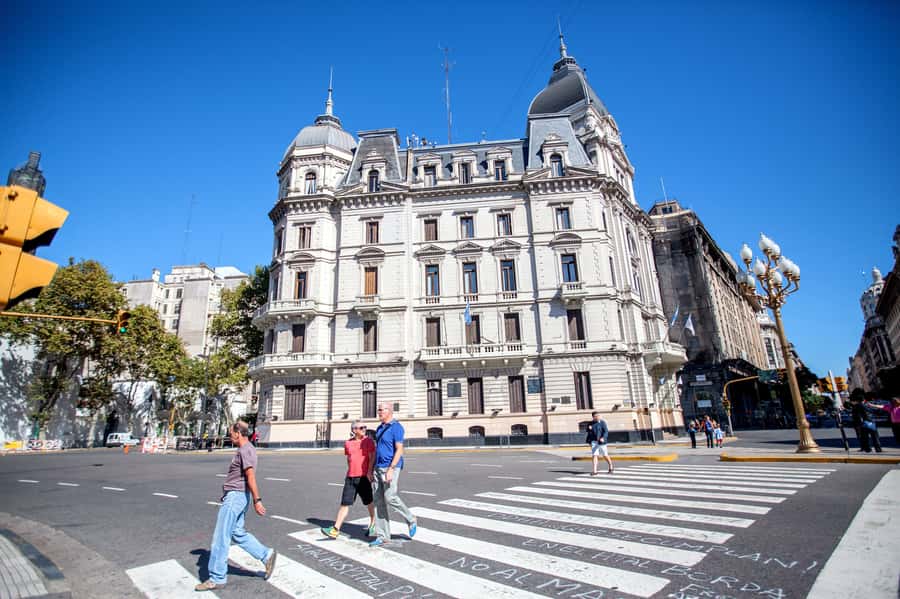
Buenos Aires loves contrasts, and this tour tries to deliver them in one loop. Along the route you’ll pass the sumptuous palaces of Alvear Avenue, a shift that tells you why the city earned the nickname often used in tourism circles: grand, elegant, and highly architectural.
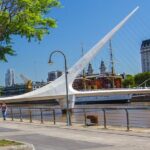
Later, you’ll reach Puerto Madero, the modern recycled area. This is a different mood: newer development, a cleaner waterfront look, and a sense of Buenos Aires repositioning itself. It’s also useful because it changes how you interpret the earlier parts of the day. You start to see the city as evolving layers, not a single frozen scene.
If you’re a visual planner, this contrast is valuable. After Puerto Madero, you can better decide how you want to spend your next hours: more traditional neighborhood wandering, more architectural sightseeing, or a slower walk along the waterfront vibe.
Pickup delays and drop-offs: how to protect your afternoon
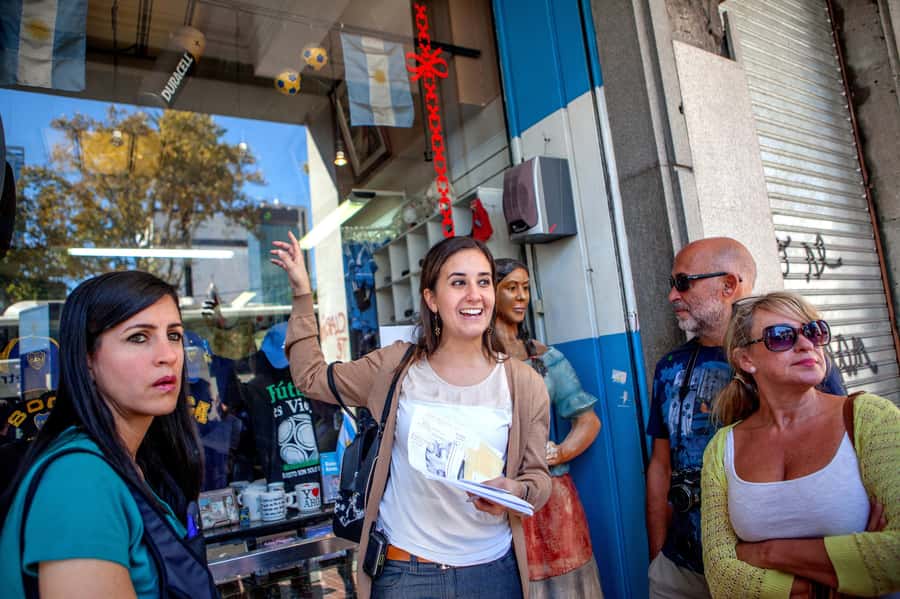
This is the part that can make or break your experience—less because of the guide, more because of real-world timing. Some people report pickup running late, sometimes by about an hour after the stated start. Others report minor confusion about the pickup point. The common theme: you need a flexible mindset.
Here’s how I’d handle it if you’re planning the same day:
- Build in extra time before dinner or a timed activity.
- Keep your phone ready and double-check the correct meeting point if your hotel isn’t on the pickup itinerary.
- If your hotel is outside the pickup coverage (some Palermo-area hotels aren’t included), you’ll be directed to a nearby hotel lobby and you’ll wait there.
Drop-off also matters. Instead of returning you to your exact starting hotel, the tour drops you at central points such as Florida Street, Galerías Pacífico, or the Obelisco. That’s convenient for sightseeing, but it may not be convenient for your specific hotel. If you’re staying a bit off-center, be ready for a short walk or a quick taxi ride.
Finally, the bus ride itself is part of the value. You get transport without doing navigation, and that reduces stress. Just remember: a short tour means you’re trading depth for breadth.
How to use this tour to plan the rest of your Buenos Aires days
Think of this as your orientation tool, not your full answer. When I recommend an overview tour like this, the goal is to help you pick your next move fast.
Here’s what you can do right after:
- If Plaza de Mayo and Casa Rosada felt like your thing, schedule a longer revisit when you can slow down and read the space at a calmer pace.
- If La Boca and Caminito grabbed you, plan a second stop on a day with more time to wander beyond the photo area.
- If the Obelisk and Teatro Colón zone felt like a good base, use it as a hub for walking routes through nearby neighborhoods.
- If Puerto Madero appealed, aim for a slower afternoon there later—sunlight changes how those waterfront views hit.
Also, pay attention to what the guide mentions during each stop. Even if you don’t catch every word, you’ll usually come away with a sense of what’s worth repeating and what was just a quick look.
And if you’re traveling solo or in a mixed-language group, don’t assume you’ll be ignored. Some guides have proven able to include non-Spanish speakers by explaining in more than one language—still, confirm what you need ahead of time so you aren’t guessing once you’re on the bus.
Should you book this Classic City Tour of Buenos Aires?
If you want a first-day or first-afternoon overview that helps you navigate Buenos Aires’ main emblems and neighborhood differences, I think this is a solid pick. The $45 price makes sense for a structured loop with pickup and two timed photo stops, especially when you’re short on time.
Book it if:
- you want to get your bearings quickly,
- you like seeing several neighborhoods in one ride,
- and you’re okay with limited time in each area.
Skip it or choose a different format if:
- you hate pickup delays and want tightly timed, no-surprises logistics,
- you need a long guided walk through one single neighborhood,
- or you’re expecting indoor visits beyond what you can see from the outside.
Also, check that your hotel is eligible for pickup. If not, plan to head to the nearest meeting hotel lobby at the stated time, because that’s where the day can start to feel confusing.
FAQ
How long is the tour?
The tour lasts 4 hours.
What does the tour cost?
The price is $45 per person.
What’s included in the price?
It includes a Spanish live guide, pickup from centrally located hotels, two photo stops of about 20 minutes in Plaza de Mayo and Caminito, and drop-off at Florida Street, Galerías Pacífico, or at the Obelisco.
Do they pick up from hostels, aparthotels, or private homes?
No. Pickup is not available from hostels, aparthotels, or private homes.
Where will I be dropped off at the end?
You’ll be dropped off at Florida Street, Galerías Pacífico, or at the Obelisco.
What is the cancellation policy?
You can cancel up to 24 hours in advance for a full refund.