REVIEW · BUENOS AIRES CITY TOURS
Buenos Aires Premium City Tour
Book on GetYourGuide →Operated by Gray Line Argentina · Bookable on GetYourGuide
Six neighborhoods. One smooth route.
This Buenos Aires Premium City Tour is a fast, organized way to understand the city’s mix of grandeur and street life, from the Reina of government squares to the color of La Boca. I like that it’s built around Buenos Aires’ most emblematic neighborhoods, so you’re not guessing what to prioritize once you arrive. The tour also threads in big “I get it now” moments like the Obelisk and the Teatro Colón area. One thing to consider: this is a highlight tour, so you’ll spend limited time on foot and you won’t be going deep into any single neighborhood.
What I really like is the combination of language support and landmark focus. You get a live guide in Spanish, English, and Portuguese, plus a walking tour around the Teatro Colón area that’s actually designed to help you see details up close. Another win: the stops are spaced so you get multiple photo opportunities—Plaza de Mayo, Caminito, and Puerto Madero—without the day dragging. The possible drawback is that the experience is time-tight, so if you want lots of free wandering, you may feel a bit rushed.
Finally, I’d plan smart around meeting points and personal safety. Pickup is included from centrally located hotels, but not from hostels, aparthotels, or private homes, and some neighborhoods’ hotels may not be on the pickup list—so you might be directed to a nearby hotel to wait. One review included an incident involving a ripped-off gold chain in Plaza de Mayo, so treat this as a day to keep valuables secure and listen closely to any safety advice the guide provides.
In This Review
- Key highlights at a glance
- The Big Picture: Recoleta to La Boca in a Single Pass
- Avenida Panoramas and the Obelisk Photo Moment
- Teatro Colón Area Walk: Where Details Matter
- Plaza de Mayo and Casa Rosada: The Government Heartbeat
- San Telmo and La Boca: Color, Tradition, and Port Life
- Puerto Madero: A Modern Waterfront Contrast
- Recoleta, Retiro, San Nicolás, and Montserrat: How the Route Explains the City
- Timing, Pickup, and the Reality of a City-Day Schedule
- Safety and Phone Etiquette: Small Habits, Big Payoff
- Price and Value: Why $78 Can Make Sense for 5 Hours
- Who This Tour Suits Best (and Who Should Skip It)
- Should You Book This Buenos Aires Premium City Tour?
- FAQ
- How long is the Buenos Aires Premium City Tour?
- How much does it cost?
- What neighborhoods and areas does the tour cover?
- Is pickup from my hotel included?
- Where does the tour stop for photos?
- Is there a walking portion during the tour?
- What is not included in the tour?
- What languages is the guide available in?
Key highlights at a glance
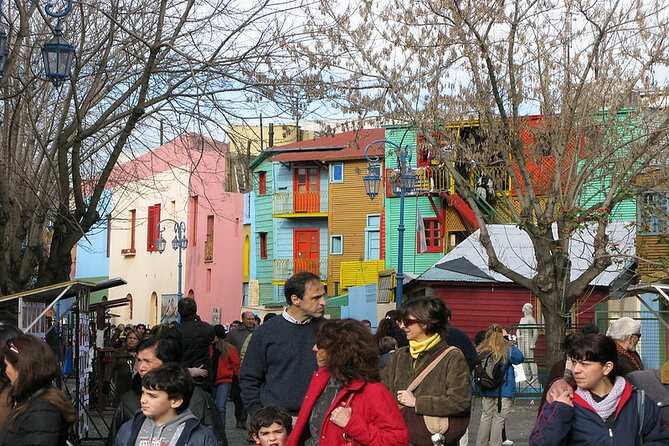
- Recoleta, Retiro, San Nicolás, Montserrat, San Telmo, and La Boca in one 5-hour circuit
- Walking tour near Teatro Colón plus a panoramic photo view of the Obelisk
- Photo stops at Plaza de Mayo, Caminito, and Puerto Madero
- Live guide in Spanish, English, and Portuguese
- Architecture + culture focus, not just sightseeing-from-the-bus
- Entry to Recoleta Cemetery is not included
The Big Picture: Recoleta to La Boca in a Single Pass
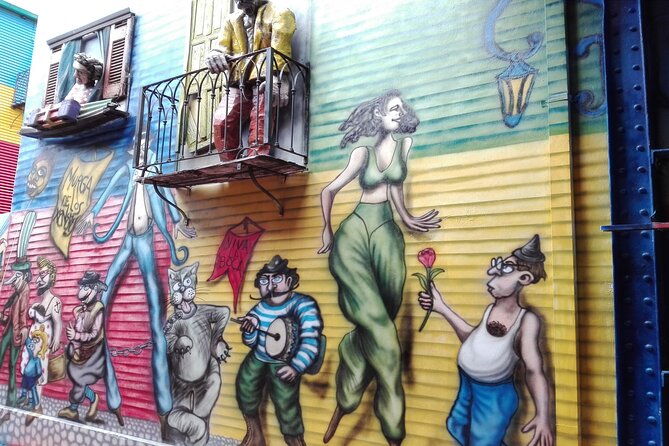
This tour works because it treats Buenos Aires like a set of distinct chapters, not one blur. You’ll move through neighborhoods with clear personalities: polished streets around government and opera, old-school character in San Telmo, and the colorful port-world feeling around La Boca.
The tour’s structure is also practical. You get panoramic driving time for orientation, then small walking moments so you can reset your eyes and actually absorb architecture. It’s ideal if this is your first visit or if you only have one half-day to get your bearings.
The city’s nickname, Paris of South America, isn’t just marketing hype here. You’ll see why people use it: the grand avenues, the theatrical buildings, and the way public spaces feel designed for people to gather. At the same time, the tour doesn’t ignore the street-level Buenos Aires vibe.
You can also read our reviews of more city tours in Buenos Aires


Avenida Panoramas and the Obelisk Photo Moment
A big part of the experience happens from the bus on major avenues. That’s not glamorous, but it’s efficient—Buenos Aires is spread out, and panoramic driving time helps you understand how neighborhoods relate to each other.
Then comes the Obelisk. Even if you only see it briefly, the panoramic photo view gives you a clear reference point for later exploring on your own. The Obelisk is one of those landmarks you spot in photos and finally recognize in real life, like it starts making sense.
If you’re the type who hates missing views because everyone is rushing, this tour helps. You get a defined photo moment instead of constant stop-start chaos. Still, bring a little patience: this is a city-day format, not a private driver timeline.
Teatro Colón Area Walk: Where Details Matter
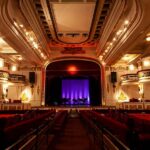
The tour includes a walking portion around the Teatro Colón area. This is one of the most meaningful inclusions because it slows you down just enough to notice the building and the urban edges around it.
Even if you don’t go inside, the Teatro Colón area rewards close looking. You’re in the zone of formal architecture and grand public space, where the streets feel planned and purposeful. A short walk also helps your brain switch from “bus sightseeing” to “I’m actually here.”
Practical tip: keep your phone attention in check during the guide’s explanations. One piece of feedback from past guests was basically: don’t be that person filming while the guide is talking. If you give the guide a few minutes of full attention, you’ll get more out of the time you’re walking.
Plaza de Mayo and Casa Rosada: The Government Heartbeat
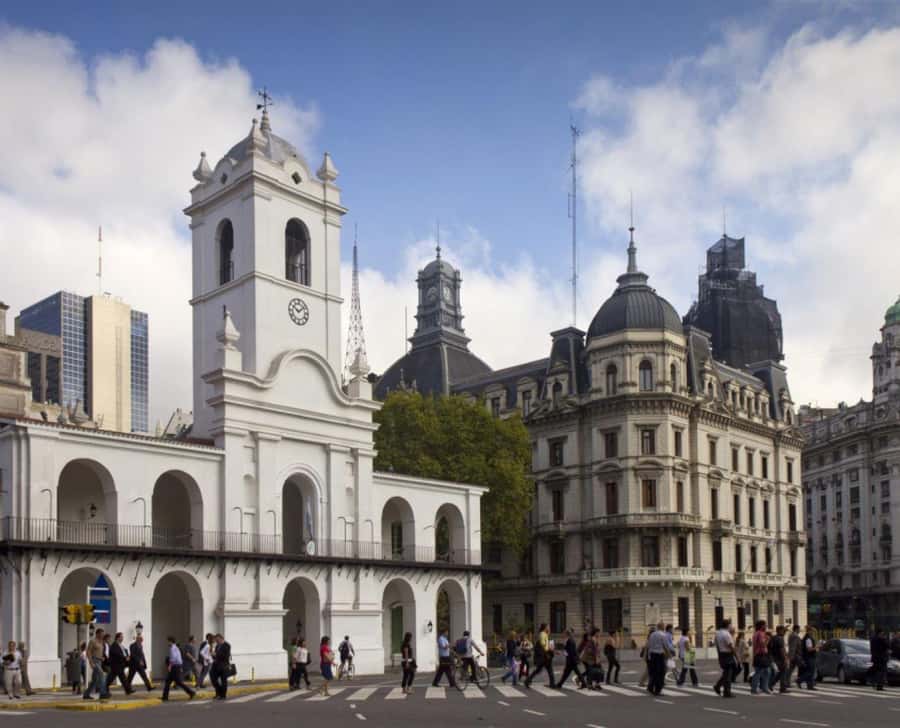
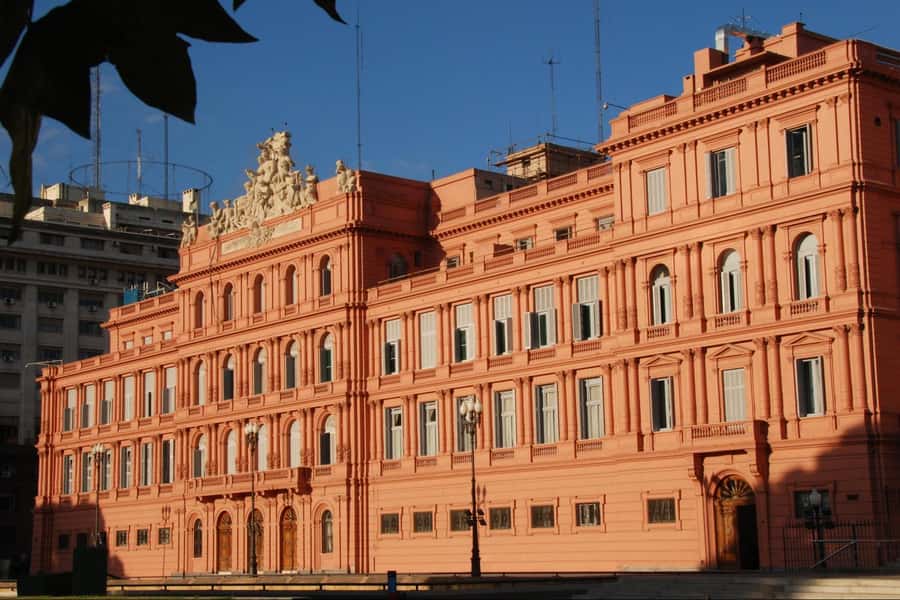
The tour includes intermediate photo stops tied to Plaza de Mayo and the surrounding power centers. This is the kind of place where it helps to have a guide, because the meaning isn’t always obvious just by looking at buildings.
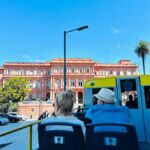
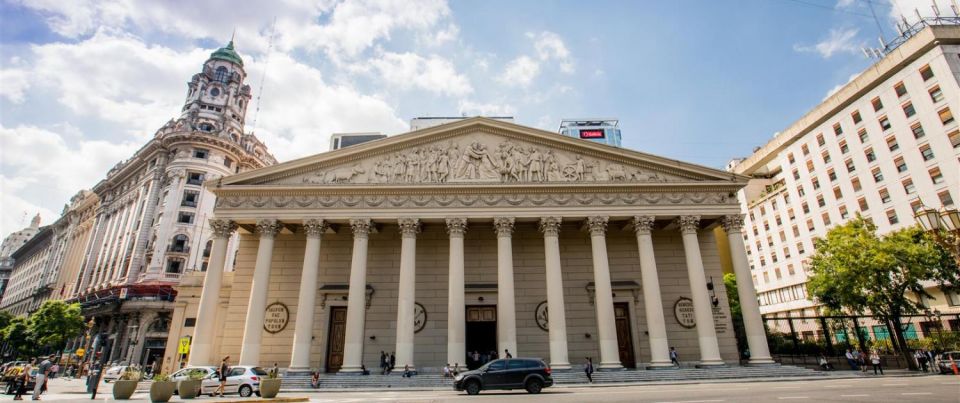
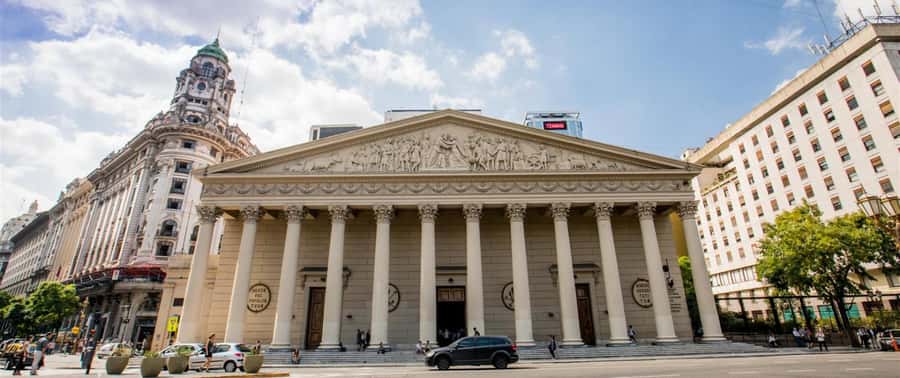
You’ll see the area’s big icons: the historic square, the imposing Casa Rosada (seat of the National Government), the Metropolitan Cathedral, and the Cabildo. Even without a deep dive, the tour gives you the landmarks that frame Buenos Aires’ political and colonial-era story.
This stop is also where you should be extra careful with personal items. One guest described a tense moment in Plaza de Mayo involving a ripped-off gold chain. Whether you’re concerned about safety in general or not, the lesson is the same: keep valuables out of reach, avoid flashy jewelry, and stay alert when crowds cluster.
San Telmo and La Boca: Color, Tradition, and Port Life
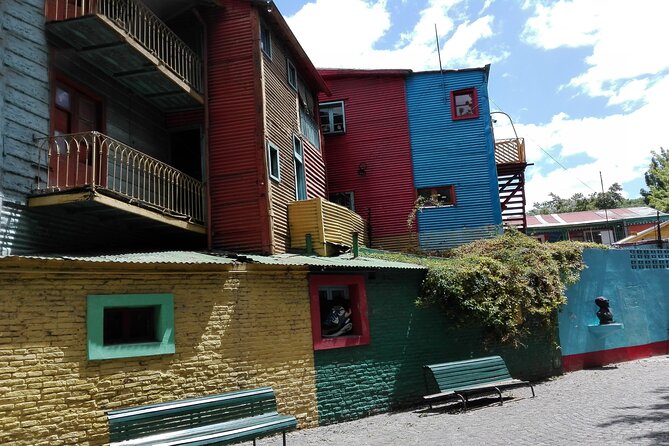
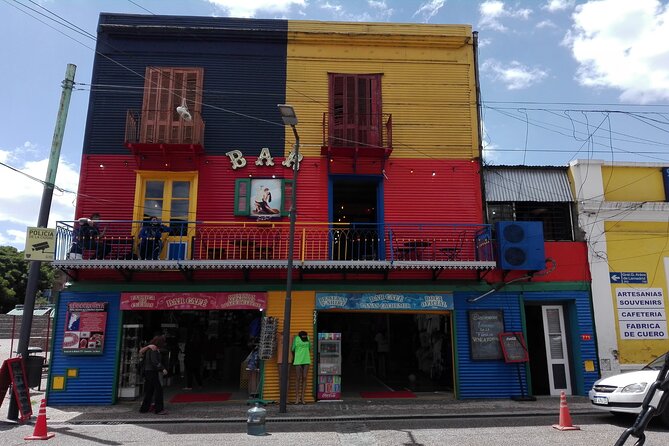
Two of the tour’s neighborhoods are famous for feeling different from the rest of the city: San Telmo and La Boca. Even from a distance, you can sense the contrast—San Telmo leans into older street texture, while La Boca is known for its dramatic visual personality.
The tour includes a photo stop at Calle Caminito, the most recognizable La Boca street image. It’s famous for a reason, but don’t treat it like a postcard-only stop. Use the moment to notice how the neighborhood’s art and buildings connect to the city’s port history.
This is also a smart moment to slow your expectations. You’ll likely do photos, take in the street vibe, and move on. If you want long hangs in cafés, shopping, or extended photo wandering, you’ll need to plan extra time after the tour.


Puerto Madero: A Modern Waterfront Contrast
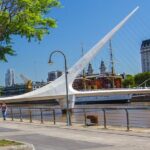
The route includes Puerto Madero as a photo stop—one of the clearest “then and now” contrasts in Buenos Aires. Where other neighborhoods show older forms and traditions, Puerto Madero leans modern, including the recycled waterfront character the tour highlights.
I like this stop because it prevents the day from becoming one-note. After government squares and older streets, Puerto Madero gives you space to see a different Buenos Aires side—cleaner lines, newer development, and a calmer feel along the water.
Again, it’s not a long linger, but the photo stop is a strong orientation tool. It helps you decide whether you want to return later for a longer walk, meal, or sunset plans.
Recoleta, Retiro, San Nicolás, and Montserrat: How the Route Explains the City
The tour’s driving route threads through Recoleta, Retiro, San Nicolás, and Montserrat as part of the city’s identity map. You may not have long walking time in each one, but you do get the essence.
Recoleta brings elegance and big-street polish. Retiro is more about the city’s movement and formal urban structure. San Nicolás often feels like the bridge between power, commerce, and historic core streets. Montserrat connects closely to the traditional heart of the city’s political and cultural life.
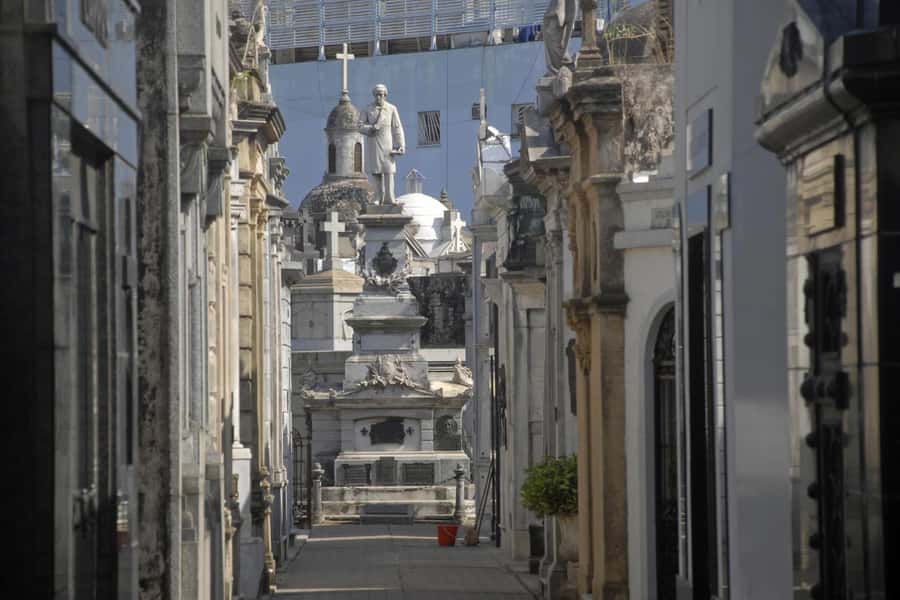
One extra note: Recoleta Cemetery entry is not included. So if that’s on your must-do list, don’t let this tour trick you into thinking you’ll automatically get inside. You can still use the tour for orientation, then book a separate visit for the cemetery if it matters to you.
Timing, Pickup, and the Reality of a City-Day Schedule
A highlight tour lives and dies by timing, and this one is a 5-hour experience—meaning you’ll feel every minute. The tour promises pickup from centrally located hotels, but there are limits: no pickup from hostels, aparthotels, or private homes, and some hotels (including those in the Palermo neighborhood) may not be included in the pickup itinerary.
If your hotel is not on the list, you’ll be contacted with instructions to meet at a nearby hotel. That means you should confirm your exact meeting point before the day starts and plan to be waiting in the lobby at the instructed time.
Drop-off can also be a surprise. One piece of feedback described that the tour didn’t bring guests back to their hotel as expected, with a different drop location. The practical takeaway: don’t build the rest of your afternoon around a guaranteed door-to-door return.
Also, keep in mind that start-time changes can happen in real-world operations. If you’re traveling with a tight schedule, it’s smart to build buffer time and keep your next plan flexible.
Safety and Phone Etiquette: Small Habits, Big Payoff
Buenos Aires is a major international city, and most visits go smoothly. Still, I’d treat this tour like any crowded sightseeing day: protect yourself from the common issues that come with attention and crowds.
One guest described a stolen or forceful take of a gold chain in the Plaza de Mayo area, followed by damage to clothing during the incident. You don’t need to panic, but you should adjust behavior: keep jewelry minimal, keep your phone secure when not actively using it, and watch what happens when groups form around famous sights.
Then there’s the social side. Past guests suggested turning off the multitasking during the guide’s talk—especially when you’re in a group and the guide is explaining what you’re seeing. If you want the most out of the walking segments and photo explanations, give the guide your full attention for a few minutes at a time.
If you do that, you’ll get more meaning out of the stop locations than you would by just snapping photos.
Price and Value: Why $78 Can Make Sense for 5 Hours
At $78 per person, this isn’t the cheapest way to see Buenos Aires—but it’s also not trying to be a private tour. The value comes from the time efficiency: six major neighborhoods, key landmarks, and guided explanations all within 5 hours.
You’re paying for three big things:
- A multilingual guide (Spanish, English, Portuguese) to connect the architecture to the story
- Guided pedestrian time near Teatro Colón, not only a drive-by route
- Structured photo stops at major anchors like Plaza de Mayo, Caminito, and Puerto Madero
If you were to try to copy this yourself with taxis and random wandering, you’d burn time figuring out logistics and you might miss the context. This tour also reduces decision fatigue on day one.
That said, if you hate tight schedules or you want long stops, this price won’t feel justified. It’s best seen as a high-structure “first understanding” tour, then you go back later for deeper exploring where you personally care.
Who This Tour Suits Best (and Who Should Skip It)
This is a strong fit for:
- First-time visitors who want a guided orientation across multiple iconic neighborhoods
- People who appreciate architecture and city layout, not just casual photos
- Travelers who want language support and a guide to translate what they’re seeing
You may want a different style of tour if:
- You need lots of time inside major sites (Teatro Colón interior is not mentioned here, and Recoleta Cemetery entry isn’t included)
- You prefer flexible wandering with minimal group timing
- You expect a guaranteed return to your exact hotel doorstep
Should You Book This Buenos Aires Premium City Tour?
If you want one dependable plan to see the classic Buenos Aires highlights in a half day, I think this is a sensible booking. The combo of panoramic city driving, a Teatro Colón walking area, and the landmark photo stops covers a lot of ground without feeling chaotic.
Just go in with the right expectations. Bring a little extra patience for city timing, confirm your pickup meeting point carefully, and treat valuables like they’re in the “not today” category in crowded areas. If you do that, you’ll finish the day with a much clearer mental map—and likely ideas for where to return next.
FAQ
How long is the Buenos Aires Premium City Tour?
The tour lasts 5 hours.
How much does it cost?
The price is $78 per person.
What neighborhoods and areas does the tour cover?
The tour focuses on Recoleta, Retiro, San Nicolás, Montserrat, San Telmo, and La Boca, with landmark stops connected to those areas.
Is pickup from my hotel included?
Pickup is included from centrally located hotels. There is no pickup from hostels, aparthotels, or private homes, and some hotels (including some in Palermo) may not be part of the pickup itinerary.
Where does the tour stop for photos?
There are three intermediate photo stops at Plaza de Mayo, Caminito, and Puerto Madero.
Is there a walking portion during the tour?
Yes. The tour includes a walking tour in the Teatro Colón area.
What is not included in the tour?
Entry to Recoleta Cemetery is not included, and the transfer back to the hotel is not included.
What languages is the guide available in?
The live guide operates in Spanish, English, and Portuguese.