REVIEW · FOOTBALL & STADIUM TOURS
Soccer Match in Buenos Aires with Transfers and Local Guide
Book on Viator →Operated by Tangol · Bookable on Viator
Soccer fans, this one’s for you. You’ll get a guided, ticketed matchday at an iconic Buenos Aires stadium, with bilingual help and stadium transfers to keep the evening from turning into a scramble. The best part for me is how much context the guide adds once you’re inside, plus the convenience of having logistics handled end to end. The main thing to consider is that match dates and kick-off times can shift, and you’ll need the right ID rules—especially for River Plate.
You’ll start with Tangol Tours in the Defensa area, then head to the stadium with a dedicated fútbol fan who knows what to watch for: chants, club identity, and the small security routines that keep things moving. This is also a good group size experience, with a cap of 15 people, so you’re not lost in a crowd.
One possible drawback: the included food is light. Some people feel it’s not enough for the price, while others are happy with the value once they factor in tickets, transport, and the guide.
In This Review
- Key things that make this Buenos Aires matchday worth it
- Why a Buenos Aires soccer match feels like more than a game
- Check-in at Defensa 831 and the ride to your stadium
- The seven famous stadiums you might see—and what to notice at each
- Estadio Monumental de River Plate (Monumental)
- Estadio Libertadores de América (Independiente)
- Estadio Pedro Bidegain (San Lorenzo)
- Estadio Presidente Juan Domingo Perón (Racing)
- Estadio Tomás Adolfo Ducó (Huracán)
- Estadio José Amalfitani (Vélez Sarsfield)
- Estadio Diego Armando Maradona (Argentinos Juniors)
- Matchtime: what the bilingual guide actually adds
- Tickets, ID checks, and security rules you should take seriously
- The food and drink reality: what’s included vs. what’s on you
- Transfers and timing: why the logistics matter more than you think
- Price and value: how $172 stacks up for a Buenos Aires match
- When matches change: the one thing you should watch for
- Should you book this Buenos Aires soccer match tour?
- FAQ
- Do I need a passport or ID to enter the stadium?
- What’s included in the tour price?
- How long is the tour?
- Where does the tour start and end?
- Is the guide bilingual?
- Are food and drinks included?
- What if the match date or kick-off time changes?
Key things that make this Buenos Aires matchday worth it
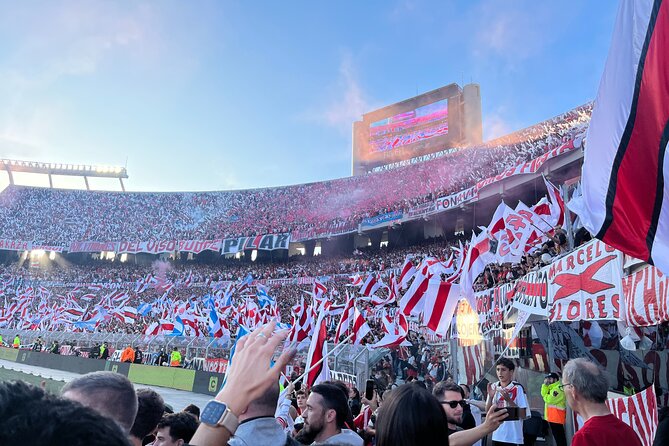
- Bilingual local guide who explains what you’re seeing, not just where to stand
- Transfers included so you’re not trying to navigate stadium access after kickoff
- Ticketed entry and a snack/water package for the day’s rhythm
- Iconic stadium options tied to big clubs, from River Plate to Huracán and Racing
- Small group size (max 15), which helps with timing and staying together
- Security and ID guidance ahead of time, including River Plate’s stricter requirements
Why a Buenos Aires soccer match feels like more than a game
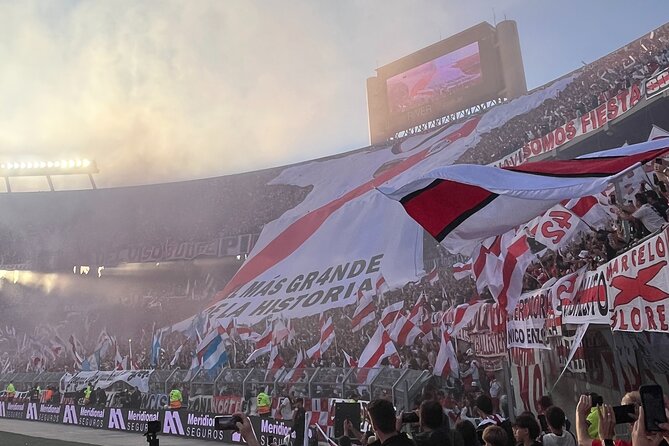
Buenos Aires soccer isn’t a casual night out. It’s street-to-stadium energy, full-volume singing, and a whole neighborhood identity that shows up on matchday. Even if you don’t know the clubs yet, you’ll quickly understand why this is a cultural event, not just sport.
I like how this tour keeps you focused on the human stuff. You’re not only staring at a field—you’re learning why that club’s fans sing those songs, why the rivalries matter, and what the stadium atmosphere is supposed to do to the home team. That’s what turns a ticket into a memory.
If you’re new to Argentine futbol, the guide’s running commentary can help you get your bearings fast. And if you already love the sport, you’ll appreciate the extra context when the chants start and the stadium goes loud.
You can also read our reviews of more guided tours in Buenos Aires


Check-in at Defensa 831 and the ride to your stadium
Your day starts at Tangol Tours in Defensa 831. From there, once everyone is ready, the football guide takes the group to the stadium. The timing is built for pre-match flow, not last-minute chaos.
You also get bottled water included. It’s a small detail, but it matters when the stadium lines and crowd density build right before kickoff. And because transfers are part of the deal, you spend your energy watching, not figuring out transit routes after dark.
Most importantly, a guide stays with your group through the key moments: getting everyone together, reaching the stadium, and handling the practical side of entry. That’s a big value point in a city where matchdays can move fast.
The seven famous stadiums you might see—and what to notice at each
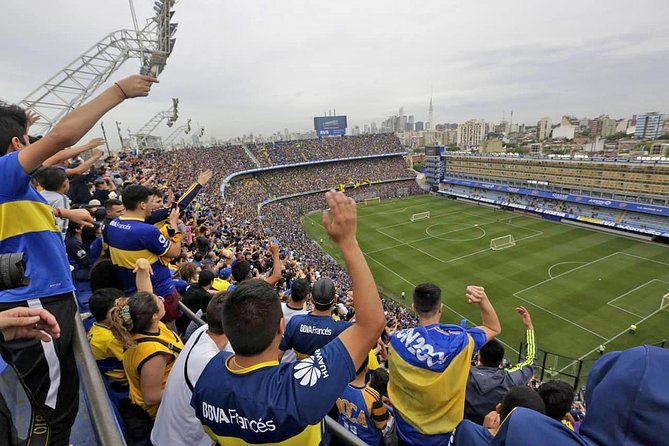
The itinerary is designed around multiple big-club stadiums. Your exact match and stadium will depend on what’s on the fixture list at the time of your booking, with options including these iconic grounds.
Estadio Monumental de River Plate (Monumental)
This is the big River Plate home, tied to national-team history and the famous 1978 Argentina World Cup. When you’re there, watch for the scale and the seriousness of the crowd vibe—River games often feel more controlled than some other Buenos Aires derbies, even when the atmosphere is intense.
Estadio Libertadores de América (Independiente)
Independiente carries the nickname Rey de Copas (King of Cups), linked to major international success. If you end up here, focus on how the club identity shows up in the chants and fan choreography—Independiente supporters don’t just cheer, they perform.


Estadio Pedro Bidegain (San Lorenzo)
San Lorenzo is known as the creative club, and that reputation connects to how fans use songs and energy to shape the match. One interesting fan-fact tied to San Lorenzo is that it’s associated with Pope Francis—so there’s a layer of meaning beyond pure rivalry.
Estadio Presidente Juan Domingo Perón (Racing)
Racing is famous for relentless cheering—90 minutes of backing their team, regardless of the scoreboard. The best way to experience this is to stop trying to predict the game. Let the stadium set the pace.
Estadio Tomás Adolfo Ducó (Huracán)
Huracán is a traditional club with a strong feel from the tango-and-bohemian neighborhood side of Buenos Aires. If you’re visiting this stadium option, notice the neighborhood mood you get on the walk there—the streets feel like part of the story.
Estadio José Amalfitani (Vélez Sarsfield)
Vélez is linked to major export history and also hosted World Cup matches during 1978. Here, I’d pay attention to how the stadium and crowd work together—this is a ground where you can feel community pride in a more local, grounded way.
Estadio Diego Armando Maradona (Argentinos Juniors)
Argentinos Juniors is the club where Diego Maradona played early. That alone makes a visit meaningful, even before you even understand the current league context. If this is the match you get, keep an eye out for how fans carry that legacy in their attitude.
Practical takeaway: whichever stadium you land at, your guide’s job is to help you read the place. Where you might otherwise just see seats and a pitch, you start spotting club colors, chant patterns, and the rhythm of supporter sections.
Matchtime: what the bilingual guide actually adds
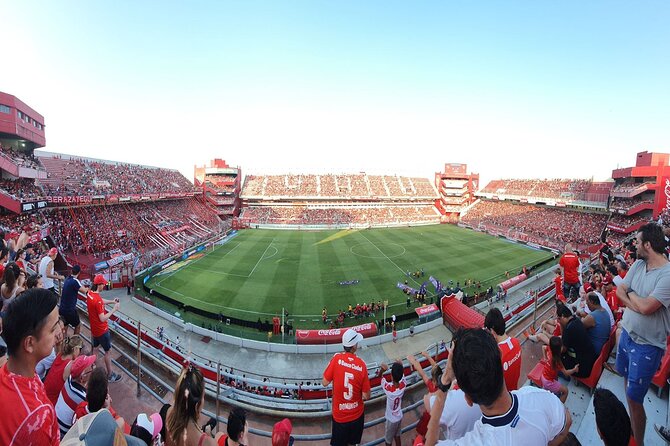
Once you’re inside, the match becomes easier to enjoy because you’re not translating the whole experience in your head.
The guide is a local fútbol fan and a bilingual helper, so you get explanations about:
- the club histories behind what you’re seeing
- the devoted fan culture in Buenos Aires
- basic security expectations so you can enjoy the match instead of worrying
I also love that this is timed like a real matchday. You’re given enough structure to get to your seat area, and you’re not stuck waiting around with no plan. Once the game starts, you can let the stadium do its job.
A big bonus here is safety awareness. Several guides in this program are praised for making people feel looked after, including families. That matters because in big stadium crowds, calm beats bravado.
Tickets, ID checks, and security rules you should take seriously
This is the part you can’t wing.
You must present ID or a passport to enter the stadium. For River Plate specifically, the requirement is stricter: a passport is required, and a foreign ID card isn’t accepted as valid documentation.
There’s also a River Plate-specific detail: Face ID registration may be required to confirm attendance. The practical advice is simple—if you’re assigned the River Plate option, contact the tour representatives early to complete any steps so your tickets arrive on time without surprises.
Pack light. The guidance recommends bringing only essential items like your phone and wallet. And don’t try to bring food, drinks, or professional cameras into the stadium.
These rules aren’t meant to ruin your night. They reduce delays and they help your group move as one. Still, they’re worth reading twice so you don’t arrive with the wrong document in your pocket.
The food and drink reality: what’s included vs. what’s on you
The tour experience is built around matchday concessions, but the “included” part is limited.
Included in the package:
- bottled water
- an entrance ticket
- a snack for the matchday experience
Outside of that, you’ll buy food and drinks at the stadium on your own expense. That said, the snack coverage can feel small depending on your expectations. Some people report only receiving one drink and one food item inside, and others mention that a guide helped cover snacks with cash.
My honest view: treat the included snack as a buffer, not dinner. If you’re the type who eats before a game and then buys a casual snack inside, you’ll feel fine. If you expect a full meal included at stadium prices, you might feel disappointed.
Transfers and timing: why the logistics matter more than you think
In Buenos Aires, matchday can mean sudden schedule shifts and changes in how crowds move. This tour is set up to reduce friction with:
- transfers included
- tickets handled through the group flow
- a bilingual guide who keeps everyone together
The duration is about 4 hours. That’s enough time to check in, travel, get settled, watch the match, and return without turning the day into a half-day project.
Group size is capped at 15, which helps a lot. Big groups can slow down in security lines, and you don’t want that pressure. Smaller groups move faster—and the guide can actually manage people if someone needs help.
Price and value: how $172 stacks up for a Buenos Aires match
Let’s talk value, not just cost.
At $172 per person, you’re paying for more than a ticket. The price includes:
- entrance ticket
- transfers to and from the stadium
- bilingual local guide
- bottled water
- snack included
- a guided approach to history and fan culture
If you were to do this solo, you’d need to source tickets, handle transport, figure out ID requirements, and still spend time learning what you’re looking at. When you add up those moving pieces, the “all-in” convenience can make sense—especially if you want the matchday atmosphere without stress.
That said, the price may feel high if your main goal is food and lots of extras. The included snack is not a full meal, and stadium concessions are extra. One critique in the feedback is that the food/drink included didn’t match expectations for the price.
So here’s the value filter I’d use: if you care about the match experience and want a guide to keep it smooth, the package is more likely to feel worth it. If you only want a ticket and you’re comfortable handling everything yourself, you may find cheaper ticket routes.
When matches change: the one thing you should watch for
Argentine fixtures can shift. This tour notes that kick-off times and dates can change, with confirmation sent closer to the game. If your match gets rescheduled, you should expect communication in advance and plan for a new match assignment.
This matters because the club you end up seeing could shift among the big-stadium options. In that scenario, a change can affect things like documentation expectations.
My advice: once you book, keep an eye on the confirmation messages and be ready for timing adjustments. It’s the easiest way to keep a smooth matchday and avoid last-minute stress.
Should you book this Buenos Aires soccer match tour?
I’d book it if:
- you want the matchday atmosphere with a guide who explains what’s happening
- you prefer having transfers and tickets handled so you can relax
- you’re new to Argentine futbol and want fan culture context fast
- you like the idea of a small group evening (max 15)
I might skip it if:
- you expect a full food package inside the stadium
- you’re very document-flexible and don’t want to deal with River Plate’s passport rules and potential Face ID registration
- you’d rather hunt tickets on your own and build the trip from scratch
If your priority is a real, local match experience with practical support, this is a strong choice. The guide component is the difference between just watching a game and understanding why the stadium is doing what it’s doing.
FAQ
Do I need a passport or ID to enter the stadium?
Yes. You must present your ID or passport (or driver’s license). For the River Plate option, a passport is specifically required and foreign ID cards aren’t accepted.
What’s included in the tour price?
The package includes a bilingual guide, an entrance ticket, transfers to the stadium, and bottled water. A snack is also included as part of the matchday experience.
How long is the tour?
It runs about 4 hours approximately.
Where does the tour start and end?
The start point is Defensa 831 (Tangol Tours office). The activity ends back at the meeting point, with drop-off back to your central Buenos Aires hotel described as part of the experience flow.
Is the guide bilingual?
Yes. The tour includes a bilingual local guide.
Are food and drinks included?
Not fully. Additional food and/or drinks are not included, so stadium concessions are an extra cost. Food/drink rules also apply for entry.
What if the match date or kick-off time changes?
If the selected match is rescheduled, you’ll be notified in advance. Kick-off times are subject to change and are confirmed the week before the game.