REVIEW · JEWISH HERITAGE TOURS
Jewish Sites Buenos Aires Private Walking and Car Tour
Book on GetYourGuide →Operated by ROSOTRAVEL Argentina · Bookable on GetYourGuide
Jewish Buenos Aires hits hard in the right way. I like the way a licensed private guide ties street-level sights like Templo Libertad to the larger story of immigration, identity, and survival, and I like that you can ask questions as you go instead of rushing past.
I also love the stop-by-stop emotional logic: Holocaust remembrance in the middle of the city, then the AMIA area to understand the tragedy and its ongoing impact. The main drawback is that synagogue entry isn’t included, so expect facades, exteriors, and memorial spaces more than inside visits.
In This Review
- Quick Hits Before You Go
- Jewish Buenos Aires: Why This Tour Works Better Than a Checklist
- Templo Libertad and Libertad Street: The First Big Photo Moment
- Museo Judío de Buenos Aires: Learning Through Collections and Architecture
- Holocaust Memorial and the WWII Story in Buenos Aires
- AMIA and the 1994 Bombing: Remembering With Context
- Salvador Kibrick Museum Entry (3- and 4-hour Options): What You Gain
- The 4-hour Option: Private Car Time Plus the Major Landmarks
- Pace, Weather, and Where the Tour Actually Begins
- Languages and Private-Guide Value: What the Price Buys
- Who This Tour Fits (and Who Might Want Another Option)
- Should You Book This Jewish Heritage Tour?
- FAQ
- What’s the duration of this Jewish heritage tour in Buenos Aires?
- Which languages are available for the live guide?
- Is synagogue entry included?
- Is entry to the Salvador Kibrick Jewish Museum included?
- How much walking is involved in the 2-hour and 3-hour tours?
- Does the tour include private car transportation?
- What documents do I need for the Salvador Kibrick Museum?
Quick Hits Before You Go
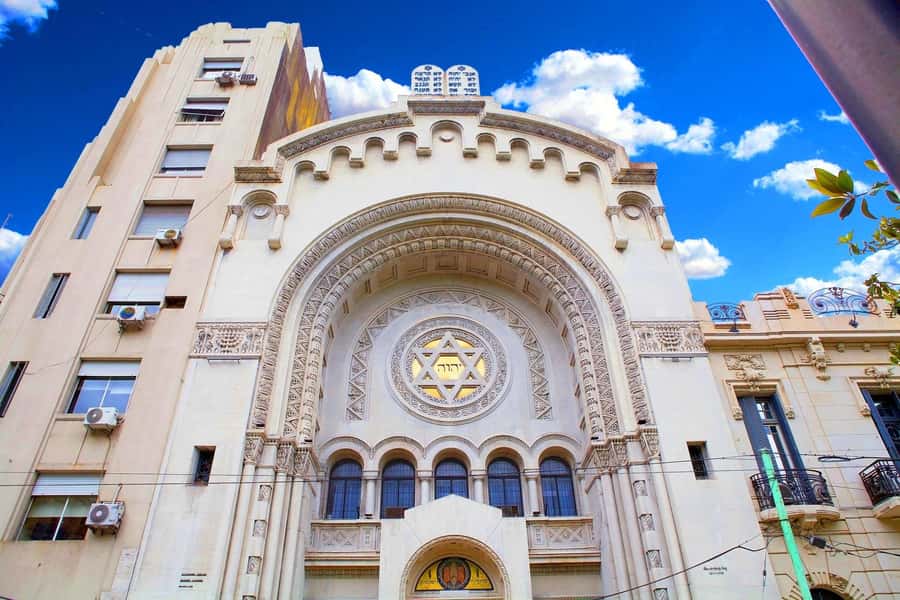
- Templo Libertad on Libertad Street gives you a strong first impression of early Jewish life in Argentina.
- The route works on both head and heart, pairing Holocaust remembrance with local rebuilding afterward.
- In the 3-hour and 4-hour options, you get museum entry to the Salvador Kibrick collection.
- In the 4-hour option, private car time helps you reach major landmarks without the long outdoor slog.
- The guide’s tone can be personal; one guide mentioned in feedback, Richard Shpuntoff, is praised for warm, open storytelling that includes today’s context.
Jewish Buenos Aires: Why This Tour Works Better Than a Checklist
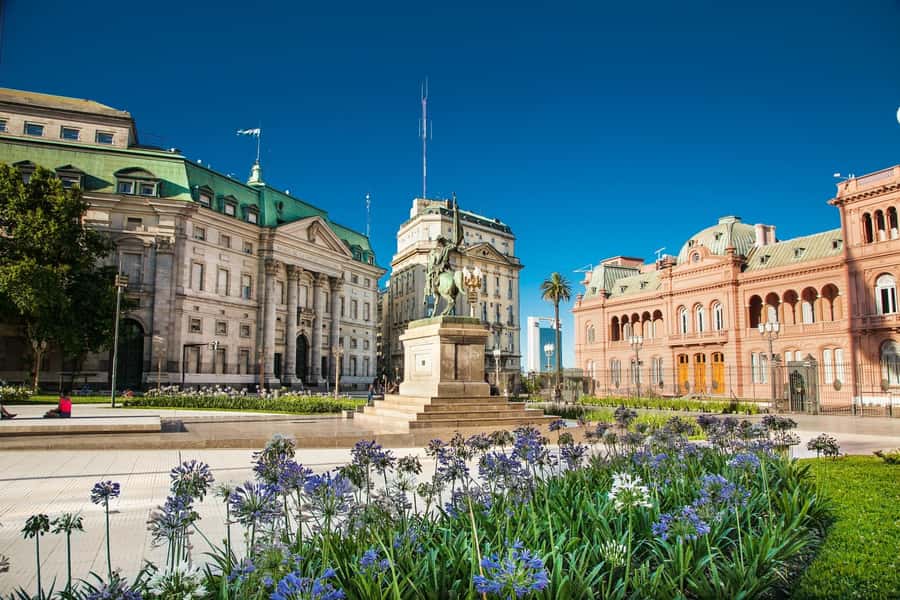
Buenos Aires is big and fast. This tour is small and focused, built around a theme that actually fits the neighborhood streets you’ll be walking. You get a clear arc: early community roots, the WWII-era story and postwar rebuilding, then the modern tragedy at AMIA and how remembrance lives on in public space.
Two things make it feel more useful than a generic “see the sights” outing. First, you’re not just watching history from a distance. Your licensed guide can steer the conversation to what you care about—culture, migration, or Argentina’s wider political context. Second, the pacing is designed for real understanding, including a plan for rain or shine and a group size small enough that you’re not stuck shouting over crowds.
One practical note: since synagogue entry isn’t part of the tour, you’ll want to be comfortable with the idea that some of the most famous sites here are best experienced from the street.
You can also read our reviews of more walking tours in Buenos Aires


Templo Libertad and Libertad Street: The First Big Photo Moment
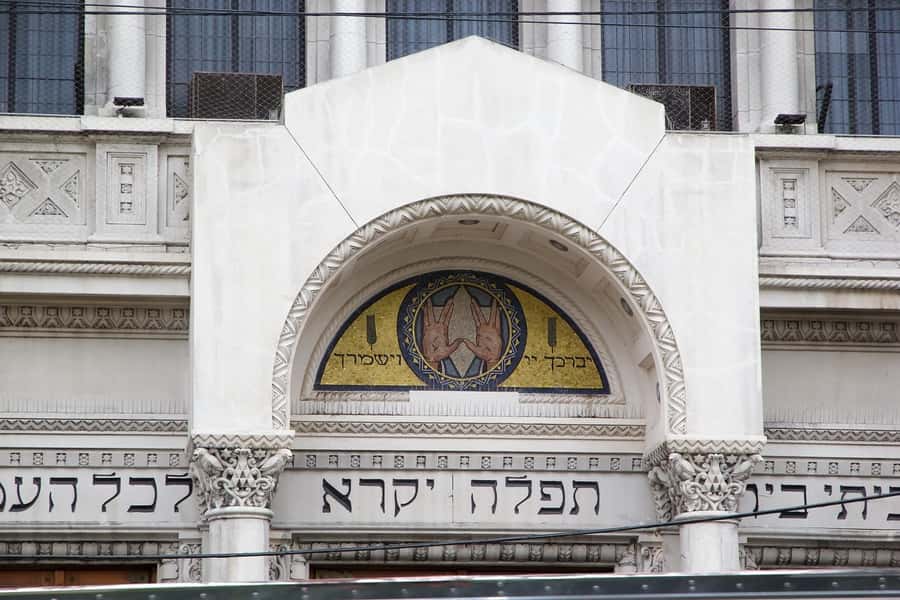
Most people arrive in Buenos Aires with the city’s architecture on their minds. This tour starts by placing Jewish heritage right inside the city’s visual language. On Libertad Street, you’ll head to Templo Libertad, described as Argentina’s first synagogue and a major cultural landmark.
Even without going inside, the façade matters. It signals what a community built in a new country—and why those buildings became more than worship spaces. Your guide explains the early roots of Jewish life in Argentina and how diaspora communities took shape in the broader urban fabric.
If you’re the type who likes to read a building like a page of history, this stop is for you. You’ll likely spend more time than you expect just looking at details, getting context, and letting the symbolism land.
Museo Judío de Buenos Aires: Learning Through Collections and Architecture

Nearby, the tour passes the Museo Judío de Buenos Aires, a place tied to immigration and integration. Even when you’re not going inside (that’s option-dependent), it’s still worth the attention because the museum helps you connect Jewish life in Buenos Aires to the city itself.
What you’re aiming for here is a shift in perspective. Instead of thinking of Jewish history as something that happened only “elsewhere,” you start seeing how community life formed, adapted, and documented itself in Buenos Aires.
This stop is especially helpful if you want background before tackling heavier memorial sites later in the route.
Holocaust Memorial and the WWII Story in Buenos Aires
Next comes remembrance, and it’s handled in a way that’s meant to be understood, not just observed. At the Buenos Aires Holocaust Museum, your guide explains Argentina’s role during and after WWII and includes stories of survivors who rebuilt their lives in the city.
This is a powerful pairing for this specific tour route. You’re not going from one landmark to another like a museum line. You’re moving from early community identity, to the WWII-era reality that shaped lives across continents, and then to how people continued forward in Buenos Aires.
One practical consideration: because this is a walking-based experience in the shorter options, you’ll want comfy shoes and patience with indoor/outdoor transitions. The tour runs rain or shine, so plan for weather.
AMIA and the 1994 Bombing: Remembering With Context
The tour culminates at AMIA (Asociación Mutual Israelita Argentina), and that ending is intentional. AMIA is presented as both a symbol of cultural unity and a place marked by tragedy. Your guide reflects on the 1994 bombing, one of the darkest moments in Argentine-Jewish history, and explains the lasting impact on the community and the nation.
What I like about ending here is that it forces a final question: how does history continue after the headlines fade? Memorials and community institutions answer that. You’re also given a framework to understand why remembrance isn’t only about the past—it shapes identity and civic life afterward.
If you’re planning this as a thoughtful trip rather than a quick stop, this is the moment to slow down, ask questions, and let your guide connect the dots you might not see on your own.
You can also read our reviews of more private tours in Buenos Aires



Salvador Kibrick Museum Entry (3- and 4-hour Options): What You Gain
If you choose the 3-hour or 4-hour tour, you’ll have entry to the Salvador Kibrick Jewish Museum. This is where the tour shifts from streets and memorial spaces into objects, documents, and visual history.
The museum experience is described as showing ritual objects, photographs, and historical documents that bring the city’s Jewish story to life from the inside. That matters because it turns broad themes into tangible evidence. Instead of relying only on storytelling, you’ll see what communities kept, used, and preserved.
Important practical detail: for security, foreigners must present an original passport, and Argentinian visitors must present their national identity card. Don’t assume a phone photo or copy is enough—bring the real document.
The 4-hour Option: Private Car Time Plus the Major Landmarks
The 4-hour itinerary is the one to choose if you want more coverage with less foot fatigue. With private car included, you get a broader view of the Jewish heritage story across key parts of Buenos Aires, plus easier transit between points.
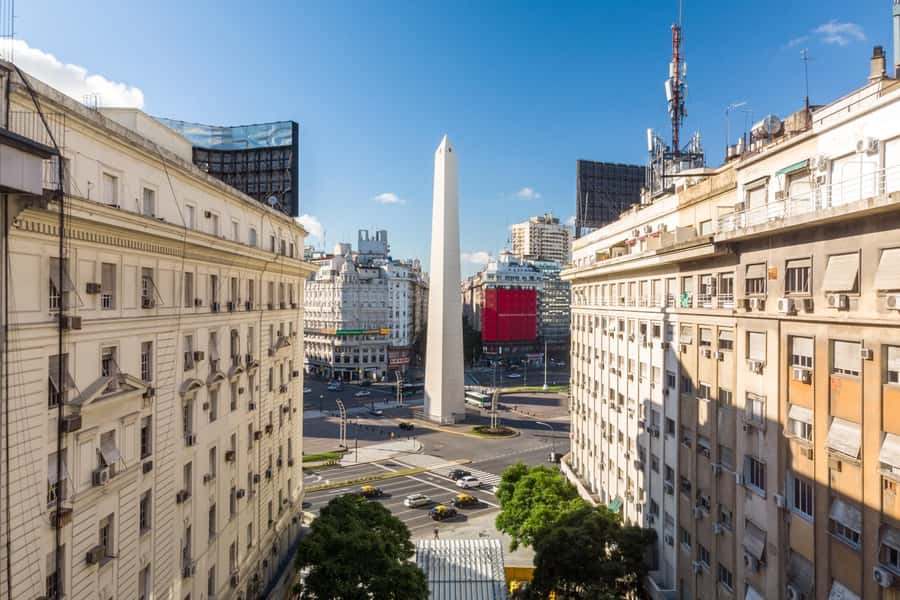
You’ll still experience the core stops, but the extended option adds extra locations that help you place the Jewish story in the wider city map. The tour includes stops such as Plaza Libertad, the huge 9 de Julio Avenue, the Israeli Embassy Memorial, and Plaza General San Martín.
Here’s why these add-ons can be valuable:
- 9 de Julio Avenue gives you a sense of scale—how big modern Buenos Aires is, and how community landmarks sit inside that urban power.
- The Israeli Embassy Memorial connects the story to broader regional events without losing the local Buenos Aires focus.
- Plaza General San Martín helps ground the narrative in Argentina’s wider immigrant and public-life context.
If you hate long walks in hot sun—or if you just want to conserve energy for the rest of your day—this is the smarter option.
Pace, Weather, and Where the Tour Actually Begins
The shorter options aren’t a marathon, but they’re not “easy stroll only” either. The 2-hour and 3-hour tours are described as moderately paced, with about 25–30 minutes on foot, including some uneven surfaces or steps. Wear comfortable shoes and accept that you’re walking in real neighborhood conditions.
Also, the tour runs rain or shine. That means you should bring something simple like a compact umbrella or light rain layer if you’ll be in a wet season.
Meeting point is specific: meet your guide in front of Hotel Presidente, Cerrito 850, C1010 Cdad. Autónoma de Buenos Aires, Argentina. Please do not enter the hotel—staff aren’t informed about the tour.
Finally, group size is capped for attention. It’s limited to 1–25 guests per guide, and the guide can adjust the pace to your group.
Languages and Private-Guide Value: What the Price Buys
At $129 per person, the value depends on which option you pick. This isn’t a cheap “group bus” style tour. You’re paying for a licensed private guide, flexible commentary, and in some options, museum entry and private vehicle time.
Here’s how I’d think about value:
- For a 2-hour private walking tour, you’re mainly buying the guide’s structure and context, plus key exterior site visits. It can be a good entry point if you want something focused and don’t need museum time.
- For the 3-hour option, you gain museum entry to the Salvador Kibrick collection. That’s often where the story gets most concrete, and it can justify the upgrade if you enjoy photos, documents, and objects.
- For the 4-hour option, private car plus additional landmarks can be worth it if you want less walking and more city coverage, especially with stops like 9 de Julio Avenue and the Israeli Embassy Memorial included.
Your best “value match” is about your interests. If you want emotion and context more than artifacts, the shorter option can be enough. If you want both story and materials you can look at for yourself, go for the 3- or 4-hour option.
Who This Tour Fits (and Who Might Want Another Option)
This is a strong choice if you want a guided, story-driven Jewish heritage experience in Buenos Aires with clear landmark connections. You’ll likely enjoy it if you care about how communities formed, how Argentina fits into larger 20th-century Jewish history, and how memorial sites shape modern identity.
It’s also ideal if you prefer private attention and flexible conversation. Feedback on the guides emphasizes warmth, friendliness, and clarity, with one named guide, Richard Shpuntoff, highlighted for being open and generous with insights, including how history connects to Argentina today.
You might consider a different format if:
- you’re mainly looking for synagogue interiors (entry isn’t included), or
- you want a purely relaxed sightseeing loop with minimal walking, since even the shorter options include some steps and uneven surfaces.
Should You Book This Jewish Heritage Tour?
Yes, if you want a guided route that connects Buenos Aires street scenes to Jewish history without flattening it into facts-only. The strongest reason to book is the way the tour builds a clear narrative from Templo Libertad to Holocaust remembrance and then to AMIA, with the option to add museum entry through the Salvador Kibrick collection.
If you have limited time and just want the core story, choose the 2-hour option. If you want the artifacts and documents component, choose 3 hours. If you want maximum coverage with less walking, choose the 4-hour option for the added landmarks and private transport.
Bring your passport/ID if you’re doing the 3- or 4-hour museum entry, wear comfortable shoes, and plan for weather. Then let the guide do what guides are best at: put meaning on what you’re seeing.
FAQ
What’s the duration of this Jewish heritage tour in Buenos Aires?
The tour is offered in 2-hour, 3-hour, and 4-hour private options.
Which languages are available for the live guide?
The live guide is available in English, Spanish, French, Italian, and Portuguese.
Is synagogue entry included?
No. Entry to synagogues is not included.
Is entry to the Salvador Kibrick Jewish Museum included?
Yes, museum entry is included only in the 3-hour and 4-hour options.
How much walking is involved in the 2-hour and 3-hour tours?
The 2-hour and 3-hour tours include about 25–30 minutes on foot, with some uneven surfaces or steps.
Does the tour include private car transportation?
Only the 4-hour option includes private transportation. The 2-hour and 3-hour options do not include private transfer.
What documents do I need for the Salvador Kibrick Museum?
For security, foreign visitors must present their original passport, and Argentinian visitors must present their national identity card.