REVIEW · BUENOS AIRES CITY TOURS
Private Tour: Buenos Aires City Sightseeing
Book on Viator →Operated by Your Friend in Buenos Aires · Bookable on Viator
Buenos Aires in one efficient day. This private city tour is built for first-time orientation, with smart stops in the places you’ll keep hearing about—Plaza de Mayo, La Boca, Recoleta, Palermo, and Puerto Madero. The best part is that it’s not just a checklist; you can customize what you spend time on, so the day feels like it fits you.
I especially like the mix of a local guide with an art historian’s perspective. You’ll get more than where to stand for a photo—you’ll learn how places connect, from Argentina’s independence story at Cabildo to why Café Tortoni matters in Buenos Aires social life. I also like that hotel pickup and drop-off are included, which keeps the day from turning into a commute marathon.
One possible drawback: this is a packed 8-hour sweep. Even though the stops are well timed, some places (especially neighborhoods) are brief compared with doing them on your own later.
In This Review
- Key things I’d prioritize on this private tour
- Why this “8 hours” feels like more than 8
- Plaza de Mayo: where Buenos Aires tells its big stories
- La Recoleta Cemetery: art, symbols, and Evita’s name
- Teatro Colón: the exterior you’ll remember
- La Boca: color, tango energy, and the football myth
- Calle Defensa in San Telmo: tango-soaked streets and markets
- Recoleta walking: Paris vibes, but Buenos Aires in charge
- Puerto Madero: modern waterfront with a photo-friendly icon
- Café Tortoni: a coffee stop that feels like city life
- Avenida de Mayo: French façades and a visual storyline
- Obelisco and 9 de Julio: the skyline anchor
- Palermo: parks, residential elegance, and a taste of Soho/Hollywood
- Floralis Generica: the metallic hug to the sky
- Price and value: when $679 makes sense
- Who this private Buenos Aires tour fits best
- Should you book this private Buenos Aires city sightseeing tour?
- FAQ
- What time does the Buenos Aires City Sightseeing tour start?
- How long is the private tour?
- Is hotel pickup and drop-off included?
- Are museum tickets and Recoleta Cemetery admission included?
- What’s included in the tour besides transportation?
- Can I cancel for a full refund?
Key things I’d prioritize on this private tour
- A local guide who can tailor the pace: you’re not stuck with one rigid route.
- Art historian context: you’ll hear stories tied to art, architecture, and monuments—not just dates.
- A neighborhood sampler that’s actually useful: Plaza de Mayo → La Boca → Recoleta → Palermo → Puerto Madero.
- Skip-the-line convenience: helpful when you hit places with queues.
- Great first-day orientation: it sets you up to plan the rest of your trip with confidence.
- Coffee-and-people-watching at Café Tortoni: a classic Buenos Aires stop built into the route.
Why this “8 hours” feels like more than 8
The real value of this private Buenos Aires city sightseeing tour is how much it helps you understand the city in a single day. Buenos Aires can feel like several different cities stacked on top of each other: formal government squares, tango street color, French-looking streets in Recoleta, and modern waterfront drama in Puerto Madero. This route is designed to show you those contrasts early, while you still have energy to explore on your own later.
Because it’s private, you’re not stuck watching over shoulders or listening to someone else’s pace. The guide can adjust timing and emphasis based on what you care about—architecture, street life, museums, or just getting a feel for where everything is.
And yes, it’s family friendly. That matters because a “big highlights” day can be tough with kids if there’s too much waiting or too little structure. Here, the schedule keeps you moving, but still includes time for the emotional hits: Evita’s connection to the city’s icons, the drama of Teatro Colón, and the bright personality of La Boca.
You can also read our reviews of more city tours in Buenos Aires


Plaza de Mayo: where Buenos Aires tells its big stories
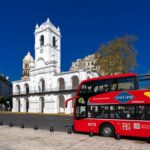
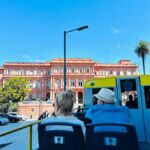
You start at Plaza de Mayo, the historical center where the city’s political identity is impossible to miss. Expect a guided walk around the key landmarks: Casa Rosada and Evita’s balcony, the round of the Madres de Plaza de Mayo, the Cabildo area tied to independence beginnings, and the Metropolitan Cathedral, plus landmarks like the Piramide de Mayo.
This stop isn’t about rushing from one sign to the next. It’s about getting the “why” behind the square. When you later pass those buildings on your own, you’ll recognize them—and understand what they represent—without needing to stop for a whole reading session.
Practical consideration: the emphasis here is on history and orientation. If you’re hoping for heavy museum time, you won’t get that at Plaza de Mayo—it’s more of a guided narrative and city grounding.
La Recoleta Cemetery: art, symbols, and Evita’s name
Next comes La Recoleta Cemetery, described as an art-and-history exhibition with thousands of mausoleums. This is where the tour’s art-historian angle gets especially useful. Graves here aren’t just markers; many include symbolism, details, and messages you may not notice without guidance.
You’ll also connect the famous Evita Perón tomb with the larger cemetery experience, so it doesn’t feel like a quick photo stop. The surrounding neighborhood is also part of the payoff, since Recoleta’s atmosphere—more polished, more “European,” more café-and-street-life—frames the visit.
One logistics note: the itinerary lists free admission for the cemetery, but the tour terms also indicate tickets for Recoleta Cemetery are not included. In practice, that means you should plan for the possibility you’ll pay a ticket at the site. Ask your guide or confirm when you book.
Teatro Colón: the exterior you’ll remember
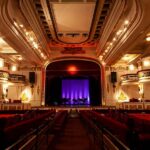
At Teatro Colón, the time is short, so think of this as an impressive architectural “blink-and-you’ll-feel-it” stop. You’ll see what makes it legendary: massive scale, and the idea that it was built with acoustics in mind.
In a packed day, Teatro Colón works because it gives you visual impact without swallowing hours. Even if you don’t go inside, you’ll leave understanding why locals and music lovers talk about it with pride—and why it’s tied to Buenos Aires cultural identity.
If you’re a serious opera fan, you might later want an additional visit when you have time for deeper touring or a performance. This stop just primes you.
La Boca: color, tango energy, and the football myth
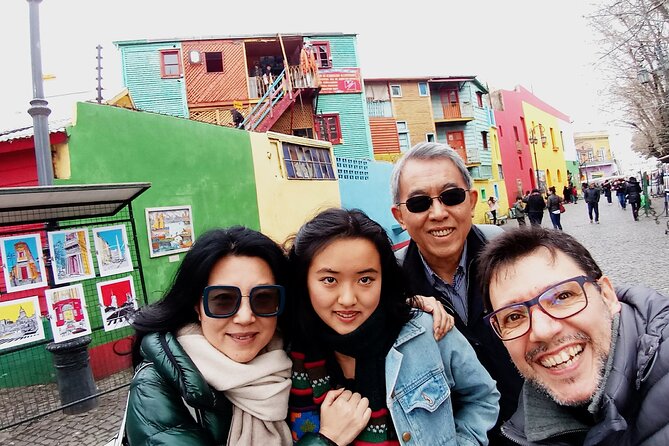
La Boca is all personality. This stop leans into the street side of Buenos Aires: the Caminito area, tango dancers, and the soccer passion that’s woven into the neighborhood’s reputation. You’ll also see references to Bombonera, Boca’s stadium nickname.
Even in a limited time window, La Boca delivers a full sensory impression: bright surfaces, music in the air, and that unmistakable feeling that this neighborhood runs on pride. And because your guide is local, you’re more likely to get the context behind the spectacle than just the spectacle itself.
Possible drawback: La Boca can be busy and highly photographed. If you’re sensitive to crowds or you want quiet corners, you’ll still find charm, but you may need a little flexibility in when you walk and how long you pause.
You can also read our reviews of more private tours in Buenos Aires




Calle Defensa in San Telmo: tango-soaked streets and markets
Then you move to Calle Defensa in San Telmo, a colonial-feeling slice of the city with old-school charm. It’s pedestrian-friendly depending on the day, and the tour gives you time to stroll narrow sidewalks and take in tango flavor, antiques, fashion shopping, and market atmosphere.
If you’re there on Sunday, the flea market is part of the deal. On other days, the guide is set up with an alternate plan so you still get the San Telmo experience without relying on one specific day-of-week event.
This stop is ideal if you like street texture. It’s also a good pacing break: you’ll be walking, but in an easy, wanderable way that doesn’t feel like a sprint.
Recoleta walking: Paris vibes, but Buenos Aires in charge
Back in Recoleta, you’ll see luxury buildings with French architecture influences, traditional cafés, and green parks that give the neighborhood its “European” reputation. The tour adds “secret sections,” which is a great way to avoid turning Recoleta into only the usual postcard circuit.
What I like about this approach: it helps you learn how to move through an area. You get a sense of where the fancy streets lead, where you might want to sit with a coffee, and which corners feel more like a neighborhood than a monument.
Time is limited here, so keep the mindset that you’re learning the layout. You’ll be better prepared to come back later and pick your favorite streets.
Puerto Madero: modern waterfront with a photo-friendly icon
In Puerto Madero, the city shows a different face. This is the newer harbor-driven section: skyscrapers blending with old port architecture, plus parks and drives along the water.
The tour includes the Woman Bridge icon, and you’ll get multiple angles for photos. That’s a small detail, but it matters because Puerto Madero is all about perspective—water, lines, skyline, reflections. More than one angle helps you actually capture what the neighborhood feels like.
This stop is a nice wind-down near the middle or end of the day’s energy. It also helps if you’re planning dinner afterward, since Puerto Madero is the kind of area where restaurants tend to be within easy reach.
Café Tortoni: a coffee stop that feels like city life
At Café Tortoni, you’re stepping into Buenos Aires history in a way that doesn’t require museum tickets or long lines. It’s the oldest café in the city, with luxury-style architecture and a reputation for hosting important visitors over time.
The time here is built for enjoying a break. You can try coffee or chocolate with churros, and depending on availability, the guide may share a fun secret drink idea. Even if you don’t order a special drink, the main point is the atmosphere: sit, watch people, and let the city slow down for a bit.
This is a great stop for families too, because it’s flexible. You can keep things light and still feel like you had a meaningful experience.
Avenida de Mayo: French façades and a visual storyline
Avenida de Mayo is one of those streets where the architecture does half the work for you. You’ll walk through a stretch known for French-style facades, plus sycamore trees and classic city textures.
The guide covers the avenue from Plaza de Mayo up to the National Congress area, turning what could be a simple transit route into a guided story. In practice, this helps you understand how downtown Buenos Aires connects—where the civic buildings sit, how the street framing changes, and why the area feels structured.
This is also one of the better stops for people who like “walking with purpose.” You won’t just admire buildings; you’ll learn what you’re looking at.
Obelisco and 9 de Julio: the skyline anchor
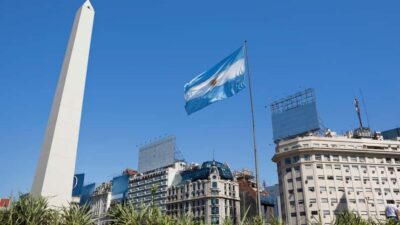
Then comes the icon: the Obelisco, inspired by the Washington Obelisk. It’s the white needle shape that points into the sky, and the tour makes sure you see it from the main surroundings, including the wide 9 de Julio avenue.
You’ll also be in position for the “neversleeping corner” area where 9 de Julio meets Corrientes. This is the spot people photograph because it signals downtown Buenos Aires energy in a single frame.
If you like memorable anchors in a city, this stop is worth it. It gives you a reference point that makes maps and later self-guided wandering feel easier.
Palermo: parks, residential elegance, and a taste of Soho/Hollywood
Palermo is huge, so the tour treats it like a smart sampler: park areas and the Rose Garden (Rosedal) when it’s open. It also includes luxury residential neighborhoods and “secret corners” that help you feel the neighborhood’s vibe instead of just seeing it from a bus window.
Depending on tastes and timing, you may also get a look at Soho and Hollywood style areas. That flexibility is a big reason this works well for different travelers—shop people, design people, park people, and street-wander people.
Practical consideration: because Palermo is broad, you’ll still want a follow-up visit if you fall in love with it. This tour helps you discover what to return for.
Floralis Generica: the metallic hug to the sky
Finally, you’ll reach Floralis Generica, the aluminum sculpture in a green park between Palermo and Recoleta, with a Law School building nearby. It’s described as opened like a hug to the sky, and it’s especially photogenic—people also mention shots where you can include airplanes between petals.
This stop has the right role at the end: lighter, modern, and visual. It gives your day a clean close that feels “Buenos Aires now,” not only “Buenos Aires long ago.”
Price and value: when $679 makes sense
At $679 per person for an approximately 8-hour private tour, it’s not a bargain-basement deal. But it can be strong value depending on what you’re buying.
You’re paying for:
- a private guide (not a group tour vibe)
- private transportation
- hotel pickup and drop-off
- an itinerary designed for orientation across multiple neighborhoods
- guidance led by a local guide and an art historian
- skip-the-line convenience in the mix
If you’re traveling as a couple or a small group, the private transportation and tailored pacing can make the math feel more reasonable. If you’re solo and hoping to travel ultra-budget, you might prefer a group orientation tour instead. But if you want a high-quality first-day structure—especially with history and art context—this price can feel fair.
Who this private Buenos Aires tour fits best
This tour is ideal if:
- it’s your first time in Buenos Aires and you want the city map in your head after one day
- you like city history, architecture, and symbolism (not just quick photo stops)
- you want an easier day with hotel pickup and private transport
- you’re traveling with family and want a planned route that still feels flexible
It may be less ideal if:
- you prefer deep museum time and long sits in one neighborhood
- you want a super-slow, unstructured day (this is more efficient than leisurely)
Should you book this private Buenos Aires city sightseeing tour?
I’d book it if you want a guided orientation that mixes the big icons with real neighborhood feel. The combination of a local perspective and an art-historian lens is exactly what helps the city make sense fast—so you can spend the rest of your trip exploring with more confidence.
I’d hesitate only if you hate tight schedules. This day is designed to cover a lot of ground, so you’ll get breadth rather than a single neighborhood’s deep slow dive.
FAQ
What time does the Buenos Aires City Sightseeing tour start?
It starts at 9:30 am.
How long is the private tour?
The duration is about 8 hours.
Is hotel pickup and drop-off included?
Yes. Hotel/port pickup and drop-off are included, along with private transportation.
Are museum tickets and Recoleta Cemetery admission included?
No. Tickets to museums or Recoleta Cemetery are not included. The itinerary notes free entry for some stops, but plan to confirm costs for the cemetery when you book.
What’s included in the tour besides transportation?
You get a professional guide, a private tour format, and the private transportation. Food and drinks are not included.
Can I cancel for a full refund?
Yes. You can cancel up to 24 hours in advance for a full refund. If you cancel less than 24 hours before the start time, the amount paid is not refunded.